
Mali Was Easy to Acquire and Impossible to Release
A diplomatic gift arrives in an afternoon and needs no mechanism. Undoing one requires a procedure, an owner and somebody accountable for the decision, and the Manila Zoo had none of the three.
Sunday, August 30th, 2026 Independent & Reader-Supported
A diplomatic gift arrives in an afternoon and needs no mechanism. Undoing one requires a procedure, an owner and somebody accountable for the decision, and the Manila Zoo had none of the three.
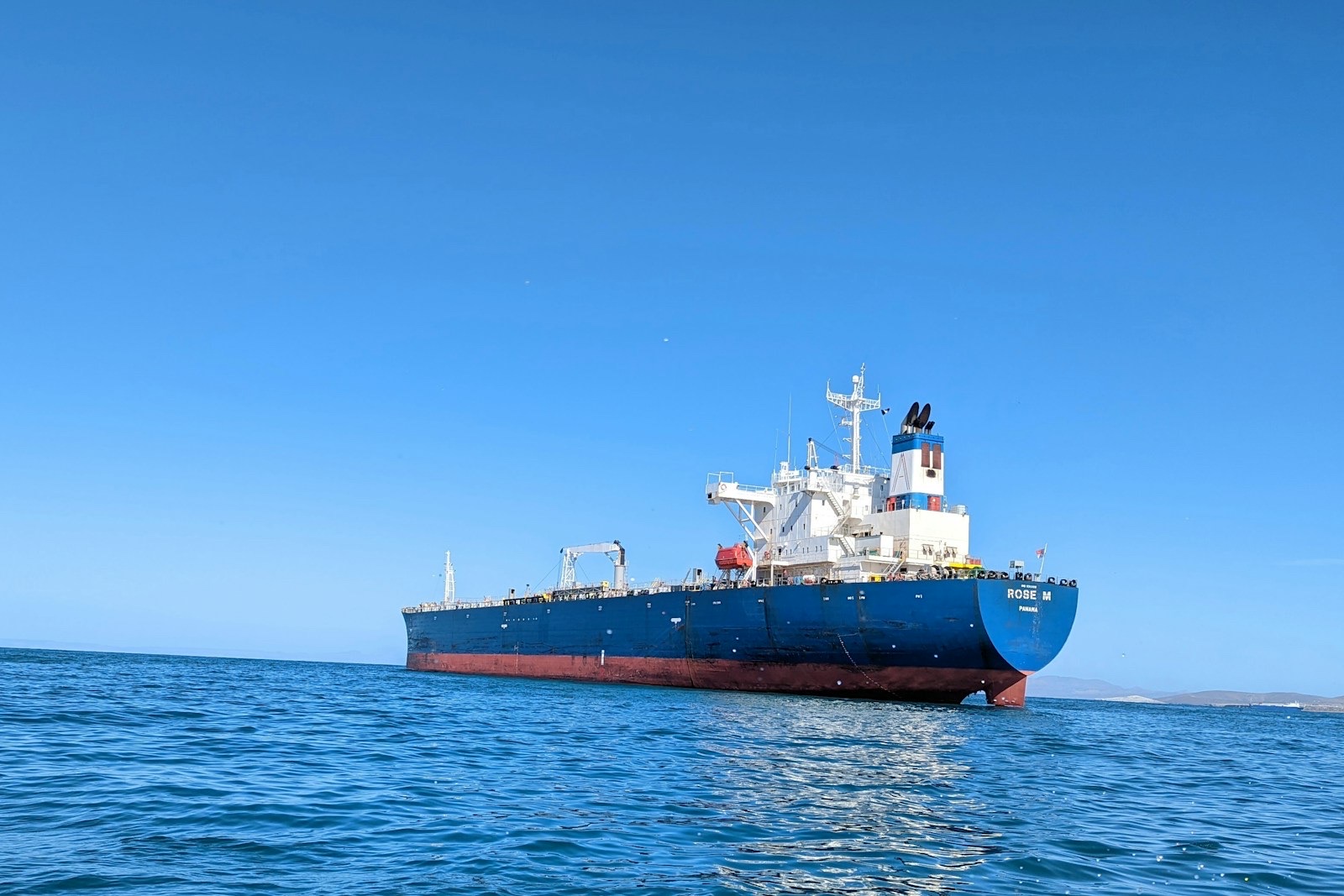
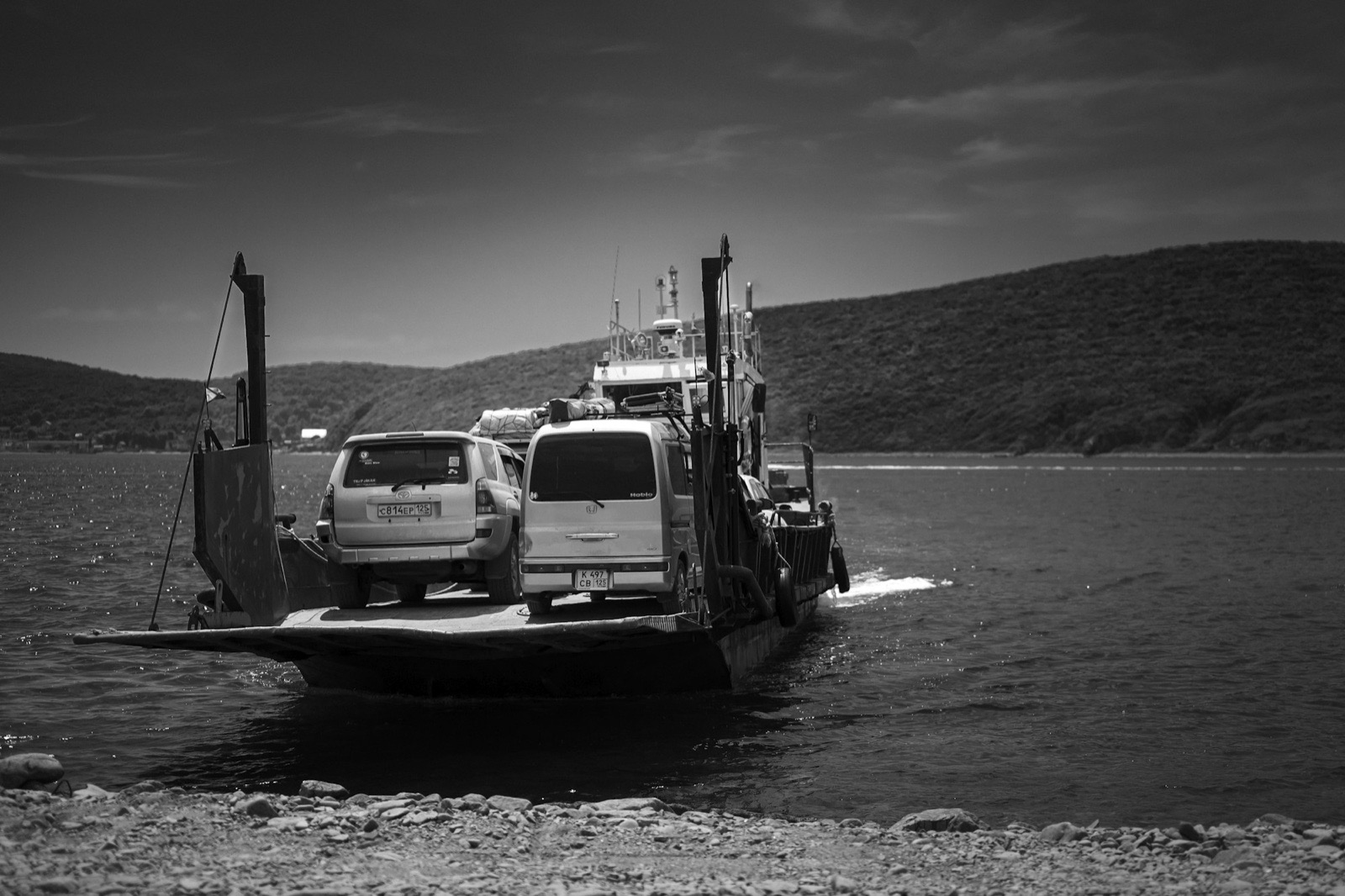
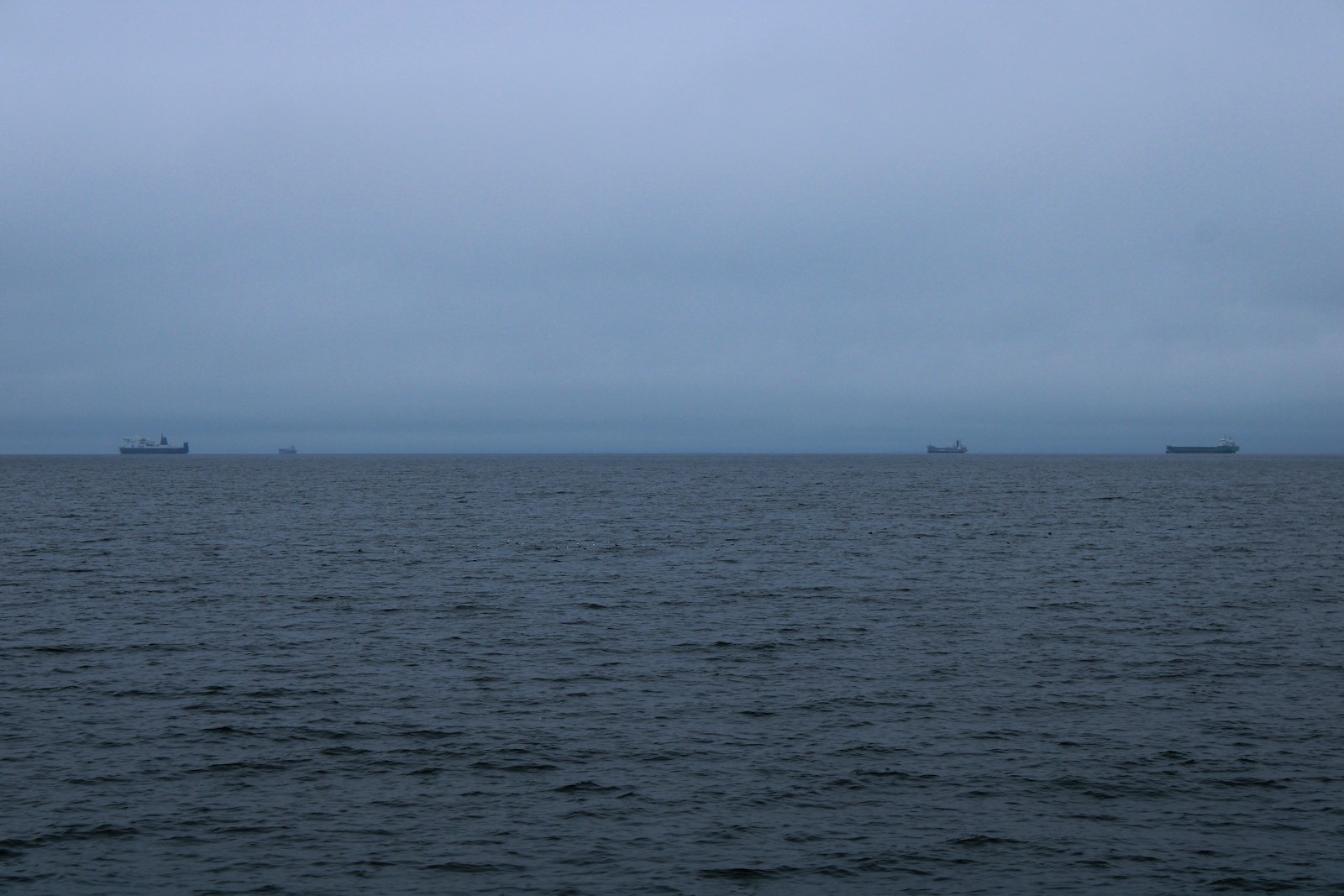
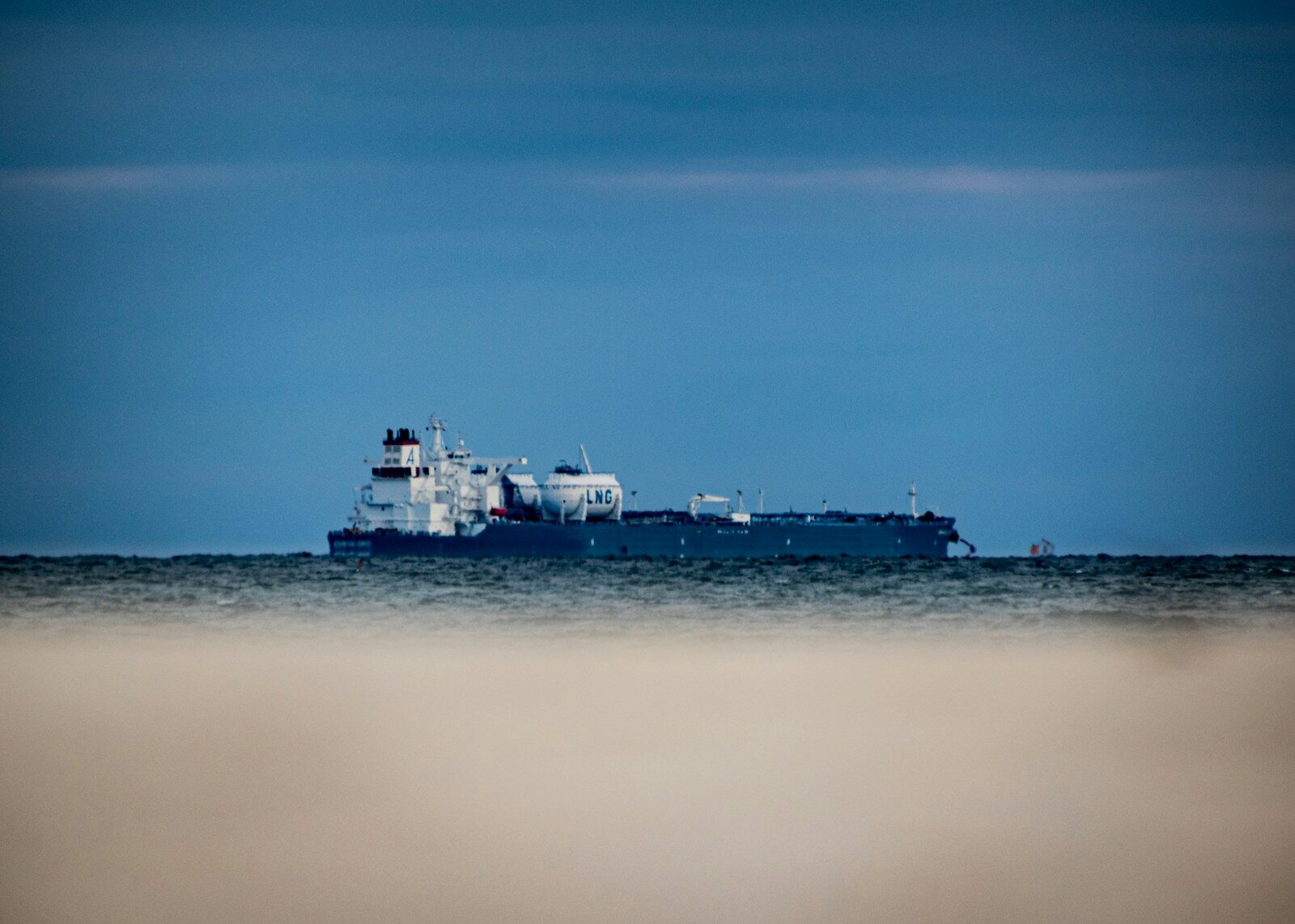
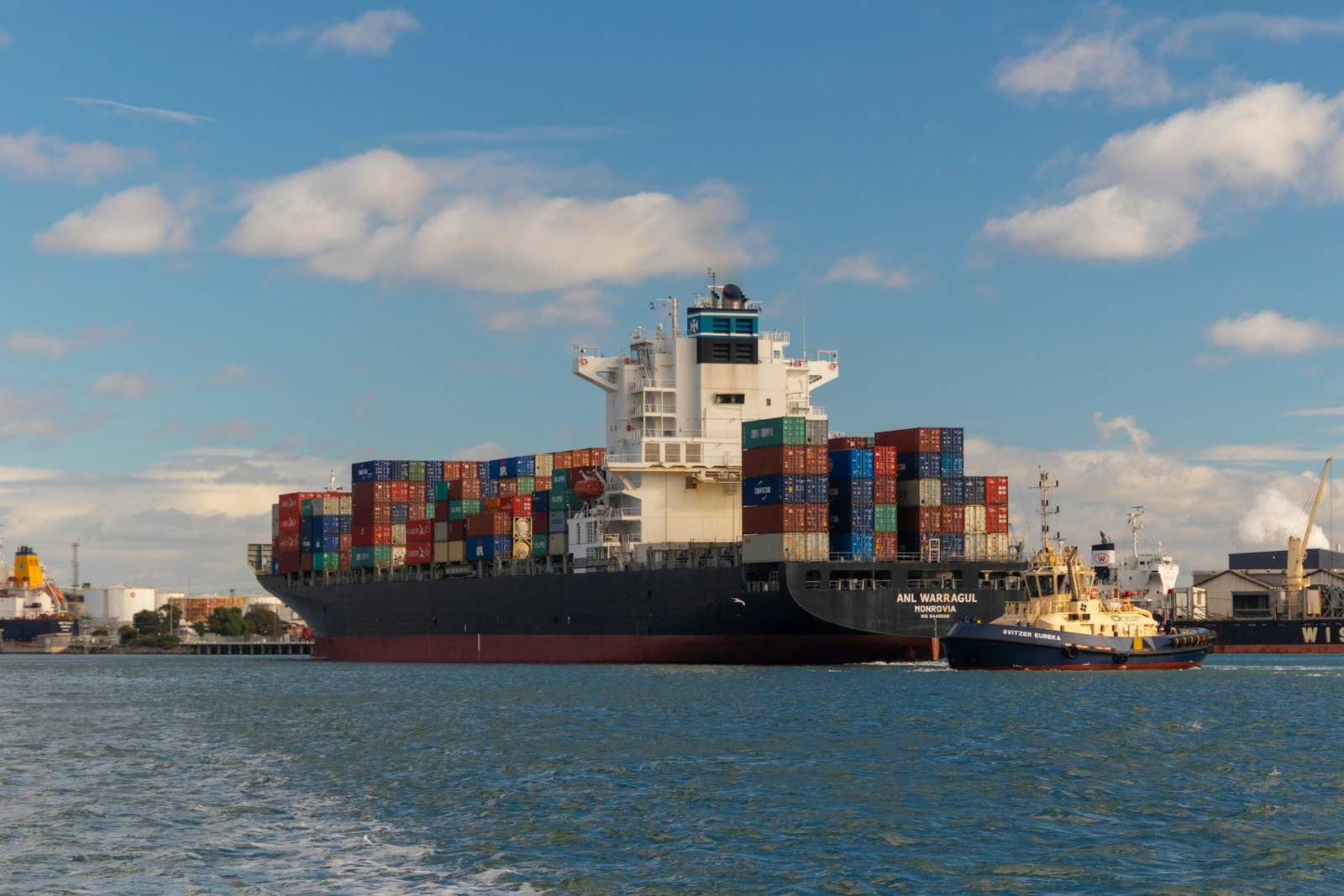
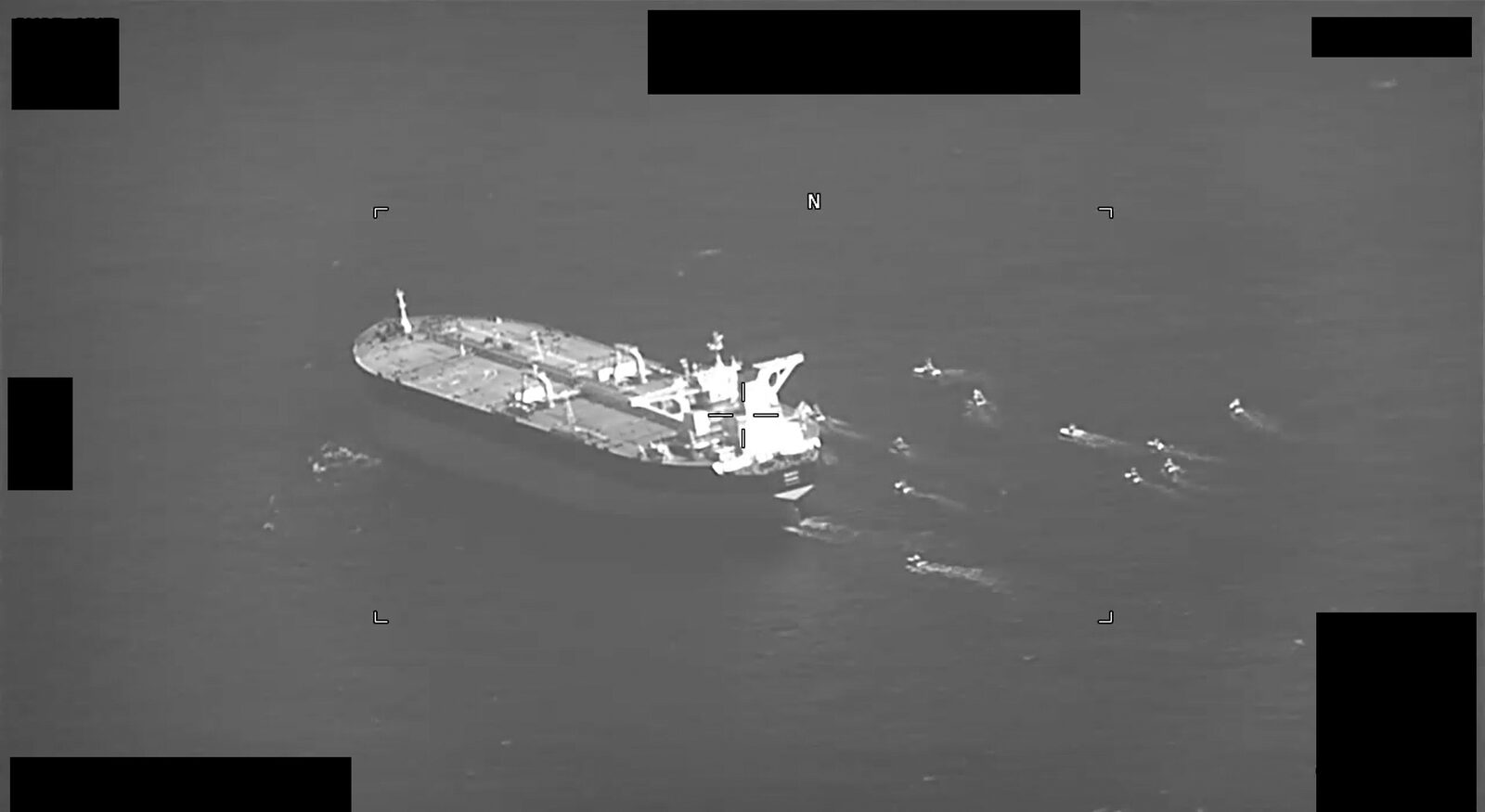
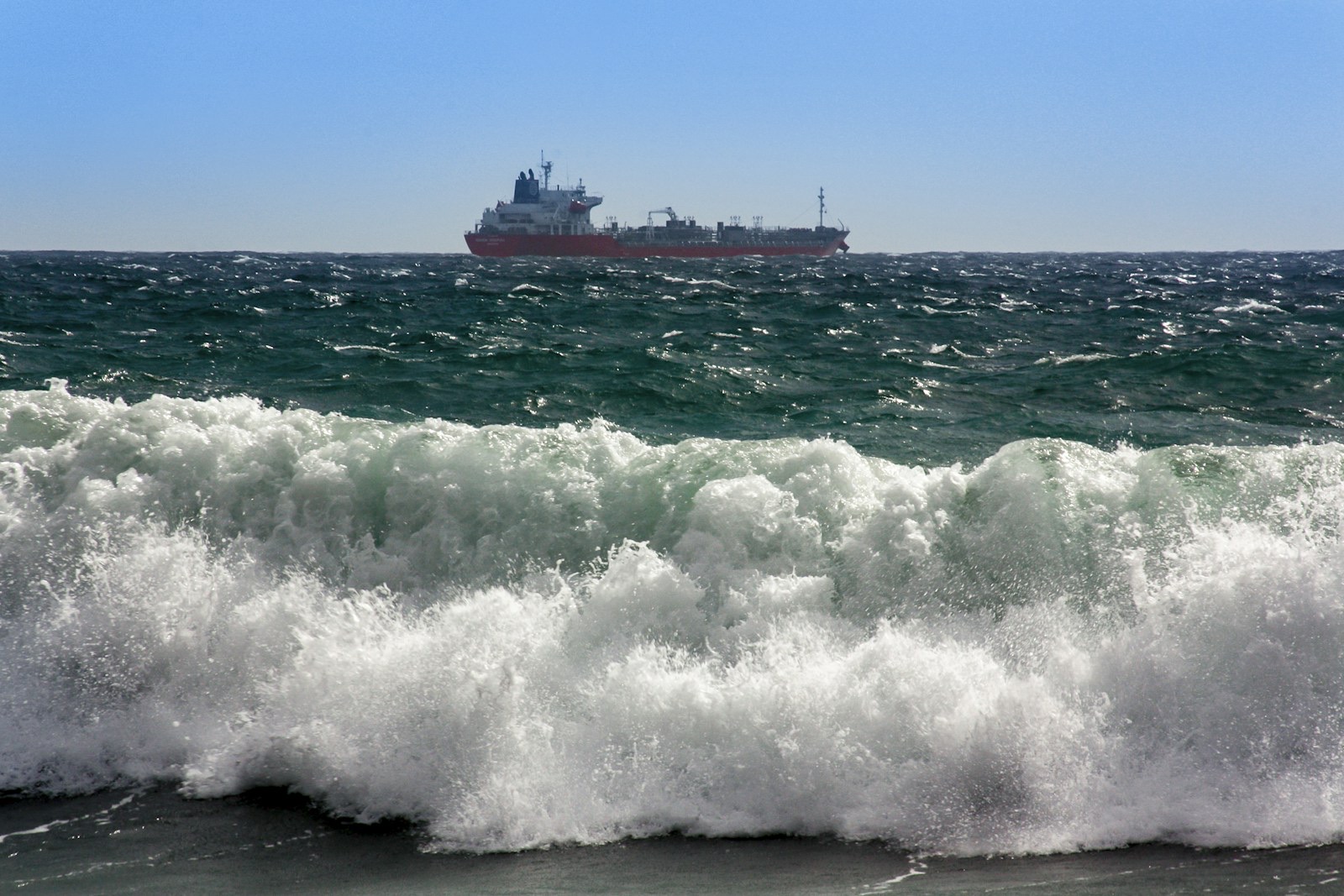
When Suez closed, ships went around Africa. It cost more and took longer, and it worked. The Gulf offers no equivalent, which is why traffic through Hormuz has fallen by most of itself rather than moved somewhere else.
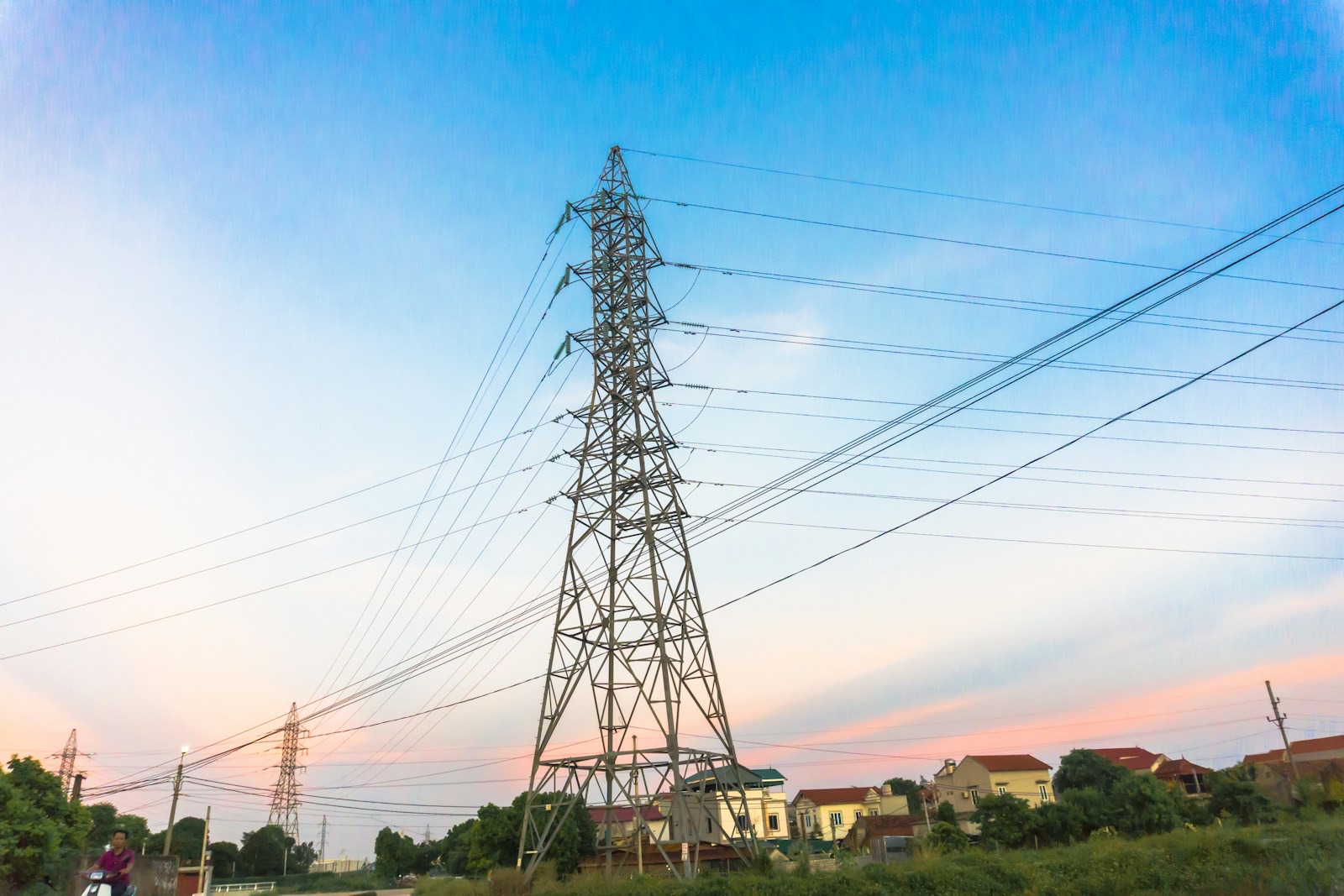
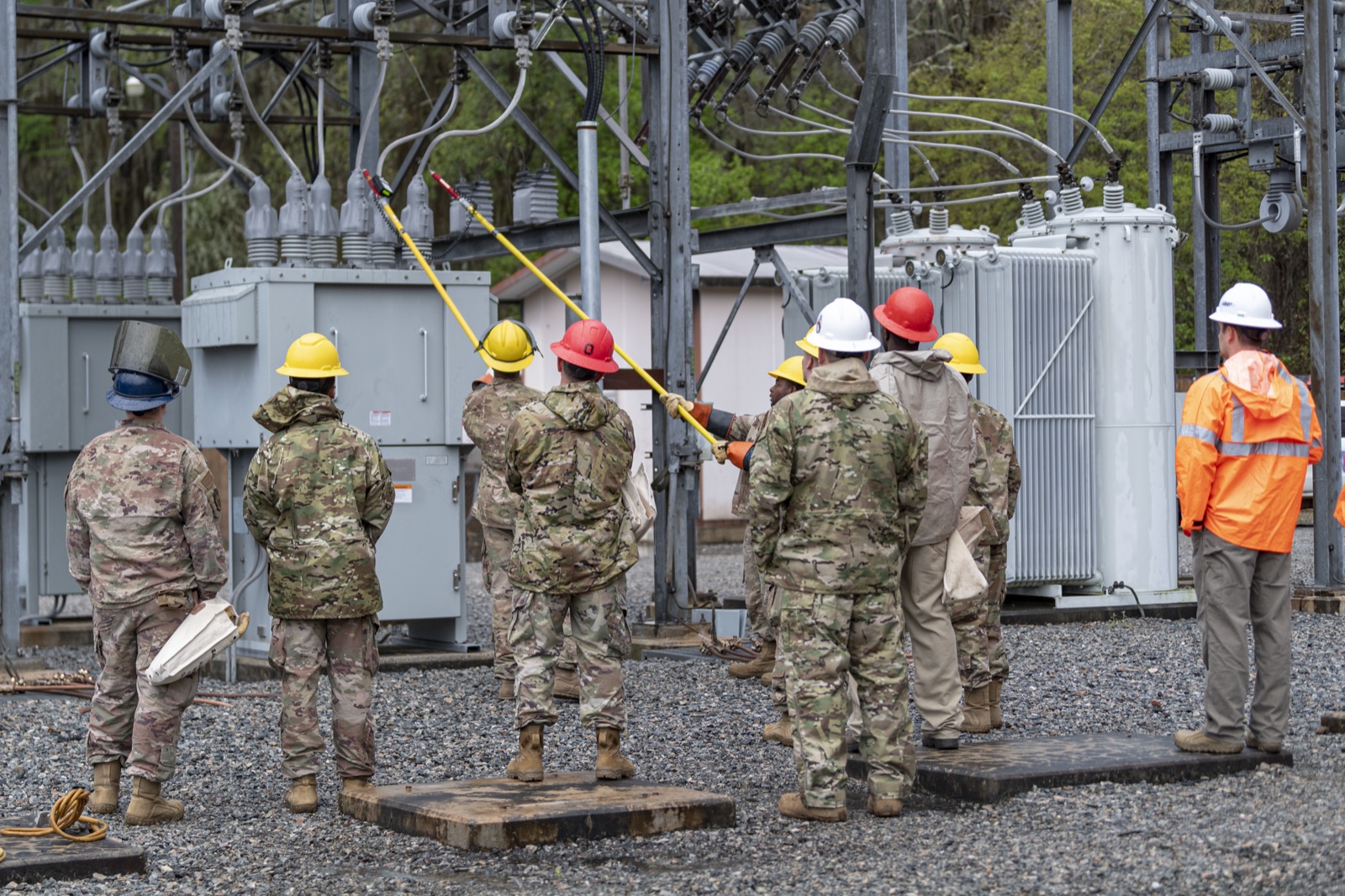
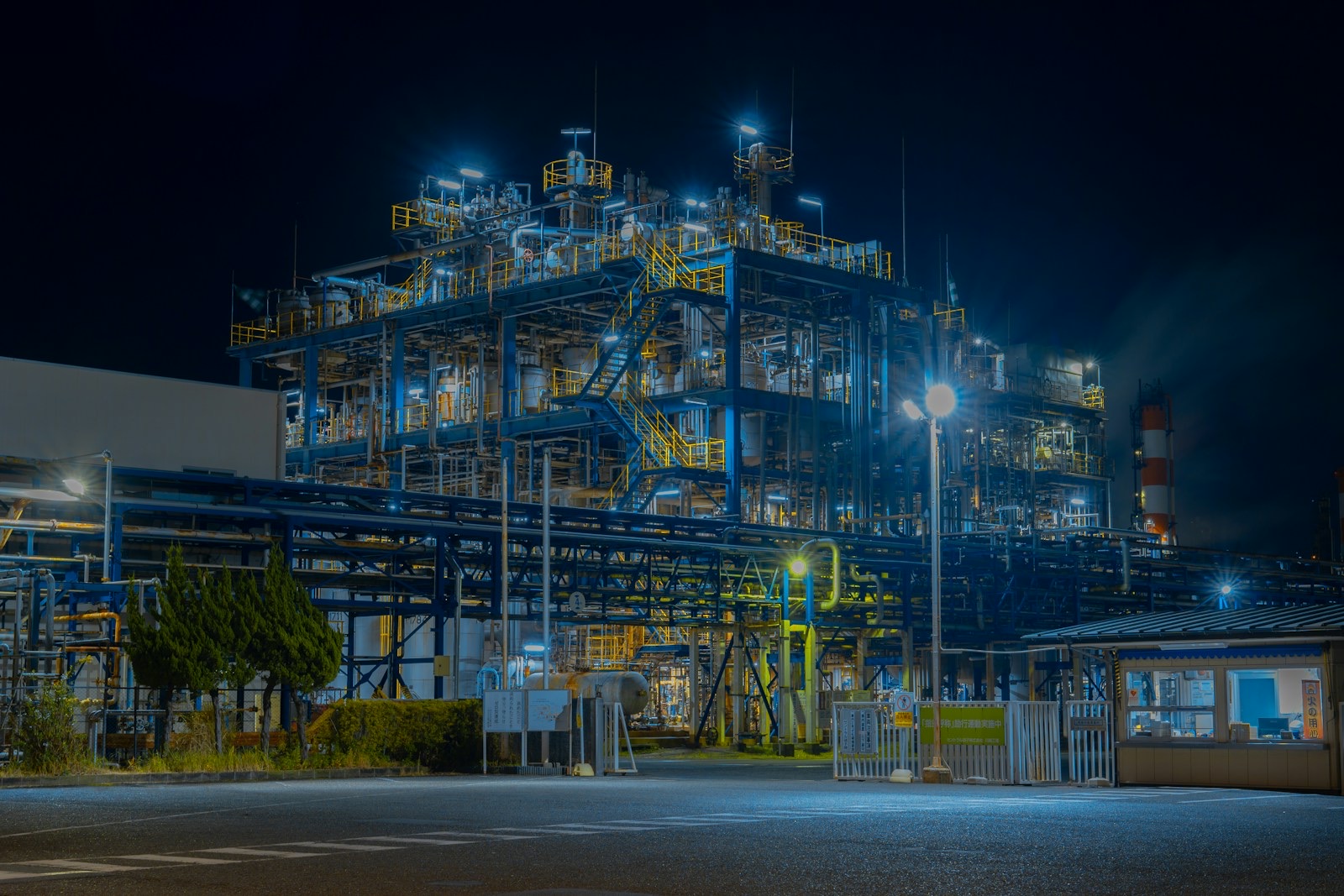
An executive order can stop the next transformer at the border on the day it is signed. The equipment already energised across the grid is governed by a different phrase in the same document, and that phrase has no deadline attached.

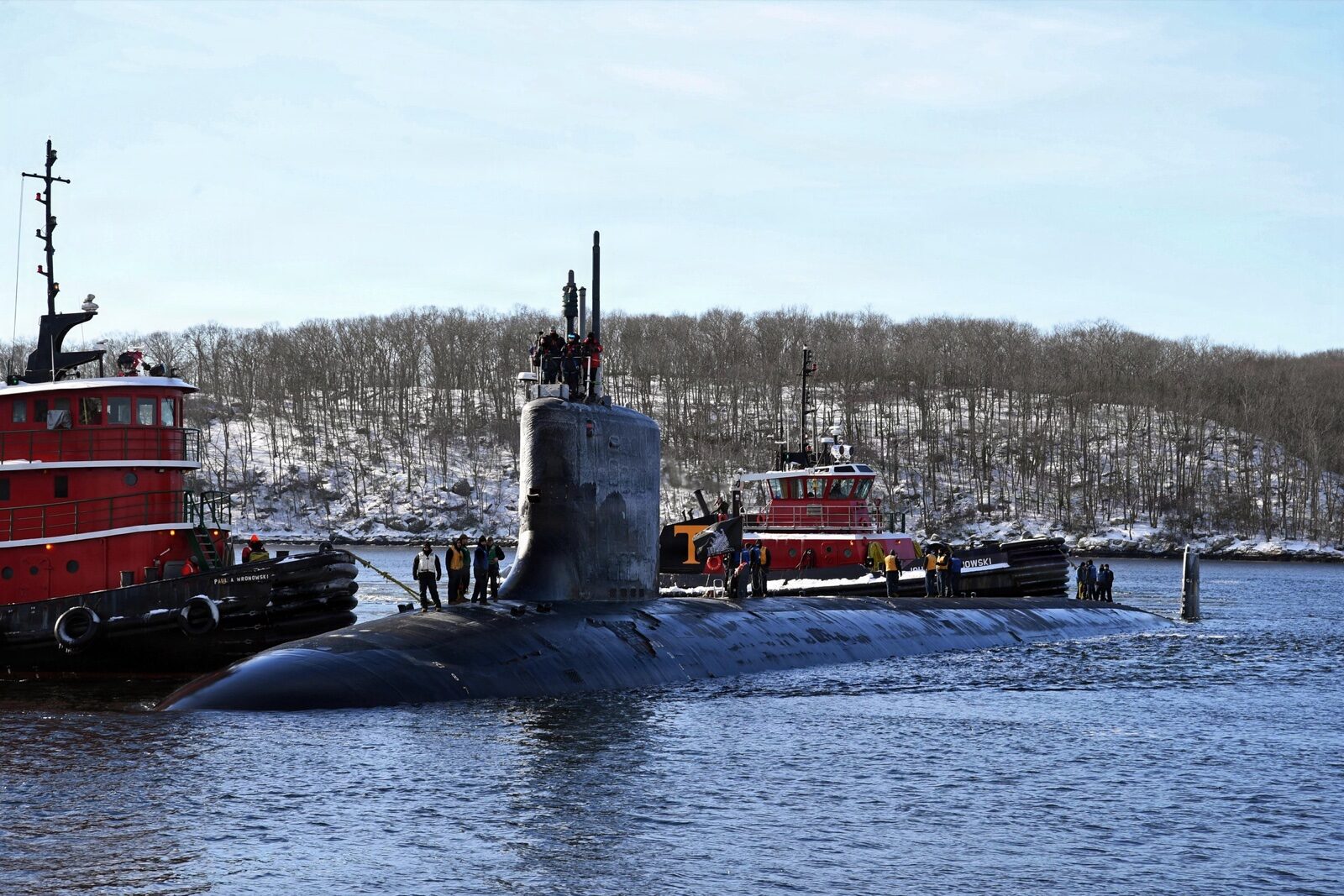
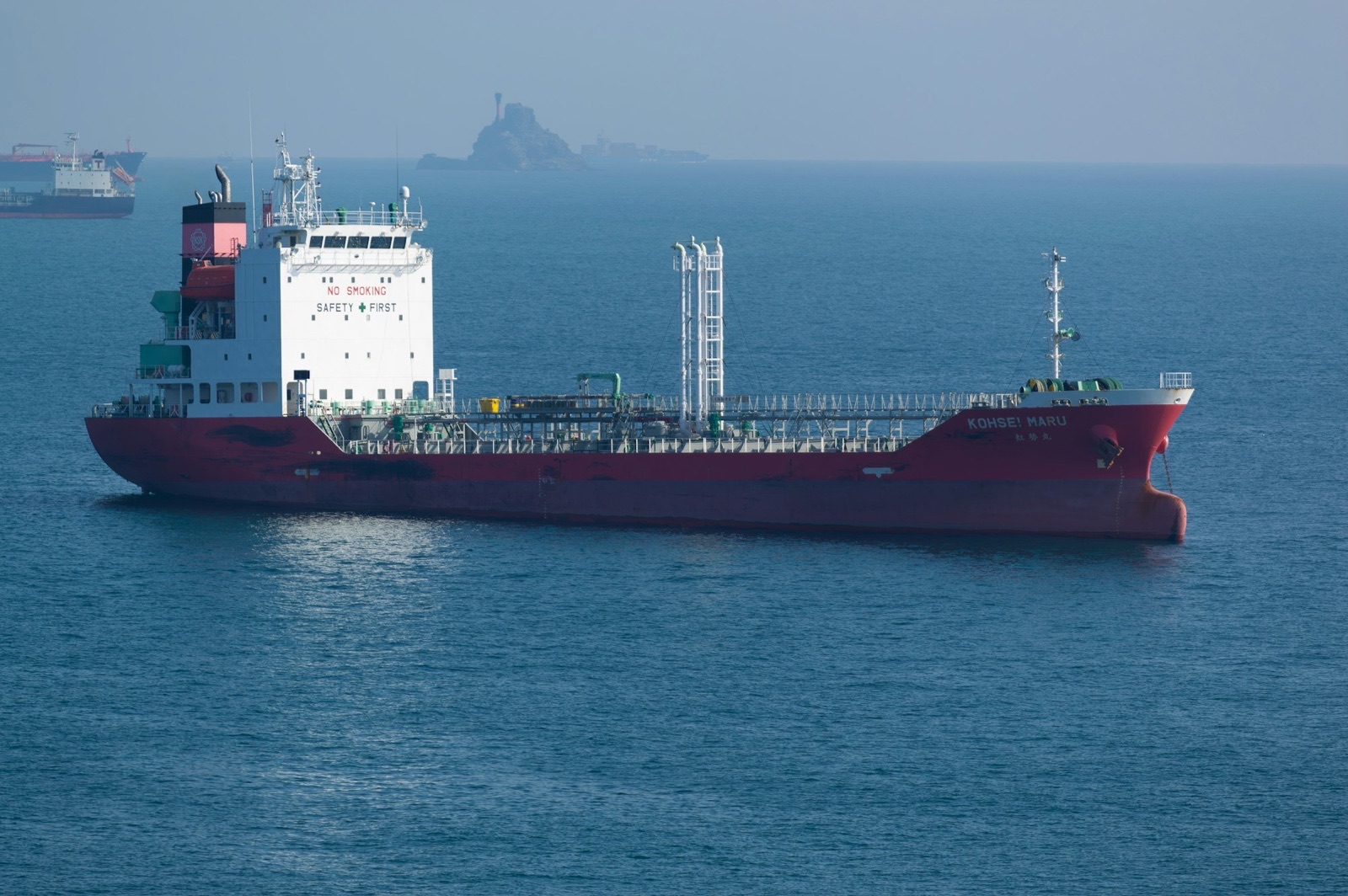
Every party to a sea voyage can transfer the risk of a closing chokepoint to somebody else. Owners insure hulls, charterers hedge freight, underwriters lay it off again. The crew is the one link in the chain with no market to sell its exposure into.
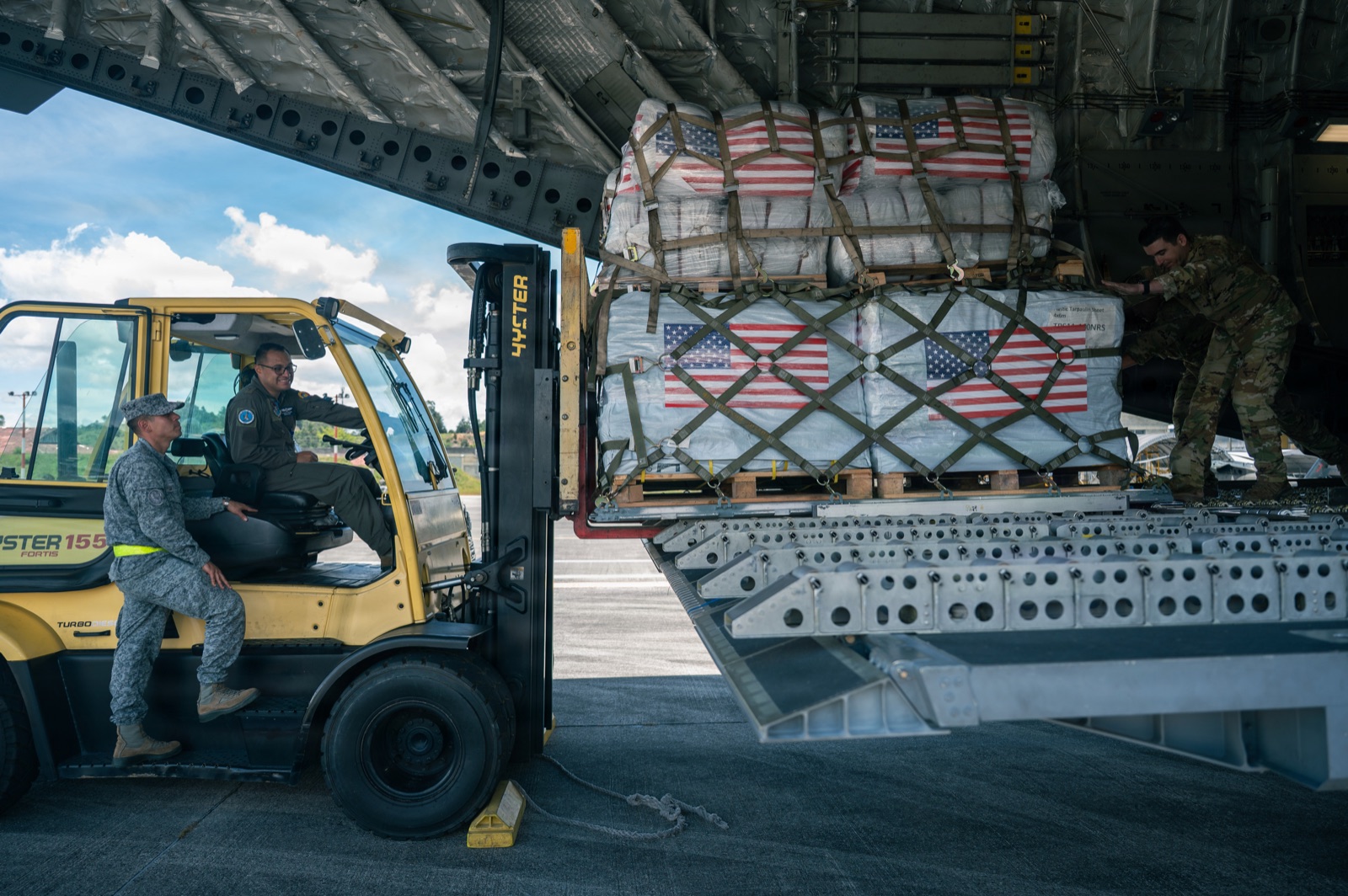
The fastest way to move disaster supplies is also the most expensive per tonne in existence. The alternatives cost a fraction and require somebody to fund idle capacity in advance, which no budget cycle rewards.
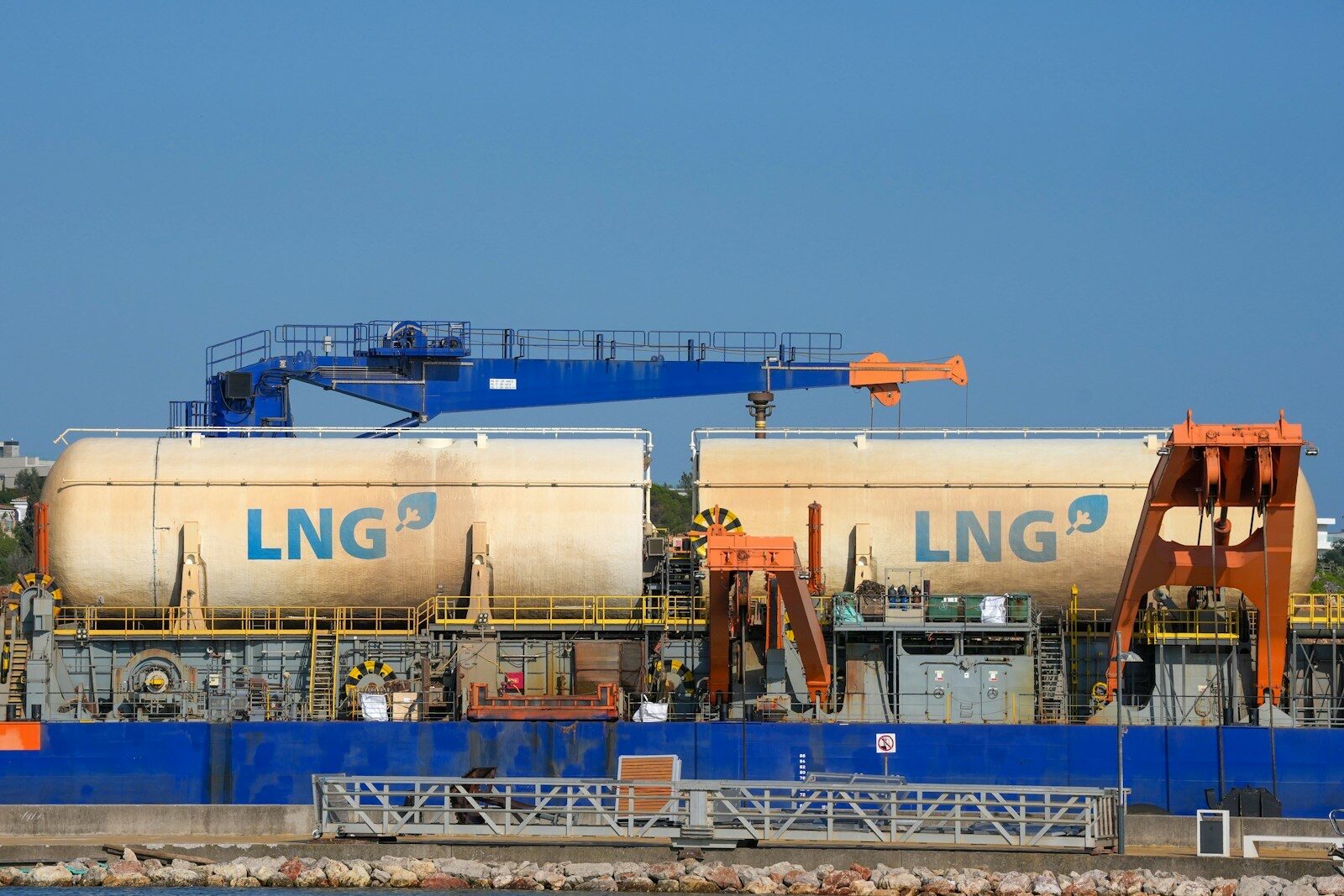
The long-term contracts that financed the world's liquefied natural gas terminals assumed buyers who would take the volume for decades. Those buyers are now asking to be let out, and the terminals still have debt to service.
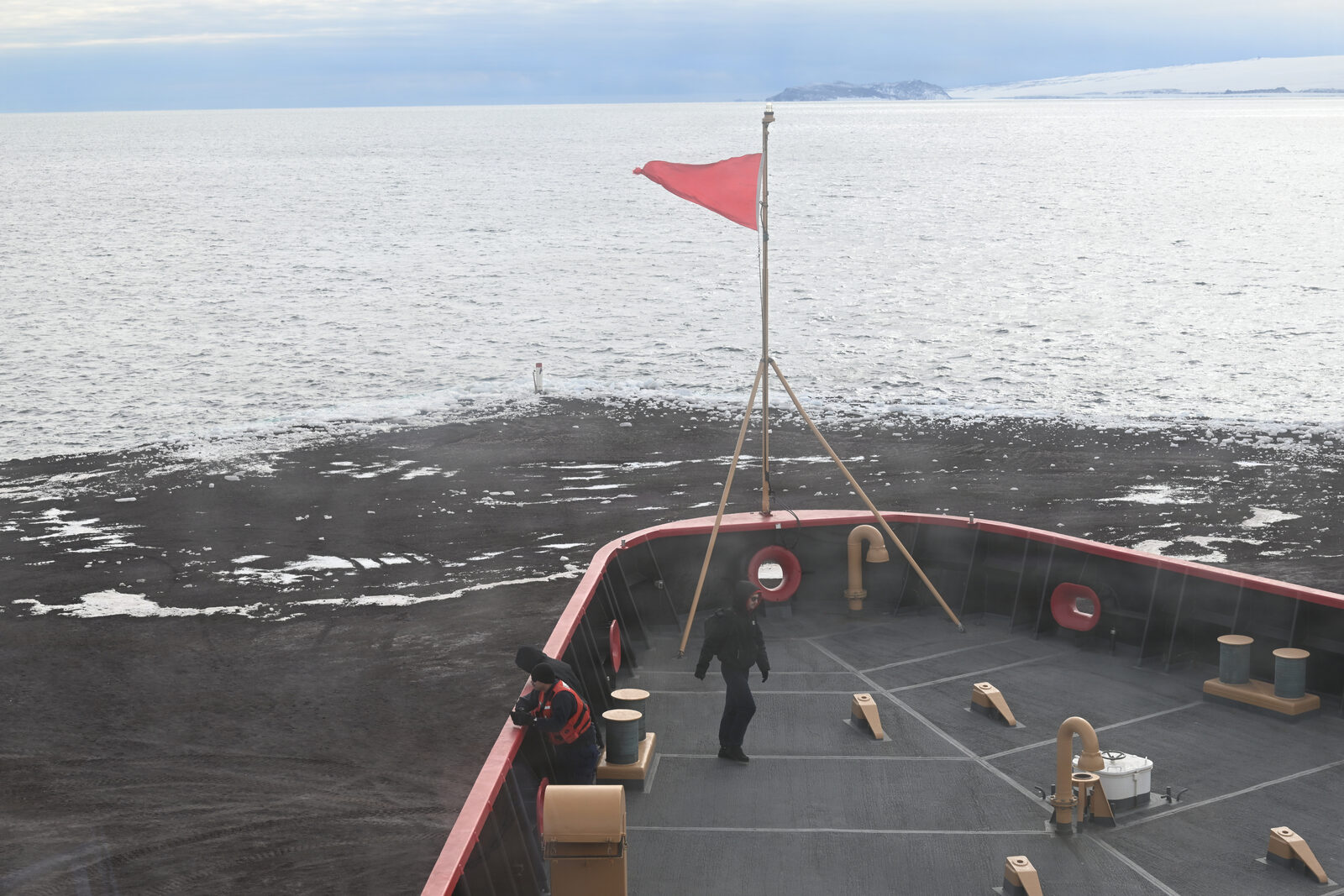
Commercial interest in northern shipping routes is running well ahead of the capacity to escort, chart and rescue along them. The constraint is a shipyard problem that takes a decade to solve and was deferred for thirty years.
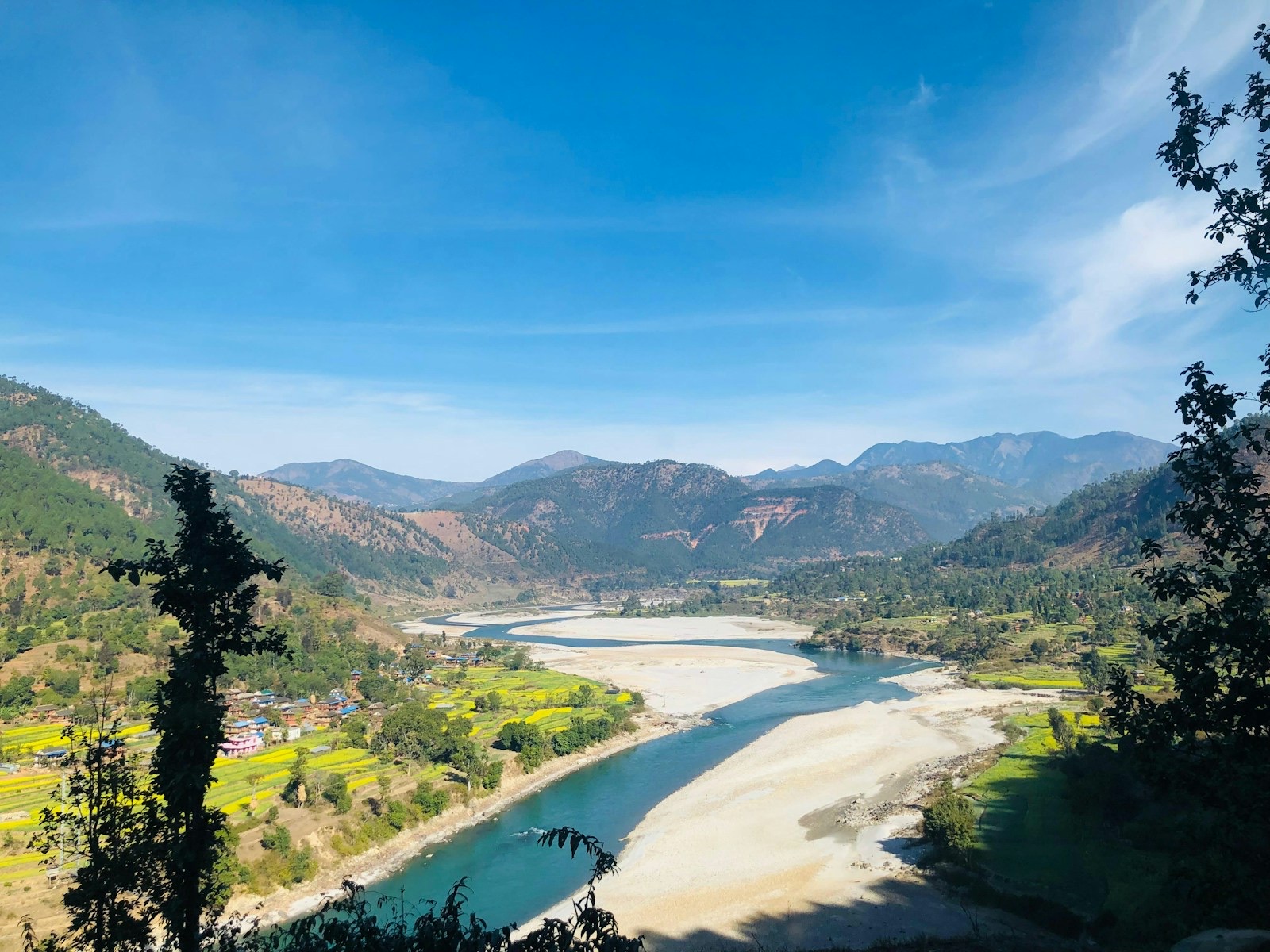
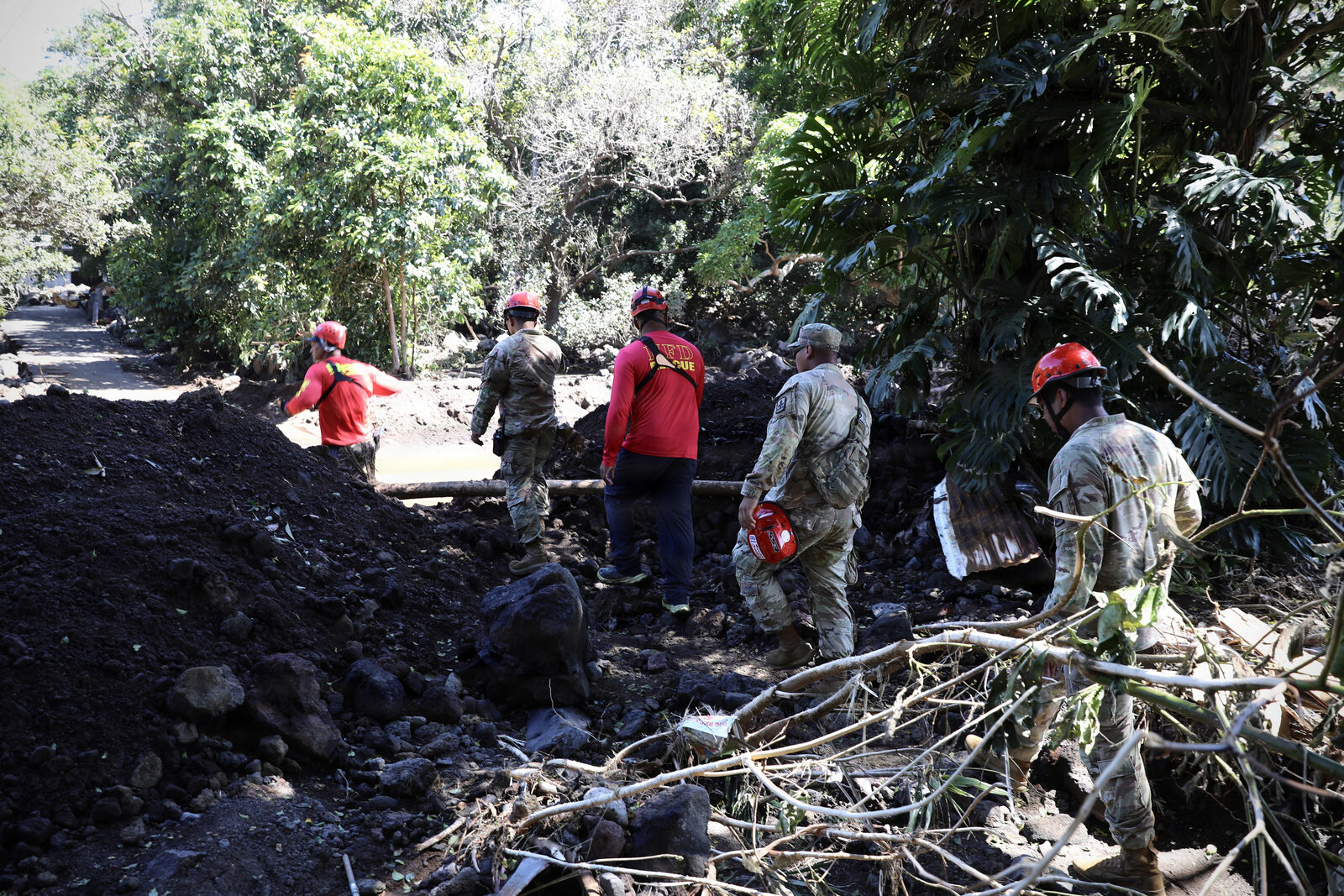
Satellite comparison and video have established what happened above the Nepal-China border. The death toll has risen to at least 469, and the same valley is being watched for a second flood.
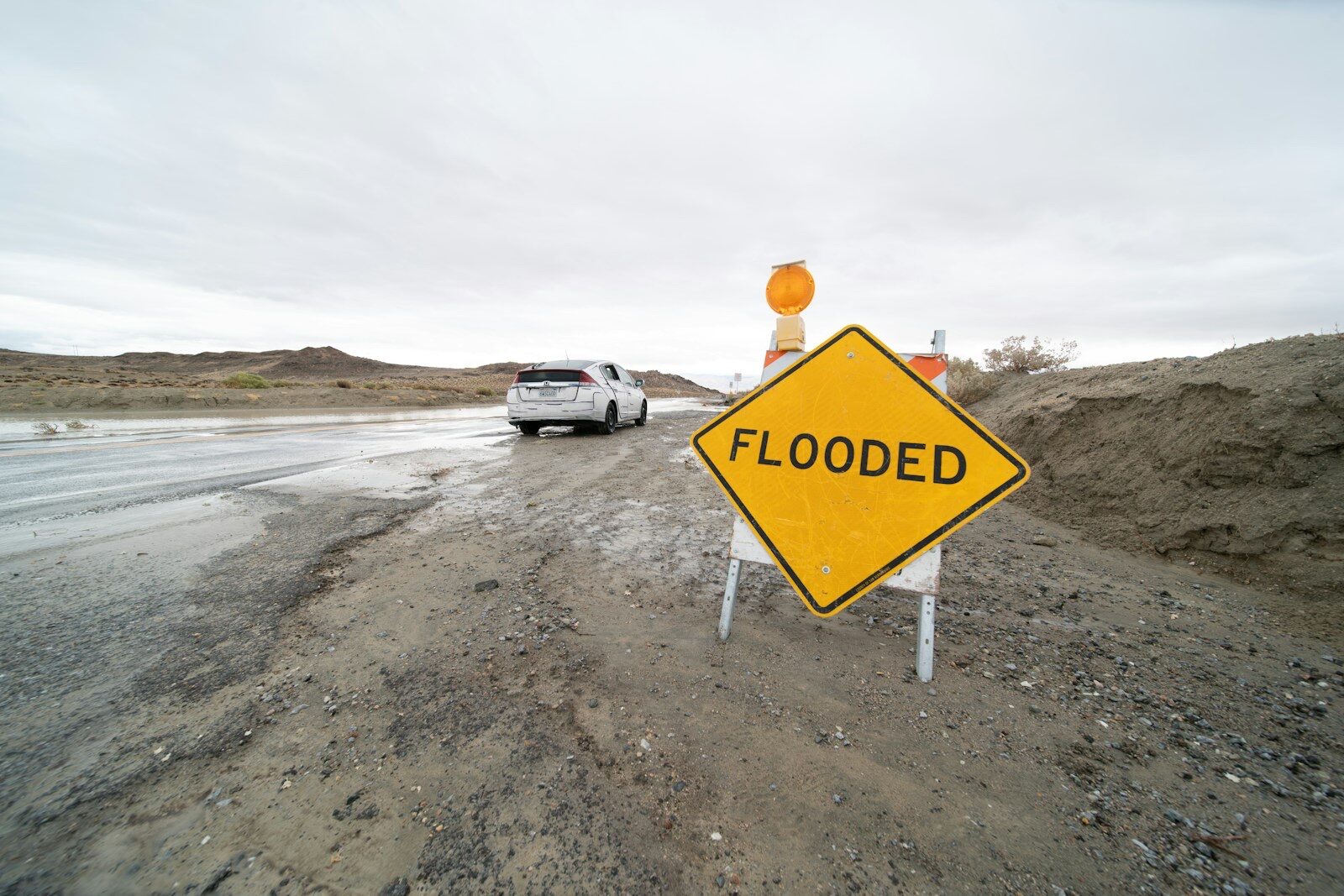
At least 389 are dead in Nepal and more than 1,300 missing, among them over 700 foreign nationals from two dozen countries. Chinese authorities warn a landslide-dammed lake could give way.
The advice to delegate more is sound and incomplete. A manager who has never done the task cannot specify it, cannot judge the output, and cannot tell whether the person is struggling.
Large buyers are paying later without renegotiating terms, financing themselves on the balance sheets of companies too small to object.
State unemployment insurance runs on software and staffing calibrated to a low claim rate, which is exactly the condition that stops holding in a downturn.
In-housing legal work saves real money on routine matters and converts a variable cost into a fixed one, which is fine until the volume that justified the hire goes away.
Every company has dashboards nobody opens, and every company responds by redesigning them. The reason they go unread is that no choice is waiting on what they say.
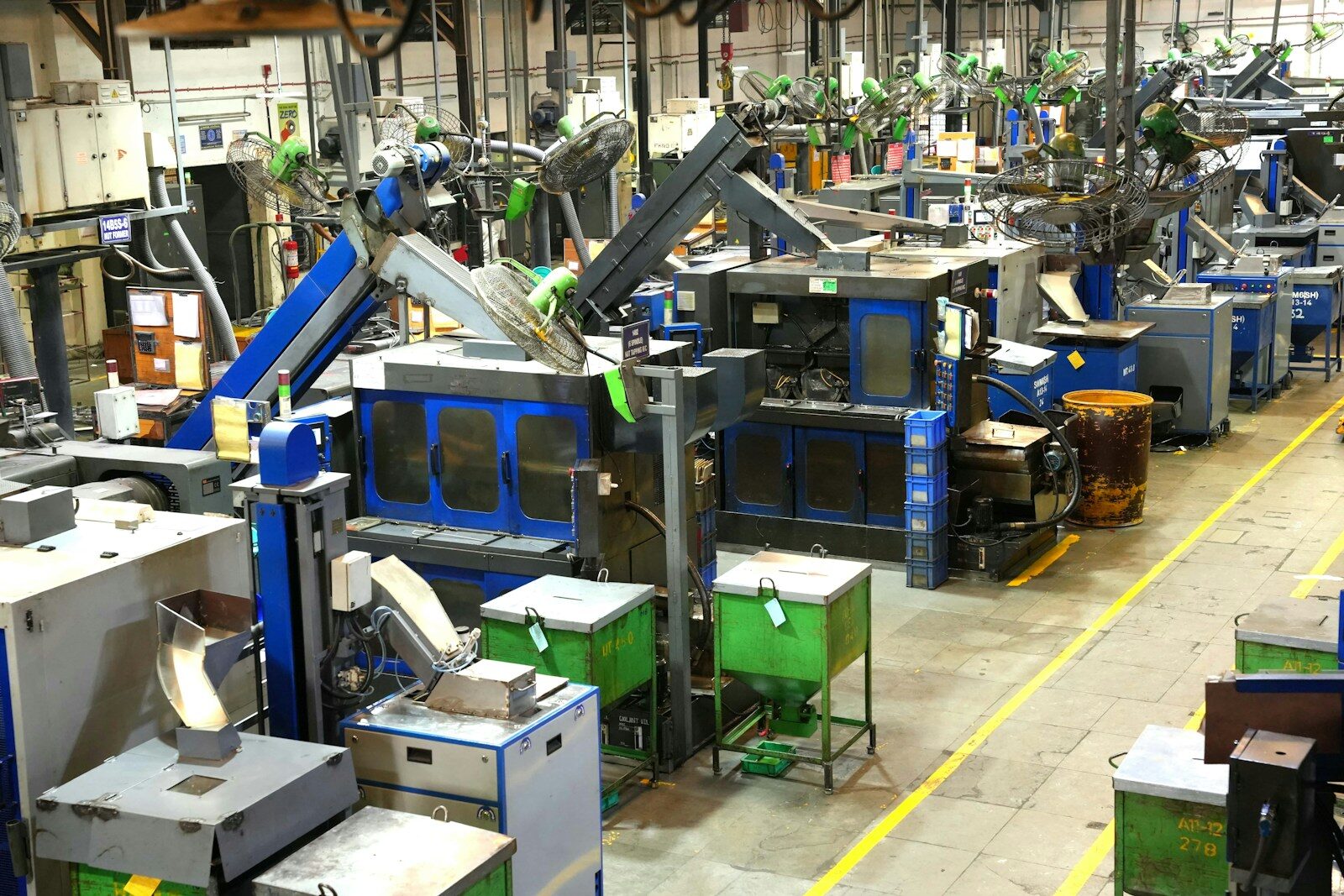
Procurement can name every direct supplier and almost none of their suppliers. The shortages that halt production keep arriving from that second layer, where nobody was looking.
Companies short of capital are selling the property they operate from and leasing it back. The proceeds arrive immediately and the obligation arrives every month for two decades.
Death investigation runs on a small profession that is not replacing itself. Where the caseload outruns the capacity, autopsies get skipped and the cause of death becomes an estimate.
Mid-sized companies that spent years absorbing premium increases are forming captive insurers to keep the money in-house. It works, until the year it is tested.

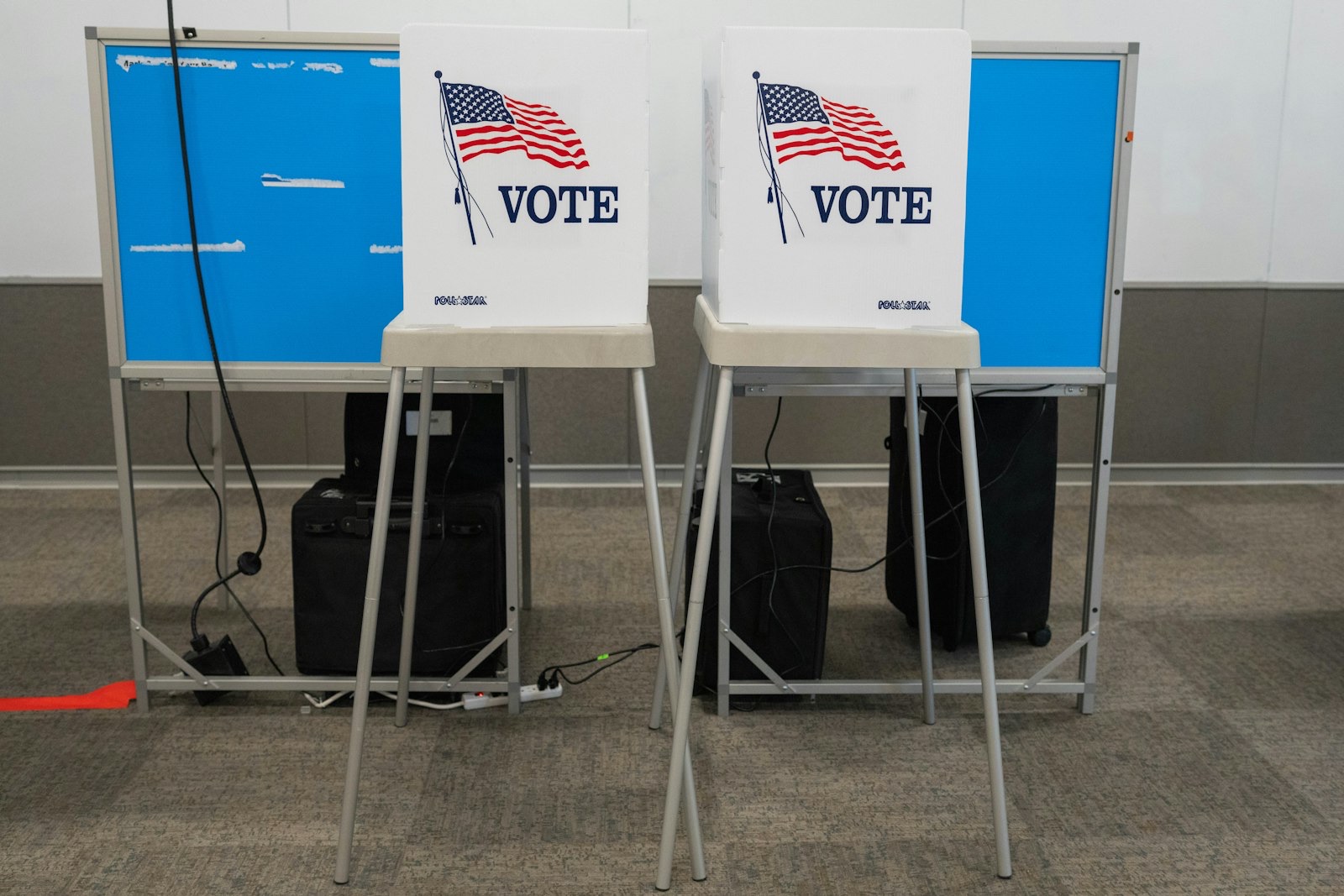
Election administration was built as an occasional expense handled by a small permanent staff. It has become a continuous operation with security requirements, and counties are paying for it out of general funds.
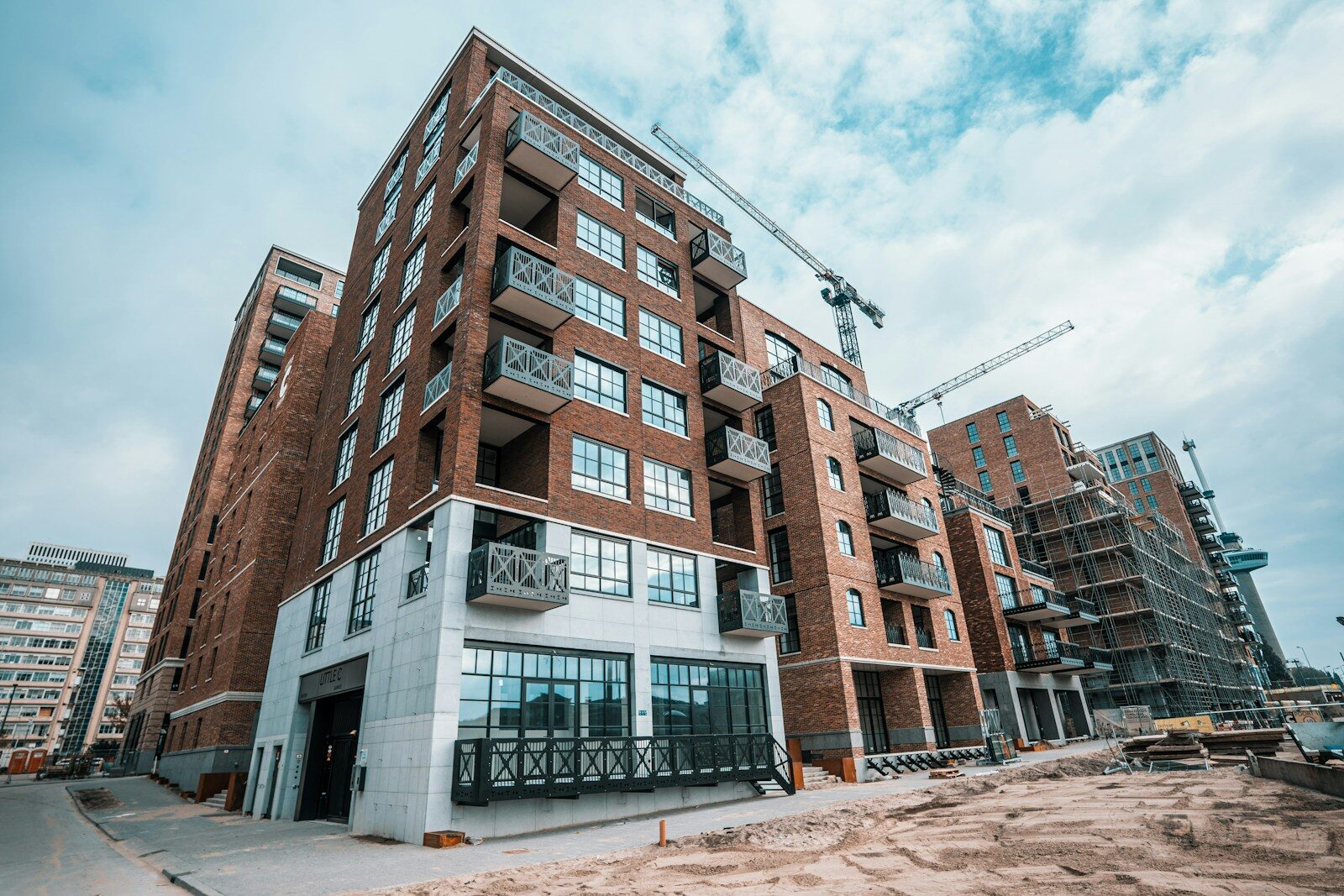
Hospitals, resorts, universities and manufacturers are financing workforce housing because recruitment failed for a reason no signing bonus fixes. The model has a history, and it is not a happy one.
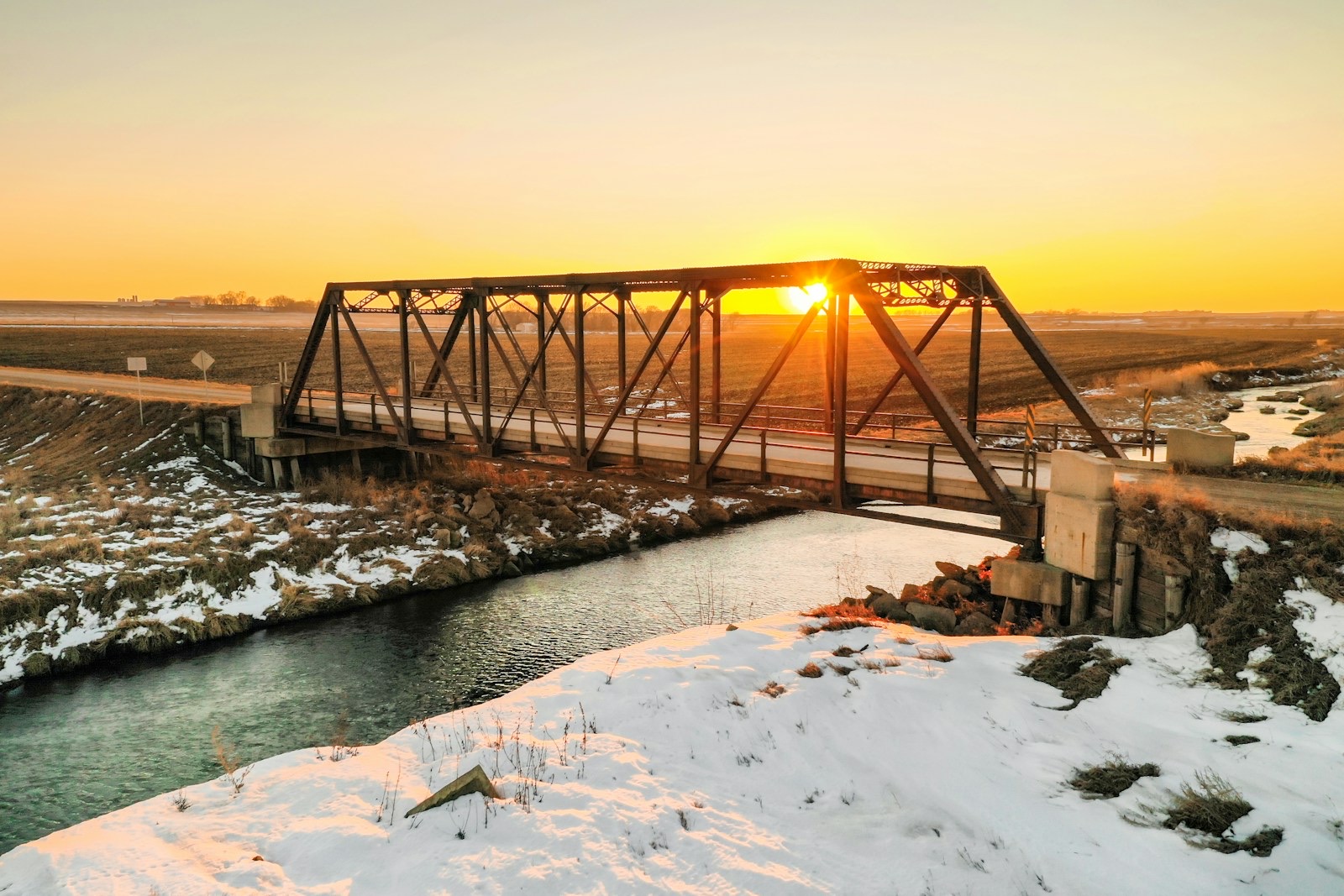
Thousands of rural bridges are being downrated rather than replaced, and a load limit reroutes freight, school buses and fire apparatus onto roads that were never meant to carry them.
Corporate fleet electrification stalled while it was a sustainability commitment and started moving when it became a total-cost-of-ownership calculation that fleet managers could defend on their own terms.
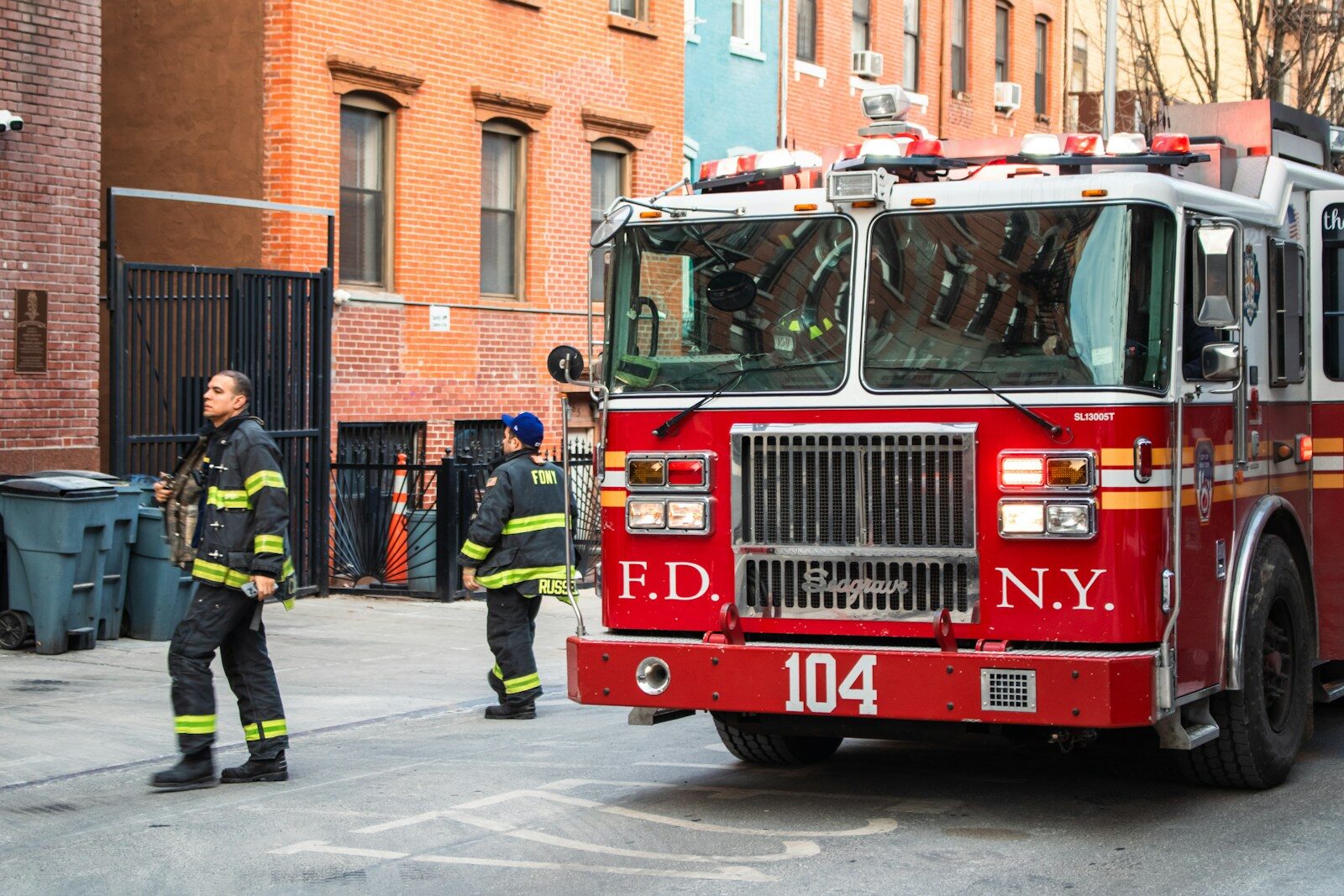
Roughly two-thirds of American firefighters are volunteers, and the model was built on a settlement pattern that no longer exists. What replaces it costs money nobody has budgeted.
Private capital has spent three years buying HVAC, plumbing and electrical contractors at multiples the trades have never seen. The thesis is sound, the integration is harder than the model assumed, and the second wave is arriving at higher prices.

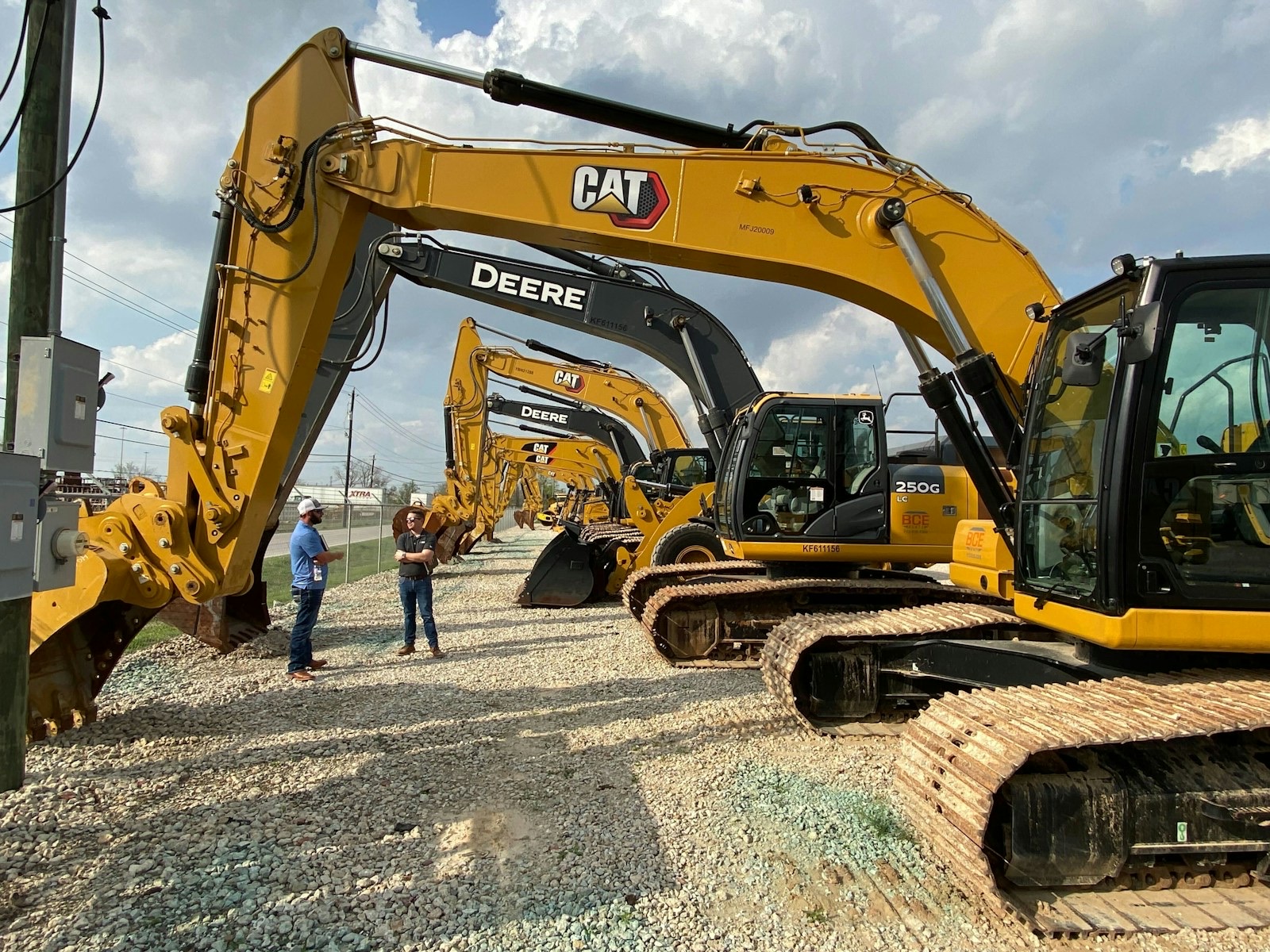
Small companies that could not get a bank line could always finance a machine, because the machine secured itself. Lenders are now discovering how thin that collateral is when a sector turns.
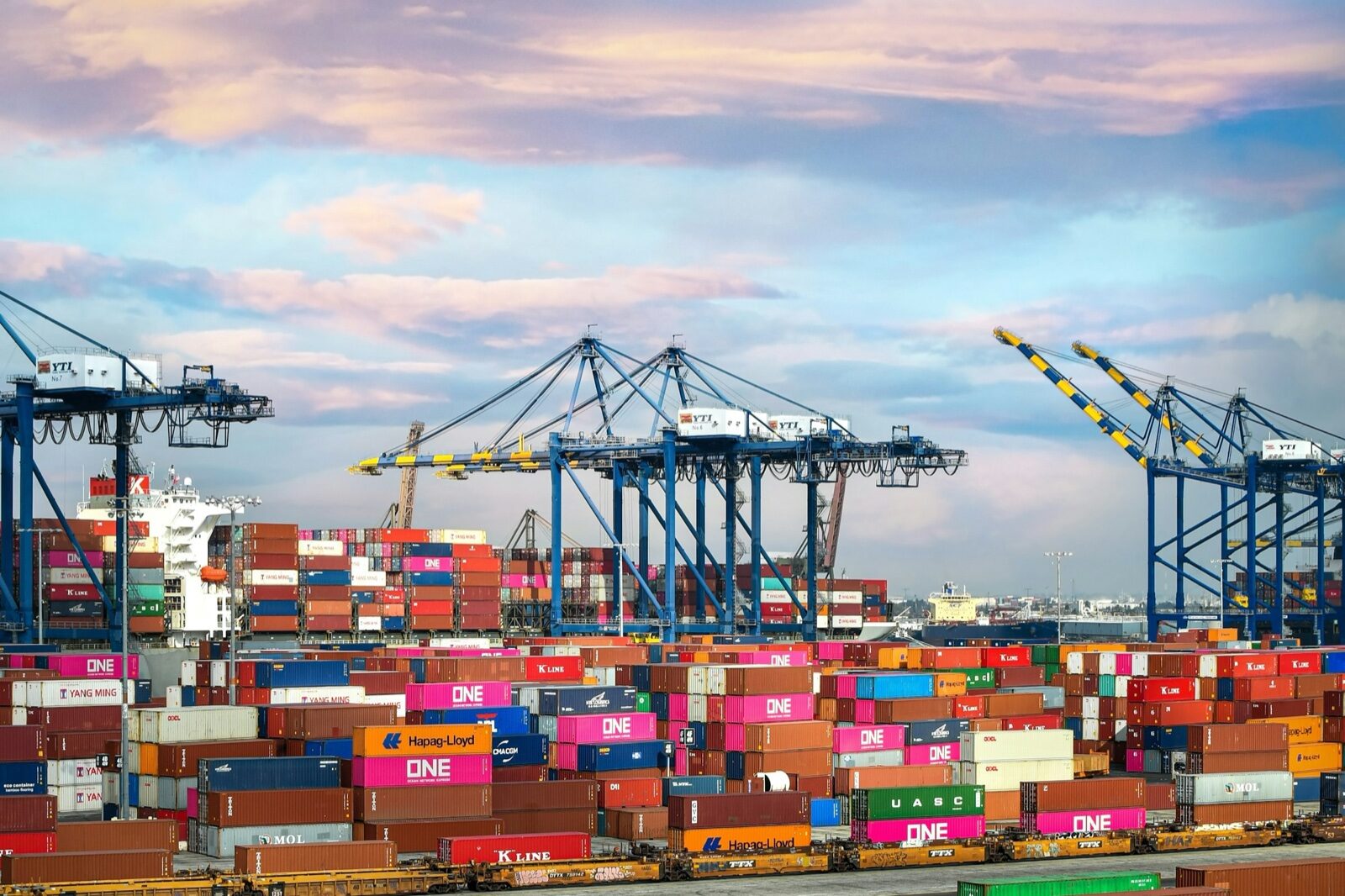
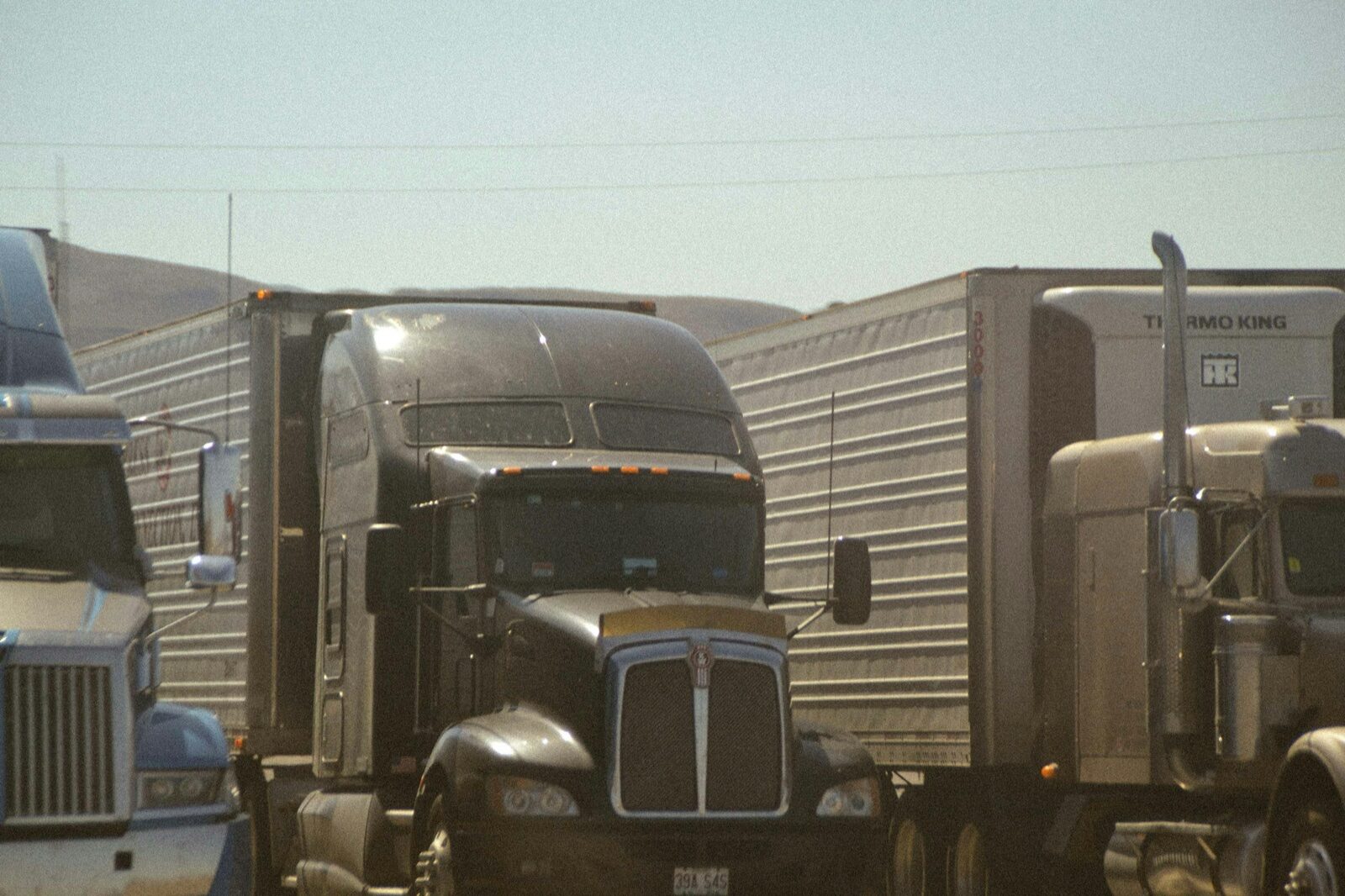
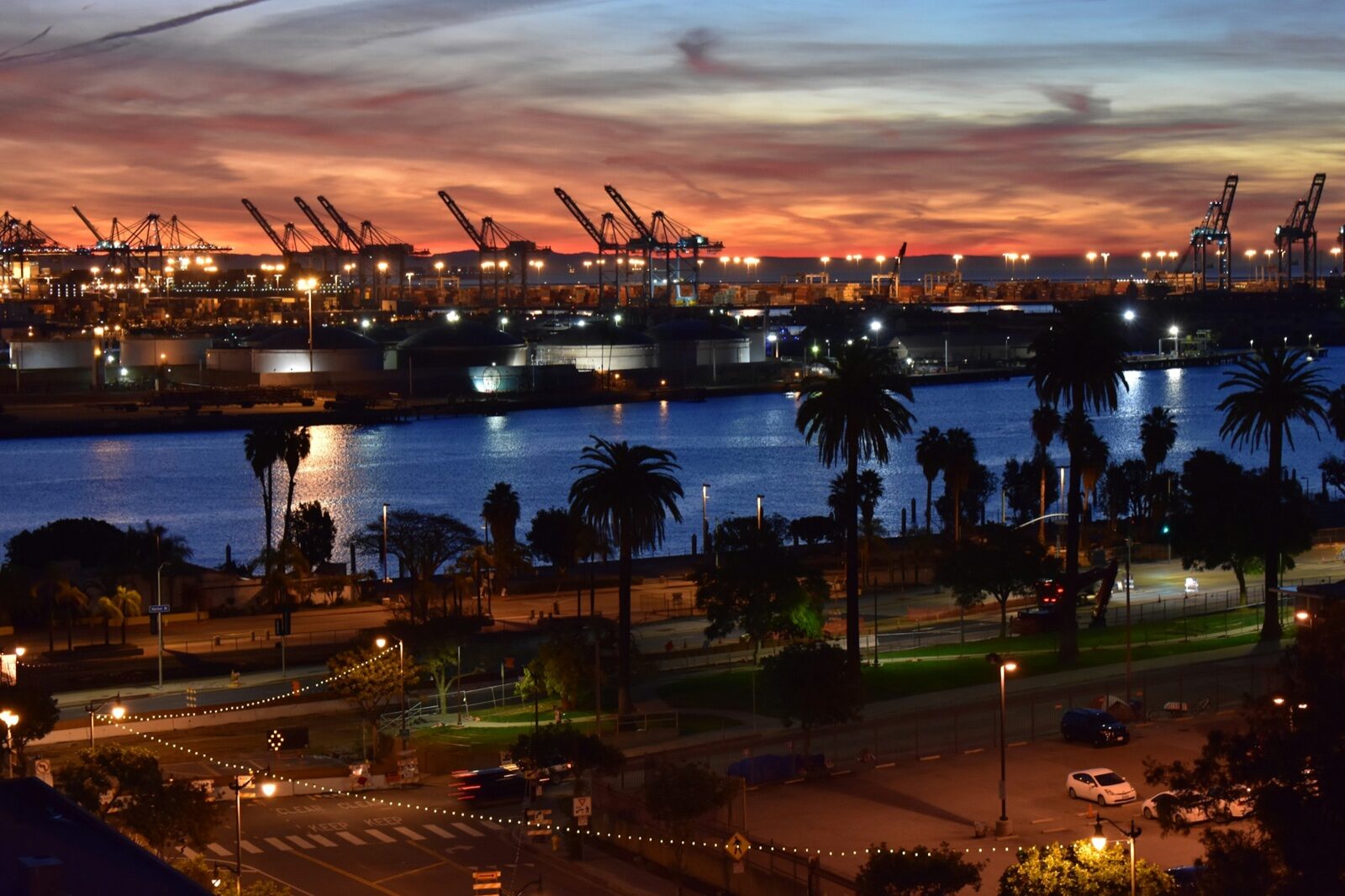
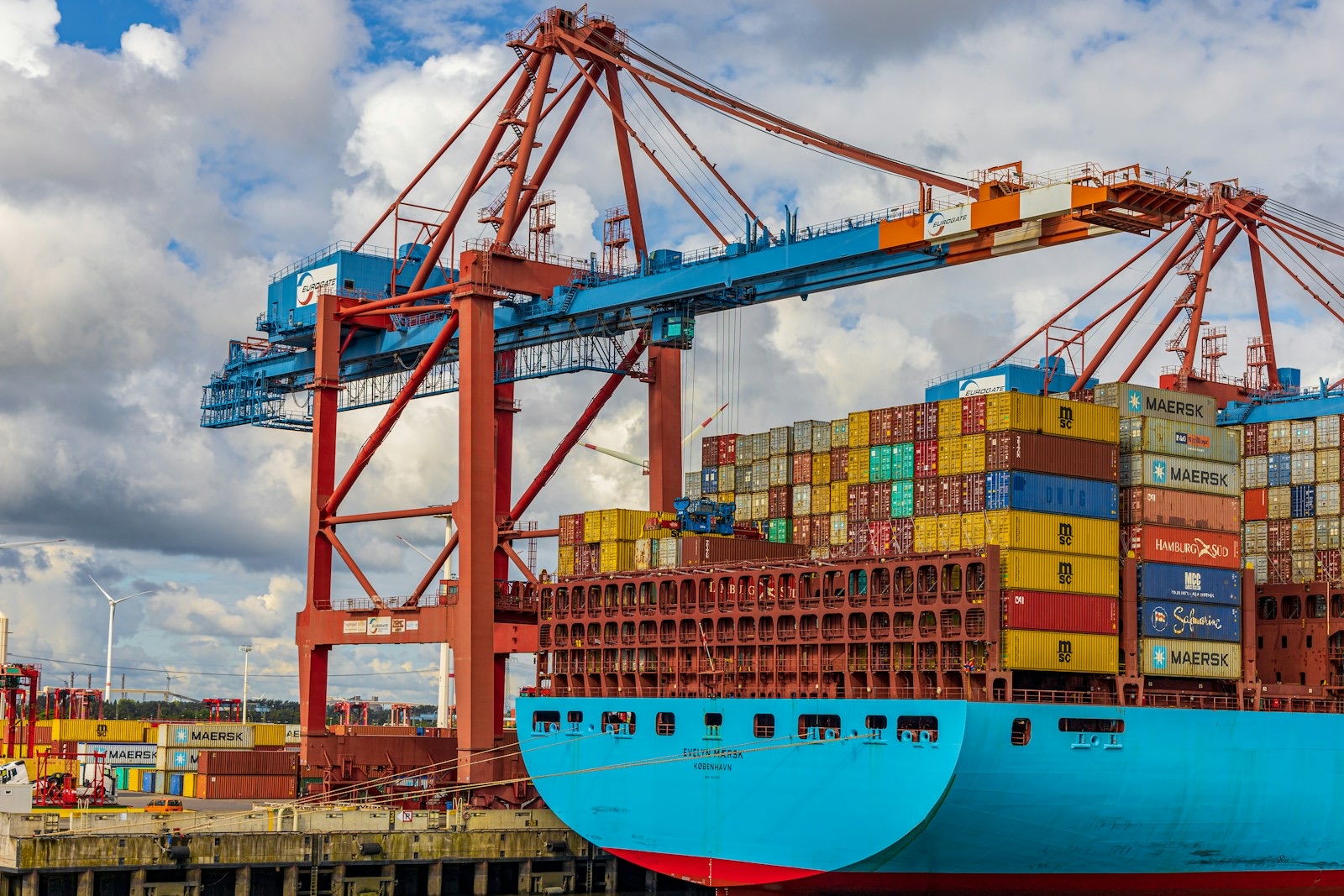
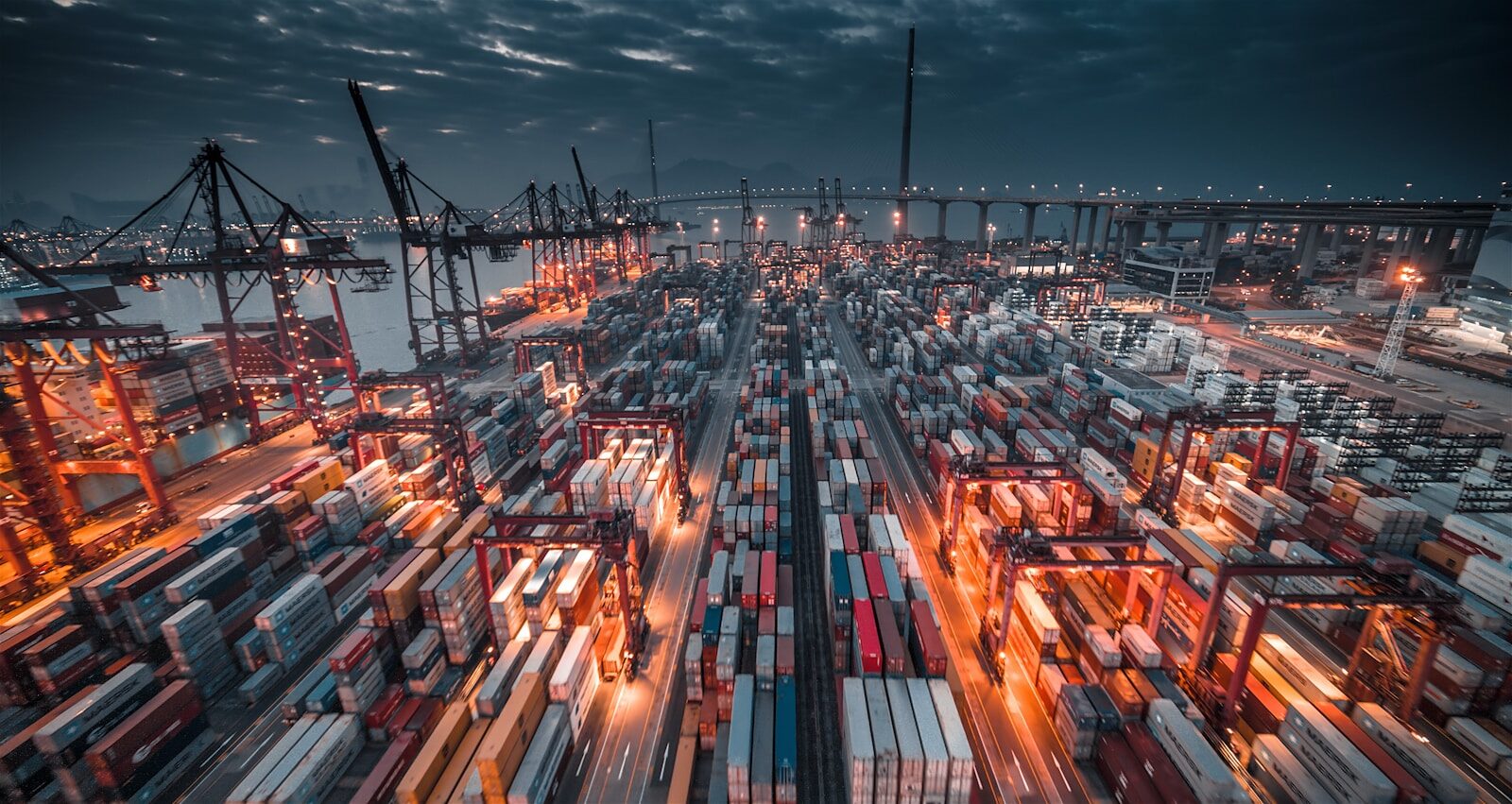
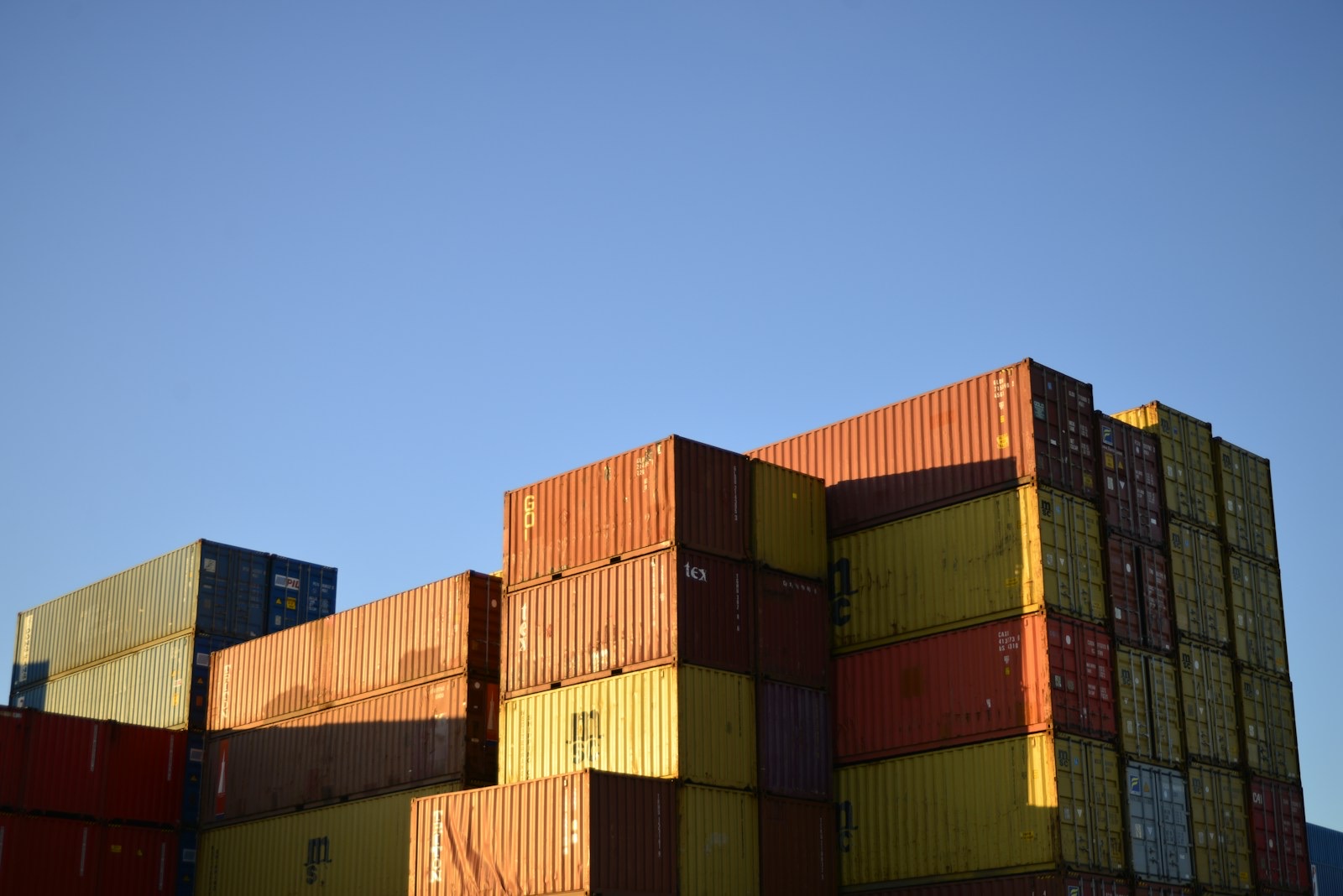
Billions went into berths, cranes and channel depth after the congestion of the early decade. The constraint moved twenty miles inland, to the road and rail that carry a container away from the water.
Enrollment has fallen in most of the country while the buildings, the routes and the pension obligations stayed exactly where they were. Districts are discovering that the cost of educating a child is not the number that matters.
Water law across much of the country was written on the assumption that an aquifer was effectively bottomless and that a landowner's right to pump was a property right. Both assumptions are being retired, unevenly and expensively.
Every payer wants care delivered at home because it is cheaper. The workforce that would deliver it is the least stable in the industry, and the two facts have not yet been reconciled.
Governments across the country are rewriting approval processes after concluding that the gap between funded projects and finished ones is largely administrative.
A generation of operators is retiring off land that has appreciated beyond what a successor can finance. The capital filling the gap has a different time horizon and different intentions.
Caseload standards and staffing reality have diverged far enough that courts are dismissing cases and appointing private counsel at cost. The constitutional obligation is being met with a checkbook.
The regional suppliers that stock fasteners, bearings and safety equipment are being rolled up at a steady clip. The buyers are acquiring something the catalog does not list.
As AI systems become the first stop for research on companies and executives, reputation is shifting from something people perceive to something machines retrieve.
The physician shortage in primary care is no longer a projection. The response taking shape reorganizes who does what, rather than waiting for doctors who are not coming.
Millions of small businesses are owned by people at or past retirement age, and most have no succession plan. The scramble to keep them alive is reshaping local economies.
After years of scraping first and negotiating later, AI developers are building formal licensing pipelines, and content owners are learning what their archives are worth.
After a decade of encouraging local governments to permit more housing, several states have stopped asking. Preemption is producing measurable supply and a federalism fight that has barely started.
For a widening set of manufacturers, the machine is now the customer acquisition cost and the maintenance agreement is the business. The shift is rewriting how these companies are valued.
After years of earning nothing, household savers have become rate shoppers, and the deposit market is behaving like a market again.
Contribution schedules set years ago are now consuming a rising share of state general funds. The squeeze shows up not as a pension crisis but as everything else getting slightly worse.
Declared obsolete for two decades, the press release has instead become the load-bearing document of the information economy, feeding newsrooms, databases and now AI systems.
Procurement departments, tired of negotiating novel terms for every AI vendor, are converging on shared contract language for data handling, evaluation and exit.
Employers battered by health costs are reviving an old idea: putting the doctor inside the workplace, and the modern version is outperforming its ancestor.
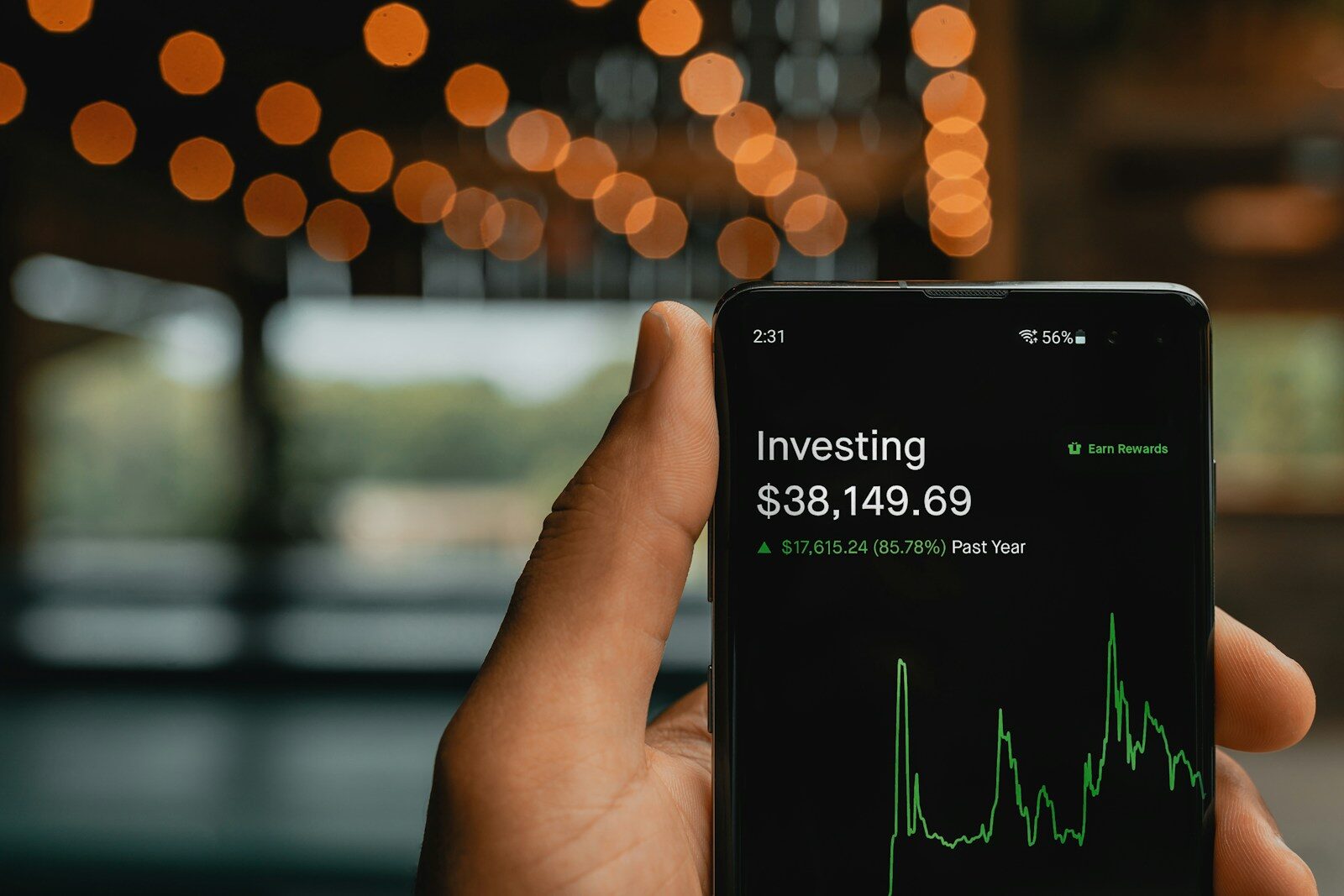
The meme-stock cohort did not disappear when the fever broke. It aged into the most financially engaged retail generation in decades, with the account balances to show it.
In the absence of comprehensive federal legislation, statehouses have produced a growing body of AI law, and companies are complying with the strictest version everywhere.
Employee stock ownership plans spent decades as an ideological argument. They are being reconsidered as something plainer: a buyer who is already on site when no other buyer appears.
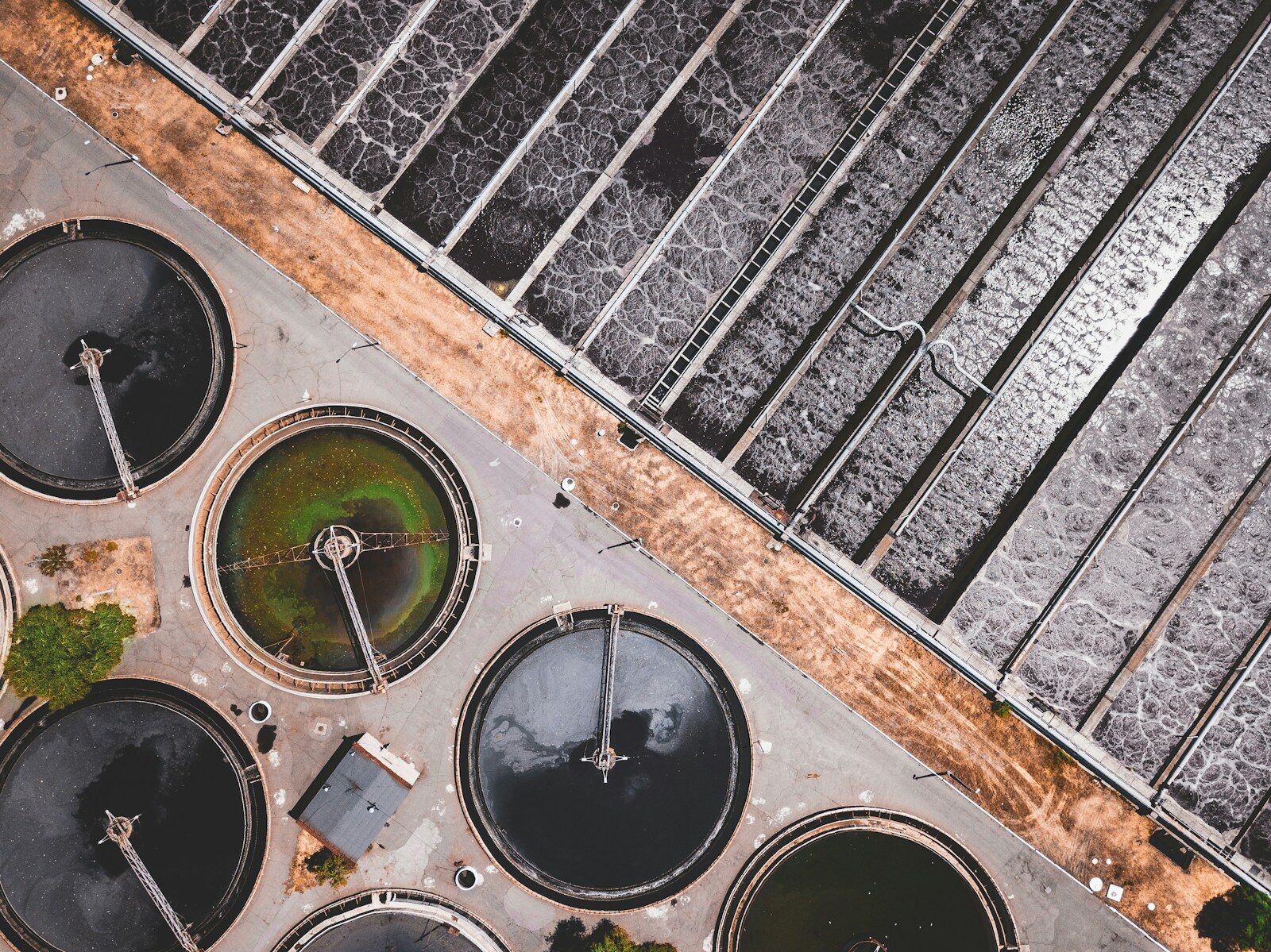
Tens of thousands of small systems have spent a generation postponing pipe replacement. The postponement is ending on its own schedule, and the bill is arriving in towns least able to bond for it.
After years of supply chain speeches, the physical evidence has arrived: factory construction, border logistics investment and trade flows reorganizing around proximity.
After years of renderings and press releases, office-to-residential conversion is producing actual closings, and a repeatable financial template is emerging.
Booking agencies, preparation coaches and clip editors have turned the podcast interview into a supply chain, one that increasingly runs on retainers.