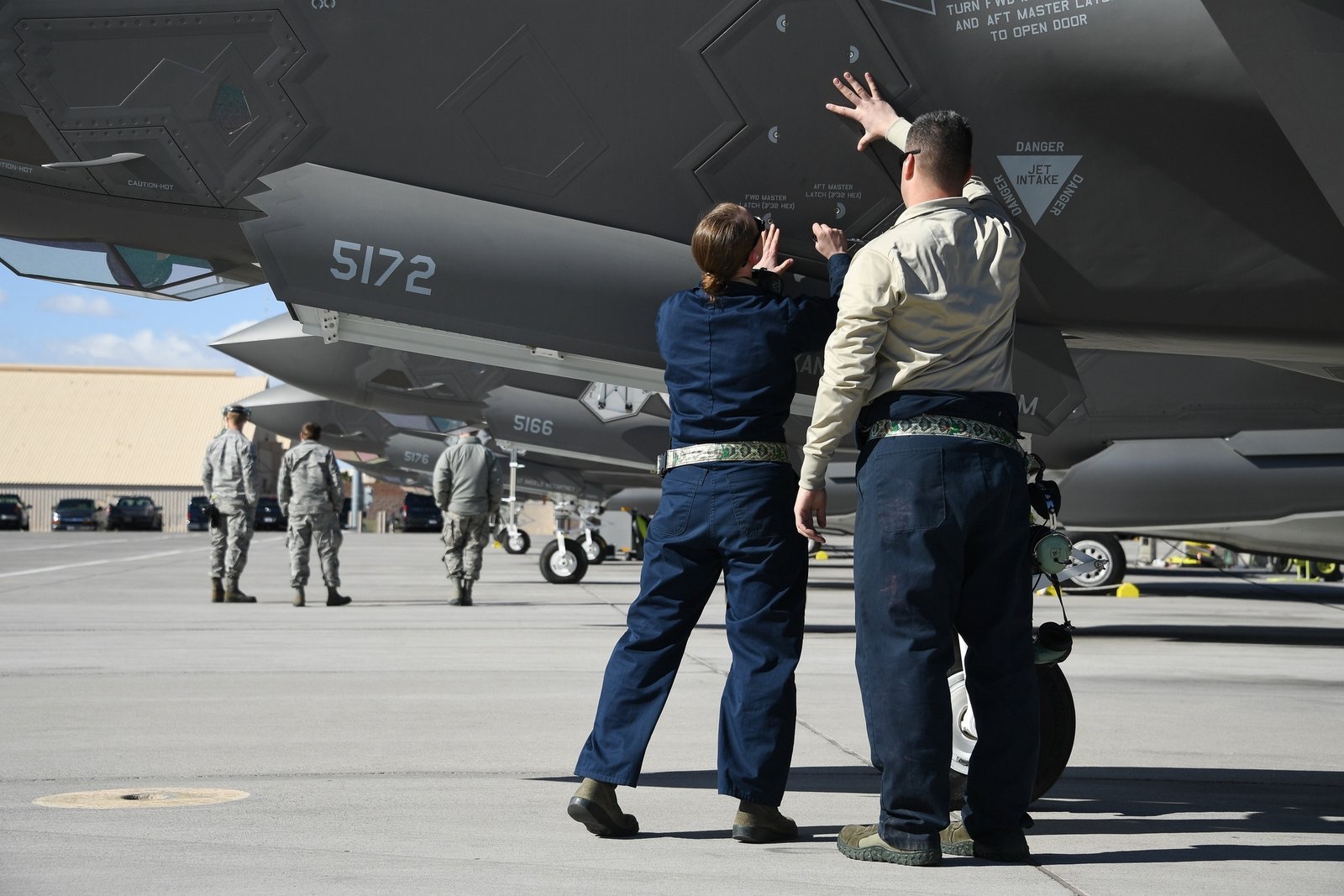
The Pentagon has spent recent weeks signing long contracts for missiles. It may now try one for its most expensive aircraft. Officials and Lockheed Martin are discussing a deal for the F-35 that could last up to a decade and cover both production of the jet and its maintenance, Breaking Defense reported on Friday, citing people familiar with the negotiations. A deal covering both could be worth tens of billions of dollars.
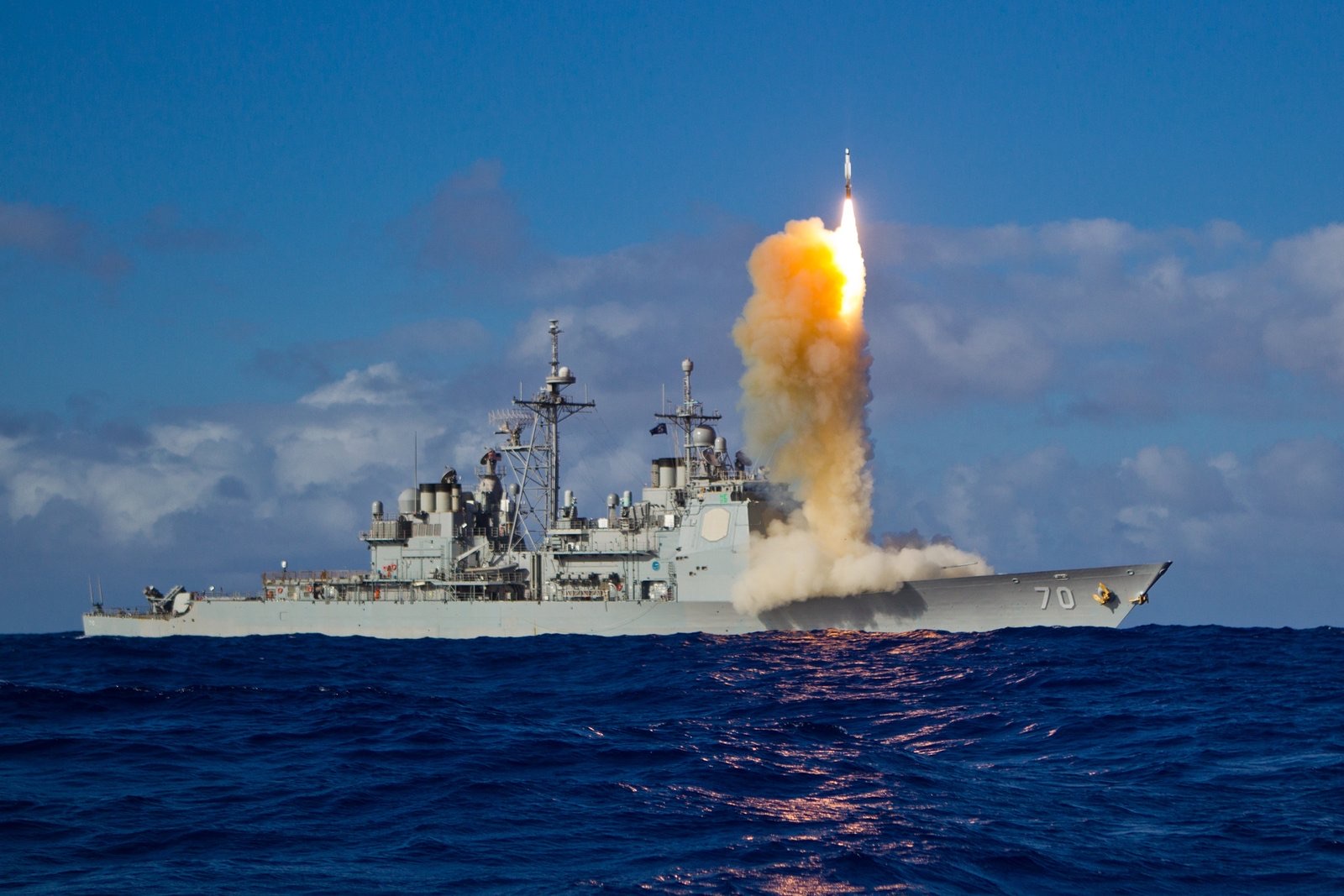
The idea is not new. Officials have weighed a multi-year procurement contract for the F-35 for years. The difference now is that the administration is pushing to use long-term agreements for key weapons, as it has done with Raytheon's SM-3 interceptors this week and with Patriot and THAAD in August.
"There's been talk about a 10-year, multi-year buy that would include the production as well as sustainment," Matt Milas, president of Honeywell Aerospace's defence division, told Breaking Defense in a September interview. Honeywell is a key supplier to the programme.
Not more jets, more parts
A multi-year deal for munitions is about building more of them. This one would not be. The F-35 production rate is expected to remain at 156 jets a year, Milas said, so the main benefit would come on the sustainment side. He said the agreement could include bulk buys of spare parts, with the larger flow of components beginning around the jet's 21st production lot, expected in roughly three years.
"It's more about the sustainment and how do you get more spares and get that bulk buy up front so that you're not going year-to-year or small lots," he said.
The parts are where the fleet is struggling. In June, the Government Accountability Office found that the share of time F-35s could perform at least one of their missions fell from 67 per cent in fiscal 2021 to 44 per cent in fiscal 2025. The share of time they could perform all of their missions fell from 38 per cent to 25 per cent, Air Force Times reported.
The F-35 Joint Program Office wants to reach 80 per cent and 65 per cent by 2030. It estimates that will take $13.7 billion more than previously planned through fiscal 2031, and GAO said the office would rely on the private sector to deliver more than $7 billion in additional parts and material. A 2025 Lockheed study found 48 parts that the supplier base cannot produce in sufficient quantity, including canopies, according to the report.
A contract that commits to years of parts orders is meant to give those suppliers a reason to add capacity, the same argument the Pentagon has made for its munitions deals. Lockheed said in a statement to Defense News in June, Air Force Times reported, that it had recently invested more than $2 billion in advance funding to speed up spare parts.
Congress has said no before
Lockheed has tried for a long sustainment contract before. It pushed for a five-year performance-based logistics contract, which pays a contractor according to outcomes such as readiness, and at one point company officials were confident one would be agreed by the end of 2023, according to Breaking Defense. Lawmakers required the Pentagon to certify that such a deal would cut maintenance costs or raise readiness, and officials could not clear that bar.
"A multi-year performance-based contract is still in discussion. I wouldn't necessarily call it a PBL," Dina Halvorsen, Lockheed's vice president of F-35 global sustainment, told reporters on 14 September. "We are looking at advocating for a multi-year agreement for sustainment on the F-35 program."
The person familiar with the negotiations was sceptical. They described the proposal as a performance-based contract by another name, doubted that Lockheed could show long-term savings, and said multi-year buying made more sense for munitions than for aircraft, partly because parts of the F-35's modernisation are still in development.
The incentives Lockheed has been paid so far will not help its case. GAO found that from 2020 through 2023 the programme office paid Lockheed more than $114 million of about $269 million in available incentive fees tied to readiness and parts supply, even as both measures generally stagnated or worsened. In 19 of 39 performance periods, the office and Lockheed adjusted the recorded full mission capable rate upward, citing factors outside the company's control.
Lockheed said in a statement to Breaking Defense that it continues to advocate a multi-year approach to give the F-35 supply base more stability. "As demonstrated with other successful programs, this would enable predictable production rates, cost efficiency, and continuous modernization essential to maintaining air superiority and warfighter readiness," the spokesperson said. The Joint Program Office and the Pentagon declined to comment on the negotiations.
What the bills allow
The Senate Armed Services Committee's version of the fiscal 2027 defence authorization bill would let the Pentagon sign multi-year procurement contracts for the F-35. The House version has a similar provision with guardrails. It would require the defence secretary to certify that a contract includes the full complement of initial spare parts and alternate mission equipment for each aircraft, and the Pentagon would have to show savings of at least 5 per cent.
Neither version explicitly mentions a multi-year sustainment agreement, Breaking Defense noted, which could leave a key piece of the proposal unresolved. It is also unclear whether production and sustainment would be signed as one deal or two, or over the same length of time.
Sustainment is the bigger prize. The F-35 programme is expected to run into the 2080s, and sustainment accounts for a vast portion of its lifecycle cost estimate of nearly $2 trillion. More than 1,000 jets have been delivered. A contract that fixes how parts are bought for ten years would shape that cost more than any single production lot, which is why Lockheed wants one and why Congress has so far insisted on proof before granting it.
The negotiations, their possible length and value, the quotations from Matt Milas, Dina Halvorsen and the Lockheed Martin spokesperson, the views of the unnamed source, the planned production rate, the history of the performance-based logistics proposal, the provisions of the House and Senate defence authorization bills, the programme's lifecycle cost estimate and deliveries are as reported by Breaking Defense on 9 October 2026. The readiness rates, the Global Support Solution Reset and its cost, the parts shortages, and the incentive fee findings are from the Government Accountability Office's report as reported by Air Force Times on 12 June 2026. Lockheed Martin's response was given to Defense News and is as reported by Air Force Times the same day. The analysis is our own.
Topics businessdefencemulti-year procurementgao