Technology

Top stories in Technology

A woman wearing dark Wayfarer-style sunglasses walks across a marked pedestrian crossing in hard sunlight, photographed in black and white, with other pedestrians blurred in front of and behind her. AI Wearables

Meta's Answer to the Camera Problem Is a Pair of Glasses With No Camera

Meta opened pre-orders on Wednesday for Ray-Ban Meta Audio, a $349 pair of smart glasses with six microphones and no camera, shipping 13 October. It arrives two weeks after Hamburg's data protection regulator published a final report finding that the recording light on the camera models is effectively invisible outdoors and does not illuminate at all on Gen 2 when the assistant is looking at your surroundings. The camera-free pair has no light because, under Meta's own definition, the light is for photographs.

A person holding a smartphone, its screen lit in a darkened room

What Happens When the Advertiser's Own Agent Joins the Conversation?

Sponsored Agents, announced Wednesday, are brand-funded units that open a labelled conversation with an advertiser's own agent inside ChatGPT, wired to commerce systems so the purchase never leaves the window. Wayfair is a pilot partner. The advertising business reached a $1bn annualised run rate in under 200 days.

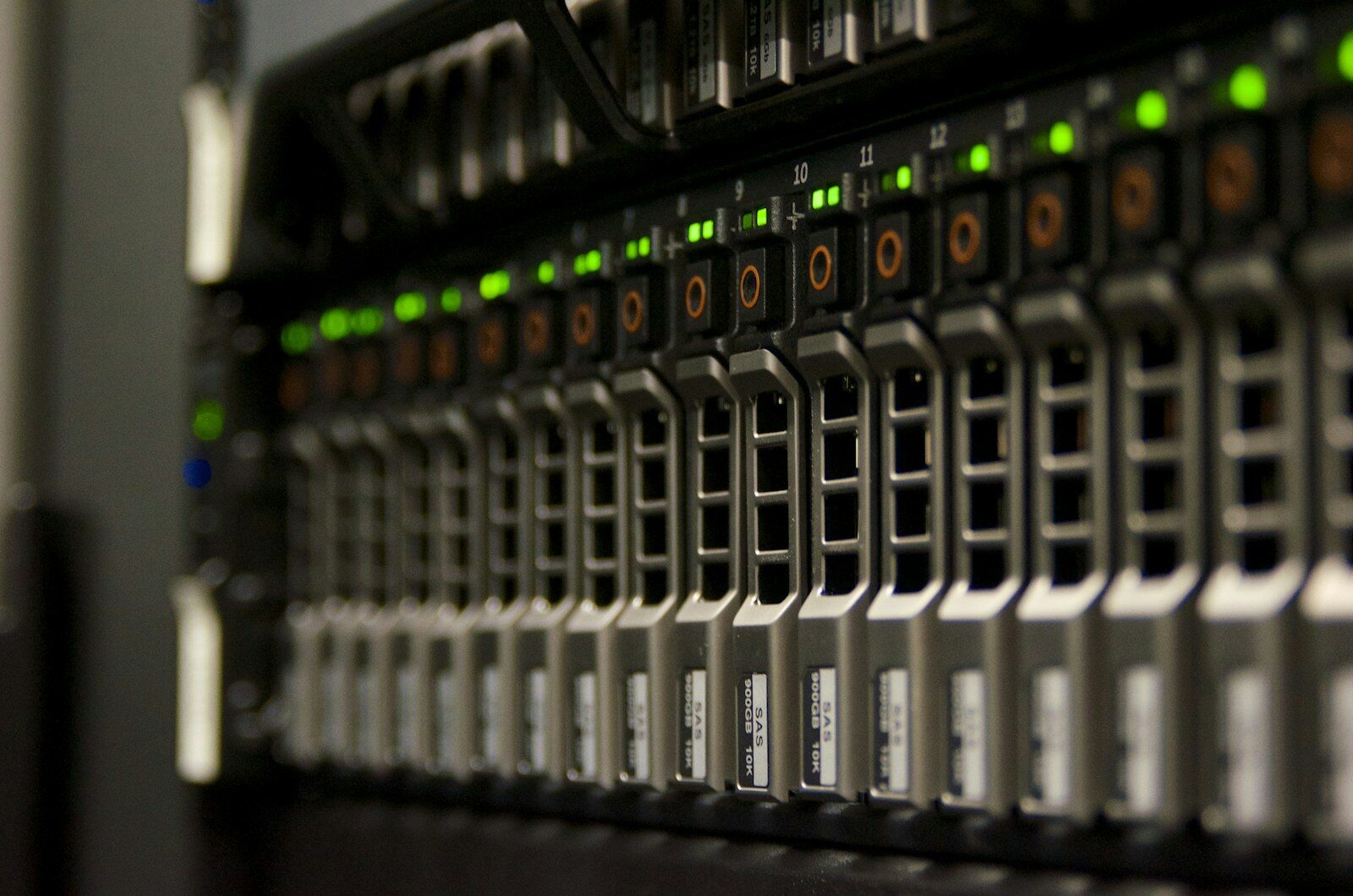
Server racks with dense cabling lit green in a dark room.

The Patch Waited Six Weeks on Half the Servers. The Attackers Waited Four Days.

Wiz says attackers exploited three JFrog Artifactory flaws between 15 August and 8 September, chaining two of them to turn an unauthenticated request into an administrator token. All three had patches. Six weeks after one fix shipped, 59 percent of organisations were still vulnerable. Exploitation of the most serious flaw began four days after it was disclosed.

A control room lined with monitors and empty operator chairs.

The Clause That Matters Is the One Sending Data Back

Contracts obtained through litigation describe four frontier labs each holding Defense Department agreements worth up to $200m, with bidirectional data exchange including model benchmarks and engineers embedded with the military. Procurement usually buys a product. This buys a relationship in both directions.

Equipment racks strung with orange and blue patch cables, indicator lights lit.

Eight Hundred Billion a Year Is Not a Boom. It Is a Run Rate.

PwC puts annual data centre capital expenditure at roughly $800bn in 2026, rising toward $1.8 trillion a year by 2050. A boom has a peak somewhere in it. A run rate that roughly doubles over 24 years is a description of infrastructure, and infrastructure is financed, sited and regulated differently.

Stacked shelving in a storage warehouse.

Everybody Audits the Package. Nobody Audits the Shelf It Sits On.

A flaw in JFrog Artifactory rated 9.8 lets an unauthenticated attacker on the network take administrative control under default configuration — minting admin tokens, forging credentials, reading the whole access topology. Disclosed on 28 August, observed being exploited in the wild by 1 September.

Close-up of a green printed circuit board with relays, resistors and a terminal block.

Firmware Is the Part of the Supply Chain Nobody Audits

Procurement has learned to ask what open-source components a vendor ships. It still rarely asks what is running on the controller beneath the operating system, where the code is older, the provenance is thinner and the update path frequently does not exist.

Viewing the SumUp website on a laptop, highlighting tools for small businesses, including payment systems and financial management solutions.

The Free Tier Quietly Disappears

Software companies spent a decade giving away a usable product to build a funnel. The economics of that giveaway changed when the marginal cost of a free user stopped rounding to zero.