
The Local Festival Becomes an Economic Development Line Item
Towns that once treated the annual festival as a civic nicety now fund it from economic development budgets and measure it accordingly. The measurement is where the trouble starts.
Independent Business, Technology & Culture
Sunday, August 16th, 2026 105 stories Independent & Reader-Supported
Towns that once treated the annual festival as a civic nicety now fund it from economic development budgets and measure it accordingly. The measurement is where the trouble starts.
Regional sports networks were the last thing holding a large number of cable subscriptions together. As teams take distribution into their own hands, the arrangement underneath is coming apart.
Dropping degree requirements began as a tight-labor-market expedient. Several years of retention and performance data have turned it into policy.

The easy miles are wired. What remains are the households that made the economics impossible in the first place, and the programs now confronting them.
A generation of franchise owners is heading for the exits, and a new class of buyers, many of them corporate refugees, is lining up to take over proven units.
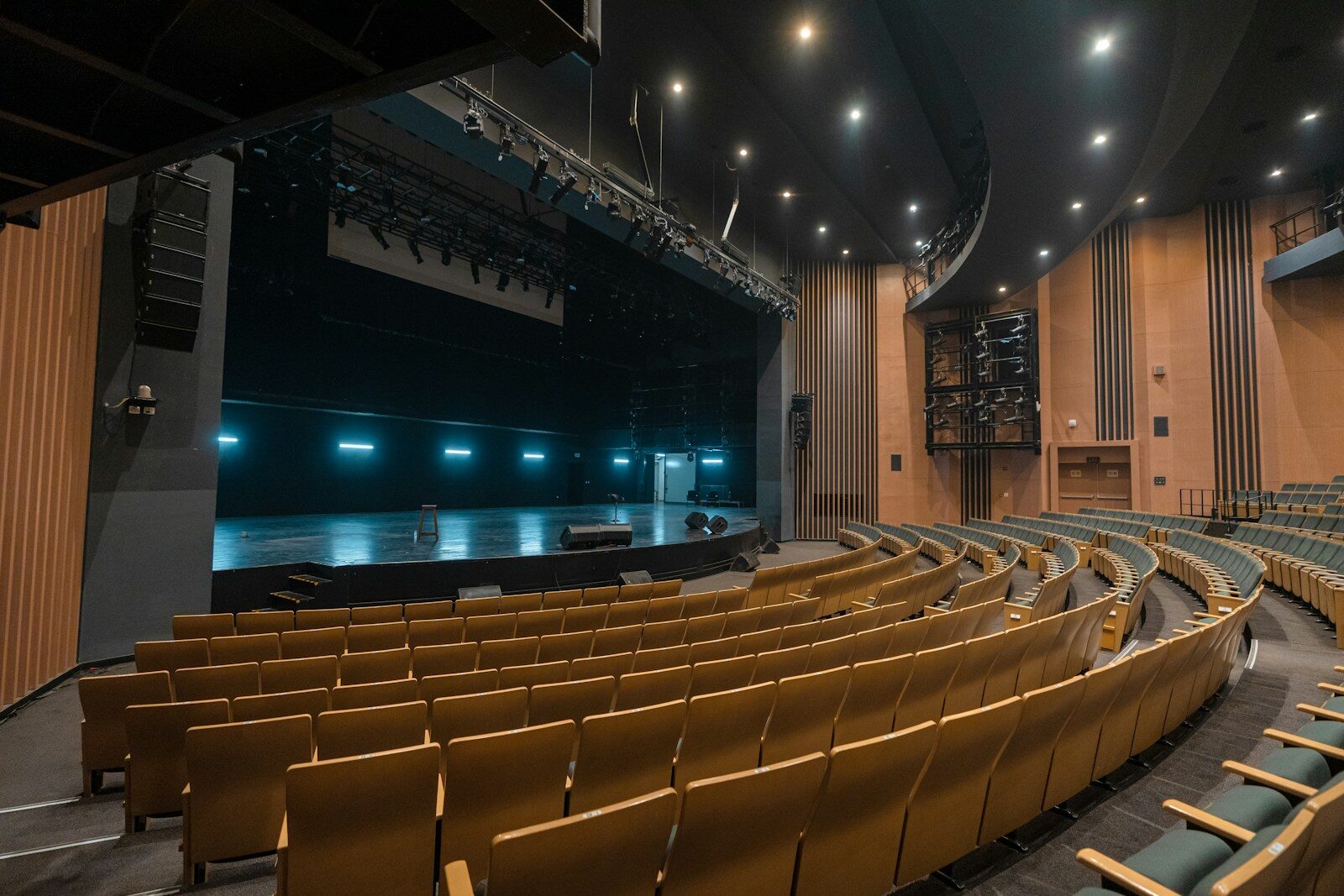
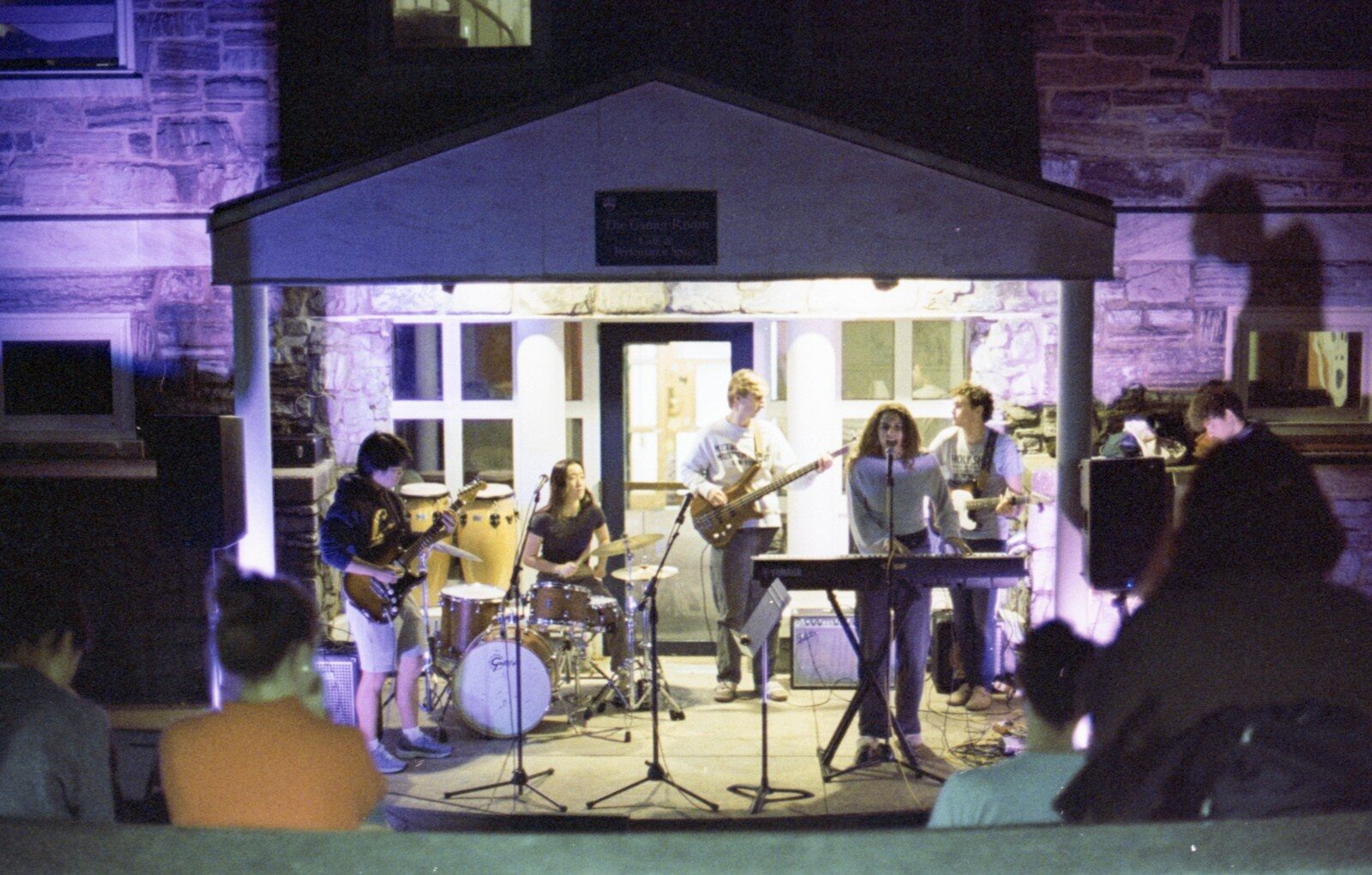
Touring economics hollowed out the rung between the bar and the arena. The rooms rebuilding it are doing so with nonprofit structures, civic support and business models borrowed from theatre.
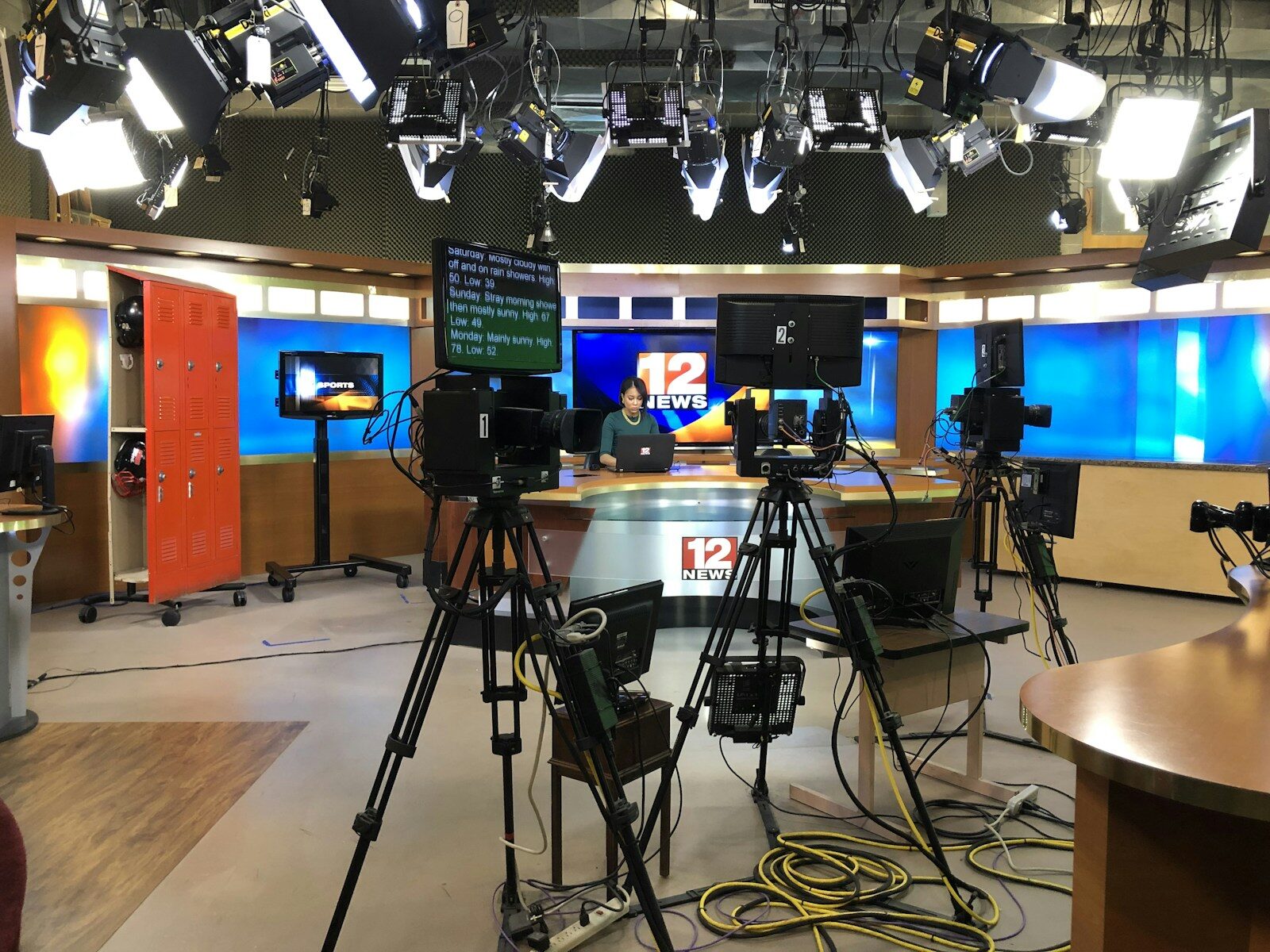
A single operator with a camera, an editing suite and a beat is becoming the dominant local video news format, and the economics finally work.
In a large number of metropolitan areas the working-age population grew for one reason only. Employers and local governments are now doing arithmetic they had not previously had to do.
Travel teams, private coaching and pay-to-play facilities have built a multibillion-dollar industry on childhood athletics, and the sandlot is the casualty.
Solo publications and small newsrooms are multiplying, powered by cheap tools, direct payment rails and an advertising market that finally learned to buy small.
The search for a single currency of audience measurement has been abandoned in practice if not in rhetoric. What replaced it is messier, more honest and better suited to how media is actually consumed.
Resale stopped being where people shopped when money was short and became a channel with its own standards, pricing and clientele. The brands that fought it are now operating it.

Chain closures have moved the access problem into cities, where the affected neighborhoods have transit rather than distance working against them. The economics behind the closures are not local.

The systems running banks, insurers, states and hospitals are older than the people maintaining them. The modernization wave has finally started, forced by retirements rather than ambition.
Narrow, unglamorous and indispensable to the people who read them, business-to-business titles have proven more durable than the consumer publishing that once looked down on them.
Produce prescriptions and medically tailored meals are entering mainstream insurance coverage, backed by the least surprising research finding in healthcare.
The smallest shows with the most specific audiences are commanding the strongest ad economics in podcasting, and the money is reorganizing around them.
Adults are enrolling in evening classes at rates not seen in decades, but the subjects, the venues and the reasons have all changed.
Mid-sized employers, squeezed by renewal increases, are contracting directly with flat-fee primary care clinics and cutting insurers out of the first layer of care.
In mid-sized American cities, glossy local magazines are being revived by owners who treat them less like media businesses and more like civic institutions with ad pages.