The secondhand market used to be organized around a single proposition, which was price. Whatever the item was, the reason to buy it used was that it cost less, and the experience was arranged accordingly: unpredictable inventory, no guarantees, and a social meaning nobody was especially eager to advertise.
That proposition has been substantially replaced. A large and growing share of resale now competes on selection, authentication and provenance, and a meaningful portion of it is not cheaper than buying new.
Authentication built the market
The change that made this possible was unglamorous. Resale at scale was limited by the buyer's inability to verify what they were purchasing, which capped both the value of goods traded and the price anyone would pay. Platforms that invested in authentication, condition grading and consistent description removed that ceiling, and value migrated upward almost immediately.
Once the category could support high-value goods, it acquired the apparatus of a real market: reference prices, comparable sales, and a class of seller who buys with resale value explicitly in mind. That last development is the most consequential, because it changes the original purchase. A buyer who knows an item holds value is making a different calculation than one treating it as consumption.
Brands passed through the standard sequence. They ignored resale, then opposed it as a threat to margin and brand control, then noticed that a strong secondary market supports primary pricing rather than undermining it, and that the resale platform holds data about their customers that they do not. A growing number now operate their own programs, take trade-ins, and authenticate their own goods on the secondary market.
The cultural shift running alongside is the one that makes it durable. Buying used has moved from a signal of constraint to a signal of discernment, particularly among younger consumers for whom the environmental argument and the taste argument point the same direction. That is the same repositioning that turned repairable products from a niche preference into a viable commercial stance, and it operates on the same underlying claim: that a well-made thing kept in service is better than a new one.
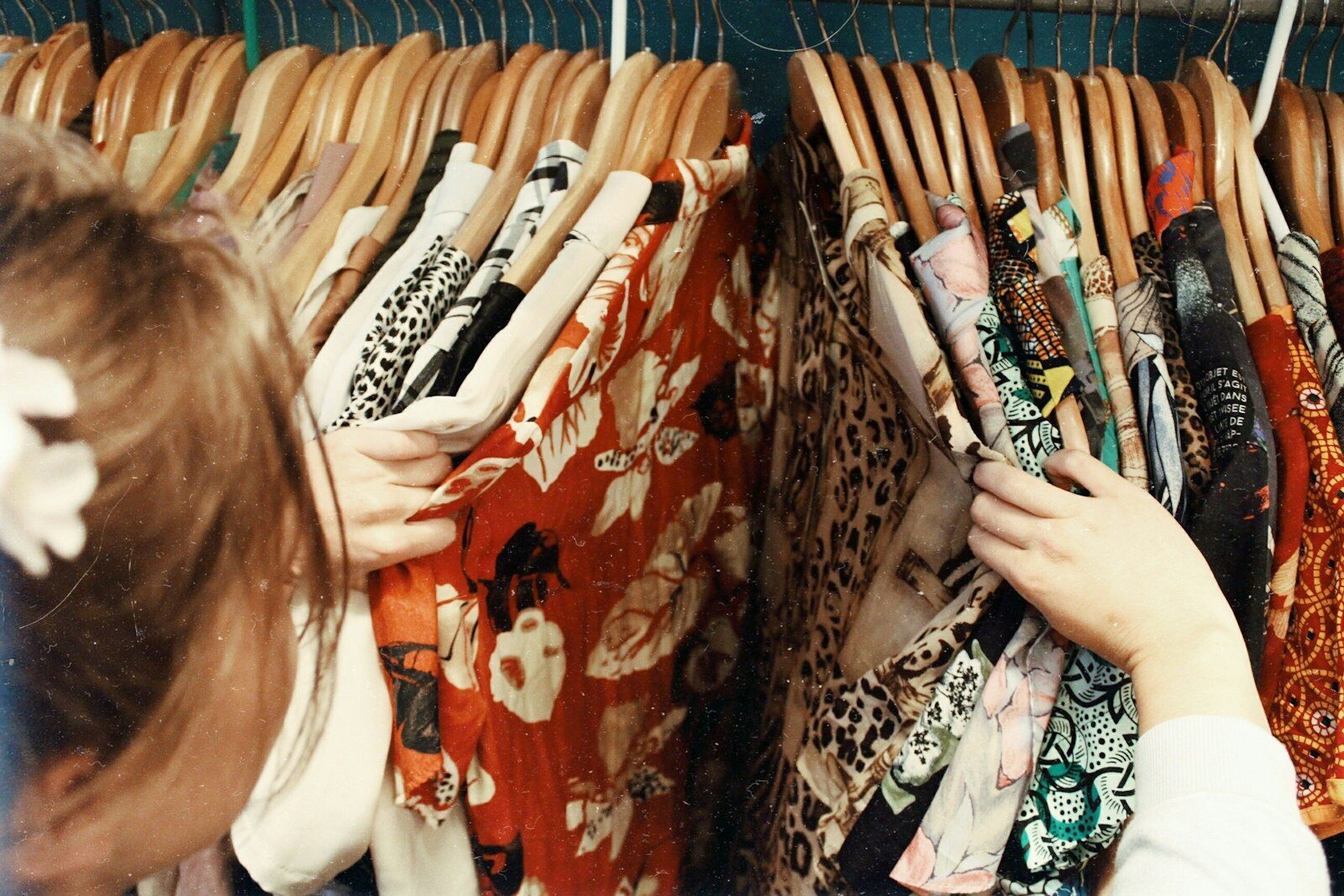
For physical retail it has been a genuine opportunity. Resale is inherently a browsing experience, since inventory is unique and cannot be searched with confidence, which makes it one of the few categories where a store does something a website cannot. That fits directly into the belonging strategy retailers have been pursuing, and vintage and consignment shops have anchored more than a few commercial districts on exactly that basis.
The category has also become a genuine small business channel. Sellers operating at professional volume now account for a meaningful share of listings, with inventory sourcing, pricing discipline and the treasury habits of any other small merchant, which is a considerable distance from the weekend closet clear-out the platforms were built for.
The tension the sector avoids discussing is that its environmental case weakens as it succeeds. Resale reduces impact when it displaces a new purchase. When it instead enables faster turnover, buying more because it can be sold on, the accounting is much less favorable. The market has grown by making that turnover easy, which is a commercial achievement and not obviously the same thing as the story it tells about itself.
Earlier Cranberry Journal coverage traced a parallel shift in ownership and care in The Serious Hobbyist Economy Comes Into View.
Topics cultureretailconsumersustainability