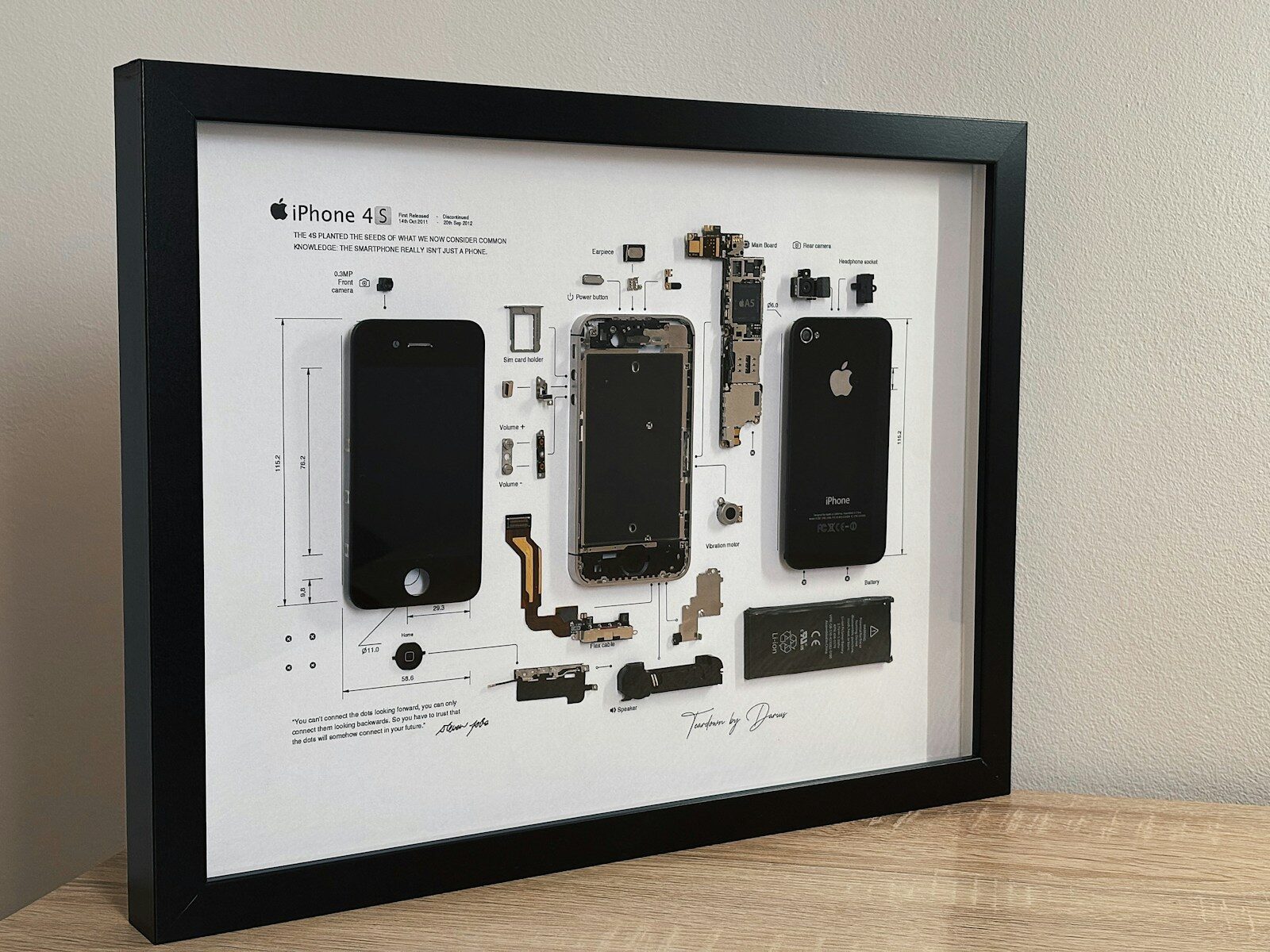
The repairable device spent years as a moral category, championed by advocates, tolerated by regulators, ignored by the market. The market has changed its mind.
Modular laptops with user-replaceable everything have moved from crowdfunded curiosity to credible category. Major manufacturers now publish repair manuals, sell parts directly and advertise battery replaceability, claims that would have been unthinkable in the glued-shut era. Repair scores appear on retail listings in a growing number of jurisdictions, and products with good scores are converting better.
The economics behind the conversion
Three forces aligned. Legislation forced parts and documentation into the open, removing the manufacturer's ability to monopolize repair. Secondary markets matured, making resale value visible at purchase time, and repairable devices hold value dramatically better. And device lifecycles stretched as performance gains flattened, so a machine worth keeping five years became worth fixing in year three.
Manufacturers discovered the model works for them too. Parts, service plans and certified refurbishment are recurring revenue with margins that rival accessories, and a customer who repairs stays in the ecosystem rather than shopping the replacement cycle.
The losers are business models built on planned succession rather than planned durability. The winners include an unexpected constituency: corporate IT departments, which buy in fleets, measure total cost of ownership and have concluded that the repairable machine is simply cheaper. When procurement and idealism agree, the argument is over.
The same repositioning has carried the secondhand market upmarket, where buying used signals discernment rather than constraint and increasingly is not cheaper.
Topics technologysustainability