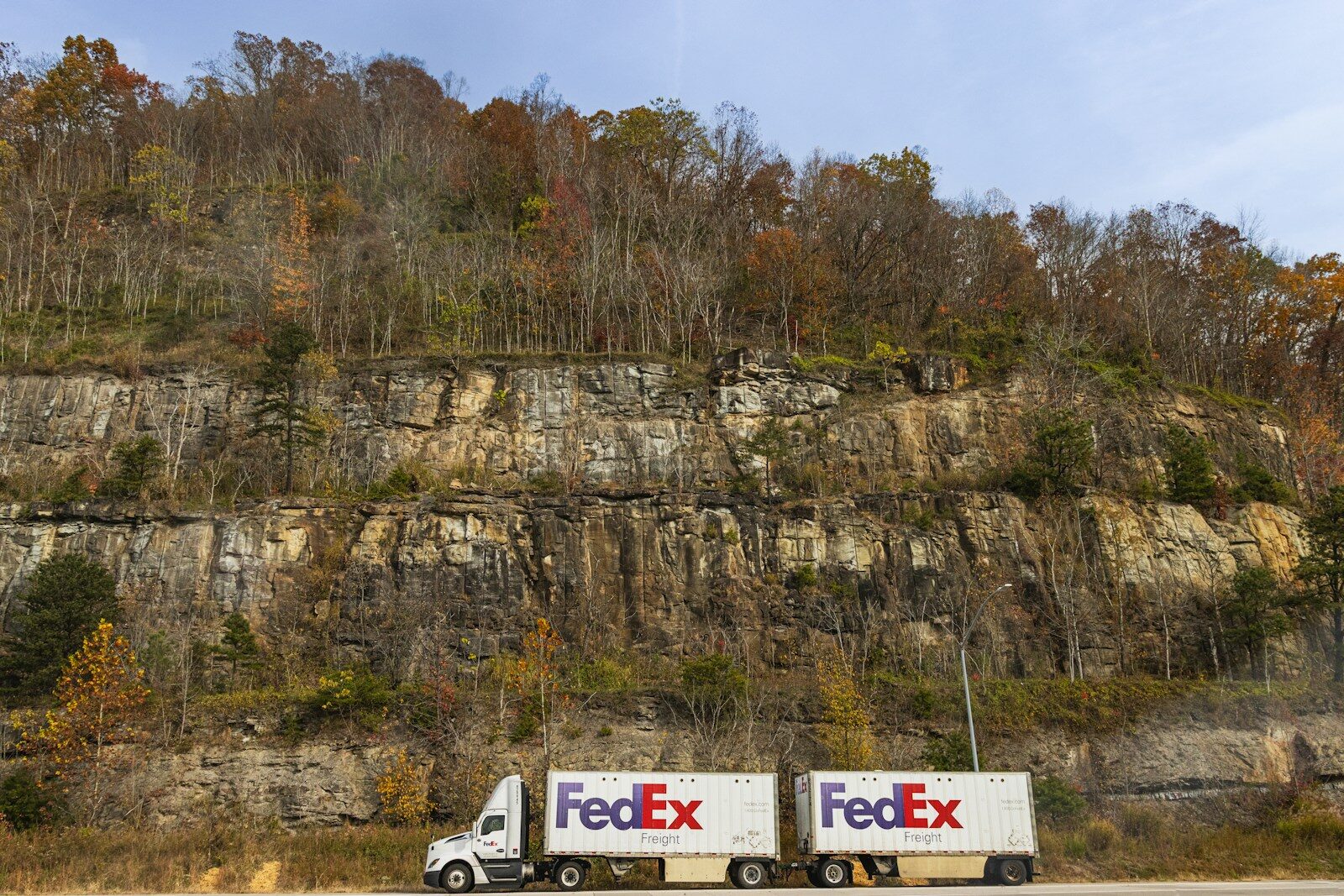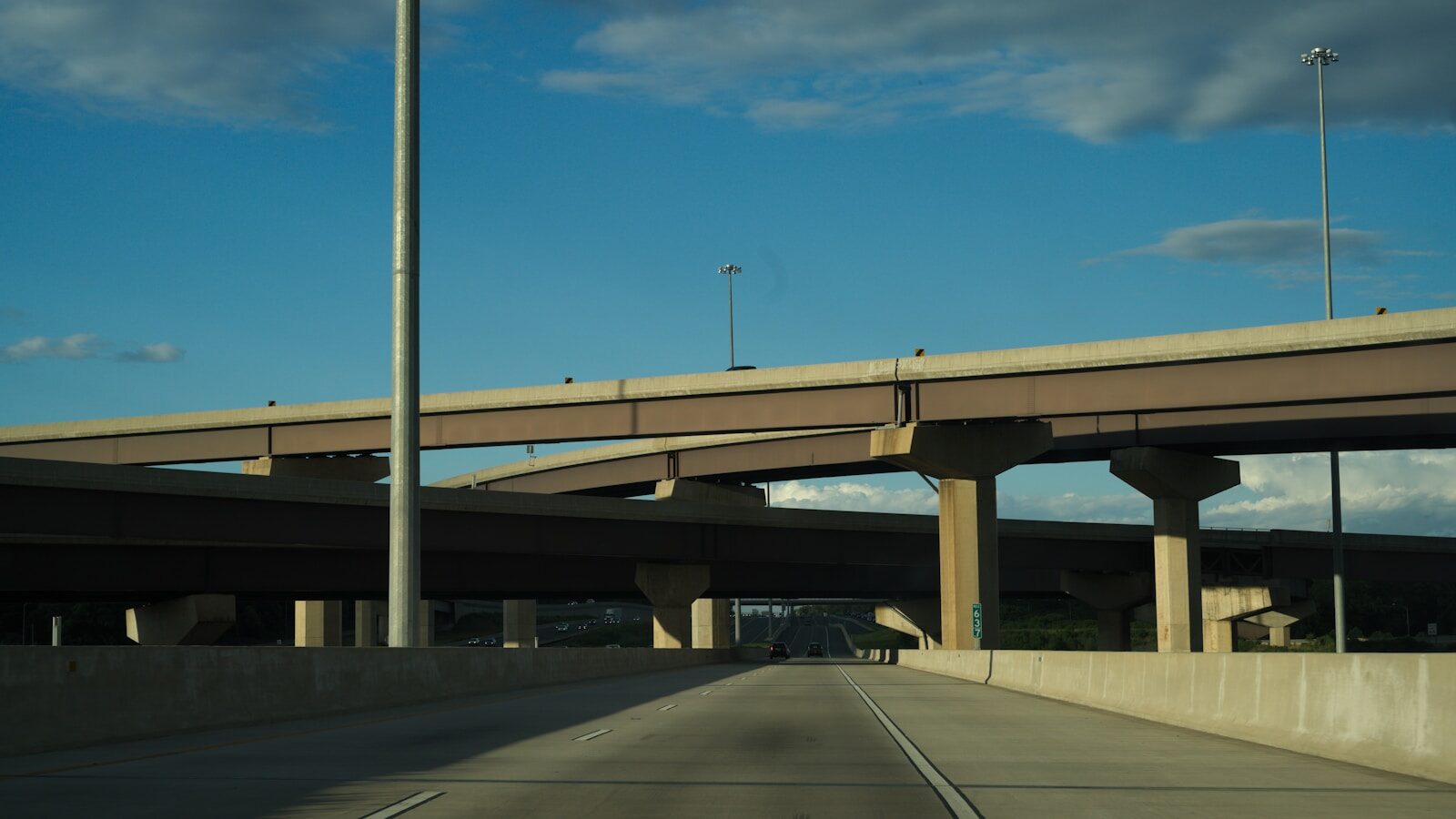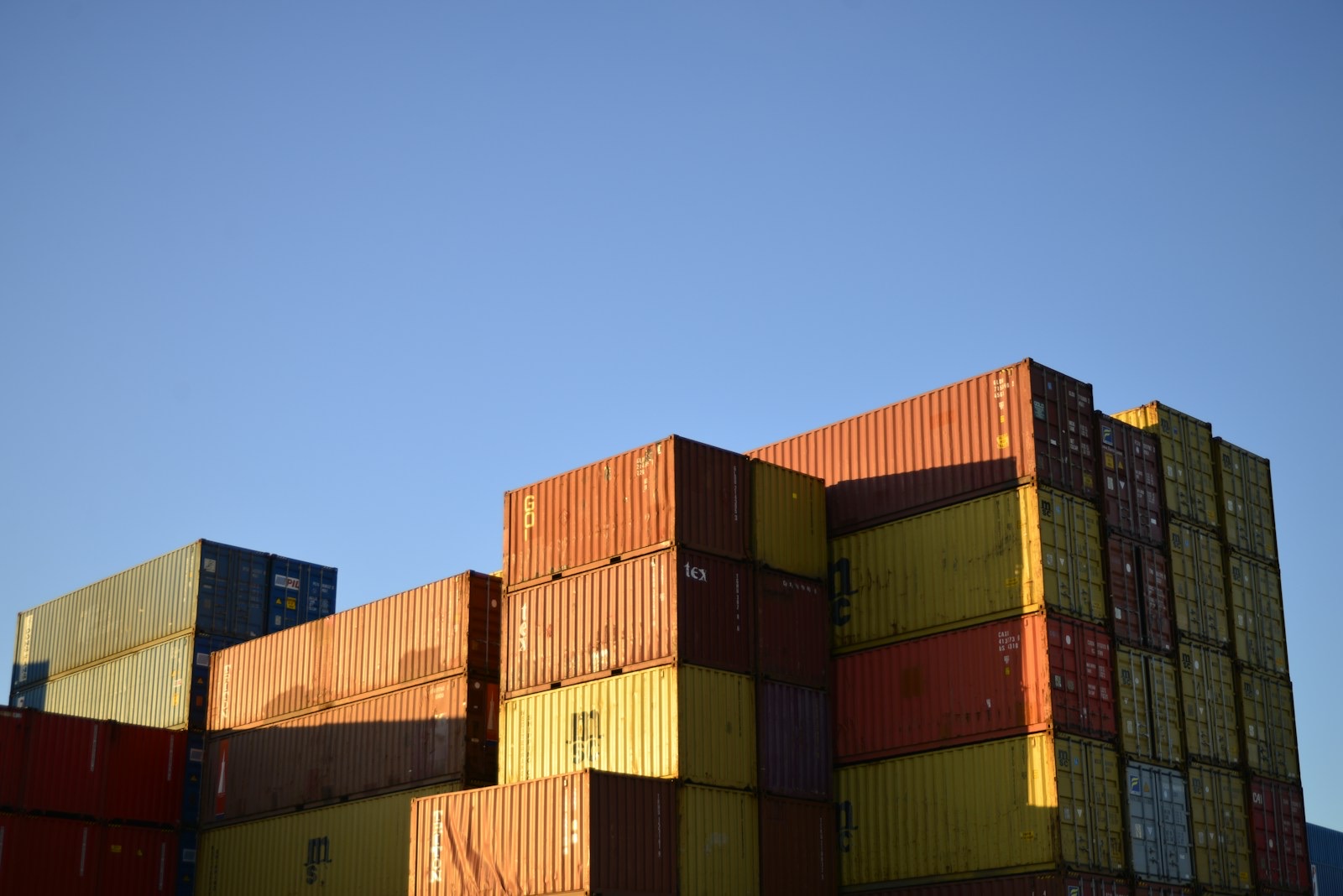
The congestion that made ports a national story earlier this decade produced exactly the response the reporting called for. Berths were deepened, cranes were ordered, gate hours were extended, and appointment systems replaced the queue of trucks idling on the approach roads.
It worked. Vessel dwell times at the major gateways are back to something a scheduler would recognise as normal. What did not work is everything that happens after a container touches the ground.
The constraint moved, and nobody moved with it
A port is a transfer point, and a transfer point is only as good as what it transfers to. The road network feeding most American terminals was laid out for a fraction of current volume, the rail connections were built when the freight mix was different, and the warehouses that used to absorb surges have been pushed further out by land prices.
So the box comes off the ship on schedule and waits. It waits for a chassis, then for a drayage driver, then for a slot at a warehouse that is running at capacity because the warehouse's own outbound is constrained by the same roads. The delay did not disappear. It relocated to somewhere with no camera on it.
The measurement problem follows the physical one. Port authorities publish dwell times because dwell times are what they control, and those numbers now look good. Nothing in the public data captures the interval between a container leaving the terminal gate and reaching the shelf it was ordered for, which is the interval a retailer actually experiences.
State transportation departments are the ones holding the bill, and they are holding it with a revenue base that is eroding under a fuel tax written for a different fleet. Heavy trucks impose most of the pavement damage on these corridors and pay a fraction of the cost of repairing it, which was a tolerable asymmetry when volumes were lower and is not one now.
The projects that would fix it are unglamorous and slow: grade separations, last-mile rail spurs, truck-only lanes on a handful of connectors. Several have been funded for years. What they have not been is permitted, staffed and built, which is the same execution gap showing up in a different sector.
The demand side is not helping. Companies that moved production closer to their customers have shorter and more frequent inbound flows, and that freight lands on exactly these corridors rather than on the ocean legs the investment addressed.
Drayage is where the labour side of it bites. The short-haul move from terminal to warehouse pays badly relative to the hours it consumes, much of which are spent stationary, and the drivers who do it are largely owner-operators absorbing the cost of that waiting themselves. Turn times lengthen, the economics worsen, and the pool of people willing to do the work thins — which lengthens turn times again. Several terminals now pay detention after a threshold, which compensates the driver without producing a single additional lane.
There is a version of this that resolves quietly, where volumes plateau and the network catches up. The version the freight planners describe privately is less comfortable: the money went to the part of the system that could be photographed, and the part that could not is now the one that decides whether anything moves, and Europe has the same problem at the loading point rather than the berth.
Topics nationalinfrastructurefreightlogisticsstate government