For a small company without a banking relationship worth the name, equipment finance has been the one door that stayed open. The logic was simple enough that it survived several credit cycles: the lender is not really underwriting the borrower, it is underwriting the machine, and the machine can be repossessed and sold.
That logic is being re-examined, and the re-examination is not going well for the borrower.
Residual value was an assumption, not a measurement
The whole structure rests on a number nobody verified often: what the asset is worth two, three, five years in. Lenders carried residual assumptions built during a long stretch when used equipment held value remarkably well, because supply was tight and replacement cost kept rising.
Both of those conditions have softened in several categories at once. Auction results for certain classes of construction and transport equipment have come in below book, and a lender discovering that its recovery assumption was optimistic does not adjust that one file. It adjusts the whole portfolio's advance rates, which is felt by every applicant afterwards.
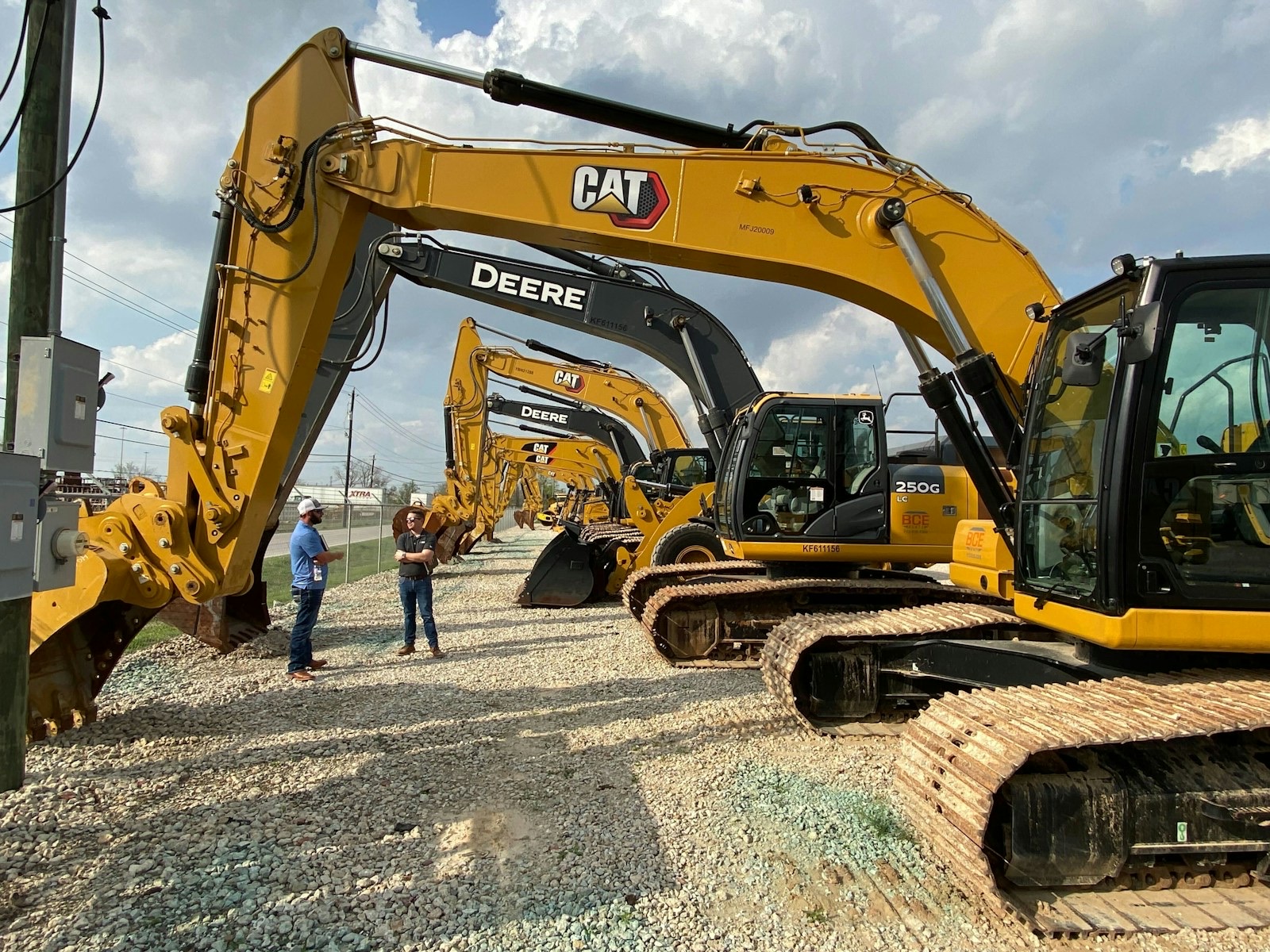
The tightening is not uniform and that is the part worth watching. Assets with deep, liquid secondary markets — over-the-road trucks, common yellow iron — are still financed close to the old terms. Anything specialised, anything where the resale market is a handful of buyers who all know each other, has repriced sharply. A machine shop financing a five-axis mill is discovering that the narrowness of the buyer pool is now its problem rather than the lender's.
For the operator this closes a door that was doing more work than its size suggested. Equipment finance was how companies grew without giving up equity and without a bank line, and it is the channel that small businesses leaned on while they built treasury relationships rather than instead of them.
It also lands on a cohort already navigating a transition. Owners preparing to sell have generally deferred capital spending, which lenders read as an ageing asset base and price accordingly — so the wave of retiring proprietors is meeting tighter terms at precisely the moment a buyer would want to see modern equipment on the floor.
The consolidators are the beneficiaries, as they usually are when credit narrows. A backed platform can finance at the holding-company level against diversified cash flow rather than against one machine in one shop, which is a structural advantage over the independent competing for the same contract. That is the quiet mechanism behind a good deal of the rollup activity, and it operates whether or not anyone intends it.
The second-order effect is on utilisation. An operator who cannot finance a replacement runs the old machine longer, which raises maintenance spend, lowers reliability and pushes work toward whoever does have current equipment. Dealers report service revenue climbing while unit sales soften, which is the signature of a customer base deferring rather than one that has stopped needing the asset. Deferral of that kind unwinds eventually, usually all at once, and the lenders who tightened will be the ones deciding the terms on which it does.
There is a distributional edge to this that the aggregate credit data will not show. Firms with a decade of filed accounts and a banker who knows them are getting close to the old pricing. Firms whose entire credit history is their equipment paper — which is most of the ones this channel was built to serve — are being asked for personal guarantees and larger deposits, and the ones already priced out of a bank line have the fewest alternatives.
What nobody in the sector expects is a snap back. Residual assumptions took a decade to build and are being rewritten in quarters, and the lenders doing the rewriting have no incentive to be early.
Buyers found a cheaper line that nobody had to approve, and net 30 became net 45 without anyone signing.
Topics businesscreditsmall businesslending