The Local Festival Becomes an Economic Development Line Item
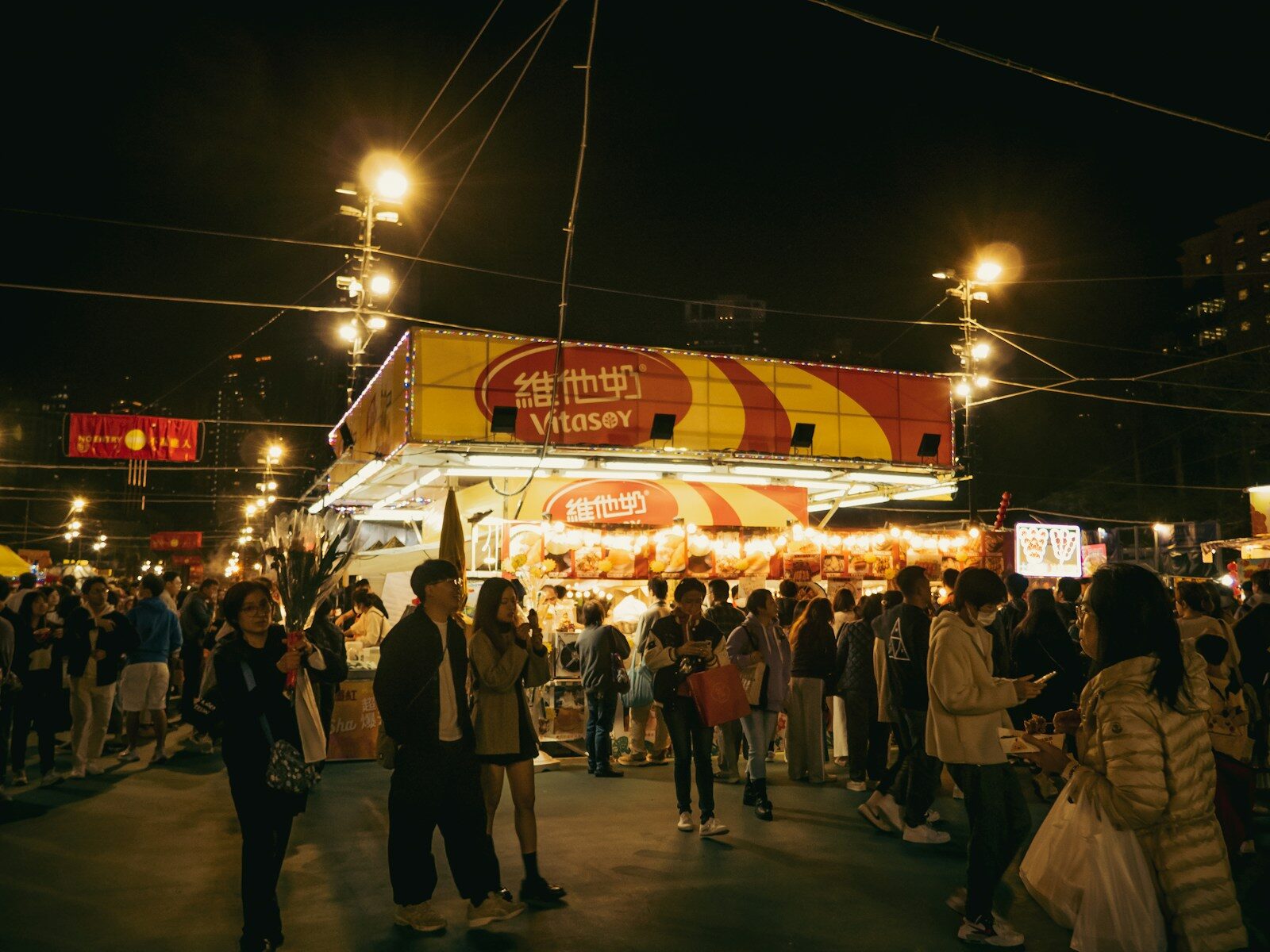
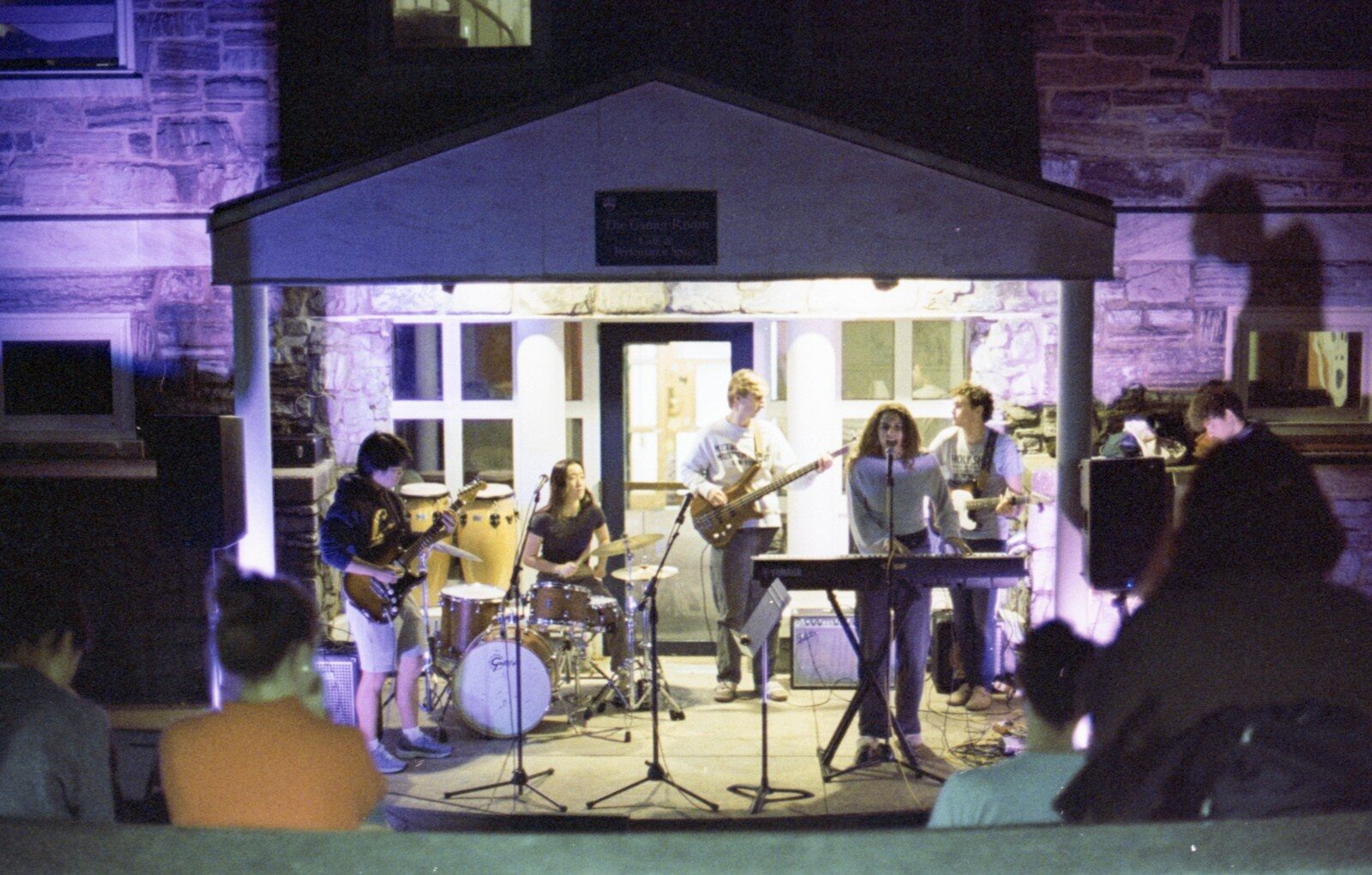
Towns that once treated the annual festival as a civic nicety now fund it from economic development budgets and measure it accordingly. The measurement is where the trouble starts.
Independent Business, Technology & Culture
Sunday, August 16th, 2026 105 stories Independent & Reader-Supported
Towns that once treated the annual festival as a civic nicety now fund it from economic development budgets and measure it accordingly. The measurement is where the trouble starts.
Higher rates taught small companies that idle cash has a price. The habits they built are outlasting the rates that created them.
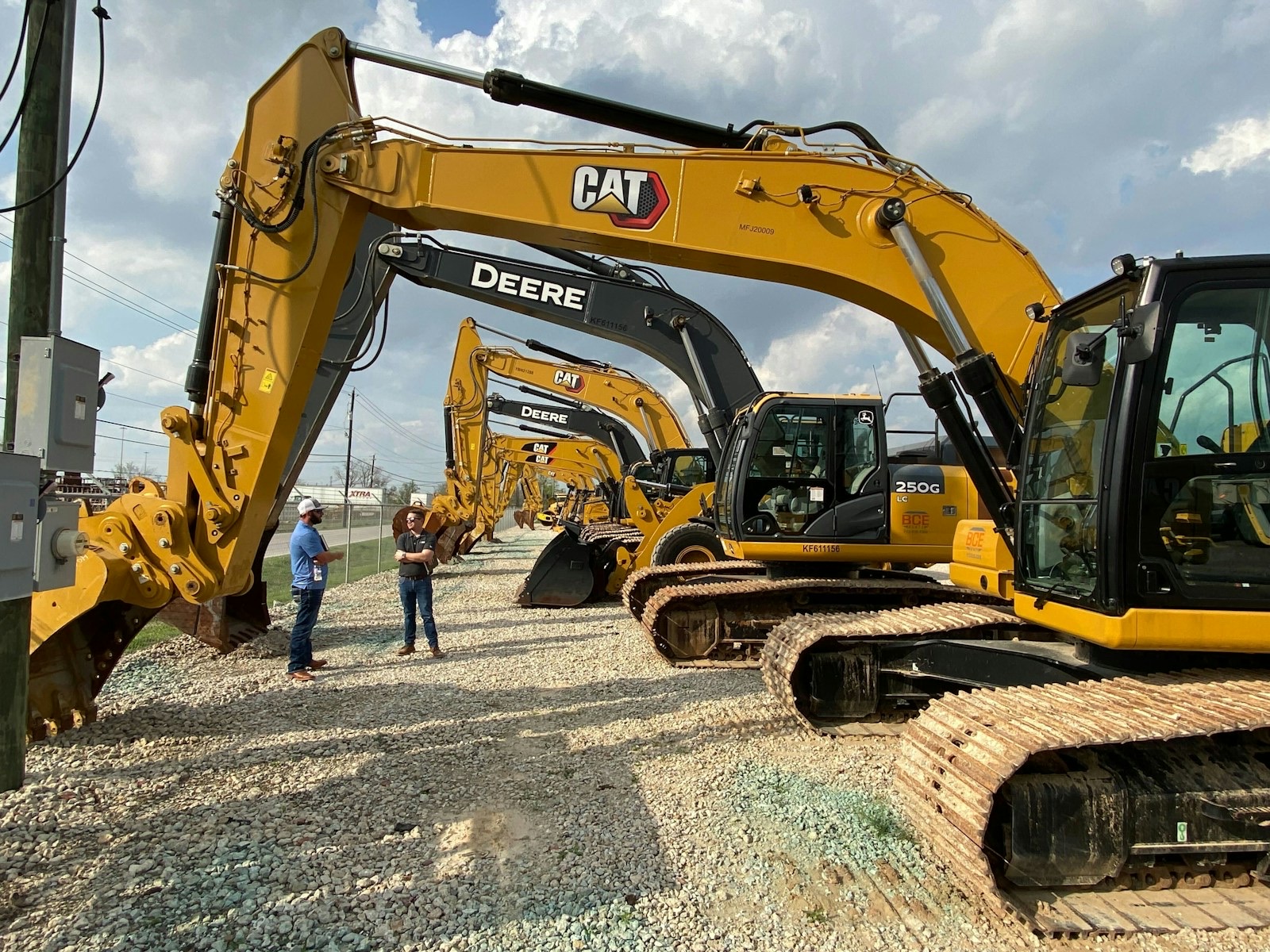
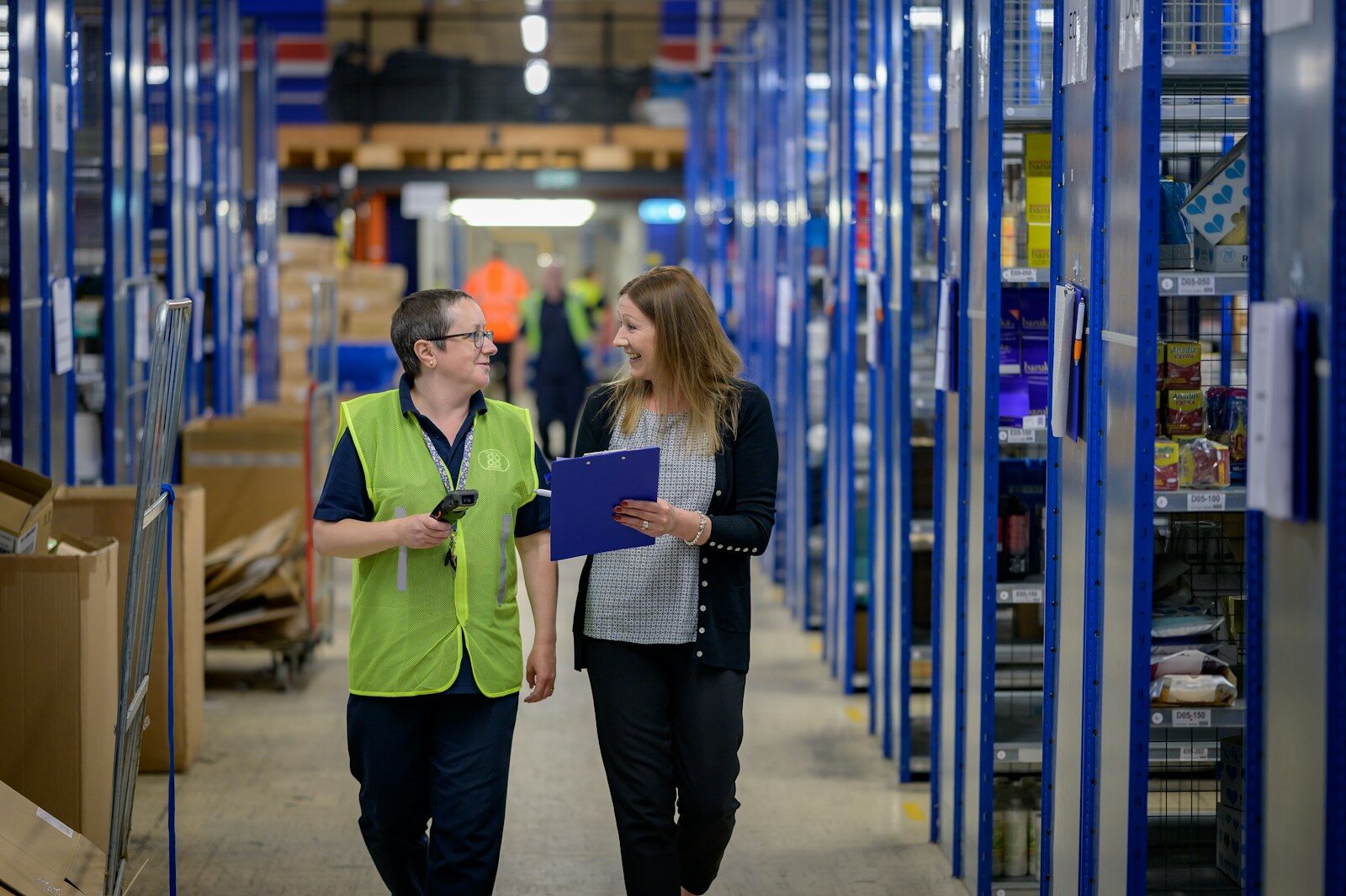
The regional suppliers that stock fasteners, bearings and safety equipment are being rolled up at a steady clip. The buyers are acquiring something the catalog does not list.
A generation of franchise owners is heading for the exits, and a new class of buyers, many of them corporate refugees, is lining up to take over proven units.
Touring economics hollowed out the rung between the bar and the arena. The rooms rebuilding it are doing so with nonprofit structures, civic support and business models borrowed from theatre.
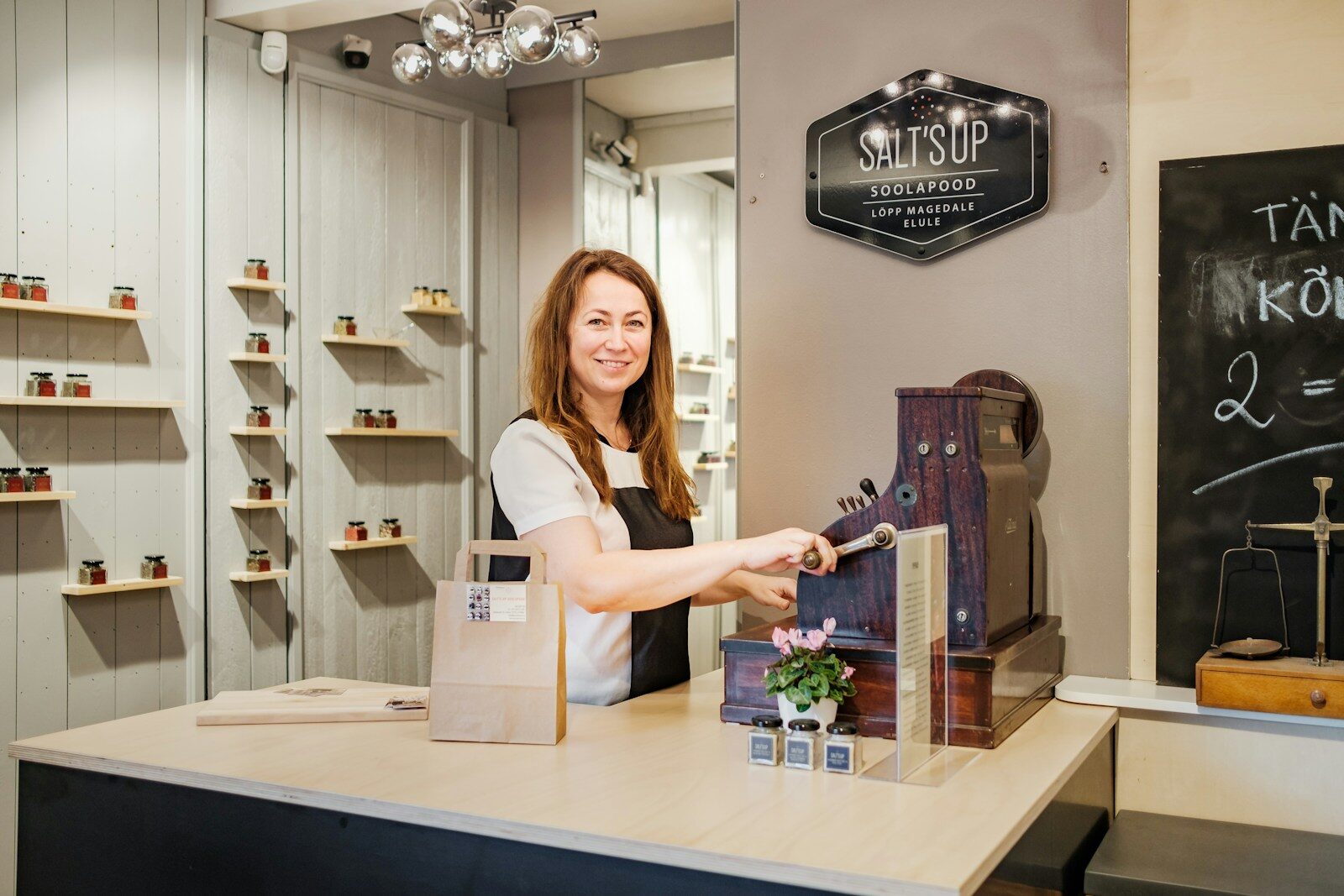
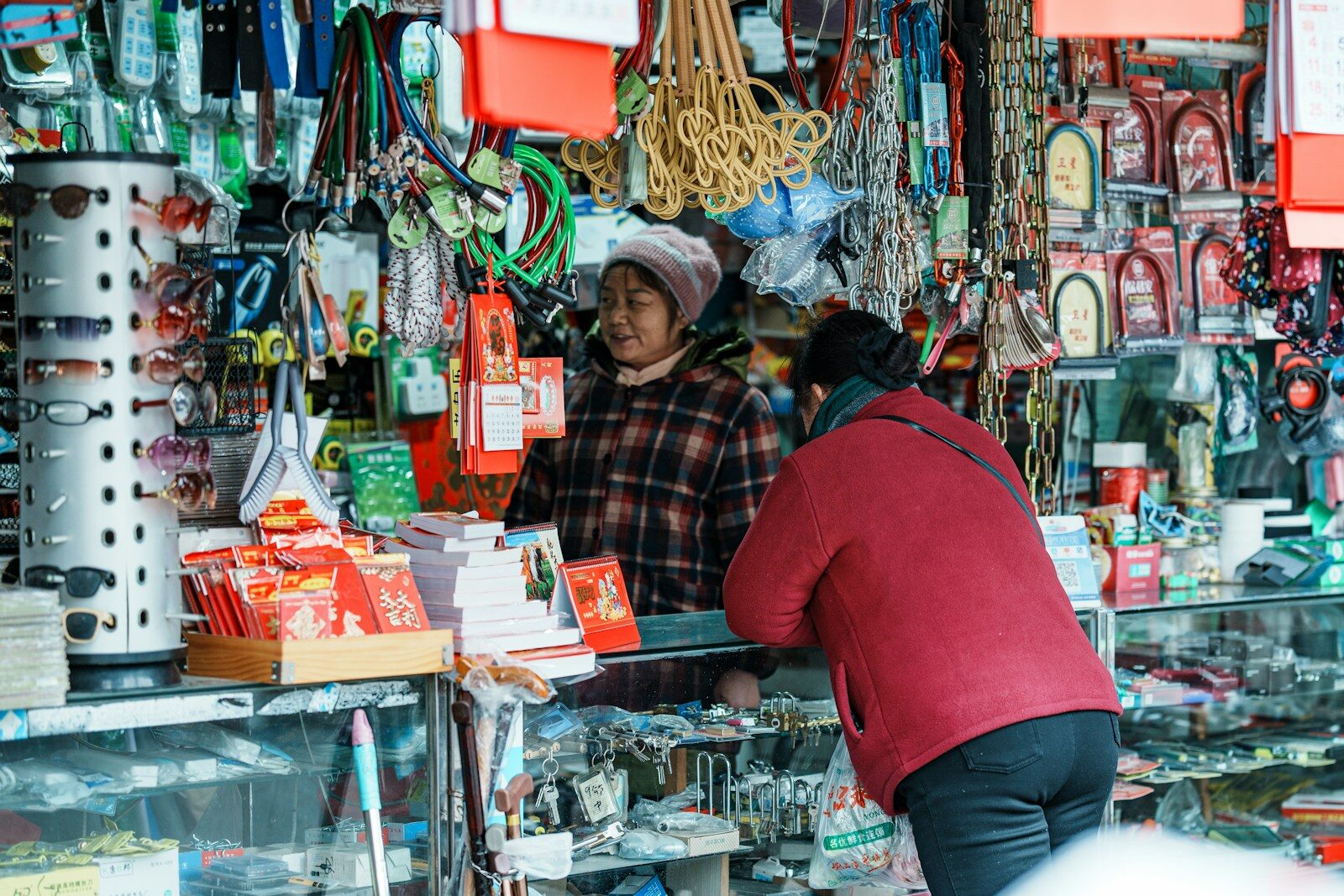
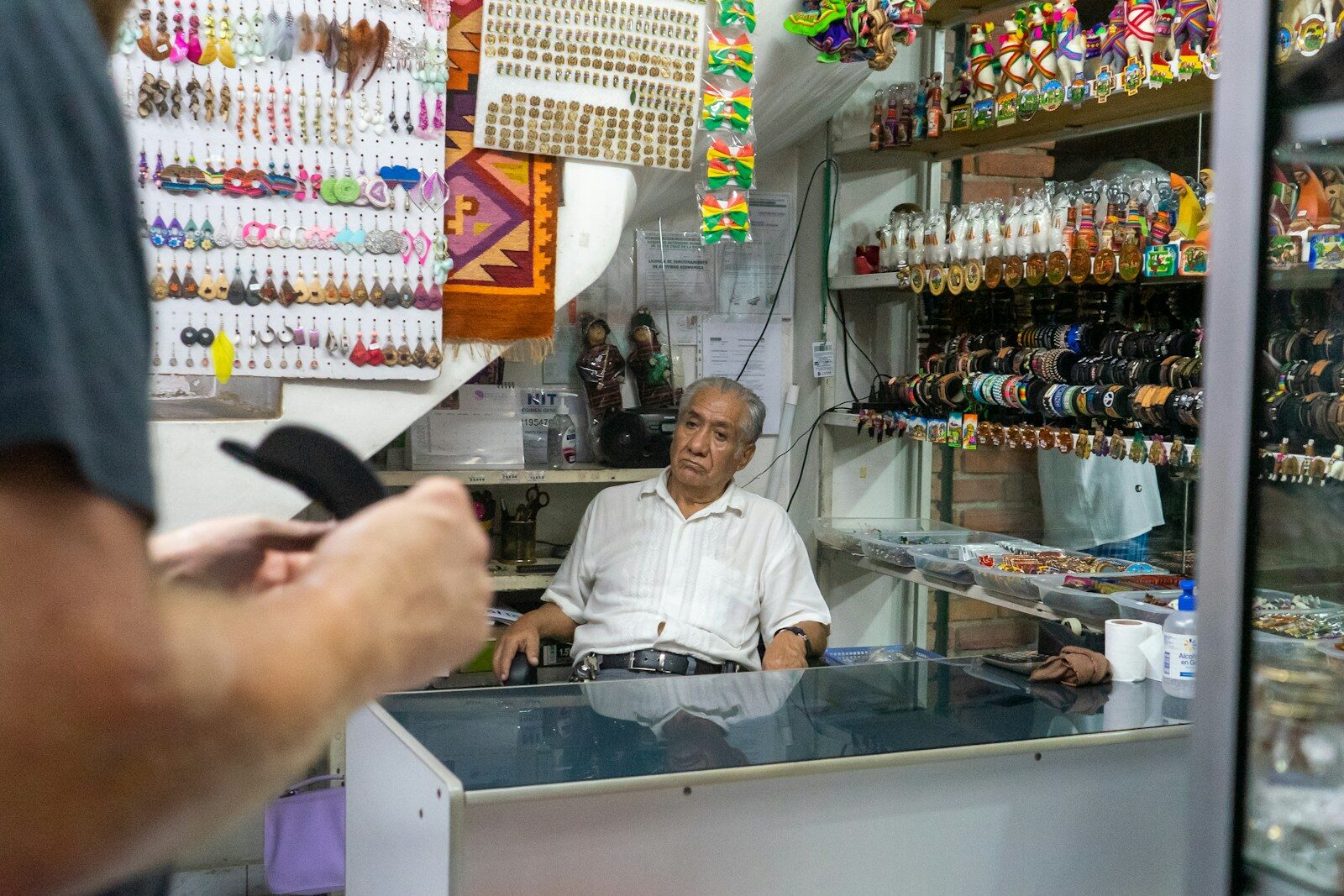
Millions of small businesses are owned by people at or past retirement age, and most have no succession plan. The scramble to keep them alive is reshaping local economies.
Away from enterprise pilots and keynote demos, small firms are putting generative tools to work on the least glamorous parts of operating a business.
Board seats at small and mid-sized companies were long treated as honors. Rising liability, activist attention and operational complexity are turning them back into jobs.
Employee stock ownership plans spent decades as an ideological argument. They are being reconsidered as something plainer: a buyer who is already on site when no other buyer appears.