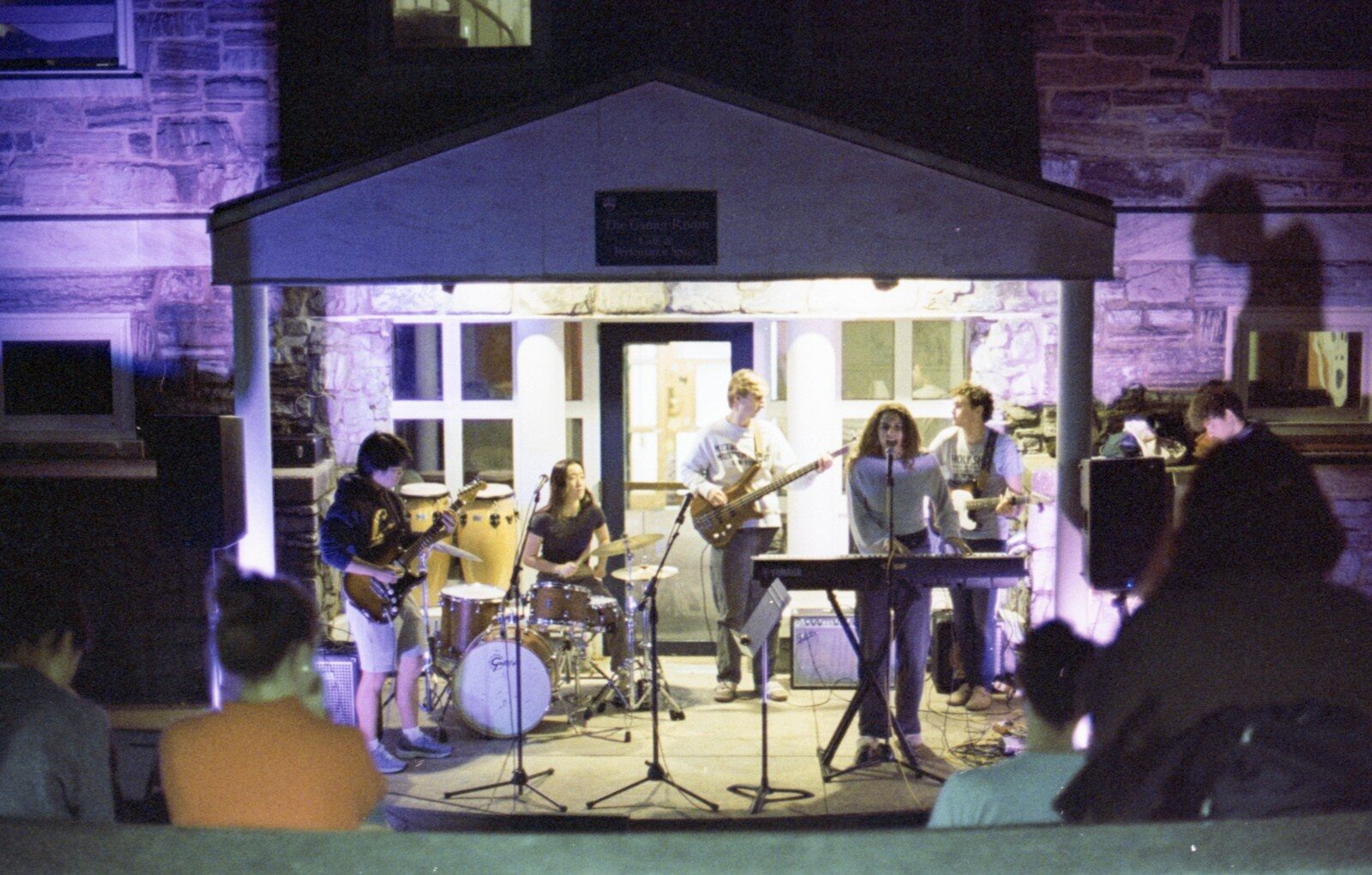
The structure of a musical career used to be a ladder. A band played bars, graduated to clubs holding a few hundred, then to theatres, and the ones that kept going reached arenas. Each rung was economically viable on its own terms, and the rungs were how anyone got anywhere.
The middle of that ladder thinned considerably. Consolidation in promotion and ticketing concentrated attention and guarantees at the top, streaming removed recorded music as a support for touring at small scale, and the costs of operating a mid-sized room, rent, insurance, staff, sound, rose faster than ticket prices could follow.
What the rebuilding looks like
The venues reversing this are largely not operating as conventional businesses, which is the most interesting thing about them. A growing number are nonprofits or community-owned, with mixed revenue that resembles a regional theatre more than a nightclub: memberships, donations, education programming, daytime use, bar revenue, and ticketing that does not have to carry the whole building.
Civic involvement has become common enough to be a pattern. Municipalities that spent two decades subsidizing arenas and convention centers have started noticing that a few hundred-capacity room generates more consistent activity for a fraction of the capital, and that a commercial district with a venue in it has a reason for people to be there after six. That has produced facade grants, favorable leases on municipally owned buildings, and in some places direct operating support, which arrives with the same civic logic now attaching to local festivals.
The artist economics are the part that still does not work. A mid-sized tour can sell out consistently and clear very little after transport, lodging, crew and commission, and the shortfall has been absorbed by merchandise and by direct audience support. That is a variant of the same arrangement holding up independent media, where a modest audience paying directly sustains work that an advertising or wholesale market will not.
Venues have adapted their side by taking on functions that used to belong elsewhere in the industry. Development, in the old sense of nurturing an act across several years, has partly migrated to rooms that book the same artist repeatedly and grow an audience locally, because no label is doing it and the artist cannot do it alone.
Insurance has become an unexpected constraint. Premiums for live event liability have risen sharply enough to close rooms that were otherwise viable, which is the insurance cost problem arriving in a sector with no capacity whatsoever to absorb it.
What the sector has not solved is real estate. A successful venue improves the neighborhood around it and thereby raises its own rent, and the ones that survive long-term are overwhelmingly the ones that own their building or hold a long lease from a sympathetic landlord. That is the same dynamic that has made libraries and other durable community rooms depend on property they control rather than rent. It is not a cultural policy question, and it decides more outcomes than any of the cultural policy questions do.
The same shape has appeared on stage, where community theatre has turned out to be the solvent tier for much the same reasons.
Topics culturesmall businesscommunity