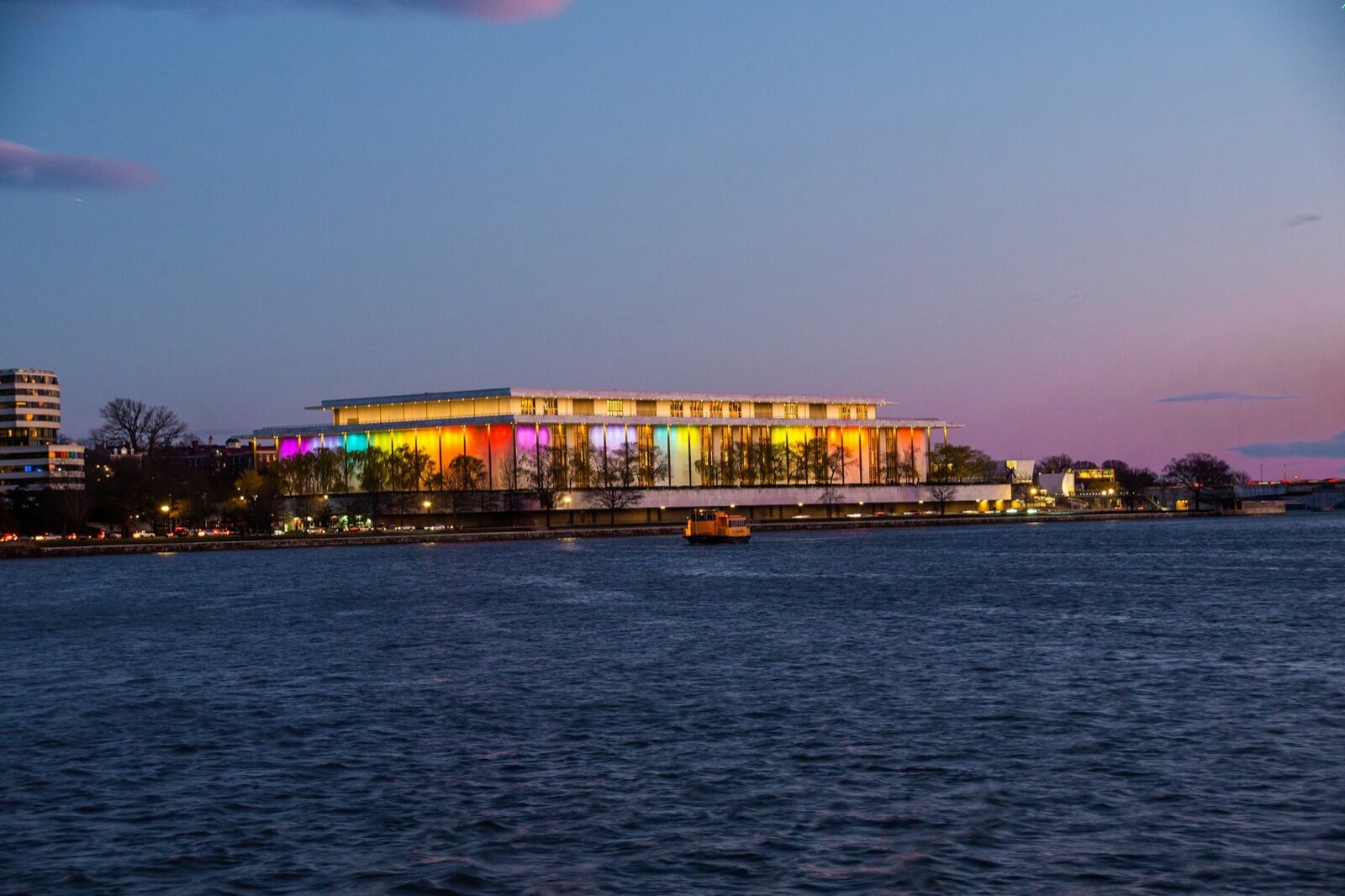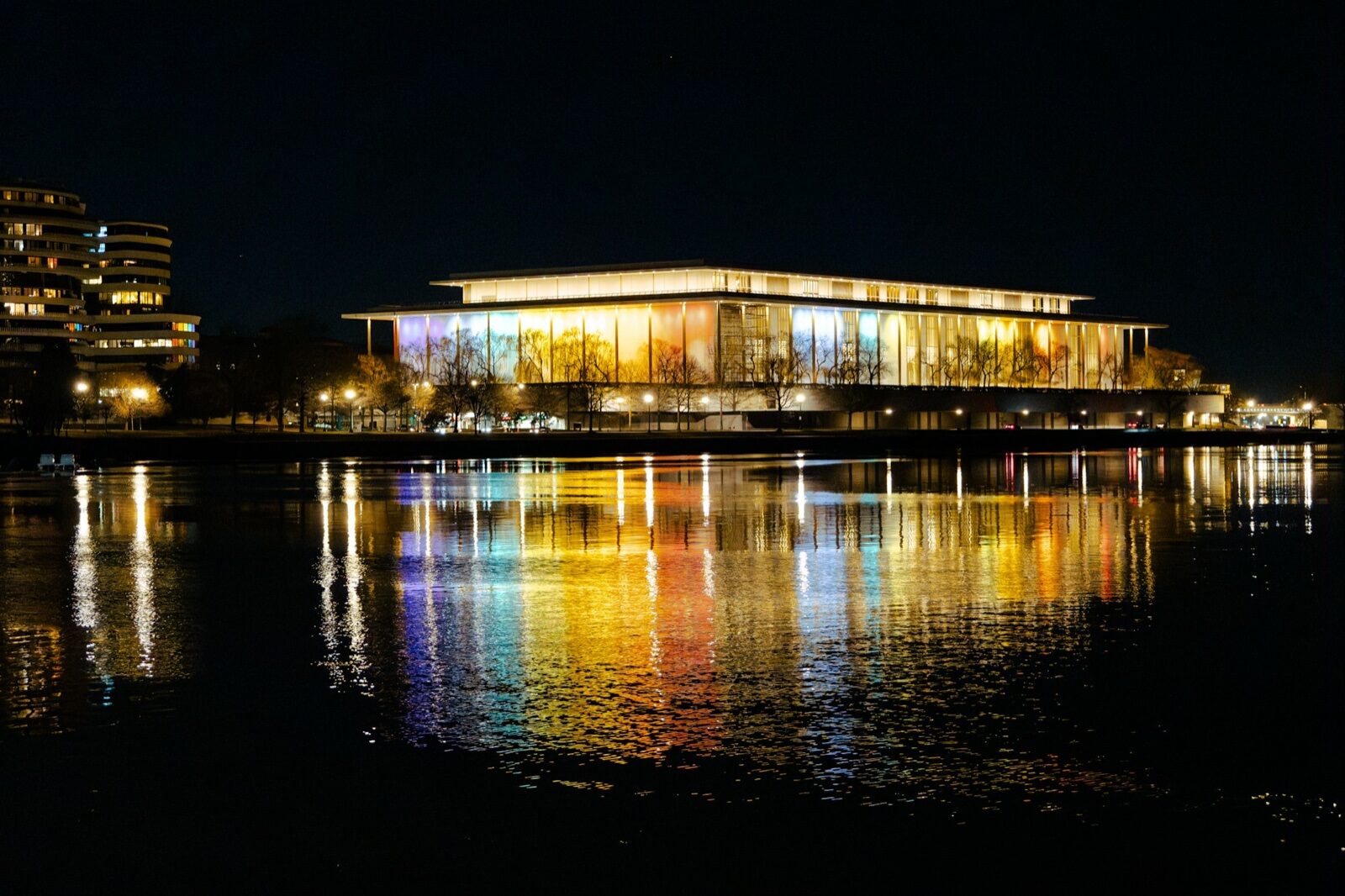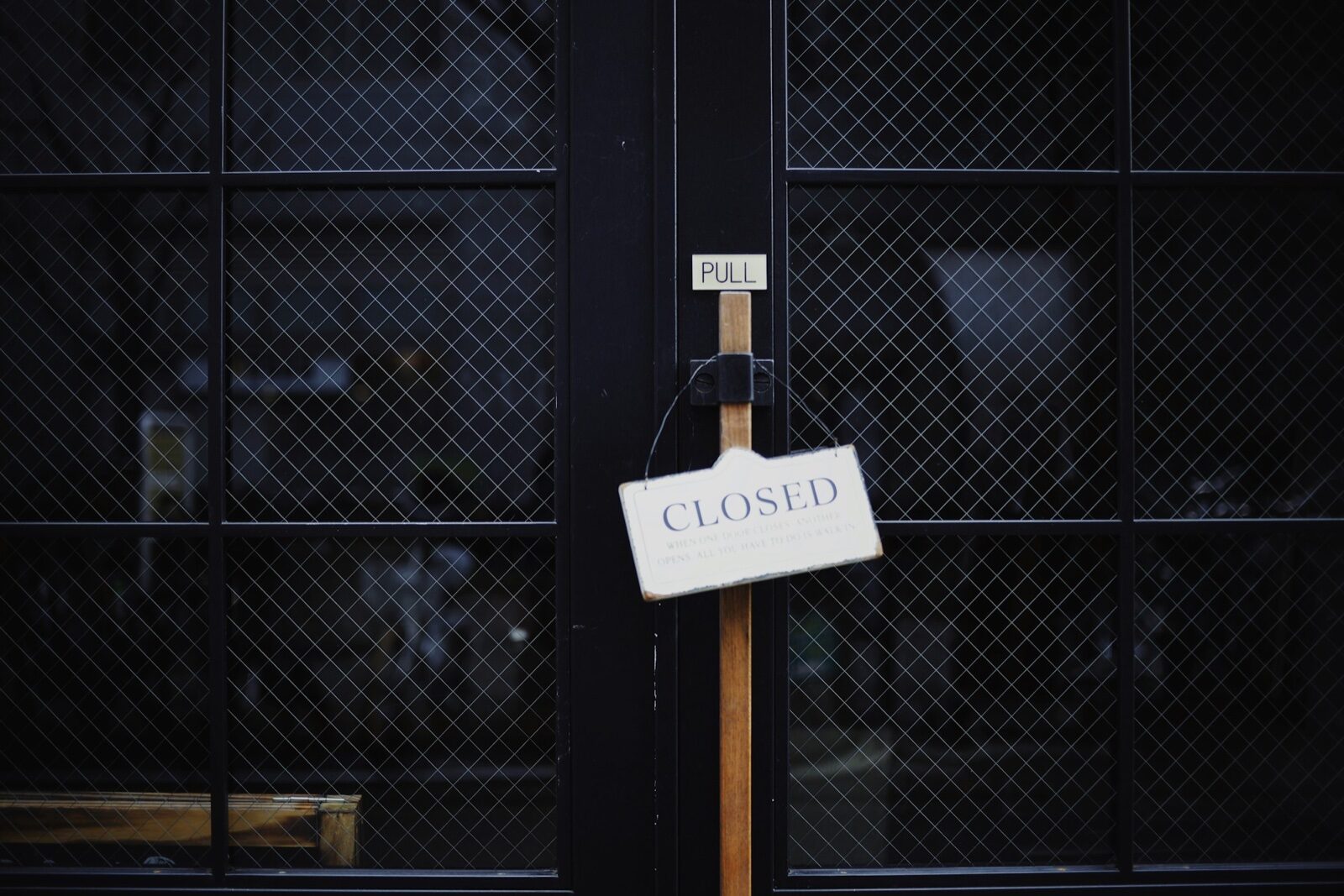
The Kennedy Center closed its main building to the public at about half past four on Tuesday afternoon.
Guards stood at the doors. Through the glass, a few staff could be seen hugging. The board had voted a few hours earlier to shut the building immediately for a renovation expected to last two years, and a federal judge had ruled that morning that the centre cannot be renamed for the president without Congress.
The reason given for the urgency is a ceiling. On 5 September a piece of plaster about four feet by five came away in the Grand Foyer and fell some sixty feet to a floor nobody was standing on. Inspections afterwards found at least seven more areas where water had got in.
What closes with it
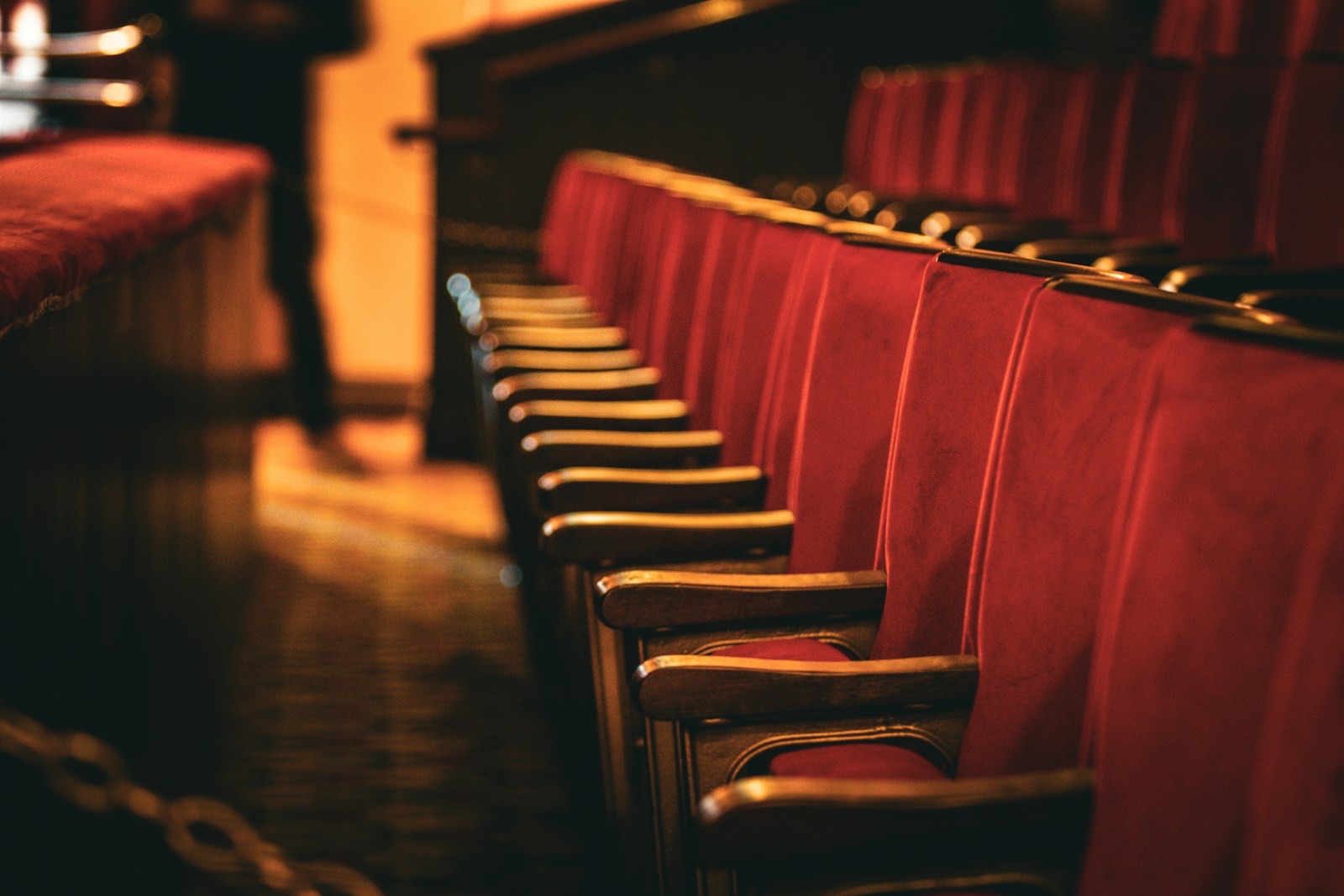
The Concert Hall, the Opera House and the Eisenhower Theater are all in the building that just shut. The REACH, the extension opened in 2019, stays open. The Kennedy Center Honors and the Mark Twain Prize are to be held somewhere else. The National Symphony Orchestra will play at the REACH and at other venues.
The scale of what a normal year looks like is not in dispute, because Congress put it in writing in February, when 71 members wrote opposing an earlier version of this plan: more than 2,200 performances and exhibits, 400 free community events, about two million visitors.
That letter was written against a closure proposed to begin on 4 July. The closure that happened began on a Tuesday afternoon with no notice at all.
The part that is hard to restart
The building work has a budget and a deadline. Congress appropriated $256,657,000 in July 2025, restricted to capital repair, restoration, maintenance backlog and security, available until 30 September 2029.
The audience does not have a budget line. Subscription series depend on renewal, and a subscriber who does not renew for two years is a new customer to be won back rather than a lapsed one to be reminded. Orchestral and technical staff take work elsewhere, and the specialists — riggers, cutters, répétiteurs — are the hardest to replace because there are so few of them.
Touring productions book two and three years ahead. A house that intends to reopen in 2028 has to be selling 2028 now, while its own finances are the reason it is dark.
Two possible readings
The generous reading is that a building with water in its ceilings and a payroll it cannot meet had run out of options, and that closing is what an honest board does when the alternative is a collapse with an audience underneath.
The sceptical reading, which critics have made loudly this week, is that the physical problems are being used to justify a closure that also conceals how much money stopped arriving after the institution became a political property. Theatre historian Charlotte Canning put the test simply to TIME: an organisation planning for bankruptcy shuts everything down.
This desk cannot settle which is right, and the two are not mutually exclusive. A building can genuinely need work and the timing can still be convenient.
What to watch
The first construction contract, which is the only hard evidence the two-year clock has started. Then the Honors: where it is held this December, and whether the artists who declined to appear at the Kennedy Center this year will appear at a Kennedy Center event held somewhere else. That will say more about the institution's recovery than any budget line.
The closure of the main building to the public at about 4.30pm on 15 September 2026, the scene at the doors, the plaster fall of about four feet by five in the Grand Foyer on 5 September and its drop of some 60 feet, the identification of at least seven further areas of water-related deterioration, the relocation of the Kennedy Center Honors and the Mark Twain Prize, and the continuation of National Symphony Orchestra programming at the REACH and off site are as reported by The Spokesman-Review, NBC News, NPR and TIME on 15 and 16 September 2026. The figures of more than 2,200 annual performances and exhibits, 400 free community events and about two million visitors are as stated in a letter of 5 February 2026 from Reps. Jamie Raskin and Suzanne Bonamici and 69 colleagues, which opposed an earlier proposal to close the building; they describe a normal year rather than this week's cancellations. The appropriation of $256,657,000 in July 2025, restricted to capital repair, restoration, maintenance backlog and security through 30 September 2029, is as reported by TIME. The analysis is our own.
Topics culturekennedy centerarts fundingwashingtonperforming arts