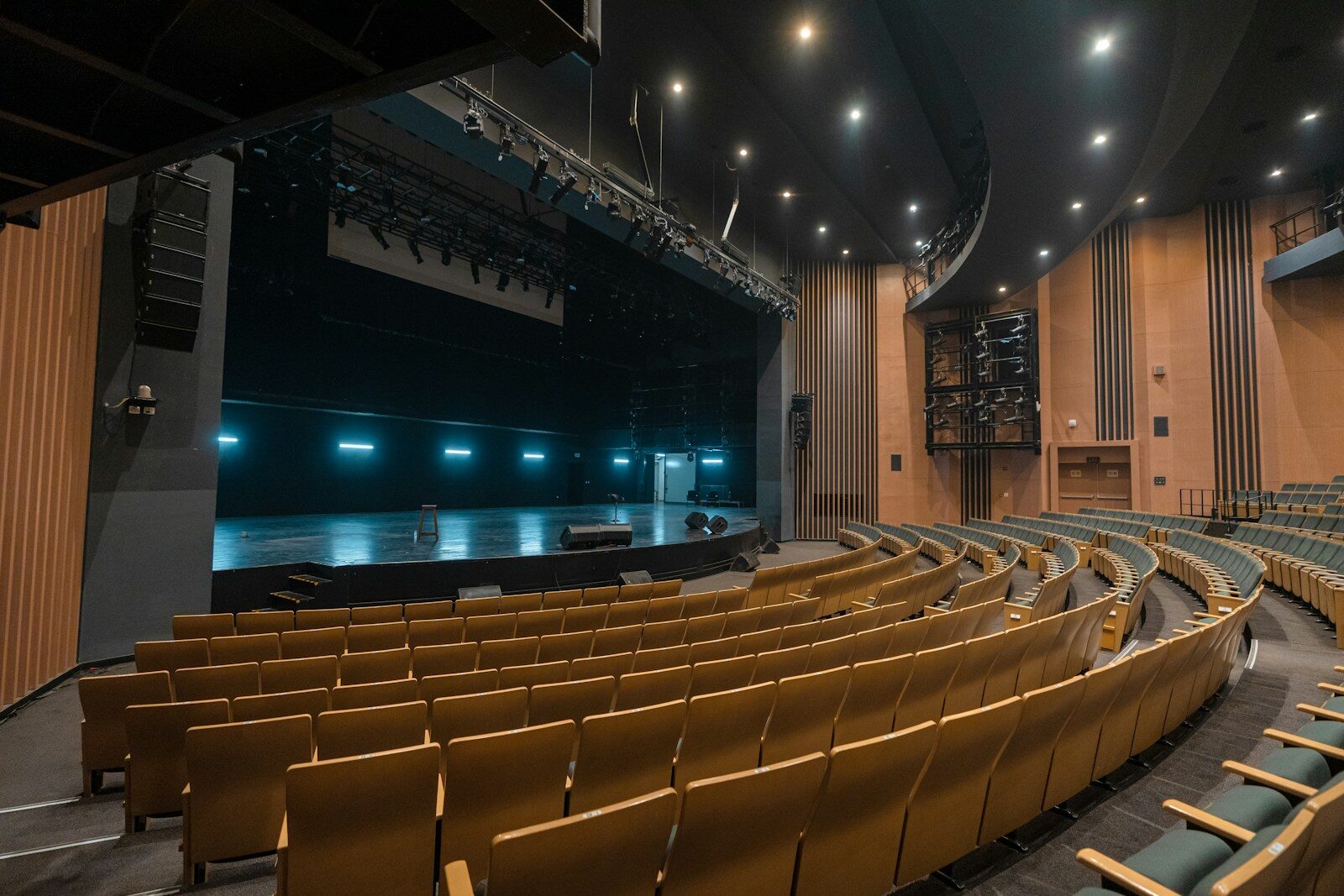
In a great many American towns the largest room with a stage, lighting and fixed seating belongs to the school district. It was built to hold assemblies and graduations, funded from a bond, and it is used for its stated purpose a few dozen times a year.
The rest of the time it is the venue for everything else — the community chorus, the dance recital, the touring children's theatre, the candidate forum, the church with no building of its own. None of that was in the bond, and none of it is in the operating budget.
The building is public and the calendar is not
What districts discover is that operating a venue is a job. Somebody has to run the lighting board, unlock the doors, be present for the duration, and clean afterwards. That is a custodian on overtime and a technician who may not exist on the payroll, and the fee charged to outside users rarely covers either — so the district subsidises community programming out of an education budget, quietly, while formally charging for the room.
The scheduling problem is the one that generates the friction. School use comes first, which is correct, and school calendars firm up late. A community group cannot plan a season around a room it will be told about in August, so it either takes the risk or does not programme at all.
This is the same municipal shape running through several other buildings a smaller era inherited. The municipal pool became a budget fight because a town owns an asset it cannot afford to operate or to close; the auditorium is the version where the operating cost is hidden inside another institution's budget and therefore never argued about directly.
It also determines what kind of performing culture a town can have. Community theatre is solvent again in a lot of places precisely where a company has secured reliable access to a room — and where it has not, the company runs in a church basement at a scale that limits what it can attempt, however good the work is.
The arrangements that hold are written down. A memorandum setting out a fixed number of community dates each year, booked before the school calendar closes, with a fee schedule that actually covers staffing. That costs the district nothing it is not already spending and gives everyone else something to plan against, which is most of what these groups need.
Districts that instead handle each request individually end up making the same decision forty times a year, unfunded, at the discretion of whoever answers the phone.