Public access television was funded by a bargain nobody thinks about. A cable company laying wire through a town paid a franchise fee for the privilege, and a portion supported channels the public could use. It produced decades of council meetings, high school games and eccentric local programming, and it was paid for by people subscribing to cable.
Fewer people subscribe to cable every year, so the fee shrinks every year, and the arithmetic has been running one direction for a while. Some of these operations have closed. The interesting ones did something else.
The asset was never the channel
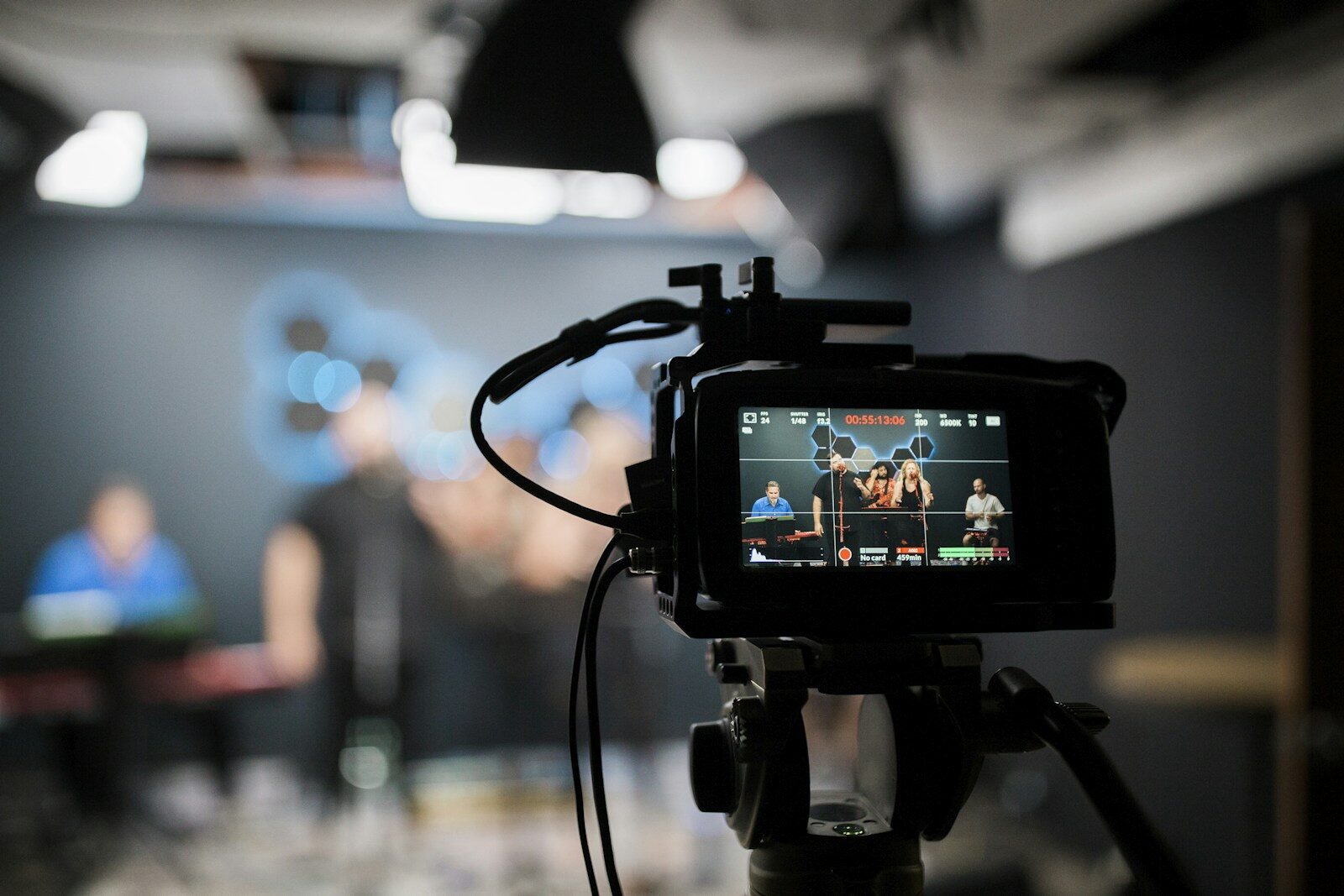
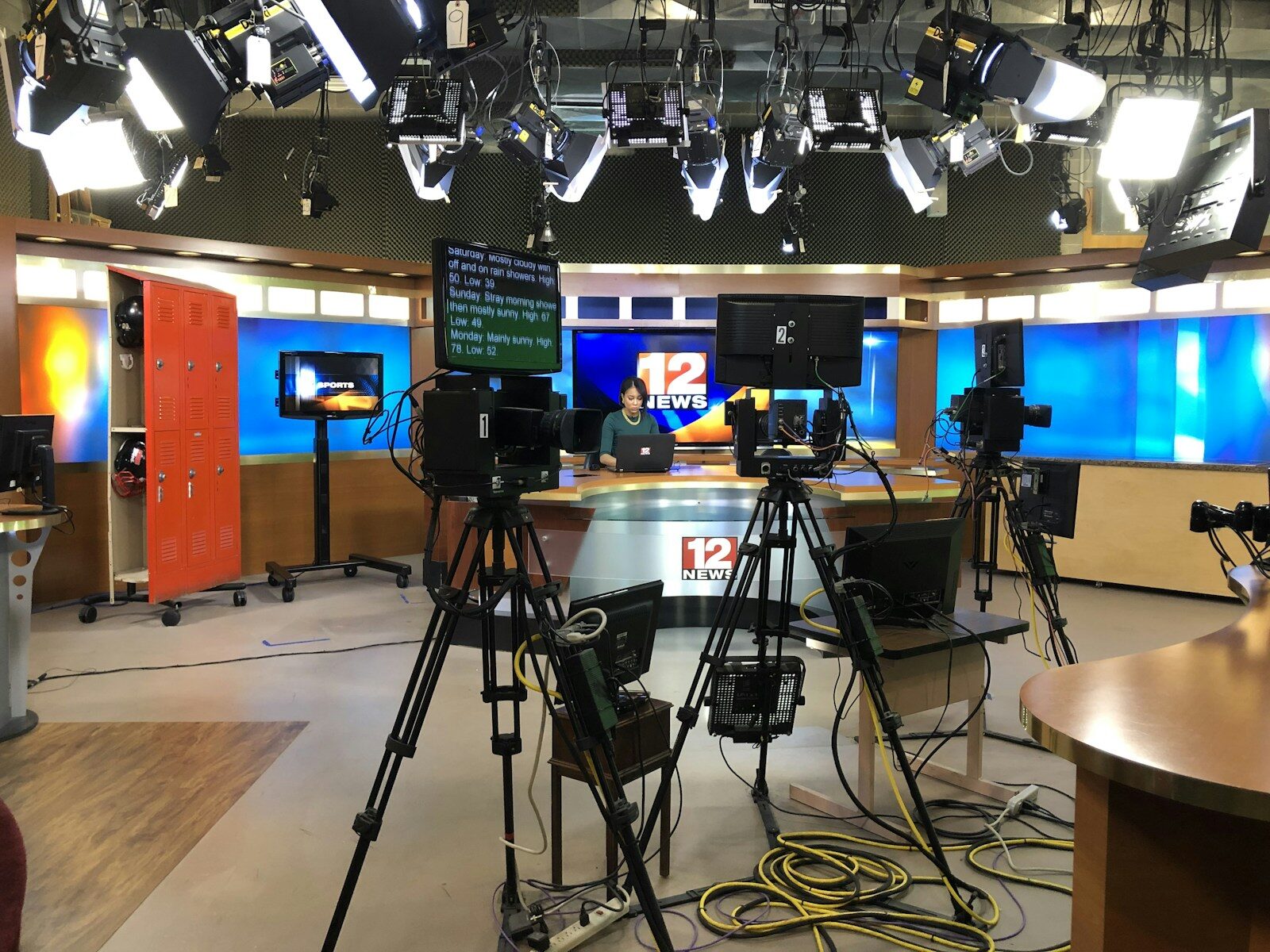
What a public access centre actually owns is a room with cameras, lighting, editing suites and someone who knows how to use them — in a town where none of that exists anywhere else. The channel was the distribution mechanism, and distribution is the part that stopped being scarce.
The centres that survived reoriented around the equipment and the instruction. They teach production to teenagers, they record for local nonprofits that could not otherwise afford it, they stream municipal meetings that legally must be public and would otherwise be a bad phone camera on a tripod, and they rent time to anyone who needs a room that looks professional.
That converts a facility funded by a declining levy into one with several small revenue lines, none sufficient alone. It is precarious and it is more durable than depending entirely on a fee tied to a technology in structural decline.
The municipal meeting work has become the anchor in a lot of places, for an unglamorous reason: transparency requirements assume a recording exists, and clerks discovering they must stream a hearing find the only competent operator in the county is the access centre. That is a contract rather than a grant, and contracts survive budget seasons that grants do not.
It also puts the centre in the same position as several other institutions a smaller era inherited. The library became the last free room in town by being the space with no requirement to buy anything; the access studio is the room with no requirement to own equipment. Both are being asked to carry more than they were designed for because the alternatives closed.
Where it intersects with news is worth watching. The one-person video newsroom on Main Street needs exactly what these centres have — a room, a camera, someone who can edit — and several of the more sustainable local video operations are working out of an access facility rather than owning any of it. That is not the arrangement the franchise fee was written to produce, and it may be the most useful thing it now does.