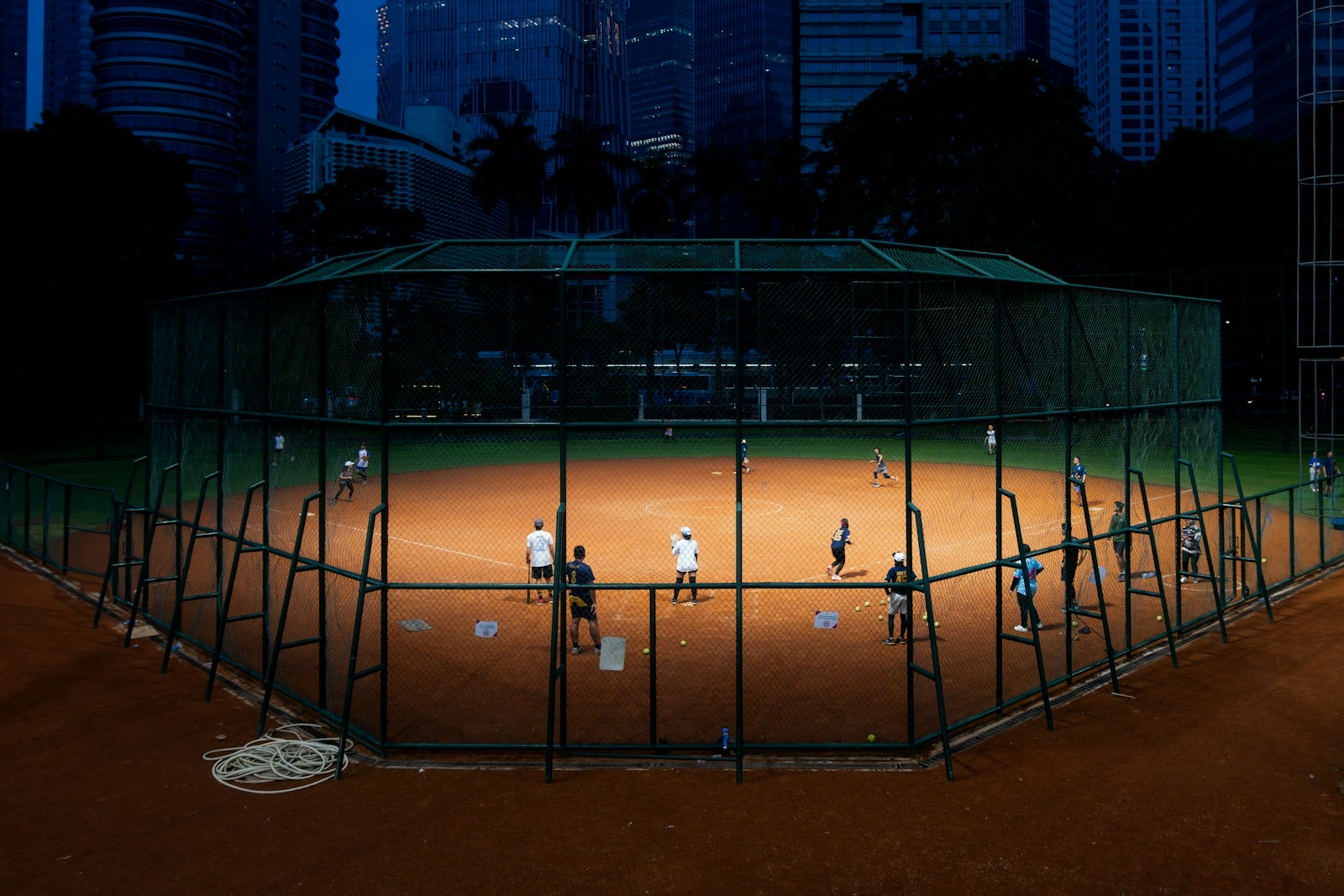
Adults in America have very few standing appointments with people they are not related to and do not work with. The recreational league is one of the last: softball on Tuesdays, hockey at an hour no reasonable person would choose, a volleyball night in a school gym. It looks like sport and functions as something else.
What holds it together is almost never an institution. It is one person — a commissioner, unpaid, who keeps the schedule, chases fees, handles the team that keeps forfeiting, and books the field every year. Ask any league how it survives and the answer is a name.
The field is the constraint, and towns have started pricing it
Municipal fields, courts and ice were built when parks departments understood themselves as providing recreation to residents generally. Those departments now operate under cost recovery targets, which means the field goes to whoever generates revenue.
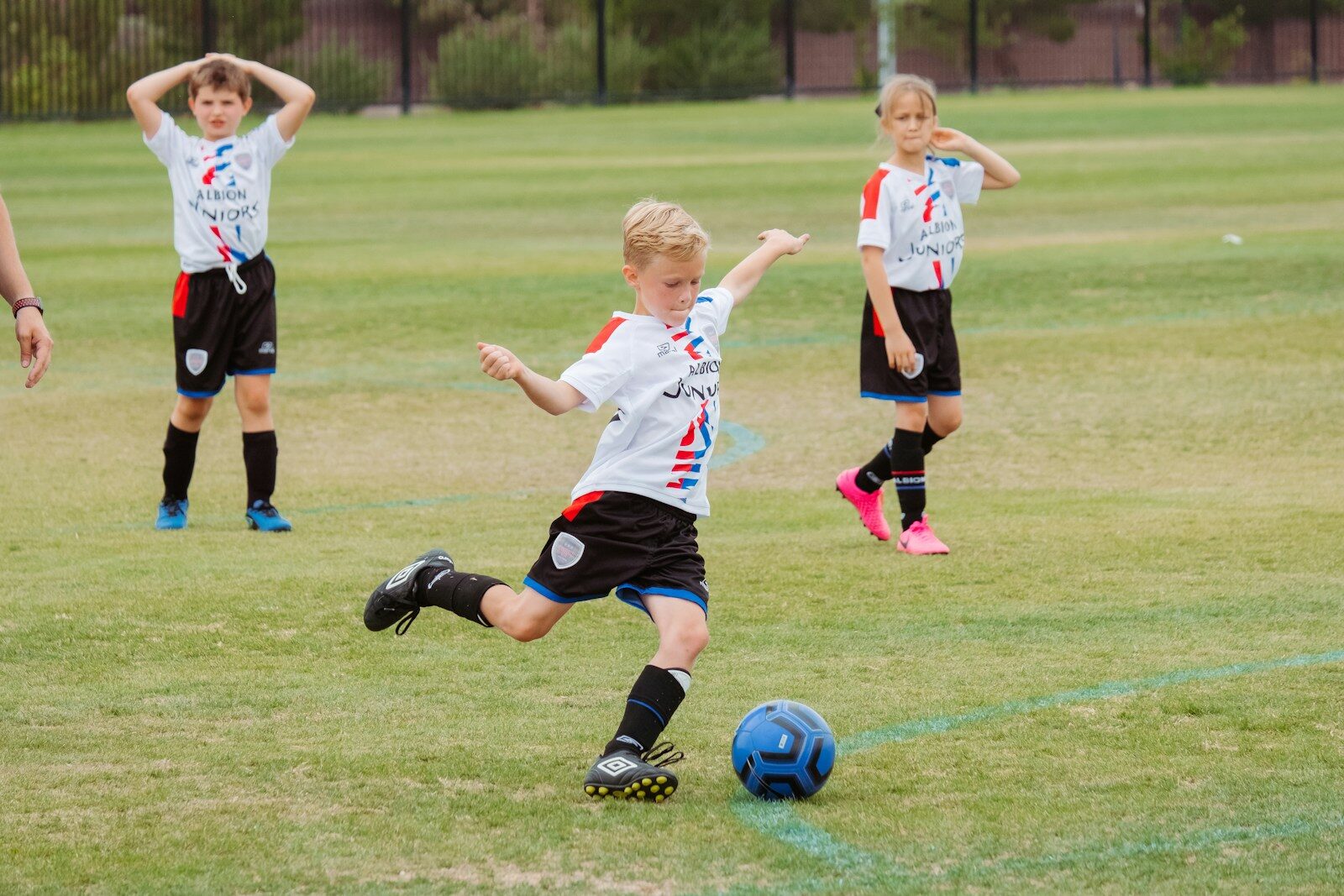
Whoever generates revenue is the travel program. A youth club paying tournament rates for a full weekend is worth several adult leagues to a parks budget, so the adult slot moves later, then to a worse field, then to a season that does not exist. This is the same dynamic that priced the youth sports economy out of the neighbourhood, viewed from the group with even less standing to complain, because adults playing softball are the softest constituency in any municipal hearing.
The succession problem is the other one, and it is more likely to end a league than the field is. Volunteer commissioners run for years and then stop, and the role is unattractive precisely because it is administrative, thankless and unpaid. Leagues that survive a handover have usually split the job into three smaller ones before the person leaves. Leagues that do not, fold within a season or two, and the fifty people in them do not reassemble elsewhere.
What is lost when one closes is difficult to name and reasonably well established. Repeated, low-stakes contact with the same people over time is how adults form the loose ties that carry information, opportunity and help, and there are very few remaining venues that generate it. Retailers noticed the same gap from the commercial side, which is why they concluded they were selling belonging rather than goods — with the difference that a store can charge for the room and a softball league cannot.
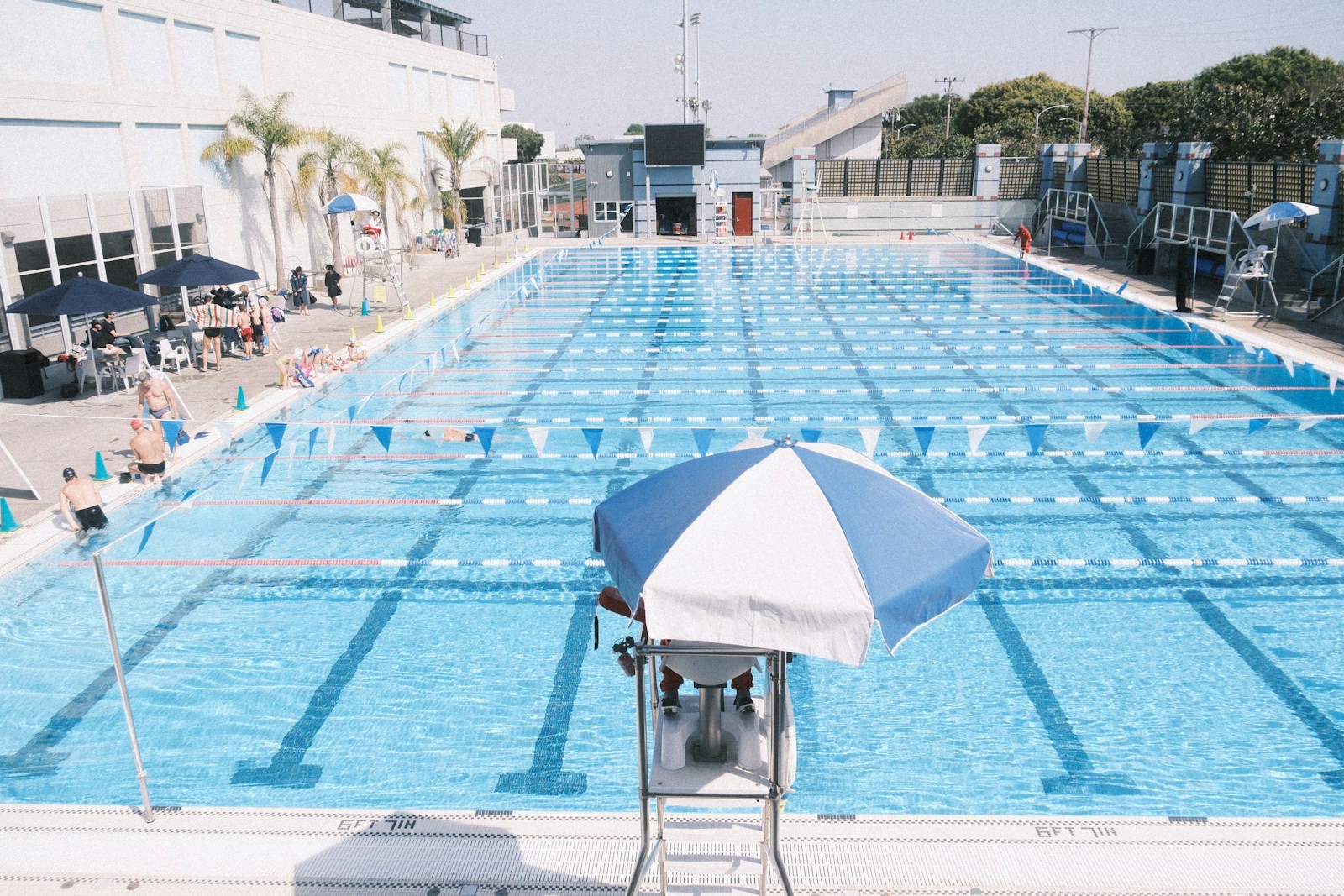
The towns treating this seriously do one unglamorous thing: they reserve adult slots in the allocation policy rather than leaving them to compete on revenue. It costs the parks budget real money, in the same conversation where the municipal pool has become a budget fight, and it is defended on the same grounds — that a town is buying something for its residents that will not pay for itself and was never supposed to.
Topics culturerecreationcommunitylocal government