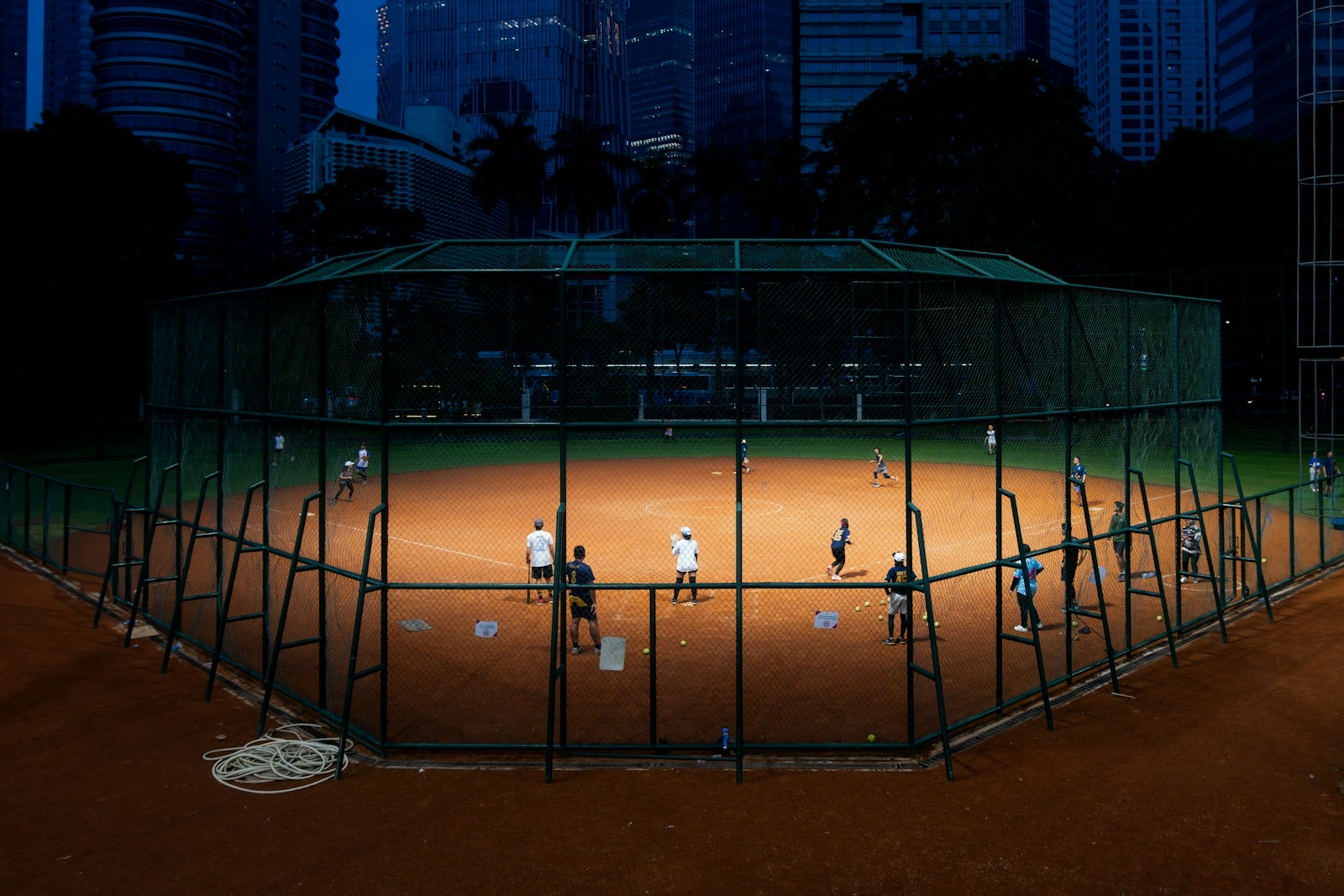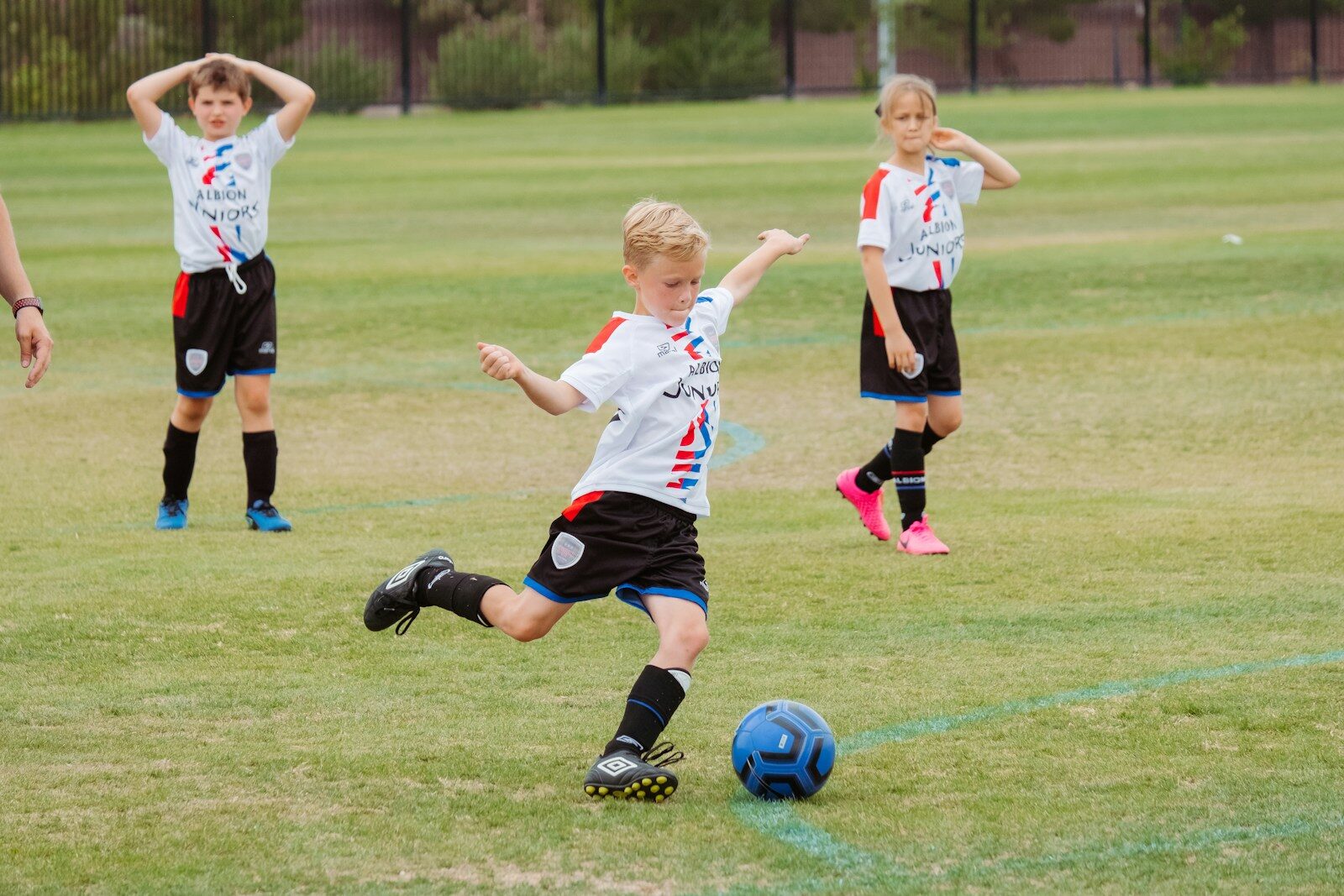
The pickup game did not die of natural causes. It was outbid.
Youth athletics has professionalized into an industry of travel clubs, private trainers, showcase tournaments and specialized facilities, with family spending on a single child's sport routinely reaching thousands of dollars a year. Participation data tells the two-track story: intensive investment among families who can pay, declining casual participation among those who cannot, and a thinning middle where the neighborhood league used to live.
What the money buys, and breaks
The machinery is rational at every node and questionable in aggregate. Parents buy coaching because other parents did. Clubs charge what tournaments cost. Facilities charge what mortgages require. And the scholarship arithmetic that justifies it all remains stubbornly unmoved: the odds are long, the injuries from early specialization are documented, and pediatric sports medicine now treats overuse conditions that scarcely existed a generation ago.
Counter-movements are gathering. Municipalities are rebuilding low-cost rec leagues explicitly as social infrastructure. School districts are protecting no-cut programs. Some clubs cap travel for younger ages, and a visible cohort of professional athletes now evangelizes late specialization, lending the counterargument its best spokespeople.
The stakes exceed athletics. The retailers selling belonging and the night schools filling up answer the same shortage the sandlot once supplied for free: unstructured, local, recurring human gathering. Childhood is where that shortage starts.
Related reporting has traced the Library Becomes the Last Free Room in Town.
The adults lost their slot in the same spreadsheet, where the beer league is quietly municipal infrastructure.
Topics culturefamiliescommunity