The stores that were supposed to die are instead hosting book clubs, and the pattern is too consistent to be an accident.
Independent bookstores keep opening. Running-shoe stores anchor weekly group runs with hundreds of participants. Game shops fill their evenings with tournaments, yarn stores with classes, plant shops with workshops. The merchandise in each case is available cheaper online, a fact every owner knows and none fears, because the merchandise is no longer the product.
The economics of gathering
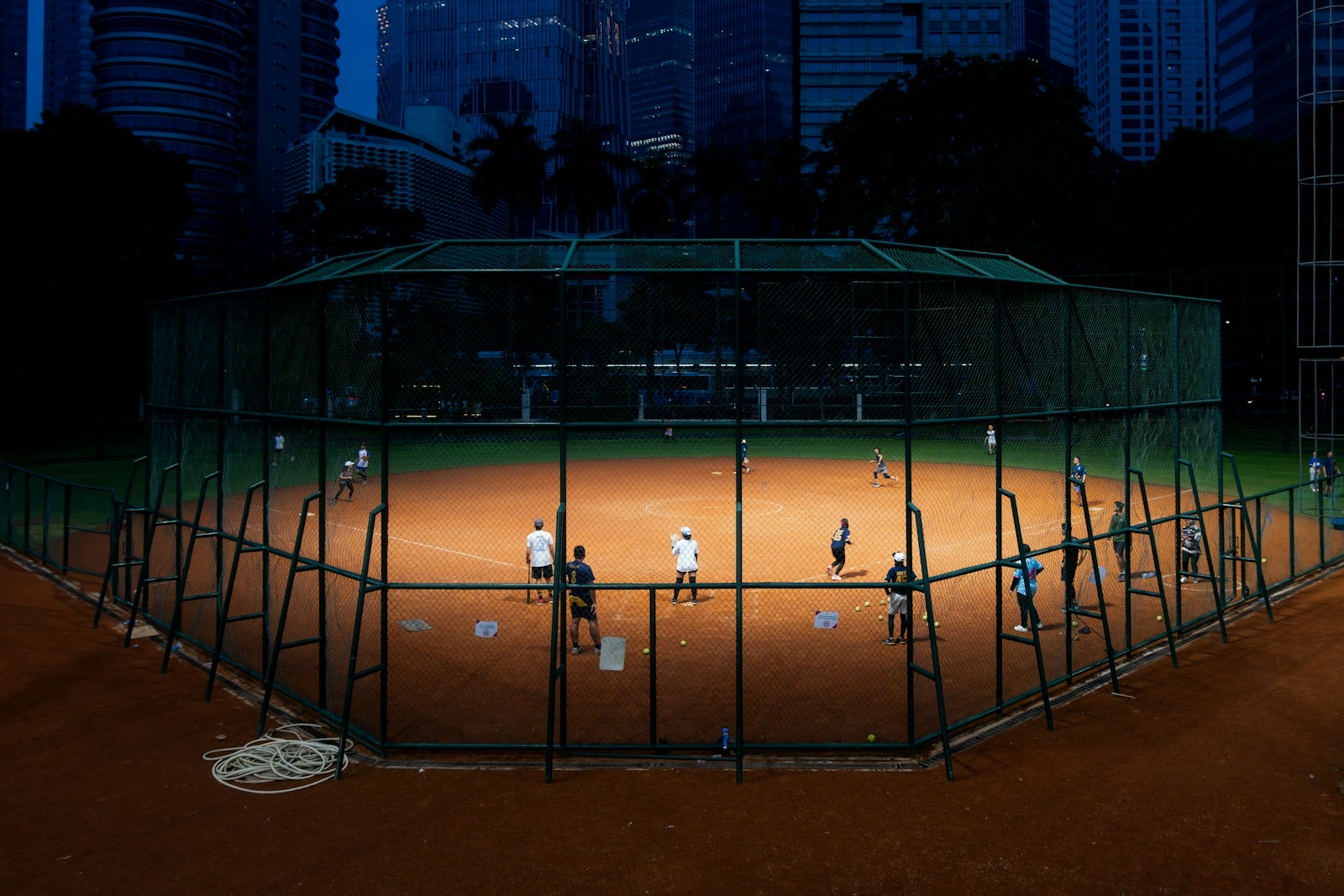
What these retailers sell is membership in a recurring social occasion, with goods as the artifact. The model inverts traditional retail math: the event may break even or lose money, and the loyalty it manufactures does the earning. Customers acquired through community, owners report, return more often, spend more annually and, critically, do not comparison-shop, because no marketplace algorithm sells belonging.
The trend is a market answer to a social deficit. The decline of casual gathering places has been documented to exhaustion; retail has simply discovered that the deficit is monetizable, and that a store with fixed rent and evening hours is structurally well positioned to fill it.
Landlords and downtown districts have caught on, courting event-driven tenants for the foot traffic they generate on otherwise dead evenings. The complementary effect is measurable in neighboring businesses, which is turning community programming into a leasing selling point.
There is a limit, and the operators respect it. The gathering must be genuine, which means the store must want the people more than their wallets, at least visibly. The customers, it turns out, can tell, which makes sincerity the rare retail strategy that cannot be copied by a larger competitor with a better supply chain.
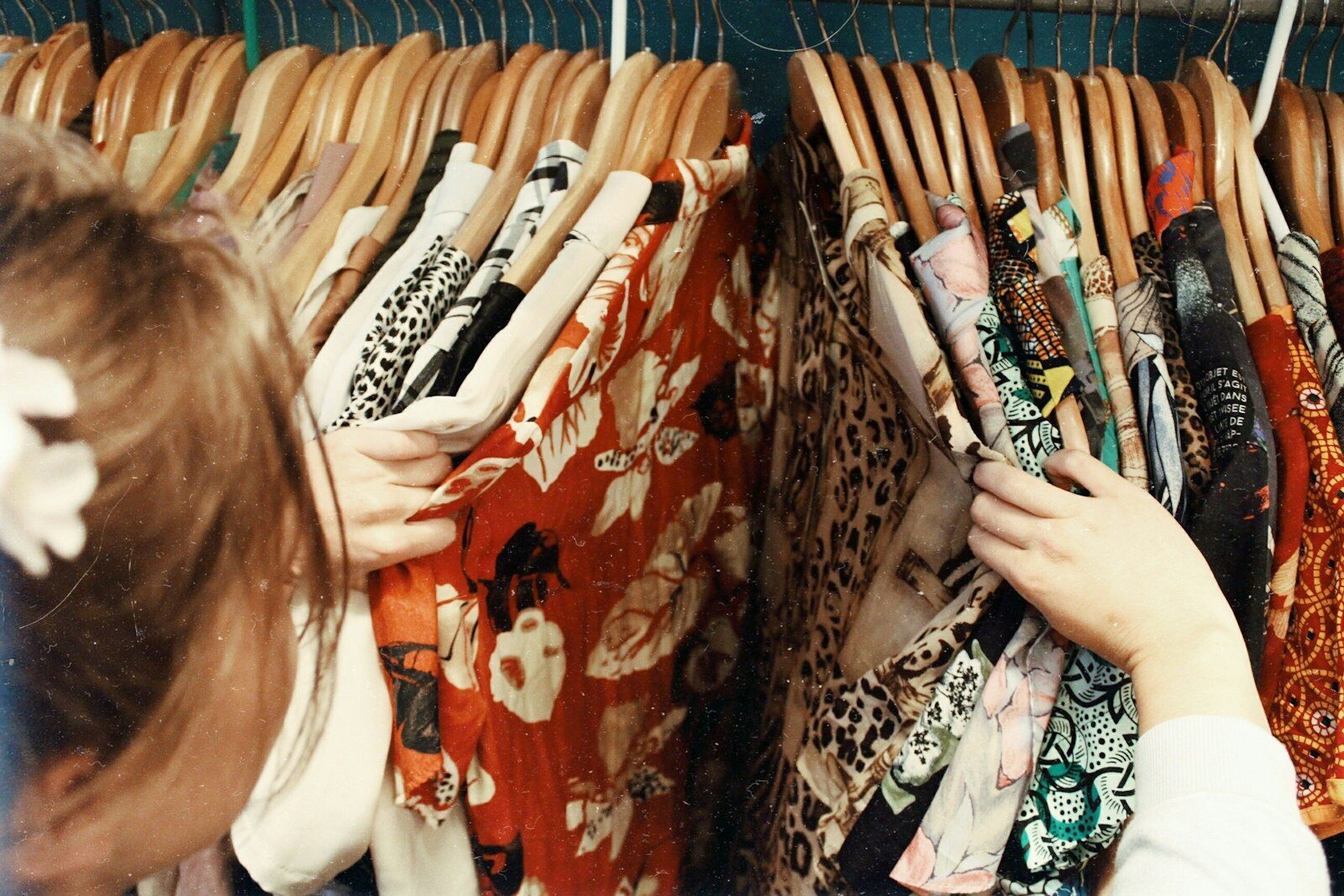
Unique inventory is the one thing a website genuinely cannot replicate, which is why resale has anchored more commercial districts than any loyalty programme.
Topics cultureretailcommunityconsumer