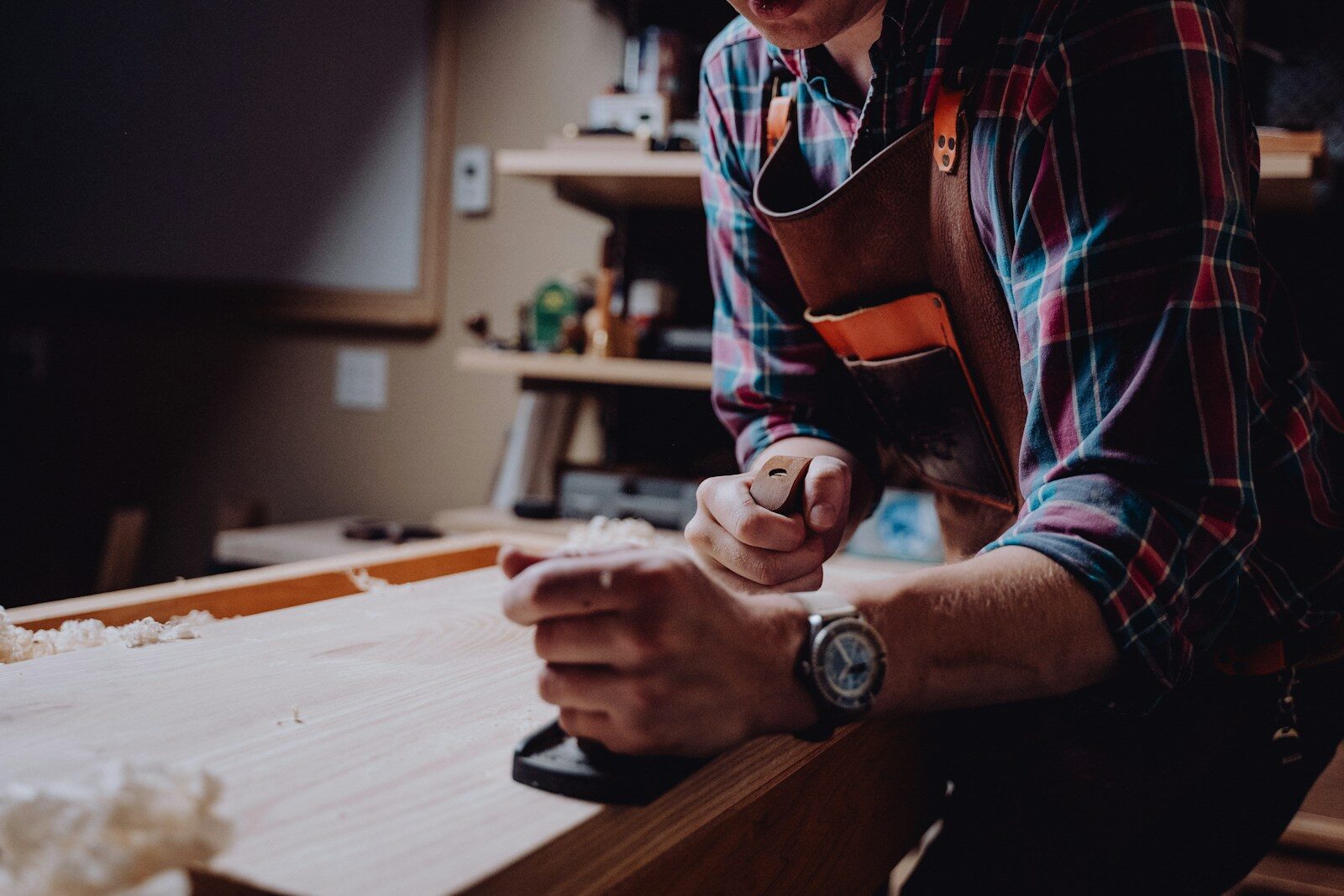
Somewhere in the past several years, the hobby stopped apologizing for itself. Adults now discuss their pottery, sourdough, astrophotography, restoration projects and marathon training with the vocabulary of practice rather than pastime, and an economy has assembled around the shift.
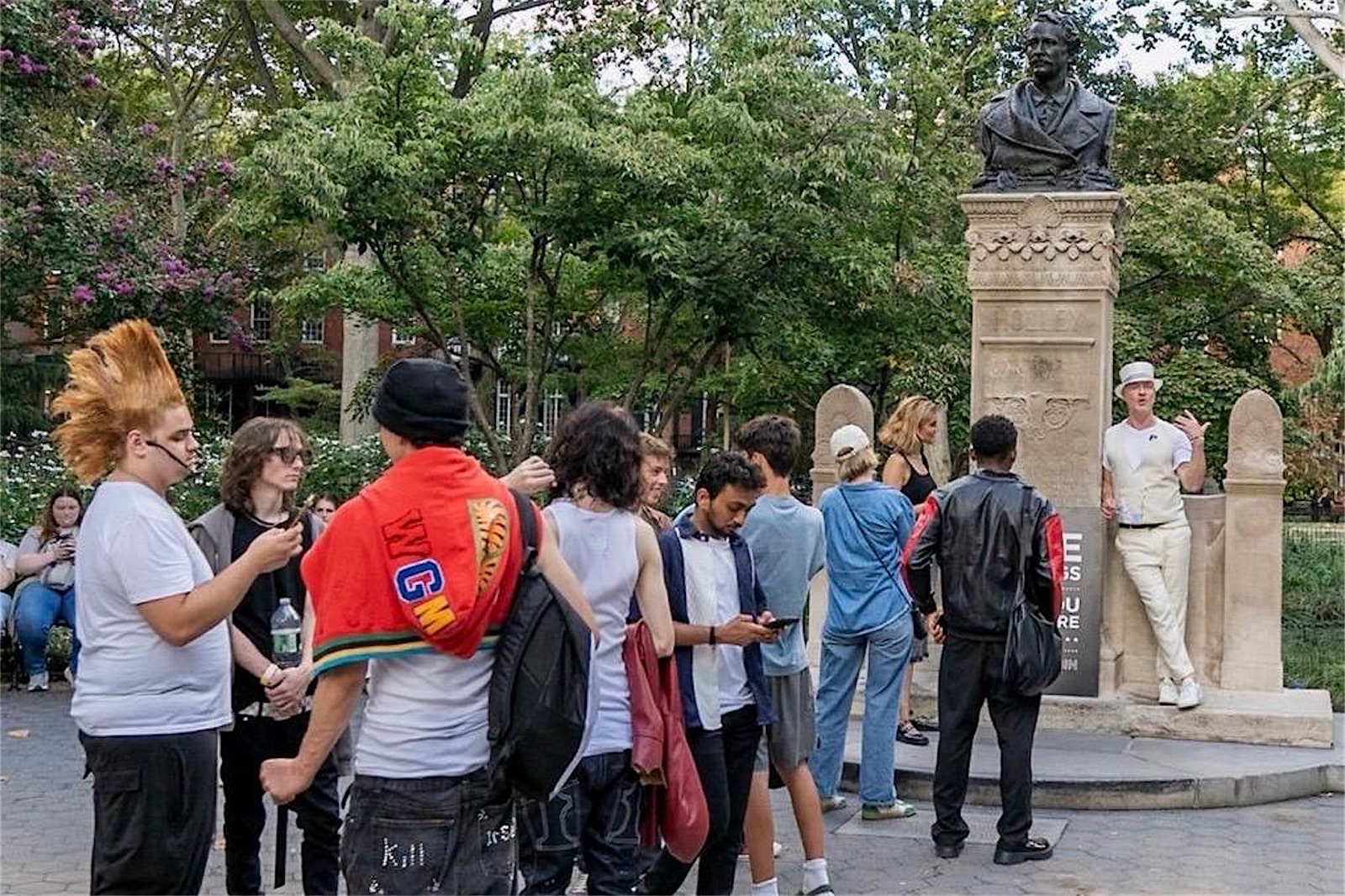
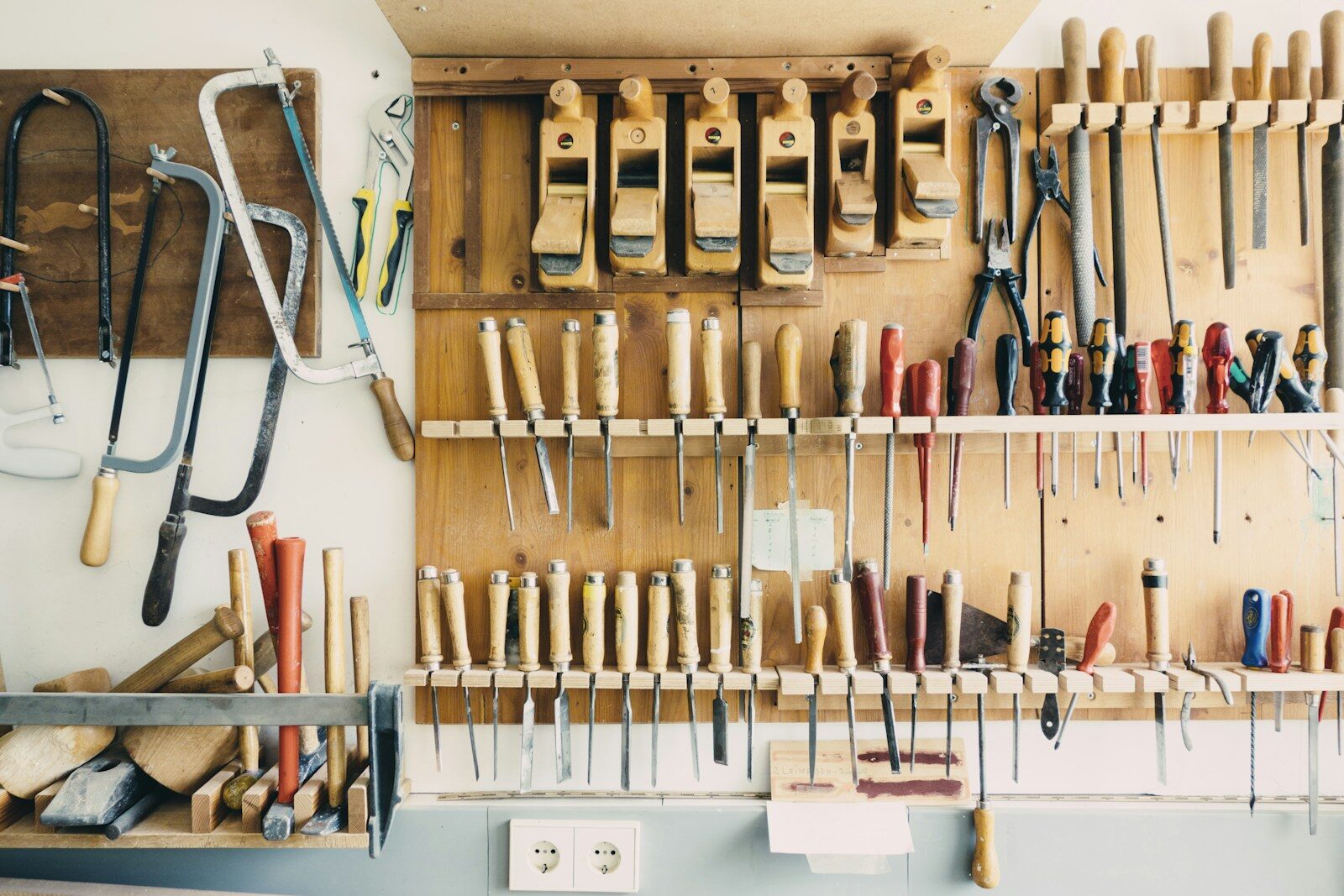
The spending data shows the pattern: growth concentrated not in casual entertainment but in the equipment, instruction and memberships of committed practice. Specialty retailers report customers who research like professionals. Evening classes fill months ahead. Maker spaces, climbing gyms and community workshops sell the combination the serious hobbyist actually needs, which is tools plus other people.
Why seriousness now
The explanations braid together. Knowledge work leaves hands idle and progress invisible, and a finished bookshelf is a rebuttal to both. Digital life made every skill learnable and every community findable. And a generation raised to monetize everything is discovering, with visible relief, the luxury of an endeavor that never has to become a business.
The commercial ecosystem has learned to respect the second word. Brands that treat hobbyists as apprentice professionals, with real instruction, repairable gear and honest difficulty, earn ferocious loyalty. Those that push the side-hustle framing meet the current culture's firmest boundary: the refusal to invoice one's own joy.
Economists file it under leisure spending. The participants, watching retailers rebuild themselves around gathering, would file it somewhere closer to infrastructure.