Update, 15 September: The board voted on Tuesday afternoon to close the main building immediately for a renovation expected to last about two years, hours after a federal judge ruled it cannot be renamed for President Trump without Congress. Our report is here.
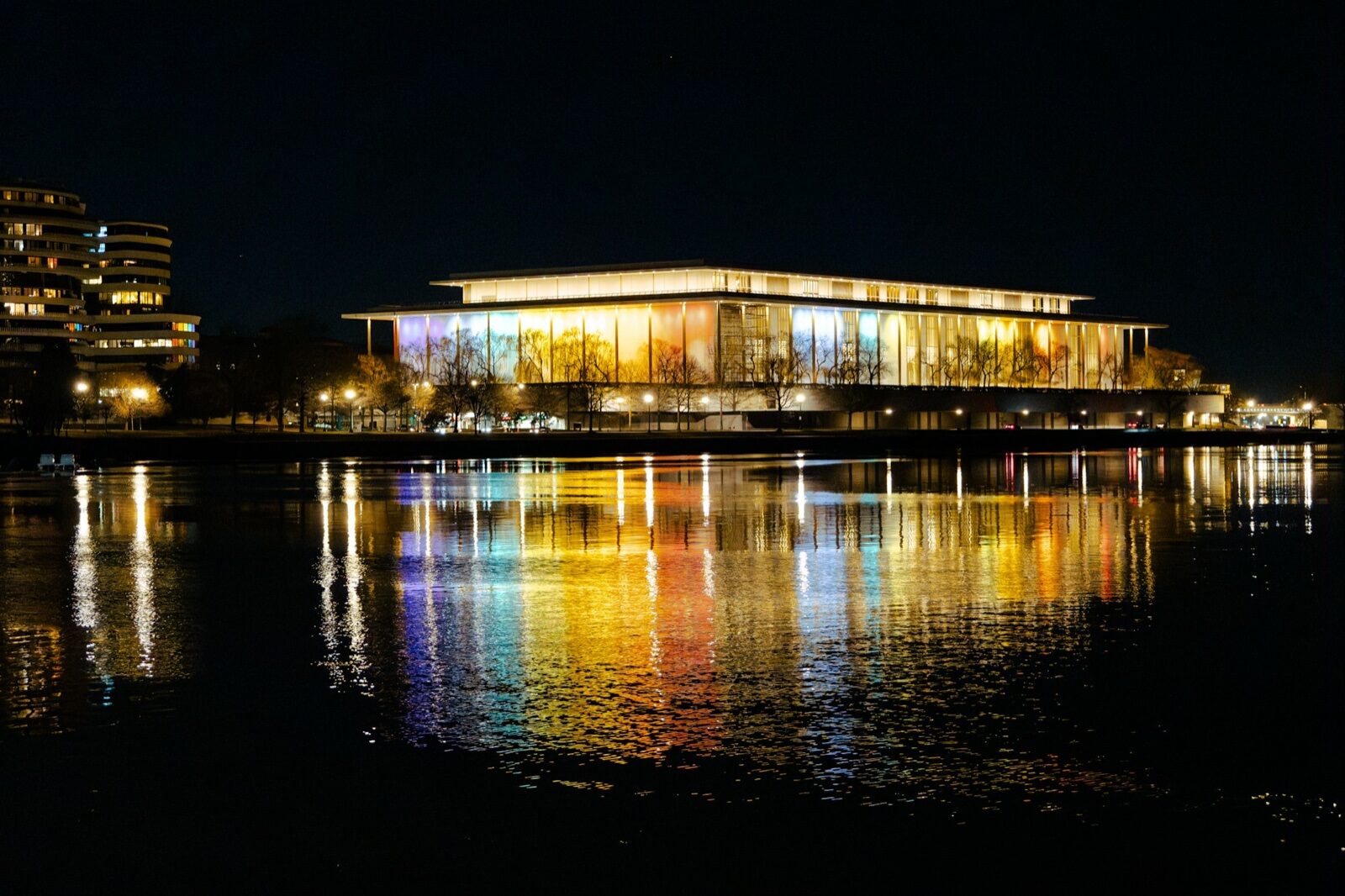
The John F. Kennedy Center for the Performing Arts has told a federal court that it is close to bankruptcy.
In board resolutions filed on Monday, the institution said it "is in such a precarious fiscal position that it will not be able to support its payroll obligations, nor routine maintenance contracts within a matter of weeks." According to reporting by NPR and The Washington Post, a 57-page internal report given to the board warns that it could be forced to close as soon as Tuesday.
The board is scheduled to meet on Tuesday afternoon. A federal court hearing in a related lawsuit is set for Tuesday morning. Neither had happened when this was published.
Three revenue lines fell at once
A performing arts centre is funded in three ways: what audiences pay for tickets and what the building earns from them, what donors give, and grants, including federal money. The internal report says all three have declined.
The scale is not a rounding error. The report projects $124 million in revenue this fiscal year against a budget of $220 million, and a $23 million deficit even after spending cuts.
Institutions of this size can survive one bad line. A bad season at the box office can be covered by a strong year for donors, and a donor retreat can be cushioned by grants. When ticket income, philanthropy and grants fall together, there is nothing left to borrow against, which is why the warning is about payroll within weeks rather than a difficult year ahead.
The building is part of the problem
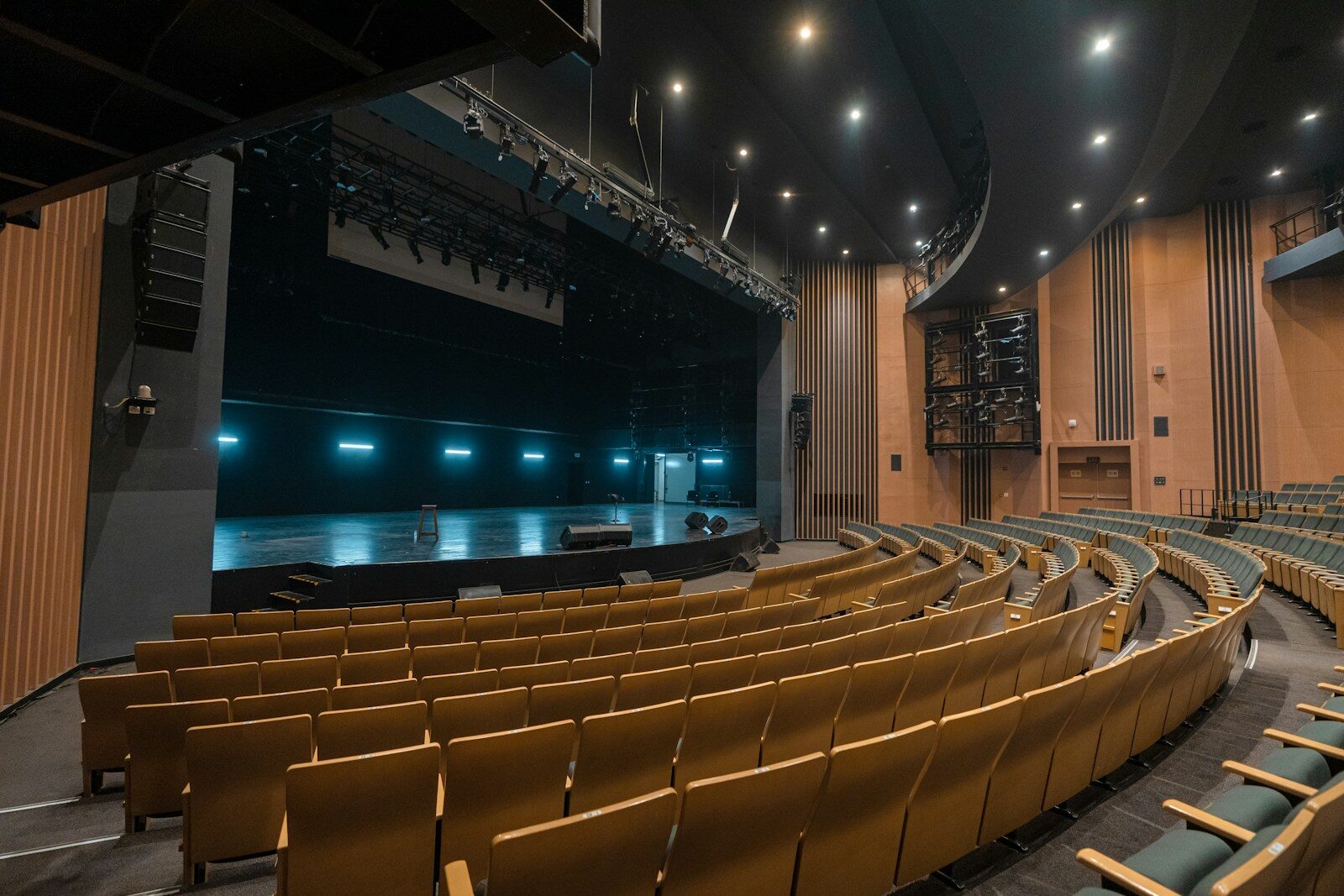
The board describes the centre as "unsafe for continued occupancy." On 5 September part of the ceiling in the grand foyer collapsed after rain damage.
A building that cannot safely host an audience cannot earn the ticket income that is supposed to pay for fixing it. Maintenance deferred to protect cash becomes repairs that close the doors, which removes the cash.
Rep. Joyce Beatty, an ex officio board member, disputes the board's account. She says construction consultants never declared the building unsafe, and has questioned the timing of the announcements given her pending lawsuit over efforts to rename the centre.
The rescue on offer
The most striking line in the reporting concerns the proposed way out.
Internal documents describe restoring President Trump's name to the building as the "only way to avoid bankruptcy," because it would allow him to lead a $250 million fundraising drive. The president chairs the board, most of whose members he chose.
That is the difficulty for anyone judging the plan on its merits. Performers and audiences have stayed away over the past year amid what many describe as the centre's politicisation, and its live calendar is now a fraction of its former size, according to NPR. A fundraising drive built around the president's name might bring in $250 million from donors who support it. It might also confirm the departure of the artists and audiences whose ticket money was one of the three lines that failed.
This desk has written about what happens to cultural institutions when funding returns but the people who ran them do not. The Kennedy Center's version is starker: most of its administrative staff have been fired or have left, according to NPR, and the question is whether it can reopen its halls rather than restaff them.
What to watch
Tuesday's board meeting and court hearing, which will show whether the closure warning becomes a closure. Then Congress, which created the centre as a national memorial and funds the upkeep of its building. A request for emergency federal money would move the question from a board chaired by the president to appropriators of both parties, and the name on the facade would become part of a budget negotiation rather than a fundraising plan.
The board resolutions filed in federal court and the quotations from them; the 57-page internal report; the projection of $124 million in revenue against $220 million budgeted and the $23 million deficit; the board's description of the building as unsafe; the 5 September ceiling collapse; the documents' description of restoring President Trump's name as the "only way to avoid bankruptcy" and the associated $250 million fundraising drive; the scheduling of a board meeting and a court hearing on 15 September; the account of declining ticket income, donations and grants; and Rep. Joyce Beatty's objections are as reported by NPR, The Washington Post and the Washington Examiner on 13 and 14 September 2026. This publication has not seen the internal report. Events scheduled for 15 September had not taken place at the time of publication. The analysis is our own.
Topics culturekennedy centerarts fundingwashingtonperforming arts