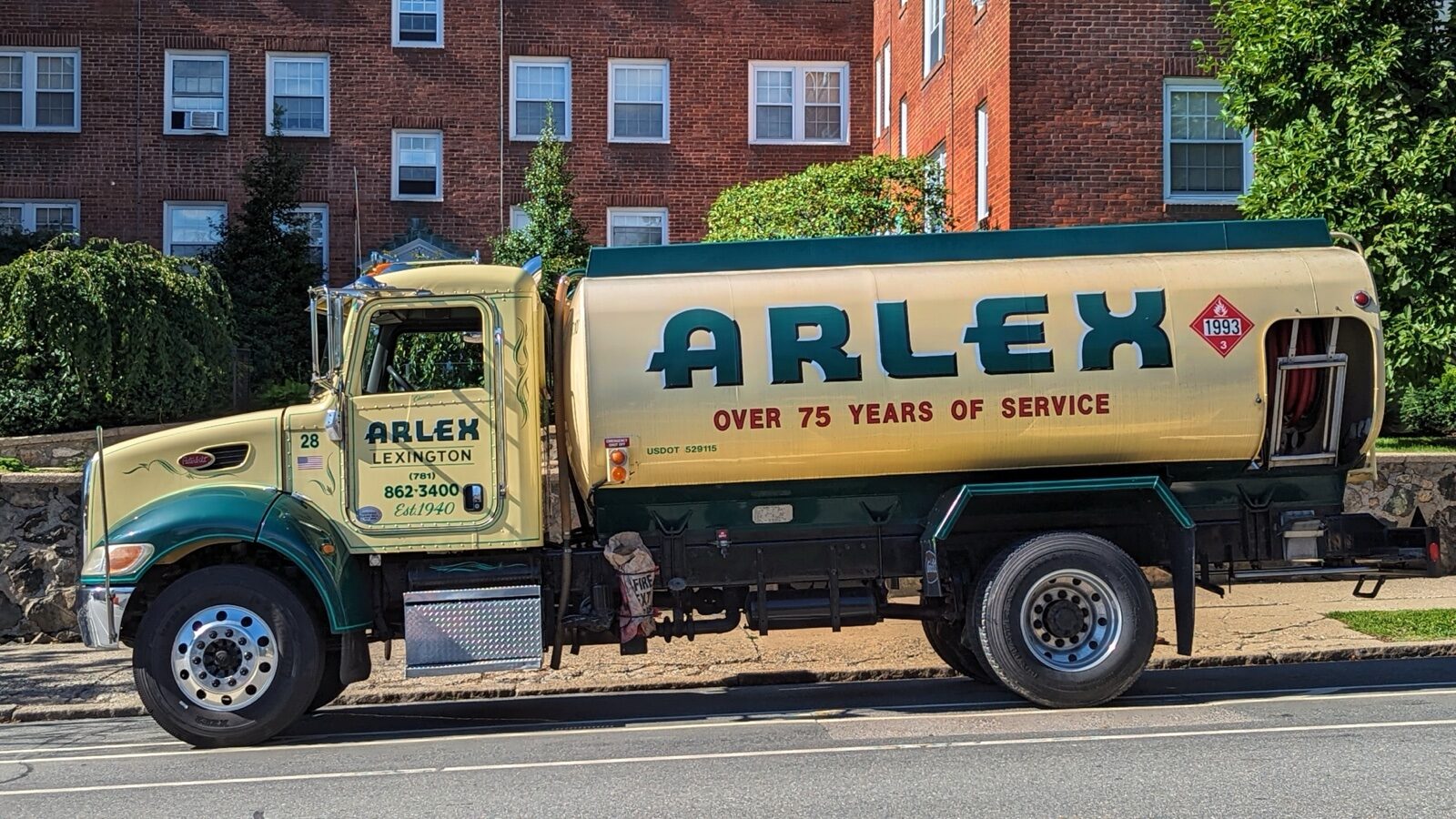
Home heating oil cost an average of $6.08 a gallon in Massachusetts on 28 September, according to Governor Maura Healey's office. A year earlier it was $3.52. That is an increase of 73 per cent, and the heating season has barely begun.
On Monday Ms Healey declared a state of energy emergency. About one in five households in the state relies on heating oil, her office said, particularly in older homes and rural communities.
The arithmetic that matters to those households is simple. A standard residential tank holds 275 gallons. Filling one from empty at last year's price cost about $968. At this year's price it costs about $1,672, a difference of roughly $700. That is the figure the governor used on Monday: many families, she said, could pay as much as $700 more for a single fill-up.
Priced off diesel
Heating oil is a close cousin of diesel. The two are distillate fuels from the same part of the refining process, and when one rises the other follows, the National Energy Assistance Directors Association, which represents the state officials who run federal heating aid, noted in a release on 28 September. The disruptions in the Middle East have hit distillates especially hard, the association said. This publication reported on Saturday that US diesel stocks are at their lowest for late September in four decades of weekly records.
The wholesale price shows how far the shock has already travelled. Heating oil for delivery in New York Harbor, the benchmark for the Northeast, traded at $4.70 a gallon on 28 September, according to Energy Information Administration data. On the closest trading day a year earlier it was $2.24. The wholesale price has risen by about 110 per cent, more than the retail price.
That is not a sign of restraint by dealers. Much of what a dealer adds, for trucks, drivers and margin, is a cost per gallon that does not rise with the price of oil, and on these figures it has barely moved. Comparing the state's retail survey with the wholesale price, the gap between the two was about $1.30 a gallon a year ago and about $1.40 now. In cents, all of the wholesale increase has been passed through, and a little more. In percentages, the fixed part makes the retail rise look smaller.
It also means retail prices are already above last winter's war peak. By the EIA's separate weekly survey, the Massachusetts residential price reached $5.77 in late March, when wholesale heating oil briefly passed $4.50. Wholesale is now higher than it was then, before the heating season has begun.
Half as much again
The directors' association expects the average household that heats with oil to spend about $2,627 this winter, against $1,749 last winter, an increase of about 50 per cent. A few weeks earlier it had projected 31.3 per cent. About 82 per cent of the country's heating oil is used in the Northeast, it said, and the extra cost for all households there could reach about $3.8 billion, including about $1.1 billion for low-income families.
In New England the increase is about $1,000 a household, the association estimated, and in the Mid-Atlantic states about $779. Its state tables put Massachusetts's 679,200 oil-heated households at $2,870 each this winter, up from $1,950. In Maine, where the projected bill rises to $2,939 from $1,664, the increase is close to 77 per cent.
"A 50 percent increase in heating costs is simply too much for a family living paycheck to paycheck to absorb," Mark Wolfe, the association's executive director, said in the release. The association noted that the National Oceanic and Atmospheric Administration expects a warmer winter, which would reduce how much oil households burn, but said it expected prices to stay high regardless.
What the emergency buys
The Massachusetts package is worth nearly $150 million, the governor's office said. Its main new element is for households that have never qualified for heating aid. Families earning between 60 and 100 per cent of the state median income, between $103,049 and $171,749 for a family of four, can receive up to $680 if they heat with oil. About 50,000 households are expected to qualify, with payments from December until the end of April or until the money runs out.
That is roughly the cost of one extra fill-up at this year's prices. It covers about three-quarters of the $920 increase the directors' association projects for the average oil-heated household in the state.
The roughly 156,000 low-income households in the state's existing Home Energy Assistance Program will receive 20 per cent more if they heat with oil and 15 per cent more if they heat with gas or electricity, at a cost of $15 million. The state will also spend $80 million to remove the charge for its solar incentive programme from residential and commercial electric bills from January to March, and will halve another clean-energy charge built into electricity supply rates, worth an estimated $20 million. The governor's office said the plan would lower bills for about 85 per cent of ratepayers. The emergency declaration also brings in the state's protections against price gouging on petroleum products.
The rest depends on Washington. Ms Healey has asked congressional leaders for an extra $3 billion for the federal Low Income Home Energy Assistance Program, which would bring it to $7 billion, the same request the directors' association has made. Until that money arrives, if it does, the difference between a $968 tank and a $1,672 one falls mostly on the people who order the oil.
Massachusetts prices, the one-in-five figure, the relief measures, their costs and eligibility thresholds are from Governor Maura Healey's office's announcement of 5 October 2026, as published by the Fall River Reporter, and from WBUR's report of the same day. Winter cost projections, the 82 per cent regional share and Mark Wolfe's remarks are from the National Energy Assistance Directors Association's press release of 28 September 2026 and its attached state tables. Wholesale prices are the EIA's New York Harbor No. 2 heating oil spot price (FRED series DHOILNYH). Last winter's Massachusetts peak is from the EIA's weekly residential heating oil price survey. The tank arithmetic and the wholesale-retail comparison are this publication's calculations; the state and EIA surveys use different samples, so the comparison is approximate. Accurate to 5pm ET on 5 October 2026.
Topics moneydieselenergy prices