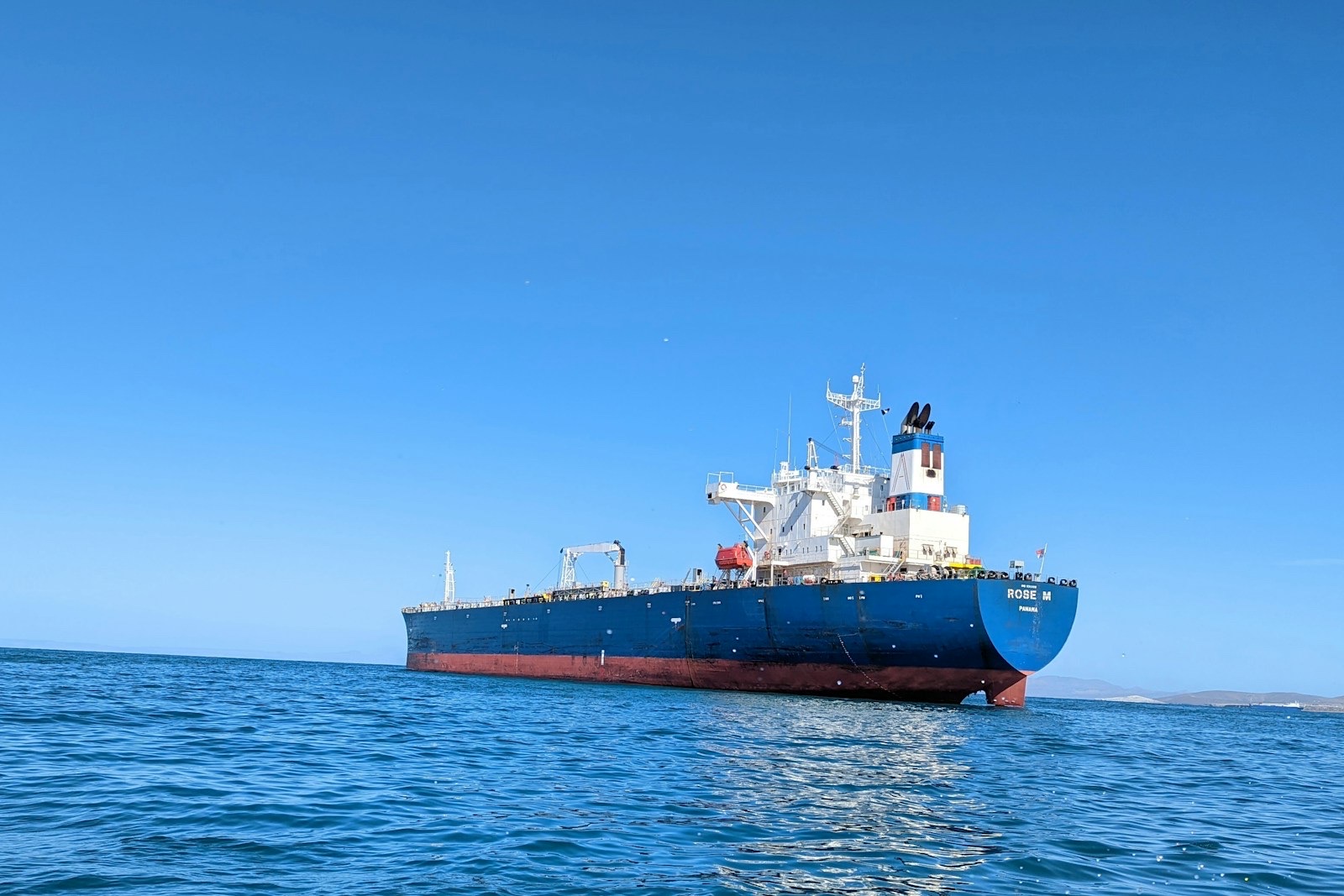
The Group of Seven agreed on Friday to release 100 million barrels of diesel and crude oil from government stocks over the next four months. The International Energy Agency will coordinate the release, and the statement said a substantial amount of diesel would be released within 20 days.
President Trump welcomed it. His administration had pressed European governments to draw down their emergency diesel, and over the past two weeks the president had said several times that a ban on US diesel exports was under consideration. On Friday, before leaving the White House for Alabama, he told reporters there would be no ban. "Europe has a lot of diesel, and they're going to be making a major world contribution, and so are we," he said.
What the 100 million barrels adds to the market is less clear than the number.
What the statement leaves out
The joint statement does not say how much of the volume is diesel and how much is crude. It does not say which countries will contribute. And it frames the release as the completion of an existing promise. "Taking into account commitments that have already been fulfilled, we will implement our commitments with a coordinated release through the IEA of 100 million barrels," it said.
The commitment in question is March's. After the war with Iran began and the Strait of Hormuz closed, IEA members agreed to release 400 million barrels, the largest emergency release on record. Fatih Birol, the agency's executive director, said this week that about two-thirds of it had been delivered. Reuters reported that it was uncertain how much of Friday's volume would come from what remains of the March pact.
Analysts at Energy Aspects were blunter. "This is a political statement rather than a specific and binding commitment with the large headline number intended to persuade President Trump not to impose a diesel export ban," they wrote in a note quoted by Reuters.
Before the meeting, EU governments had discussed a French proposal for European countries to release 50 million barrels of diesel and for IEA members to release 50 million barrels of crude, according to three people familiar with the talks who spoke to Reuters. A 50 million barrel diesel release would equal 17 per cent of the EU's emergency stocks of diesel and gasoil, according to Eurostat data cited by Reuters, or about 3 per cent of the bloc's annual consumption. France and Germany hold 35 per cent of the EU's strategic diesel, OilPrice.com reported.
For scale on the American side: the whole 100 million barrels is about 25 days of US distillate consumption at the rate the Energy Information Administration recorded last week, 3.95 million barrels a day.
Why Washington wanted it
The United States is the world's largest diesel exporter, and Europe, which uses more diesel than it refines, has come to depend on it. In the week to 25 September, the US exported about 1.5 million barrels a day of distillate fuel, according to the EIA.
Those exports have been leaving as American stocks run down. US distillate inventories were 105.2 million barrels on 25 September, 15 per cent lower than a year earlier. By our reading of the EIA's weekly series, that is the lowest for the last week of September in records that begin in 1982. Retail diesel averaged $6.38 a gallon on 28 September, after a record $6.53 the week before, a price that is squeezing small trucking companies. A year ago it was $3.75.
An export ban was the administration's threat, and its own energy secretary explained why it was an awkward one. "We're the largest diesel exporter in the world, but that same refinery that produces diesel also produces gasoline and jet fuel," Chris Wright said. If diesel cannot be exported and storage fills, he said, refiners would have to cut runs, "which would put upward pressure on gasoline prices and jet fuel prices." Goldman Sachs said a ban would hit Latin America hardest and could lower the region's GDP growth by 1 per cent.
The day before the G-7 agreed, Treasury Secretary Scott Bessent had written on X that "American farmers, truckers, and businesses should not be left carrying the burden of a global diesel shortage." The White House is also preparing an executive order, which could come as early as next week, to widen the use of tax-exempt red-dyed diesel and make other tax changes, two people familiar with the process told Reuters.
A refinery problem
Markets moved on the news. US diesel futures fell 3.25 per cent to $4.49 a gallon on reports of the talks, and European diesel futures fell by about $83 a tonne, Reuters said. Diesel's premium over crude fell to about $69 a barrel from $76.77 on Thursday, according to OilPrice.com.
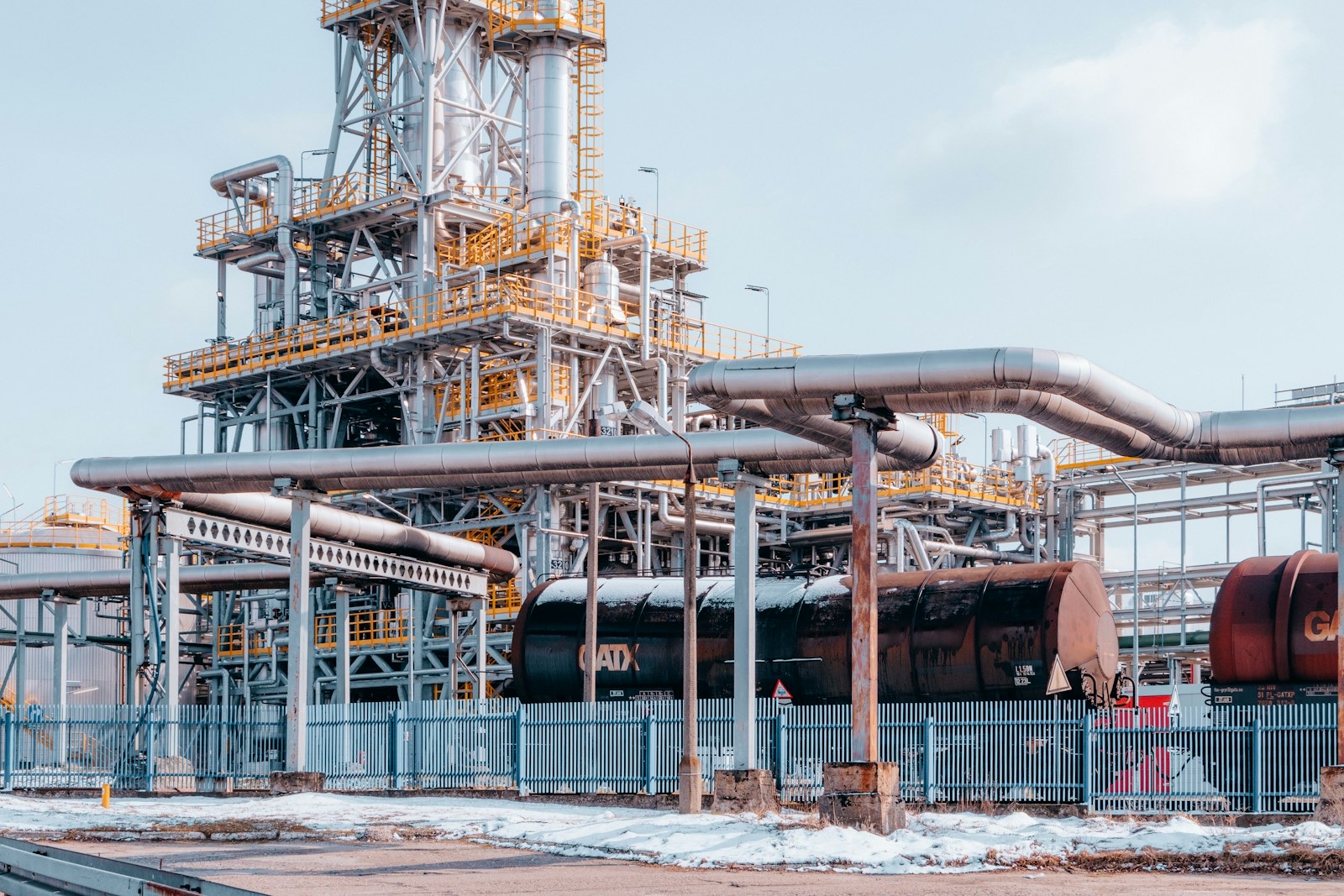
But emergency stocks do not add refining capacity, and refined fuel is what the market is short of. "We have 7 million barrels a day of refineries down in Asia and the Middle East and another 1.4 million barrels down in Russia," Brian Mandell, an executive vice president at Phillips 66, told analysts in August.
Two other suppliers have pulled back. On Wednesday Russia extended its ban on exports of diesel, marine fuel and gasoil to 31 October; before the ban, Russian diesel was about a tenth of global seaborne supply. And China's main refiners have suspended most fuel exports for October, according to Reuters reporting cited by OilPrice.com, after commercial diesel and gasoil stocks fell about 20 million barrels below pre-war levels, by Kpler's estimate.
In its September outlook, the EIA said it expected US distillate inventories to stay below their five-year low through much of 2027, and it assumed global distillate production would stay below last year's level in the coming months.
The G-7 also pledged that members would not restrict energy exports to one another, and said they would meet through the IEA "in the coming days" to discuss further diesel releases "as necessary". Those two commitments may matter more than the barrel count. The first, together with the president's remarks, takes a US export ban off the table for now. The second concedes that 100 million barrels may not be the last request.
The G-7 agreement, the quotations from the joint statement and from President Trump, the Energy Aspects note, the IEA's estimate of how much of the March release has been delivered, the French proposal for a 50 million barrel diesel release, Eurostat-based comparisons with EU stocks and consumption, the planned executive order and the market moves in diesel futures are from Reuters' report of 2 October 2026 as published by The Straits Times. Further quotations from the statement and the remarks of Chris Wright and Scott Bessent are from The Epoch Times' report of 2 October as published by NTD. The diesel crack spread figures are from OilPrice.com (Julianne Geiger, 2 October). Russia's export ban extension and the Phillips 66 quotation are from OilPrice.com (30 September); China's export suspension, citing Reuters and Kpler, from OilPrice.com (1 October); the Goldman Sachs assessment and the French and German share of EU diesel reserves from OilPrice.com (2 October). US distillate stocks, exports and product supplied are from the Energy Information Administration's Weekly Petroleum Status Report (data to 25 September 2026); the seasonal-low comparison and the conversion of the release into days of US consumption are this publication's calculations. Retail diesel prices are from the EIA's Gasoline and Diesel Fuel Update of 29 September. The September forecast is from the EIA's Short-Term Energy Outlook of 9 September 2026. Accurate to 9pm ET on 3 October 2026.
Topics worlddieseloilenergyrefiningfuel prices