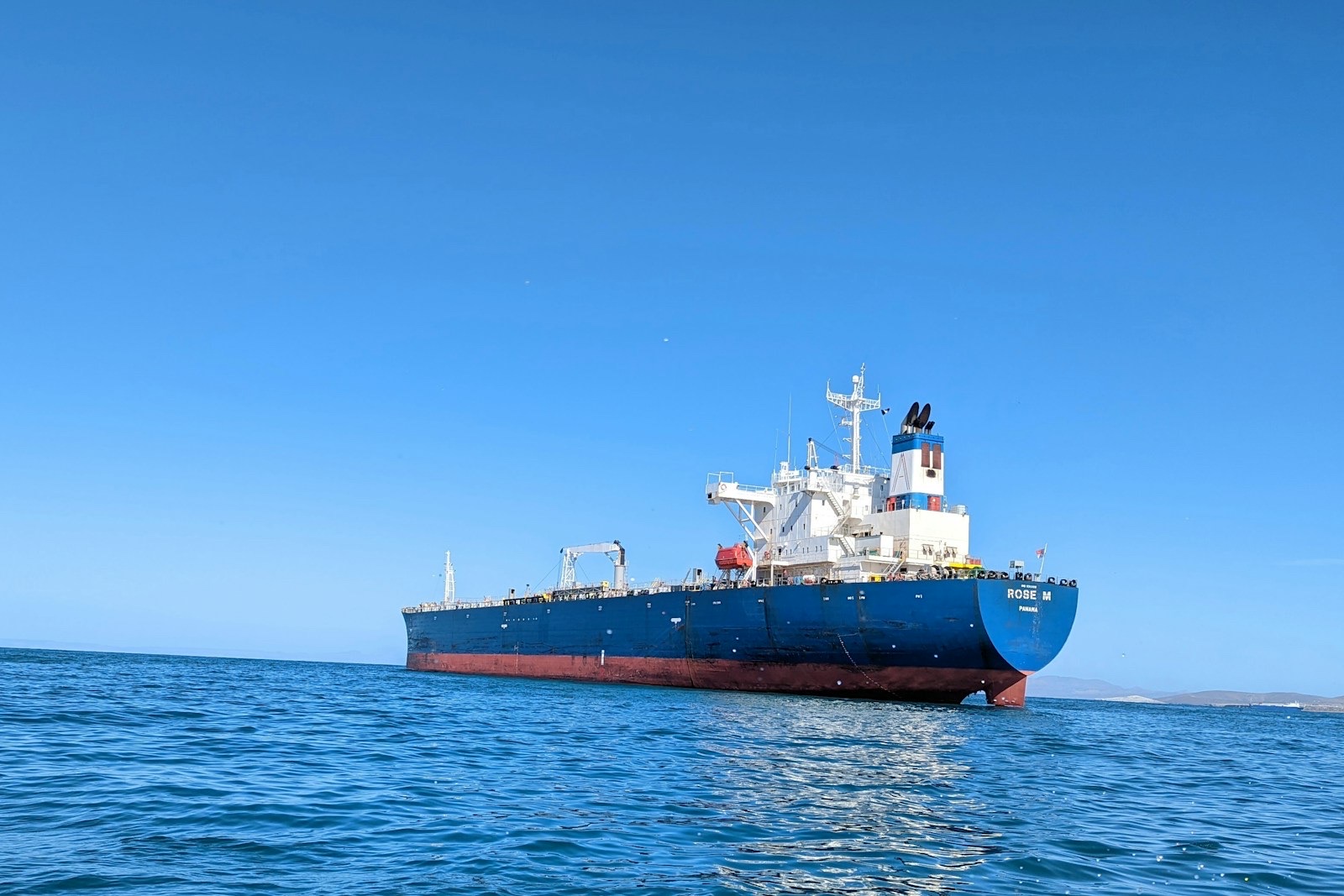
American forces have struck further Iranian tankers. Attacks have been reported on Saudi oil facilities. Brent went through $100 a barrel, equity futures fell and Treasury yields rose.
For most of this conflict the contested object has been a waterway and the ships that use it — a closure, a blacklist, a toll regime, a blockade line, and this week a proposed Iranian permitting zone over the same water the US Navy is already policing.
Striking the places oil is produced and loaded is not an escalation along that line. It is a different line.
Ships are recoverable. Plant is not.
A tanker that is turned back, blacklisted, detained or even disabled represents capacity that is suspended rather than destroyed. Hulls can be re-flagged, re-insured and re-crewed. The fleet that could not transit in May is still a fleet, and if the strait opened tomorrow a great deal of it would sail within a fortnight.
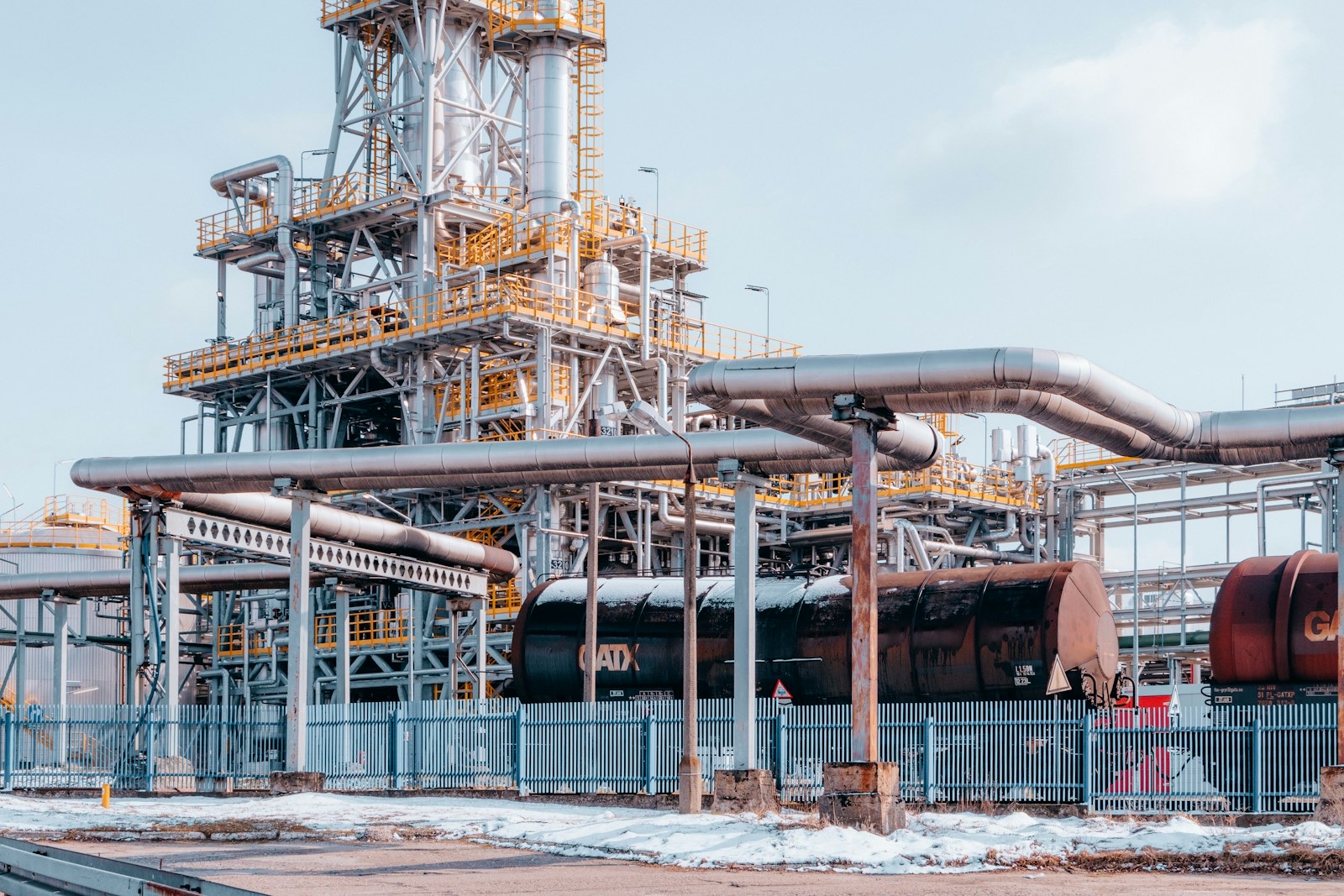
Fixed hydrocarbon infrastructure does not behave that way. A stabilisation train, a gas-oil separation plant, a loading berth, the pumps and manifolds that connect them — these are custom-engineered items with small numbers of qualified manufacturers and lead times measured in quarters or years. There is no spot market for a spare processing train.
That is the whole distinction, and it is why this week's prices moved differently from the ones during the closure. A market can hold a view about how long a blockade lasts. It cannot hold a view about how long a damaged plant takes to rebuild, because that is a manufacturing question with an answer nobody can accelerate with a diplomatic settlement.
What the price is now pricing
Through the closure, the extraordinary freight economics told the story: six transits a day where there had been eighty-five, and day rates for a very large crude carrier past $200,000. That was scarcity of willing transport against unchanged production.
A hundred dollars is a different claim. It says the market is no longer only pricing the difficulty of moving barrels but the possibility of there being fewer barrels — and that expectation, once it is in the curve, is far stickier than a shipping premium, because it does not unwind on a headline about talks.
This desk has argued before that clearing the mines did not reopen the strait, because the mines were never the constraint. The corollary now runs the other way: a settlement would reopen the strait and would not restore a damaged facility.
There is no detour for this either
Europe answered a closed Suez by sailing around Africa. It cost more and it worked.
The Gulf has no such alternative for transit, which this paper has written about. It has even less of one for production. Spare capacity globally is concentrated in a small number of fields, most of them in the same region, and the reserves held against disruption are sized for weeks of interruption rather than for a structural loss of processing capability.
So the substitution that normally disciplines an oil price — higher price calls forth more supply — is unusually weak here, and the marginal barrel is expensive to find precisely because the disruption is where the cheap barrels are.
What to watch
Not the barrel price, which is the aggregate of everything and will be reported hourly.
Watch the spread between prompt and twelve-month Brent. A shipping disruption shows up in the front of the curve and flattens further out, because everyone expects transit to resume. Damage to production capability lifts the back of the curve, because it is a statement about supply next year.
If the twelve-month contract starts climbing alongside the prompt, the market has concluded that this stopped being a shipping conflict — and that judgement will be made in the curve some weeks before anybody publishes a damage assessment.
Reports of further US strikes on Iranian oil tankers, of attacks on Saudi Arabian oil facilities, and of Brent crude passing $100 a barrel with associated moves in equity futures and Treasury yields are as reported by TheStreet, CNBC, Charles Schwab market commentary and wire coverage on 8 and 9 September 2026. The statement by Iran's Supreme National Security Council secretary regarding a restricted maritime zone is as reported earlier this week and covered by this publication. Damage assessments at any specific facility are not public and none is asserted here. The account of repair timetables for processing infrastructure is general and is our own.
Topics worldhormuziranoilenergy