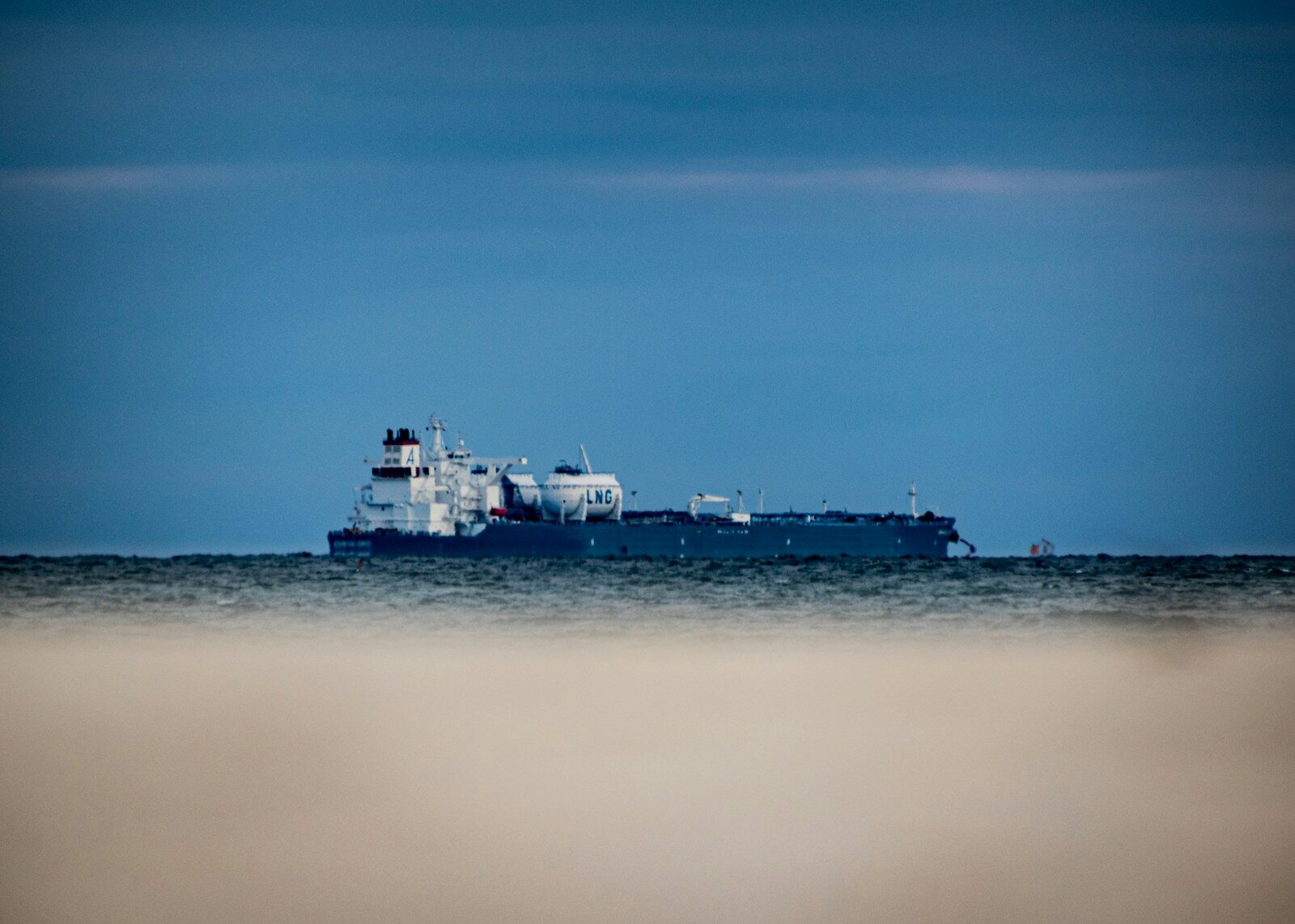
Mohsen Rezaei, who runs Iran's Supreme National Security Council, said over the weekend that Tehran will declare a restricted maritime zone within days. It would run from the line of the American naval blockade, through the Strait of Hormuz, and into the Persian Gulf.
A ship entering it without Iranian coordination goes on a list. The listing is said to affect the vessel's insurance and its future passage.
Nothing has been declared yet and no coordinates have been published. But the shape is clear enough to describe, and it is a different object from anything this conflict has produced so far.
What is new is not the threat
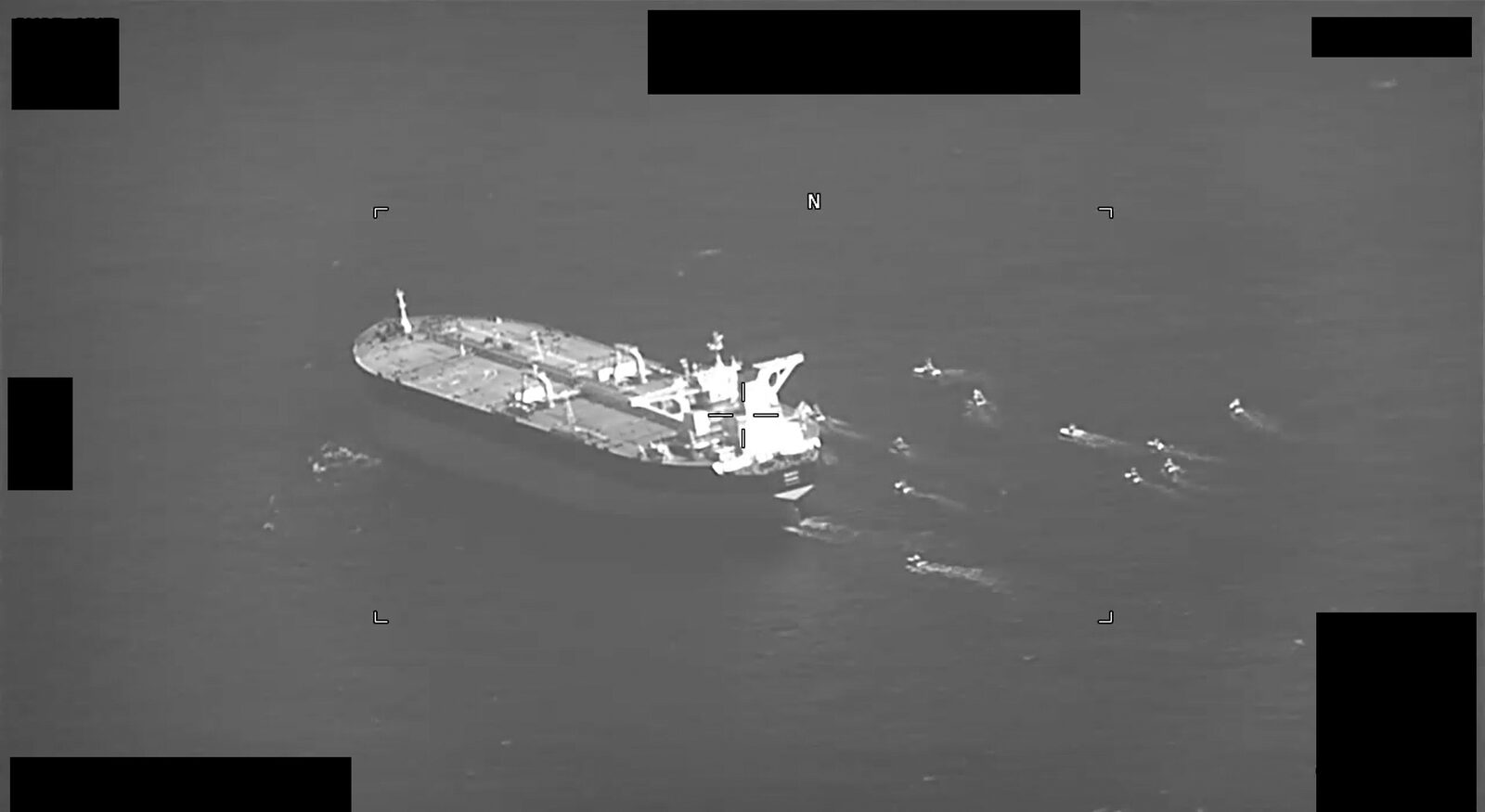
Iran has closed the strait, published a blacklist of named hulls that spreads by ordinary commercial contact, and demanded that transit be authorised. American forces have run a blockade line: 87 commercial vessels redirected as of 3 September, three disabled, two boarded.
Each of those is one government asserting control over the waterway. What arrives now is the second one asserting the same thing in the same form.
A restricted zone with a permitting requirement and a penalty list is precisely what a blockade is. Iran is not threatening to attack ships in the strait. It is proposing to administer them, using the instrument the United States has been using, over water the United States is currently policing.
The master's problem is not danger. It is arithmetic.
Consider a tanker at the eastern approach.
To satisfy the American line, it complies with a US Navy instruction and does not coordinate with Tehran. To satisfy the Iranian zone, it coordinates with Tehran, which means transacting with the IRGC's Strait Authority — a toll regime with fees reported at up to $2m a vessel, payable in yuan, Bitcoin or tether.
Doing the first puts the ship on Iran's list. Doing the second is a sanctions exposure in every Western jurisdiction the owner operates in, and probably a criminal one. There is no third option that is transit, because both regimes cover the same water at the same time.
That is why no Western-allied commercial transit has been documented since 4 May. It is not primarily fear. Owners have been sailing into war-risk areas for as long as there have been wars. What stops a ship is the absence of any sequence of lawful actions that gets it through.
The penalty is the interesting part
Iran is not saying it will sink the uncoordinated ship. It is saying the ship will be listed, and that the listing will reach its insurance and its future passage.
That is a claim about paperwork, and it is a more sophisticated instrument than a missile. A warship can escort a tanker and still not underwrite it: naval protection does not reach the war-risk market, and the war-risk market is what actually decides whether a voyage happens. A threat aimed at cover rather than at hulls goes straight to the binding constraint and costs nothing to execute.
It is also, unlike an attack, unfalsifiable in the short run. Nobody can demonstrate that a listing did not affect a renewal.
What it does to the people aboard
Very little that is new, which is the grim continuity in all of this.
Every party to a voyage can move the risk somewhere else. Owners insure hulls, charterers hedge freight, buyers reprice cargo, and states issue instructions from a distance. The crew is the one party in the chain that cannot transfer anything, and a second permitting regime adds a category of jeopardy — detention, listing, being aboard a vessel that one government says is in violation — that lands on the same twenty-odd people.
The precedent nobody wants
The reason to take an unpublished zone seriously is that it is copyable.
An authorisation regime over an international strait, enforced through insurance rather than force, is cheap, deniable and requires no navy to sustain. If it functions here — if listing a ship measurably raises what it costs to insure and where it can call — then it is available to any state adjacent to a chokepoint, and there are several.
That is the part of this that outlasts the current conflict, and it is being tested in the one strait where the world can least afford the experiment.
What to watch
Not the declaration, which will come and will be maximal.
Watch whether the zone's published coordinates overlap the American line, or stop short of it. An overlap is a deliberate collision and forces every owner to choose a government. A gap — a zone that begins inside the Gulf, where the US line does not run — would be Iran claiming what it already controls, which is a much smaller event dressed as a larger one.
And watch the war-risk underwriters. They will price the listing threat within days of the text appearing, and their quotes will say whether this is an instrument or an announcement.
The statement by Iranian Supreme National Security Council secretary Mohsen Rezaei on 6 and 7 September 2026 that Iran would declare within days a restricted maritime zone running from the line of the US naval blockade through the Strait of Hormuz into the Persian Gulf, with vessels entering without Iranian coordination placed on a sanctions list affecting their insurance and future passage; the absence of documented Western-allied commercial transits since 4 May 2026; the operation of an IRGC "Persian Gulf Strait Authority" toll regime with per-vessel fees reported at up to $2m payable in Chinese yuan, Bitcoin or USDT; and the redirection by US forces of 87 commercial vessels, the disabling of three and the boarding of two as of 3 September are as reported by United Against Nuclear Iran's shipping updates and GlobalSecurity's conflict tracking during September 2026. The zone had not been formally declared at the time of writing and its coordinates are not published. Earlier events in this cluster are as previously reported by this publication. The analysis is our own.
Topics worldhormuzshippingiransanctions