There are two numbers describing the Strait of Hormuz this week and they point in opposite directions.
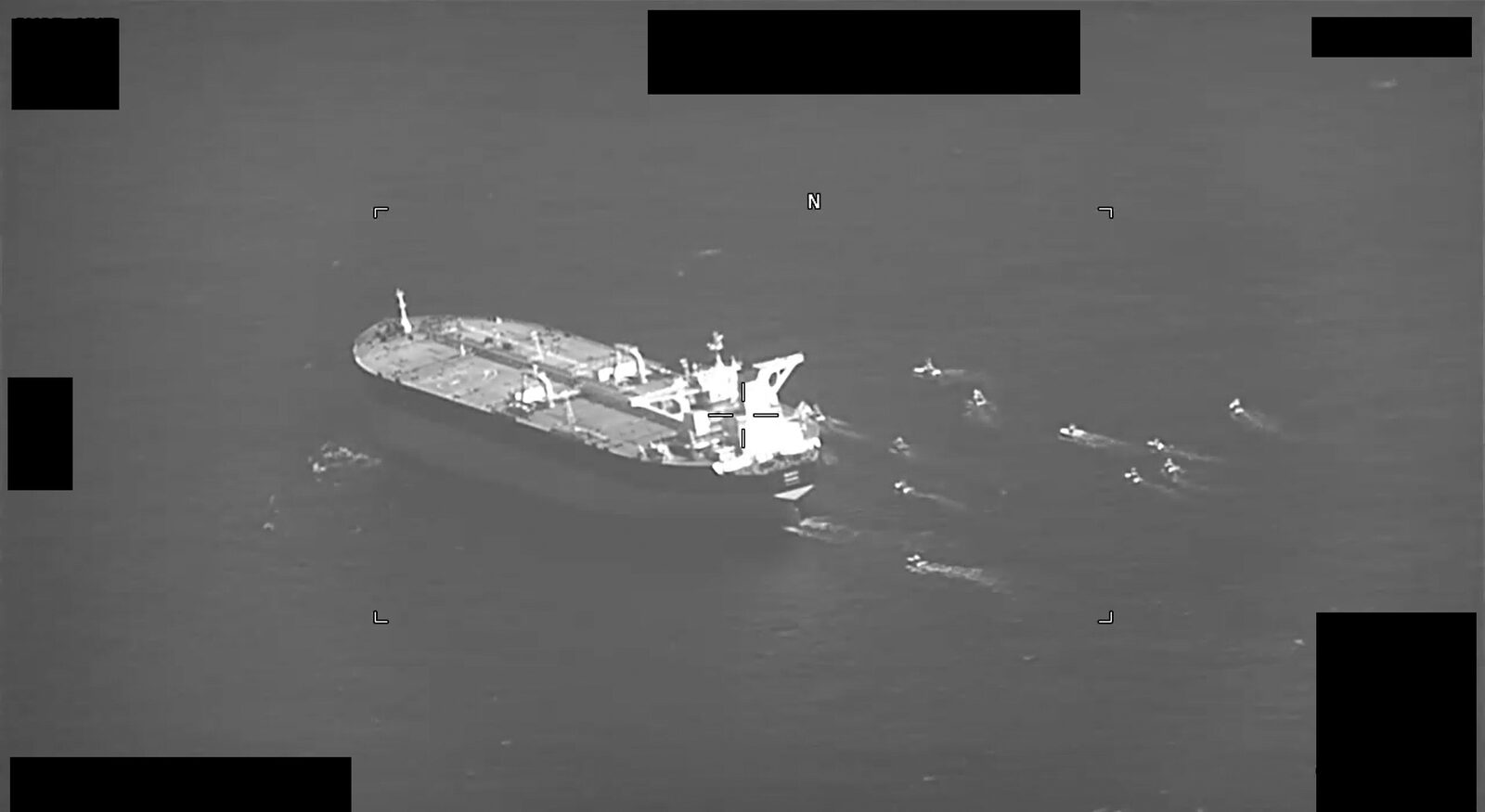
The first is transits: a handful a day against a pre-crisis baseline that IMF PortWatch puts near eighty-five. The strait is, for practical purposes, shut.
The second is the price of a ship. Time charter equivalent earnings for a very large crude carrier on the Middle East Gulf to China run have passed two hundred thousand dollars a day — up more than four hundred and forty percent year on year, and at a level last seen in 2020. Frontline reported sixty-seven percent revenue growth in its fiscal first quarter and had already booked more than eighty percent of its second-quarter VLCC days. DHT Holdings reported revenue growth of nearly a hundred and thirty-five percent.
Both numbers are consequences of the same event.
Why a blocked route raises the price of a ship
Freight rates are not set by how much cargo moves. They are set by the ratio of cargo that wants to move to tonnage willing to carry it, and a closure hits the denominator harder than the numerator.
Oil demand in Asia did not fall because Iran mined a strait. The barrels still need to arrive. What changed is the supply of ships prepared to go and get them — owners whose vessels are on a blacklist, or who fear joining it, or whose insurers have withdrawn cover, or whose crews have refused. Every hull that declines the trade is removed from effective supply while demand for the voyage is unchanged.
Then the routes lengthen. Cargo that cannot transit Hormuz is replaced by cargo from further away, and a tonne of crude sourced from the Atlantic basin instead of the Gulf occupies a ship for weeks rather than days. Tonne-miles rise even as cargo volumes fall. The fleet is doing less useful work and is busier doing it.
Who is on each side of this
The gain is concentrated and legible. It goes to the owners of hulls that are still trading, and it arrives as spot earnings that flow almost directly to the bottom line, because a tanker's costs barely move with the rate it earns.
The cost is diffuse and mostly invisible. It is paid by refiners, then by anyone buying refined product, in a currency of a few cents a litre spread across hundreds of millions of people who will never connect the two.
And it is paid, disproportionately and finally, by the people aboard. Since the end of February, by Philippine government figures, thirty-one vessels carrying four hundred and twenty-one Filipino seafarers have been attacked in incidents involving this strait: three killed, one missing, ten injured. Two of the dead were aboard the Bahri tanker Sidr on Monday.
The wage premium those crews receive for sailing a war-risk voyage is a small multiple of ordinary pay. The freight premium their employers receive is more than five times what it was a year ago. This paper has made the point before that the ships can reroute and the people aboard them cannot. The rate sheet is where you can see what each of those parties is worth to the market.
The payout ratio is the confession
The most informative number in tanker equities right now is not the rate. It is DHT Holdings distributing a dividend yielding about 14.75 percent on a payout ratio near a hundred and twenty-four percent.
A company paying out more than it earns is not being reckless and is not signalling confidence. It is doing the correct thing with a windfall it does not expect to repeat. Retaining the cash would imply reinvestment, and reinvestment in tankers means ordering ships that arrive in three years into a market that may by then have normalised — which is precisely how every previous shipping cycle destroyed the capital the previous boom created.
So the owners are handing the money back, which is a statement that they read this as a spike rather than a level. Evercore reached the same conclusion from outside, cutting Frontline and DHT to In Line and Nordic American Tanker to Underperform on the view that closure-driven rates will not hold.
The people closest to this trade are collecting record earnings and telling you, through their capital allocation, not to price them as permanent.
What would end it
Not a ceasefire, and not the sweeping of mines — clearance has already happened and the traffic did not return.
It ends when tonnage comes back to the trade, and tonnage comes back when owners can get cover and crews will sail. That is a decision made by underwriters and by seafarers' unions, not by navies, which is why an escort does not lower a premium and why Iran's blacklist that propagates through ordinary commercial contact is the more effective instrument.
Watch the spread between VLCC earnings on Gulf routes and on non-Gulf routes of similar length. That difference is the pure war premium, stripped of the tonne-mile effect and of Indian buying. When it narrows, ships are returning. Until then, every day the strait stays shut is a day the fleet gets paid for the closure, and somebody's crew sails through it for a fraction of the difference.
The rise in VLCC time charter equivalent earnings past $200,000 a day on the Middle East Gulf to China route, the year-on-year increase of more than 440 percent, the comparison with 2020 levels and the observation that the market has recorded the most days in six figures since the 2000s supercycle are as reported by Maritime Executive, Lloyd's List and Hellenic Shipping News during 2026. Frontline's 67 percent fiscal first-quarter revenue growth and the booking of more than 80 percent of second-quarter VLCC days, and DHT Holdings' revenue growth of nearly 135 percent, dividend yield of about 14.75 percent and payout ratio of about 124 percent, are as reported by market coverage in 2026. The Evercore downgrades of DHT and Frontline to In Line and of Nordic American Tanker to Underperform, and the reasoning attributed to them, are as reported by Investing.com. Transit counts are as reported by IMF PortWatch. Figures in this piece are drawn from coverage published at different points in 2026 and are not all contemporaneous. The analysis is our own.
Topics worldshippinghormuztankersenergy