The Federal Trade Commission and seven states asked a federal judge in Manhattan on Tuesday to hold Martin Shkreli in civil contempt. They say he has broken the 2022 order that bans him for life from the pharmaceutical industry by trading drug company shares and using livestreams to campaign against small biotech companies.
These are allegations in a motion. The court has not ruled, and Shkreli has not yet answered in court. Reuters reported that a lawyer for Shkreli did not immediately respond to a request for comment, and Gizmodo said Shkreli did not immediately respond to emailed questions. We found no response from him or his lawyers by the time of publication.
The order
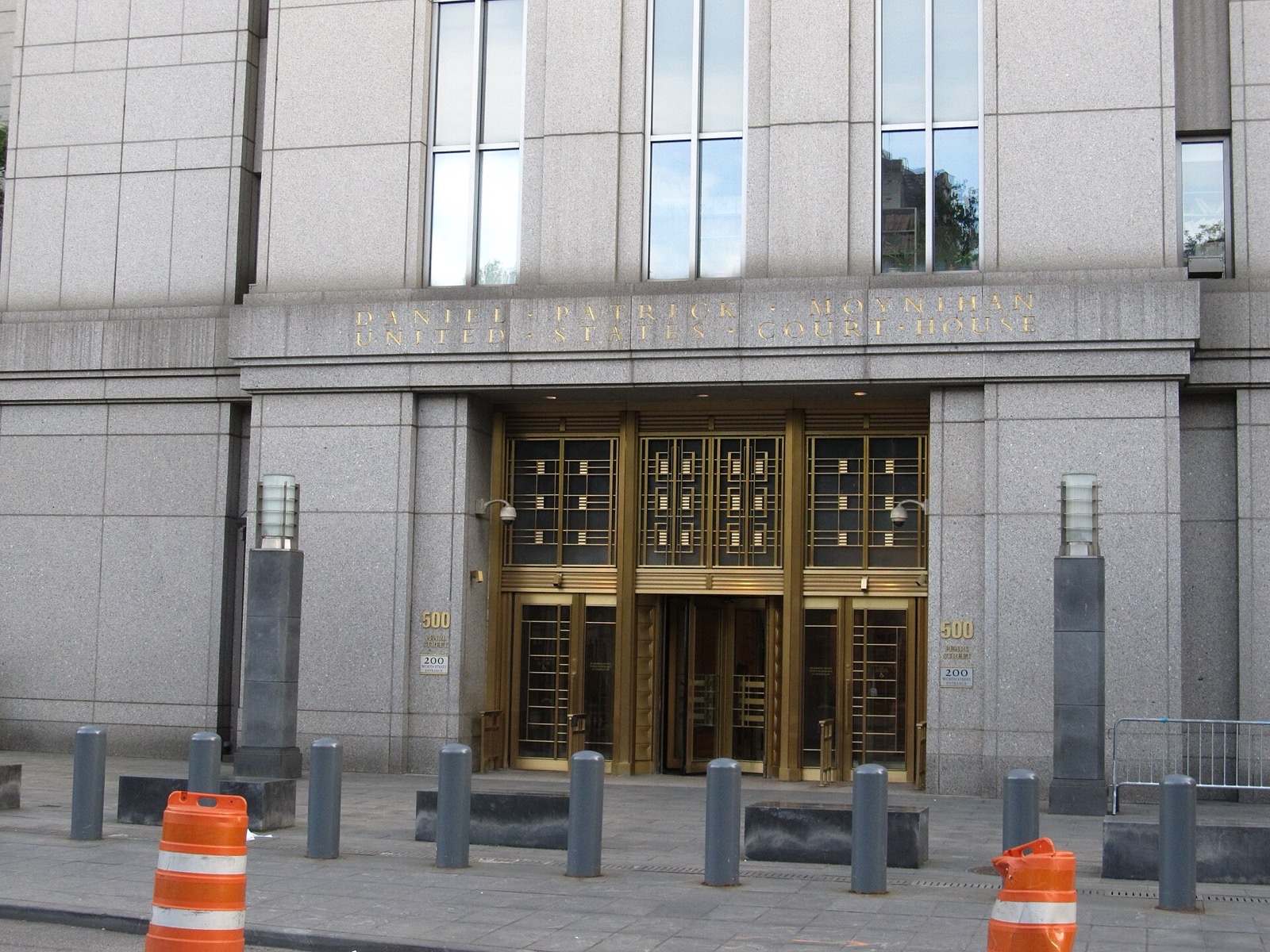
The motion was filed by the FTC with New York, California, Illinois, North Carolina, Ohio, Pennsylvania and Virginia in the antitrust case first brought in 2020. Reuters reported that it asks U.S. District Judge Denise Cote, who imposed the ban, to hold Shkreli in contempt.
After a bench trial, the court found that Shkreli, as chief executive of Turing Pharmaceuticals, later renamed Vyera, raised the price of Daraprim from $17.50 to $750 a tablet and restricted generic competitors' access to what they needed for approval. It found him individually liable under federal antitrust law and parallel state laws, and in an order dated 4 February 2022 banned him "for life from directly or indirectly participating in any manner in the pharmaceutical industry," and ordered him to pay more than $64 million. The ban specifically covers holding any stock in a pharmaceutical company and taking any action to influence how one is run, according to the plaintiffs' memorandum of law.
The Second Circuit upheld the injunction in January 2024, and the Supreme Court declined to hear his appeal in October 2024, the memorandum says. Separately, Shkreli was convicted of securities fraud in 2017 and given a seven-year prison term, Reuters noted. He was still in prison when the ban was issued and was released in May 2022.
What the agencies allege
The memorandum says Shkreli has held shares in more than 60 pharmaceutical companies since July 2022. It cites his own livestreams, his statements and profit-and-loss summaries he shared publicly. It describes four phases: a 2022 trading contest with another YouTuber; a 2024 short position in Cassava Sciences; a 2025 trading challenge in which he shorted INmune Bio, aTyr Pharma and Capricor Therapeutics; and a challenge begun in June 2026 with an account he said held $10 million.
According to the FTC, he told viewers in one stream, "I'm showing you how to trade and invest in biotech," and in another, "It doesn't matter what trades I make because I can always find a couple of biotech stocks to smoke." The agencies argue that his public criticism of companies he was shorting was itself an attempt to influence their business, which the order forbids. They allege that his comments moved share prices, and that short campaigns can make it harder for small drug developers to raise money.
"When judgment is entered by a court, whether it's a settlement or an order following a trial, defendants must fulfill their obligations," Daniel Guarnera, director of the FTC's Bureau of Competition, said in the release. "Today's action should serve as notice that the FTC will not hesitate to enforce violations of court orders."
The Commission voted 1-0 to authorise the filing; Chairman Andrew Ferguson was recused. In a separate statement, Commissioner Mark Meador said the staff's record showed that Shkreli "chose to blatantly disregard the order after leaving prison," and that "a lifetime industry ban is only effective if breaches are met with consequences commensurate with the seriousness of the order."
What they are asking for
The plaintiffs want the judge to order Shkreli to explain why he should not be held in contempt, and then to impose five sanctions. He would sell any pharmaceutical shares he owns. He would pay a fine equal to his profits from trading pharmaceutical stocks since the order was issued on 4 February 2022, "with no offset from losses on violative trades," plus prejudgment interest. He would give a sworn accounting of those trades and a sworn financial statement. An auditor, paid for by Shkreli, would check the accounting and calculate the profits. And he would face escalating fines, and potentially jail, if he does not comply or violates the order again.
The motion puts no dollar figure on the fine. The memorandum says the agencies do not have access to most of the evidence of "how he has profited," which is why they want the accounting and the auditor first. It also says Shkreli still owes all of the money the 2022 order told him to pay the states. Separately, it asks the court to order Shkreli and two people close to him, who it says appear to have helped with his trading, to preserve evidence.
The plaintiffs support the no-offset request with earlier disgorgement rulings, including two by Judge Cote, one of which rejected reducing the amount owed to account for securities a defendant sold at a loss. By this publication's reading, that matters for anyone who trades both ways. Someone with profits on some positions and losses on others could owe more than his net gain. In July 2026, the memorandum says, Shkreli said he had "lost millions" on his 2025 Capricor short.
What happens next
The first step is whether Judge Cote signs the proposed order to show cause and sets a timetable. Shkreli's response will show which allegations he contests. If the court grants the sanctions, the size of any fine would be set only after the accounting and audit. Conduct remedies depend on enforcement: when twelve states settled with Paramount last month, they took promises about behaviour backed by payments for each missed target.
The allegations, the relief sought, the four phases of trading, the companies named, the quotations from Shkreli's livestreams and the history of the 2022 injunction and its appeal come from the plaintiffs' motion and memorandum of law, filed on 13 October 2026 in FTC v. Shkreli, No. 1:20-cv-00706-DLC (S.D.N.Y.), as published by the FTC. The names of the seven states come from the motion. The vote, Ferguson's recusal and Daniel Guarnera's remarks come from the FTC press release of 13 October. Commissioner Mark Meador's remarks come from his published statement of the same date. The name of the judge, Shkreli's 2017 conviction and sentence, and the lack of an immediate response from his lawyer come from Reuters as carried by Investing.com; Gizmodo also reported that Shkreli did not immediately respond to emailed questions. Every account of Shkreli's conduct in this story is an allegation by the plaintiffs that has not been tested in court. The point about netting losses is this publication's reading of the requested relief, not a statement by either side.
Topics businesspharmaceuticalsantitrust