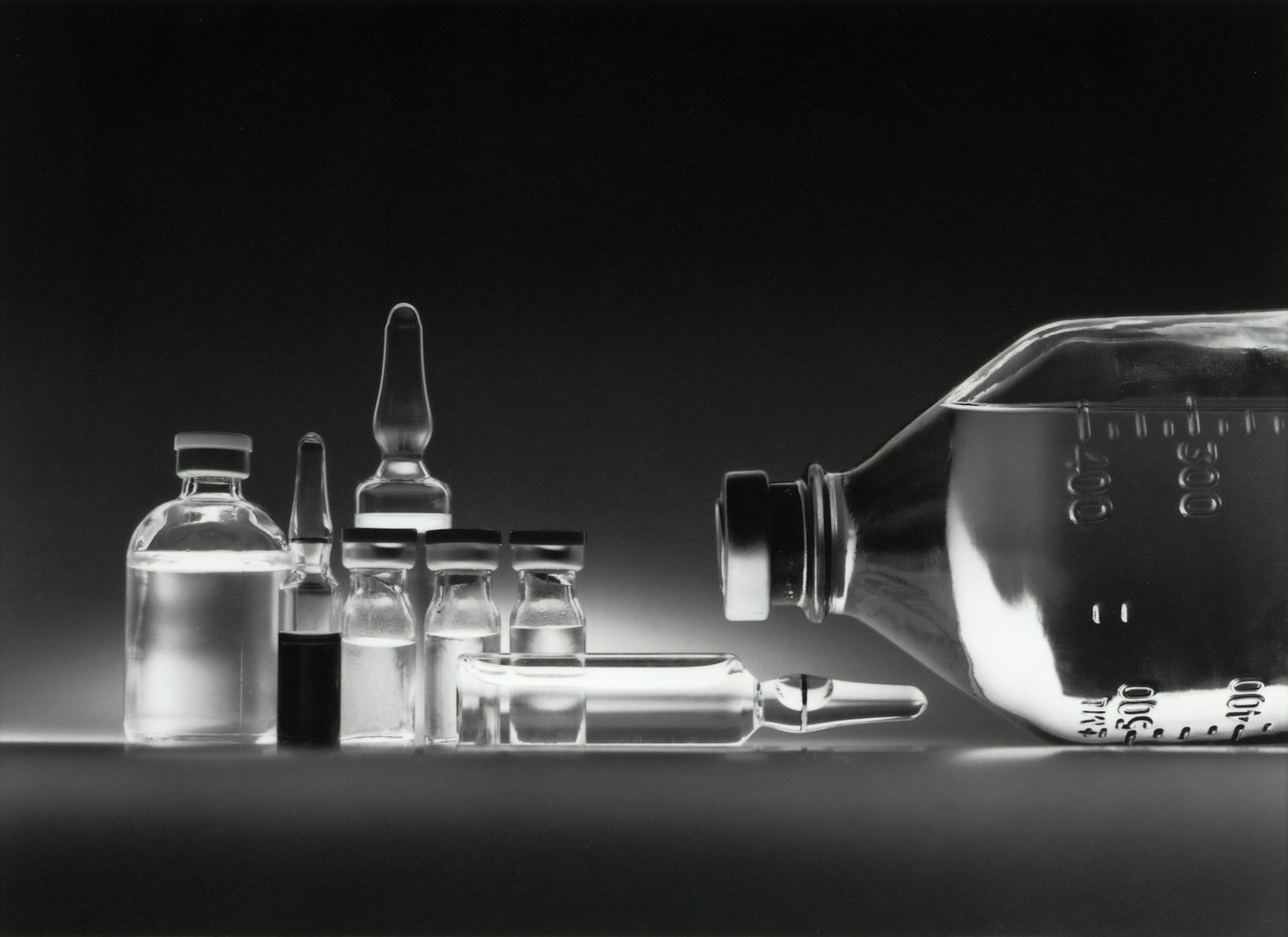
The drugs that go missing are rarely the ones anybody argues about. They are not the new biologics with list prices in five figures. They are sterile injectables that have been off patent for thirty years and sell for a small number of cents per vial: saline, common anaesthetics, basic chemotherapy agents, electrolytes, the ordinary contents of a crash cart.
That inversion is the clue to the whole problem. A drug in shortage is usually in shortage precisely because it is cheap, and the market has responded to cheapness exactly as it should have.
Thin margins produce concentrated plants and no redundancy
Manufacturing a sterile injectable to modern standards is not cheap. Clean rooms, validated processes, environmental monitoring and continuous regulatory oversight cost roughly the same whether the vial sells for eight cents or eighty dollars. When the price is eight cents, the only way to survive is scale, and scale means consolidation.
The result is a supply base where a single facility can account for a large share of global output of a given molecule, and where the surviving producers run their lines at full utilisation because idle capacity cannot be justified against the margin. There is no slack anywhere in the system by design.
So when an inspection finds a contamination problem and a line stops, there is no second line. The stoppage is not a local event, it is a global one, and it lasts as long as remediation takes, which is typically months and occasionally years. Competitors cannot simply absorb the volume, because absorbing it would require the spare capacity that the economics already eliminated.
Purchasing practice made this worse for a long time and is only now adjusting. Group purchasing organisations bought on price, awarded on price, and switched on price, which rewarded exactly the consolidation that produced the fragility. Contracts that pay a premium for a second qualified source, or that guarantee volume rather than merely a price, are the intervention with evidence behind it — and they remain a minority of the market because they cost more in every year that nothing goes wrong — the same arithmetic that keeps insurance behaving like a second inflation rather than a hedge that was bought early.
The cost of the shortage, meanwhile, lands where it is least visible. Pharmacists spend their days sourcing alternatives, recalculating doses for a different concentration, rewriting order sets and briefing clinicians on a substitute nobody has used in a decade. That labour is real, skilled and entirely unrecorded, in the same way the administrative burden of prior authorisation moved rather than disappeared when both sides automated it.
There is a hardware analogue that makes the pattern plain. A hospital that buys equipment expecting a fifteen-year life and discovers the software supporting it has an end date has made the same implicit assumption: that somebody, somewhere, is maintaining the capacity to keep supplying it. Nobody was contractually obliged to, and eventually nobody did.
The genuinely difficult part is that the fix requires paying more for something that already works. Which is a proposition no procurement committee has ever found easy, and the reason the shortage list has looked much the same for a decade, in a specialty already losing its own labour arithmetic.
The same consolidation runs through the rest of the supply cupboard, where the hospital depends on a chain with one of everything and rarely knows which items those are.
The route back in is narrower than it looks: the permission to make the drug expires the moment it works.
Topics healthsupply chaingenericsmanufacturing