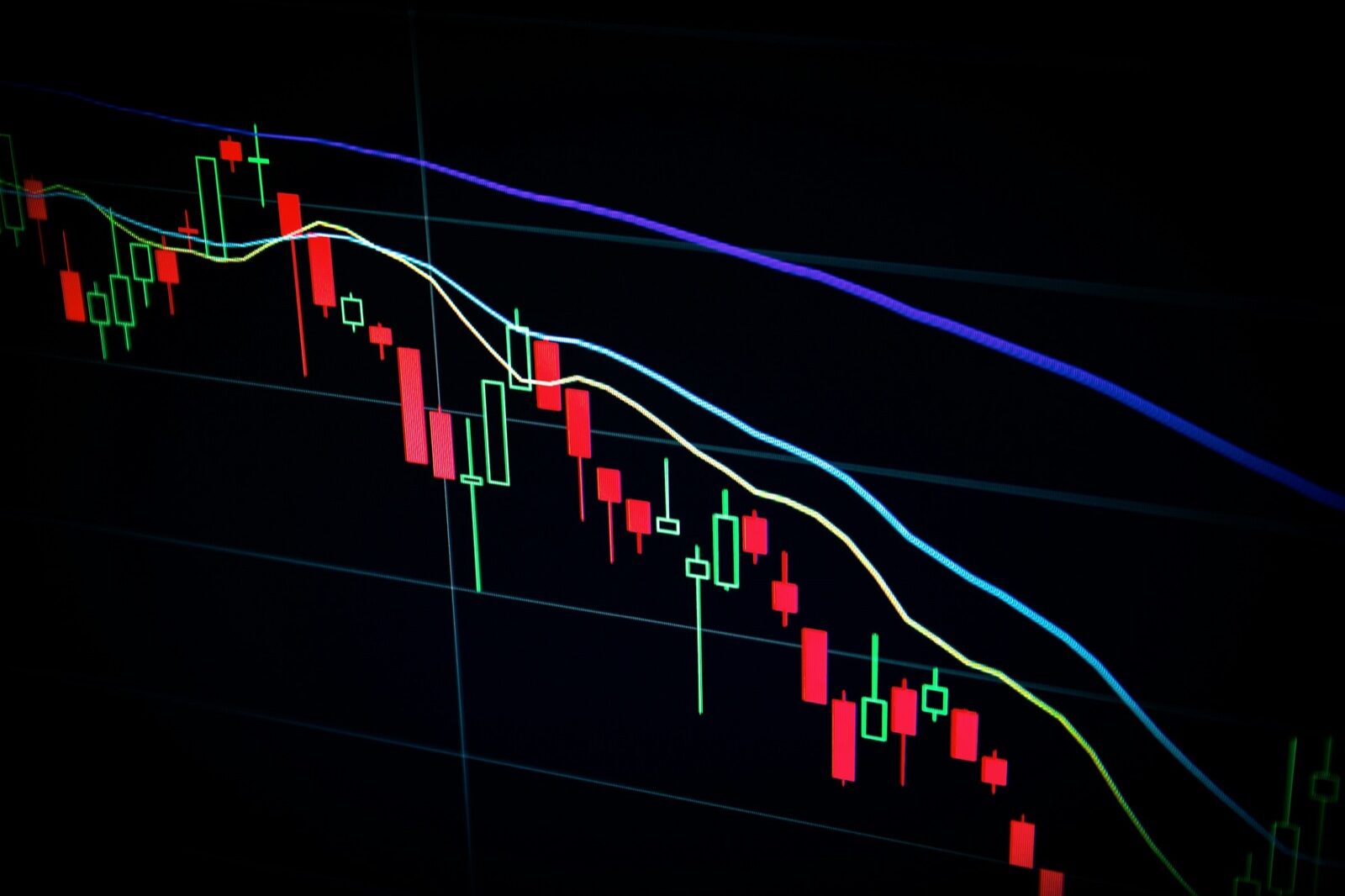
Gold had the kind of year that makes people check their assumptions. The metal soared to a record $5,318.40 an ounce in late January, then spent the next eight months giving it back. Front-month Comex gold settled at $4,113.80 on October 7, down 1.09 percent on the day and 22.65 percent below the January peak, according to Dow Jones Market Data via Morningstar. Year to date, the metal is down 4.9 percent.
That is a real drawdown by any standard. It is also, so far, an orderly one. Gold remains up 1.74 percent from a year ago and sits just 3.22 percent above its 2026 settlement low of $3,985.60 from mid-July. The metal found buyers near $4,000 and has been consolidating there. The question now is whether the consolidation is a base or a ledge.
What drove the run, and what took it back
The January spike was a bet on Federal Reserve rate cuts. Gold ran hard into the new year on speculation the Fed would cut multiple times in 2026, helped by a weak dollar, aggressive central bank buying, and plenty of geopolitical worry, as the Pittsburgh Post-Gazette's Tim Grant documented. Then the cuts did not come the way the market expected. The Fed raised rates instead, lifting its benchmark to the 3.75 to 4.00 percent range, and gold paid the price. Rising bond yields punish a metal that pays no interest, and the 10-year Treasury sitting above 5.3 percent is about as hostile a backdrop as gold gets.
The irony is that the same forces are now turning supportive again. Soft U.S. economic data, including a September payrolls report that showed just 29,000 new jobs against expectations near 90,000, has crushed the odds of another Fed hike. Markets are now pricing in less than a 20 percent probability of an October hike, the Wall Street Journal reported. Gold rose on the fading hike bets this week even as a stronger dollar capped the gains. Saxo Bank analysts put near-term support just above $4,100 and initial resistance around $4,230, a tight $130 band that says the market is coiling, not collapsing.
The structural bid is still there
Daniel Eye, a senior portfolio manager at Focus Partners Wealth, told the Post-Gazette that investors should not lose sight of the longer-term forces. Governments keep running large deficits and accumulating debt. Central banks around the world keep diversifying their reserves away from the U.S. dollar. Neither trend reversed because gold had a bad eight months. France's fiscal mess pushed French 10-year yields above 5 percent for the first time since 2002 this week, a reminder that sovereign debt anxiety is not an American monopoly.
The producer economics tell a related story. At the January peak of $4,873 against an industry all-in sustaining cost of $1,785 an ounce, miners were clearing more than $3,000 an ounce in margin. At early-October prices near $4,170, the modeled margin is roughly $2,385, a 23 percent decline from the record, according to Discovery Alert's analysis. That is a squeeze, not a crisis. Costs are sticky on the way down, which is why unhedged producer stocks have absorbed a disproportionate share of the pain, but $2,385 an ounce of margin is still a business most industries would envy.
Silver is telling the same story with more leverage. The metal jumped almost 3 percent in early October trading, outperforming gold as safe-haven demand broadened across the precious complex. Silver has always been gold's higher-beta cousin, rising faster in rallies and falling harder in selloffs, and its strength this month suggests the bid for hard assets is widening rather than narrowing. When both metals move together, the trade is about the monetary system, not the metal.
The honest bull case for gold was never that it goes up in a straight line. It was that the metal is the hedge against a world where governments borrow without restraint and central banks quietly exit the dollar. That world is still here. The price is 22 percent cheaper than it was in January. Whether that is a buying opportunity or a value trap depends on the Fed, and the Fed, for the first time all year, is starting to sound like it might be done.
Topics marketscommodities