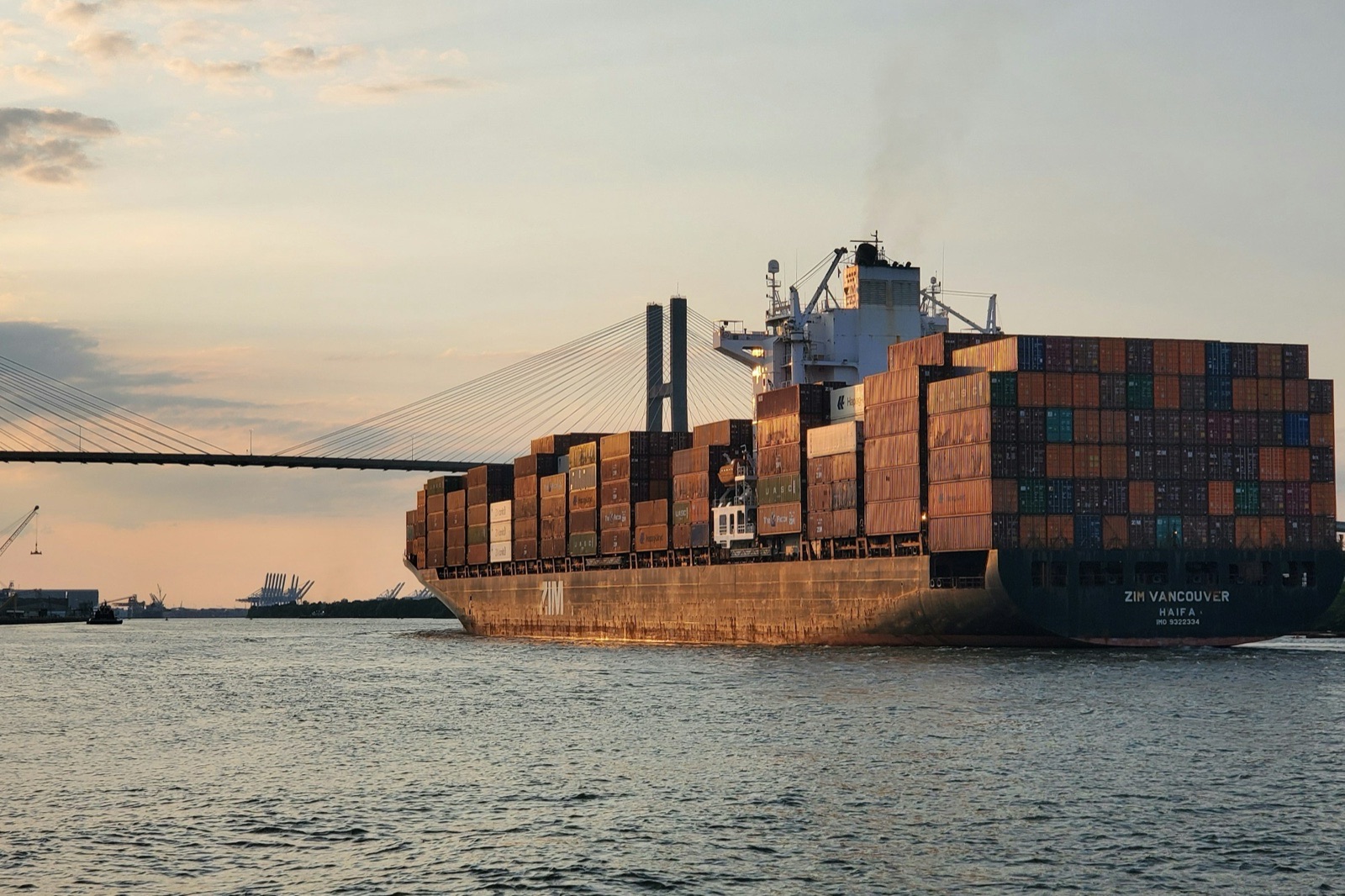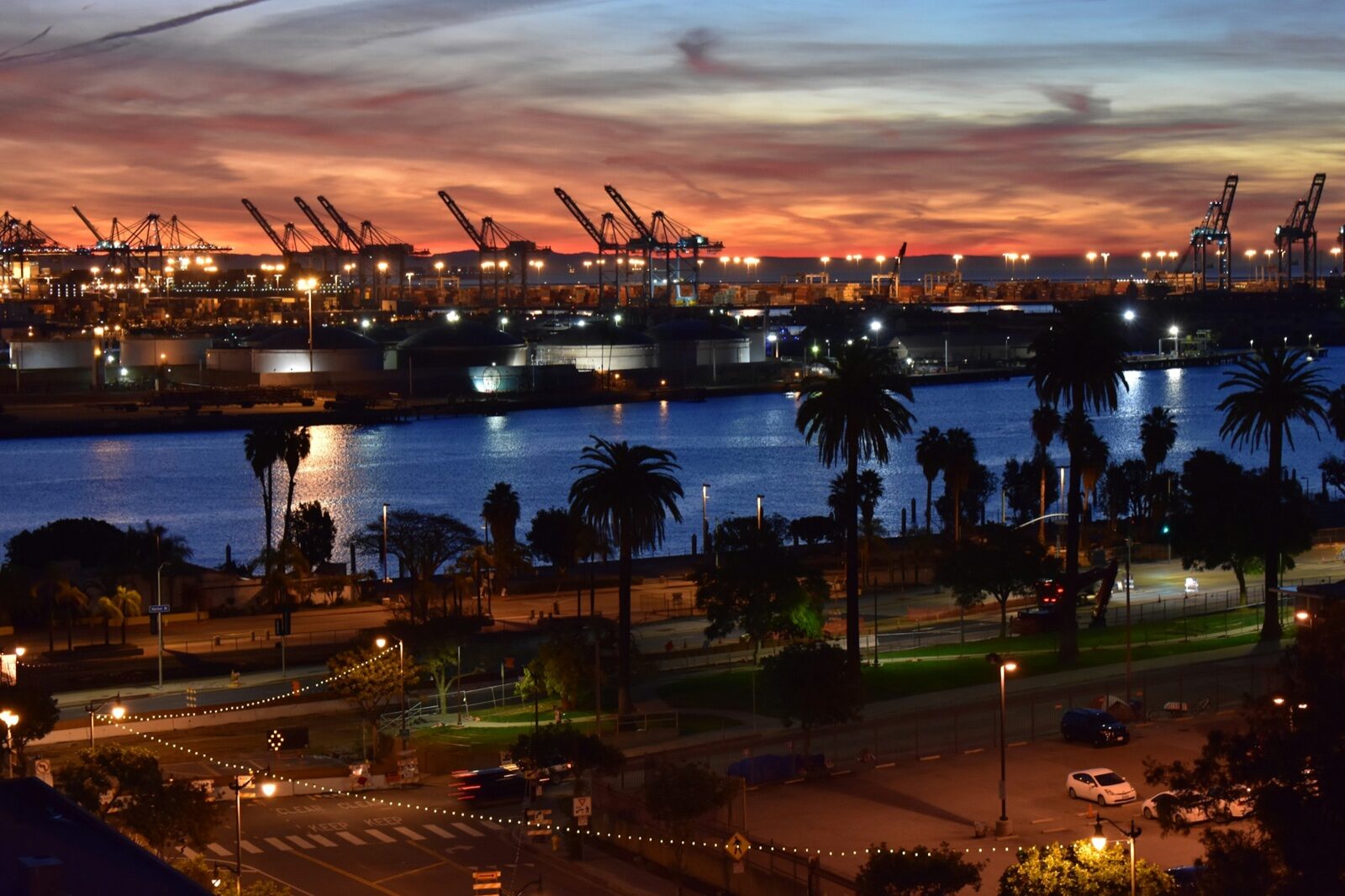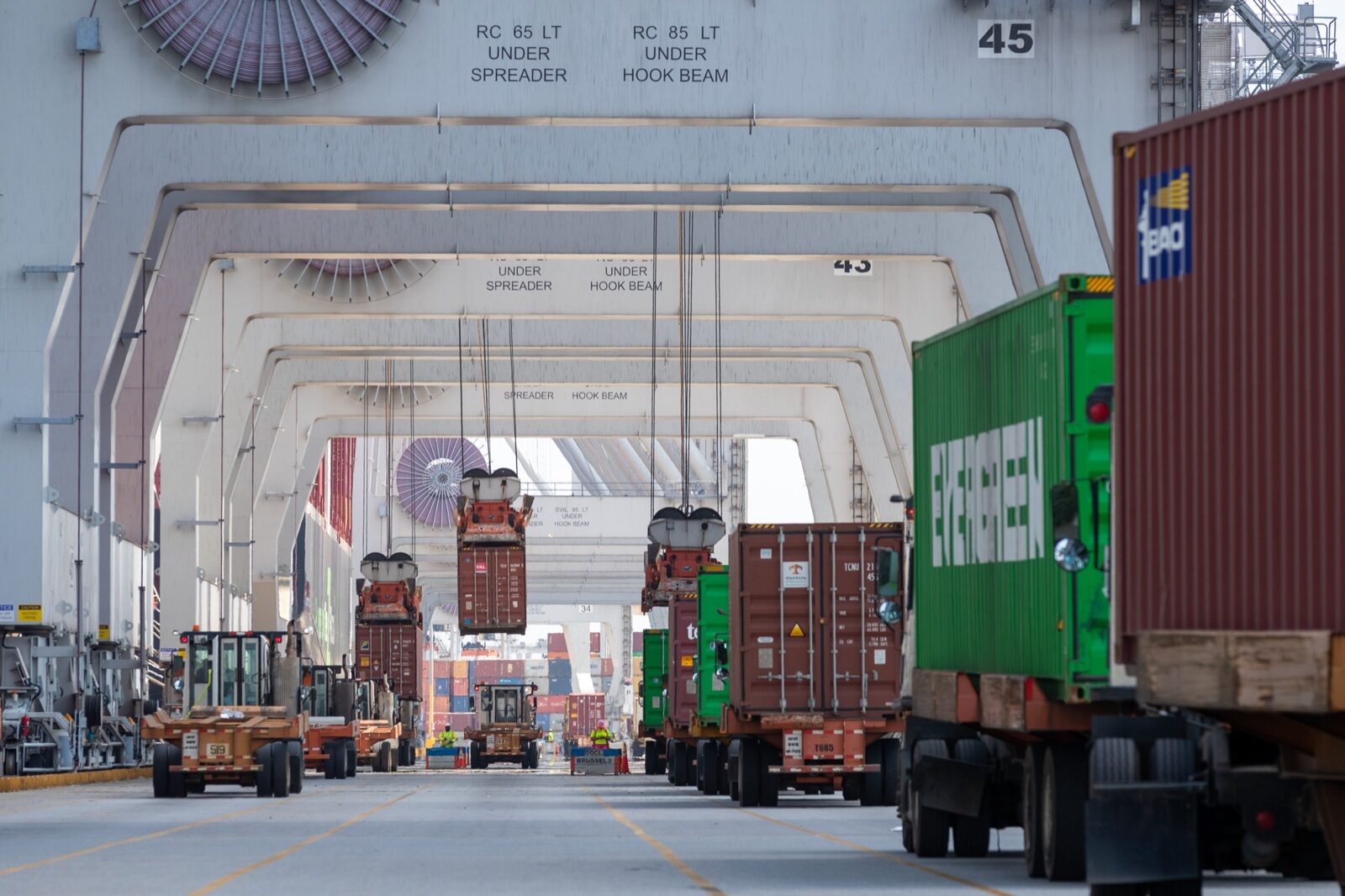
The Port of Savannah handled 504,015 twenty-foot equivalent units in September, the most it has moved in any September and 3.7 per cent more than a year earlier, the Georgia Ports Authority said on Wednesday. Loaded imports did most of the work, rising 5.5 per cent.
The authority gave two reasons: strong consumer spending and a peak season that ran long. Typhoon-related delays at Asian ports pushed volumes that would normally have arrived earlier into September, according to its release, and ocean carriers made use of Savannah's fluid operations and its closeness to big retail distribution centres.
"Thanks to our Georgia Ports employees, Gateway Terminals and the ILA, we are providing world-class service to our customers while handling record volumes," said Griff Lynch, the authority's chief executive.
A strong quarter, not the strongest
September took the first quarter of the authority's fiscal year to more than 1.5 million TEUs, up 40,560, or 2.7 per cent, from the same period a year earlier. That is the second-best quarter in its history, behind only the first quarter of fiscal 2023. Volumes at the Appalachian Regional Port, an inland rail terminal in northwest Georgia linked to Savannah, rose 13 per cent in the quarter, SupplyChainBrain reported.
Nationally, America imported a record $420.8 billion of goods and services in August, though four lines of hardware, led by computers and chips, account for more than the whole rise in goods imports this year.
The other port
Brunswick, the authority's other main port, handles roll-on, roll-off cargo, the vehicles and machinery that are driven on and off ships rather than lifted in boxes. It handled 43,415 ro-ro units in September, 22 per cent fewer than a year earlier.
Heavy machinery rose, to 3,754 units from 3,359, an increase of nearly 12 per cent. So the fall came from the rest of Brunswick's ro-ro cargo, which the release, under a heading for autos and heavy machinery, did not break down further. Its only comment was that "Global market conditions for vehicle manufacturers remain competitive."
The release did not give last September's total. Working back from the rounded 22 per cent decline gives roughly 55,700 units, or somewhere between about 55,300 and 56,000 allowing for the rounding. On that basis, ro-ro cargo other than heavy machinery fell from roughly 52,300 units to 39,661, a drop of about 24 per cent, or about a quarter. That is this publication's approximate arithmetic, not a figure from the authority.
What it is building
The authority is spending $1.6 billion to rebuild Ocean Terminal in Savannah, a project now more than 60 per cent complete that will raise the terminal's capacity from 200,000 TEUs a year to 1.75 million. The Brampton Road Connector, a state transportation department project that opened in July, created a third high-volume truck route into Garden City Terminal's Gate 3 that avoids local neighbourhood roads and level rail crossings.
The authority is planning nearly $5 billion of investment over the next decade, including five more big-ship container berths in Savannah and a fourth ro-ro berth in Brunswick, gCaptain reported.
"We know our customers have a choice and we're thankful for their choosing Georgia Ports. The capital investments we've made are now paying off in service levels for our customers and fluidity for our trucking partners," said Kevin Price, the authority's president.
It also pointed to the Panama Canal, where rain has improved conditions at Gatun Lake. From 15 October the canal authority will return to its maximum of ten Neopanamax transits a day, bringing daily transits for all vessel sizes to 33. As of 28 September, the maximum draft for Neopanamax ships was 49 feet.
The September and first-quarter volumes, the import growth, the authority's explanation, the Ocean Terminal project, the Brampton Road Connector, the Panama Canal figures, the Brunswick volumes and the remarks of Griff Lynch and Kevin Price are from the Georgia Ports Authority's release of 7 October 2026, as published by the American Journal of Transportation. The planned investment of nearly $5 billion and the additional berths are as reported by gCaptain on 7 October 2026. The Appalachian Regional Port figure is as reported by SupplyChainBrain on 7 October 2026. The August import figure is from the Census Bureau and Bureau of Economic Analysis release of 6 October 2026. The September 2025 Brunswick total (roughly 55,700 units) and the fall of about 24 per cent in ro-ro cargo other than heavy machinery are this publication's approximate arithmetic, worked back from the authority's rounded 22 per cent decline; the authority did not publish them. The analysis is our own.
Topics businessportsshippinglogisticsimportsautos