Markets

Top stories in Markets

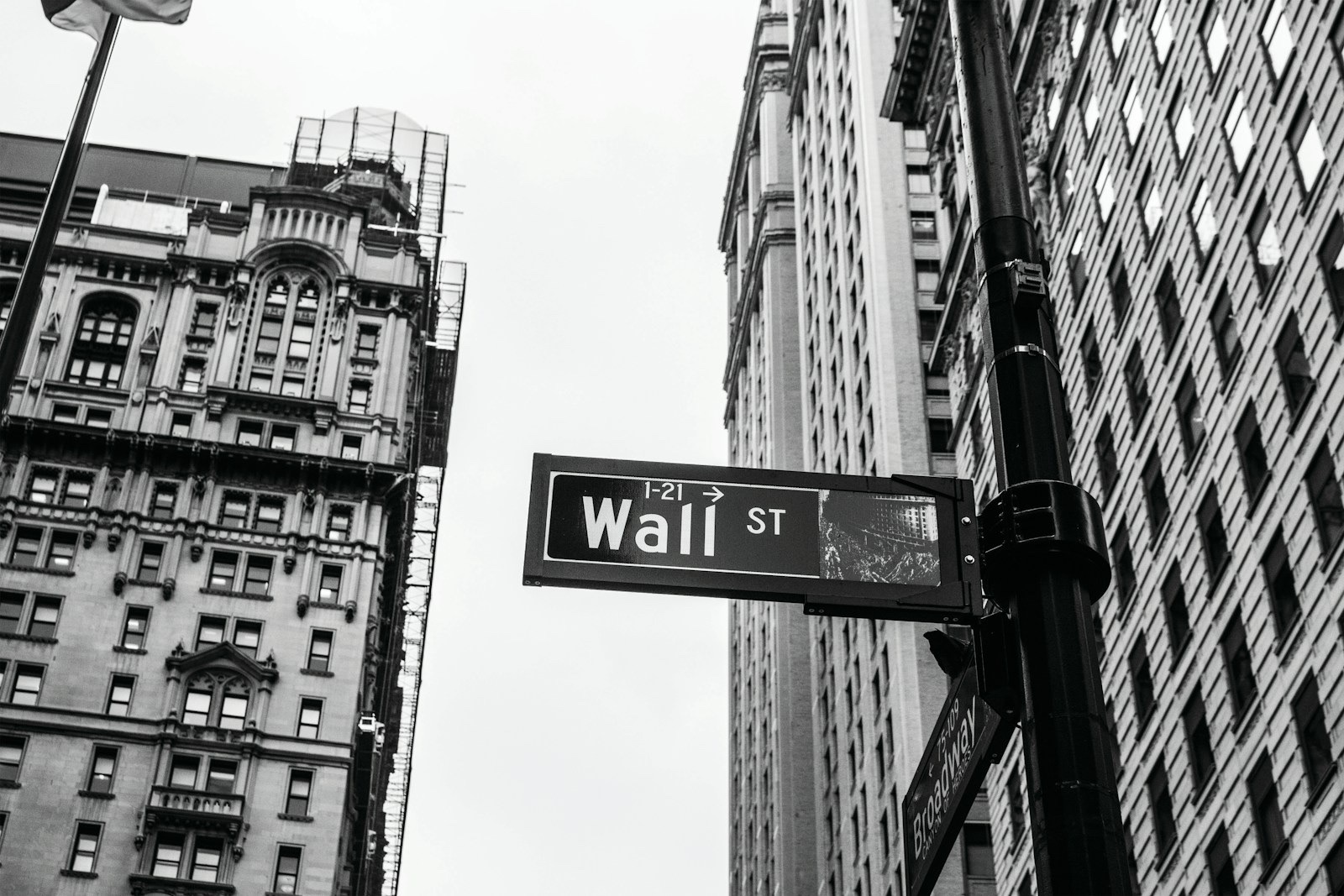
A Wall St street sign on a lamp post in black and white, with office buildings blurred behind it.

Five Percent. The Monday the Price of Money, Energy and the Future Moved Together.

On Monday the 10-year Treasury yield touched 5 percent for the first time since 2023. Brent neared $110 before settling back. Diesel set a record at $6.23 a gallon. Chip stocks fell almost 6 percent. By the close, markets put the odds of a Federal Reserve rate increase on Wednesday above 90 percent. Each of those has its own story. Together they describe one: the end of the assumption that the shocks of this year would pass on their own.

A silicon wafer patterned with a grid of iridescent chip dies, photographed in shallow focus.

The Market Read the Essay as a Forecast for Chip Demand

Chip stocks fell before Monday's open after the heads of Anthropic and OpenAI said the industry should slow the rate at which AI models improve. Nvidia was down 3 percent in premarket trading, Marvell and Arm 6 percent, and ASML 9.5 percent. The labs are mostly private. The public way to express a view on slower AI is to sell the companies that supply it.

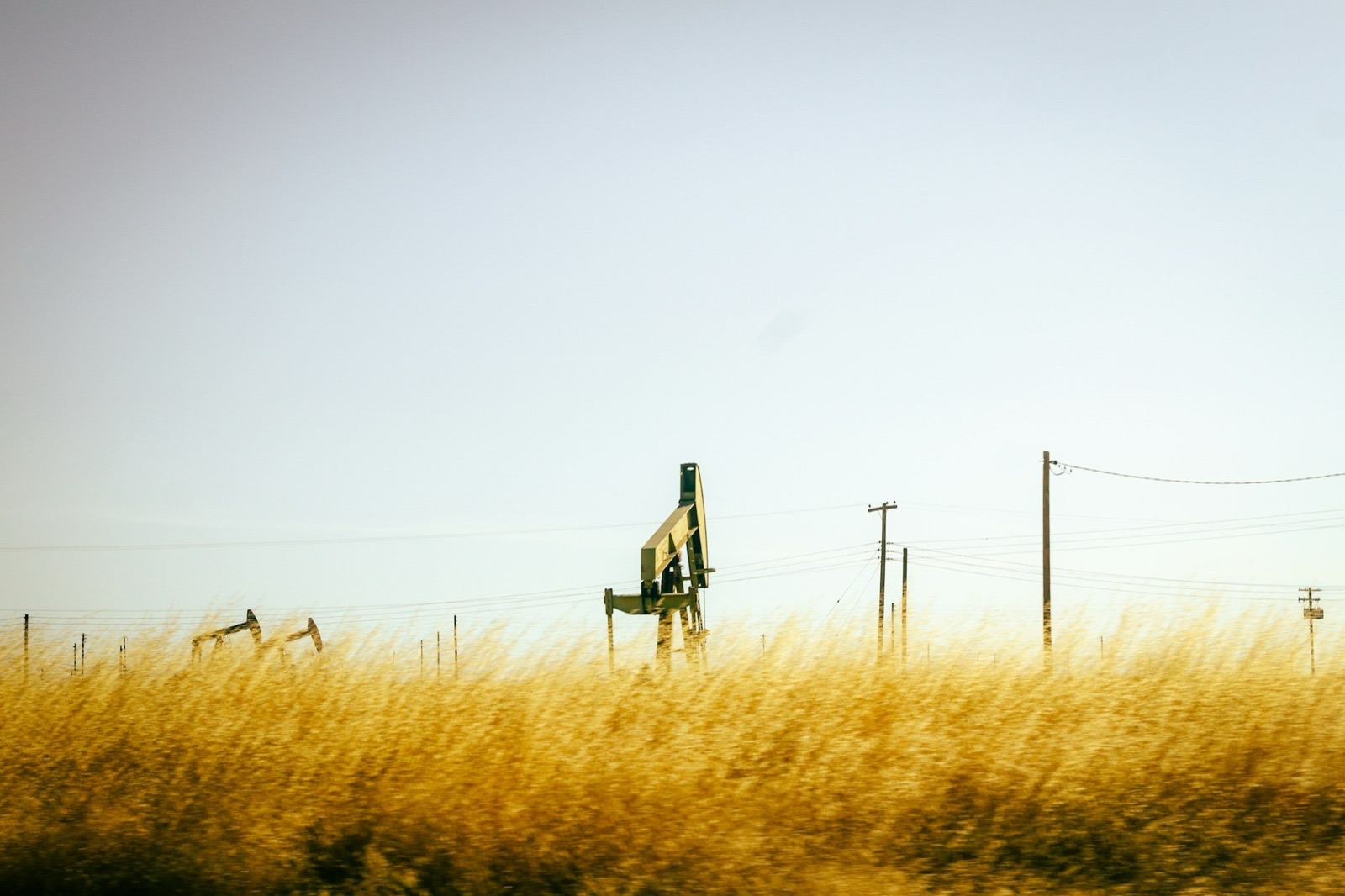
Pumpjacks across an oilfield under a hazy sunrise.

The Market Was Offered an End Date and Bought the War Instead

Brent settled near $108, the highest in nearly four months. West Texas Intermediate rose above $104 after surging almost 7 percent, closing above $102 for the first time since May. This desk asked yesterday whether traders would price the president's stated end date. They have answered, and the answer is no.

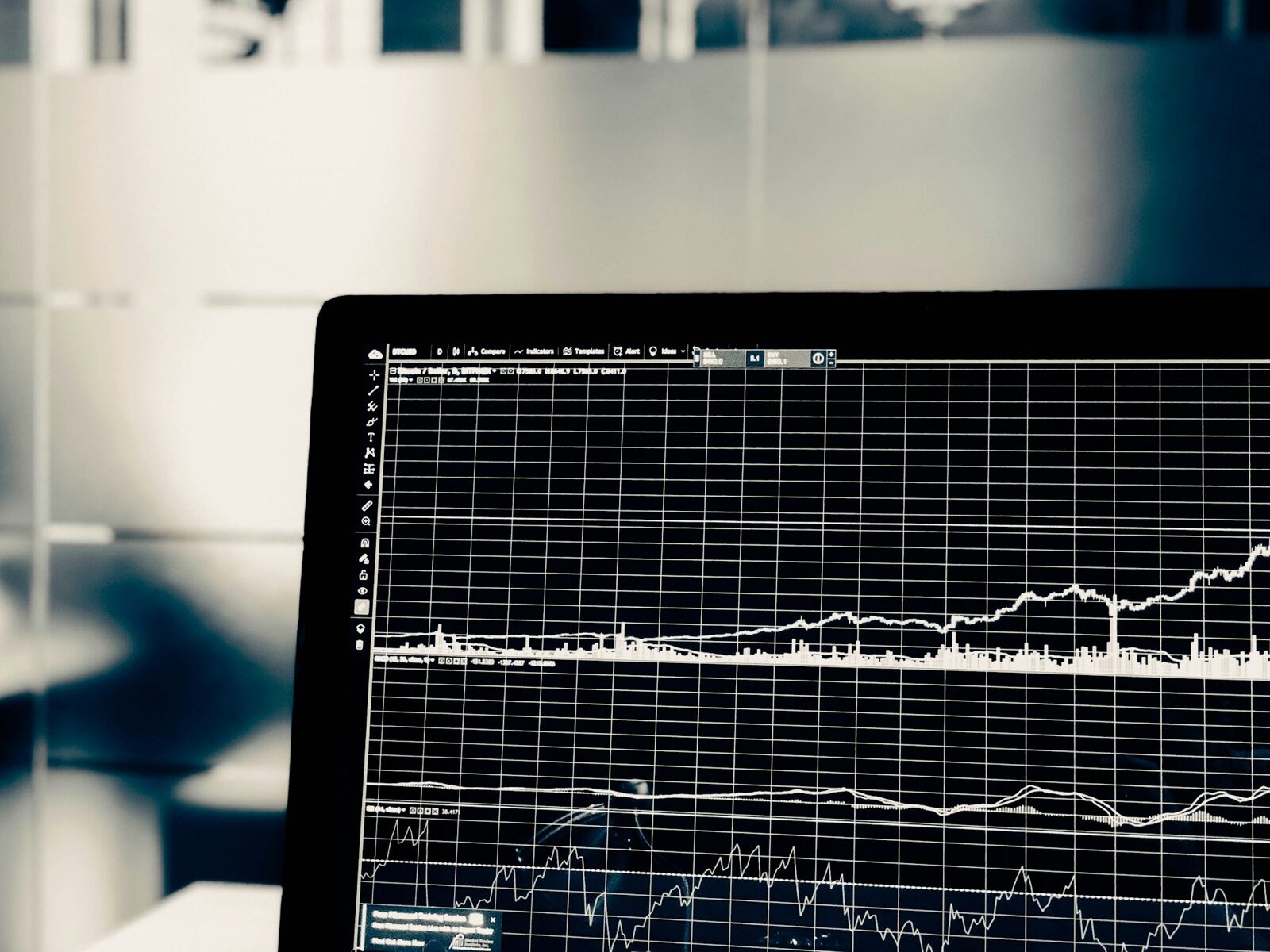
Screens displaying financial market prices.

Brent Passed a Hundred Dollars and the Fed's Next Move Changed Direction

Fed funds futures put the chance of a quarter-point rise at the September meeting at about 59 percent. Three months ago the same market was arguing about the size of a cut. Brent above $100 and the ten-year at its highest close since 2023 are the reason, and an energy shock is the one shock a central bank cannot fix.

A black smart ring held upright between a thumb and forefinger against a grey surface, with the sensor array and circuit board visible on the inner surface of the band.

Oura's Listing Raises $532 Million for the Company. It Keeps About $6 Million.

Oura's amended S-1, filed with the SEC on 21 September, offers 50 million shares at $40 to $44. Only 13.5 million of them come from the company. Of the roughly $532.6 million the company nets at the midpoint, $526.4 million is earmarked for tax withholding on employee stock. Forerunner Ventures is selling its entire 28.7 million-share position and will own nothing on day one.

Large crude oil storage tanks at a petroleum storage facility, photographed across open ground.

The Oil Curve Has Been Handed Something to Argue With

Brent closed above $100 on Wednesday for the first time since May, and the same afternoon the US president said the war would end immediately after the 3 November election. A forward curve pricing an open-ended disruption has to guess at duration. It has now been given a date to disagree with, which is not the same as being given the truth.

The Wall Street subway station sign beside an empty staircase, in black and white.

The Long End Stopped Waiting for the Fed

The funds rate has sat at 3.5 to 3.75 percent while the 30-year Treasury reached 5.31 percent last month, its highest in 19 years, and the 10-year went to levels last seen in 2023. A governor says he is inclined to hold. The long end is not arguing with him. It has stopped listening.

A construction crane against the sky.

The Bonds Are Longer Than the Machines They Paid For

Hyperscalers and related issuers have sold about $225bn of bonds this year by S&P Global's count, on pace for a record. Capital spending now runs at roughly 94 percent of operating cash flow against 40 percent in 2023, and the paper being issued is long — matched to a useful life the issuers estimate themselves.

The Stock Exchange

Every Long Bond Sold Off at Once. That Rules Out Most of the Explanations.

The ten-year Treasury reached its highest yield since November 2023 on Wednesday. On the same day Japanese ten-year debt passed 3 percent for the first time in thirty years, German yields hit a fourteen-year high and British yields an eighteen-year one. Four governments with four different problems do not usually move together.