AI

Top stories in AI

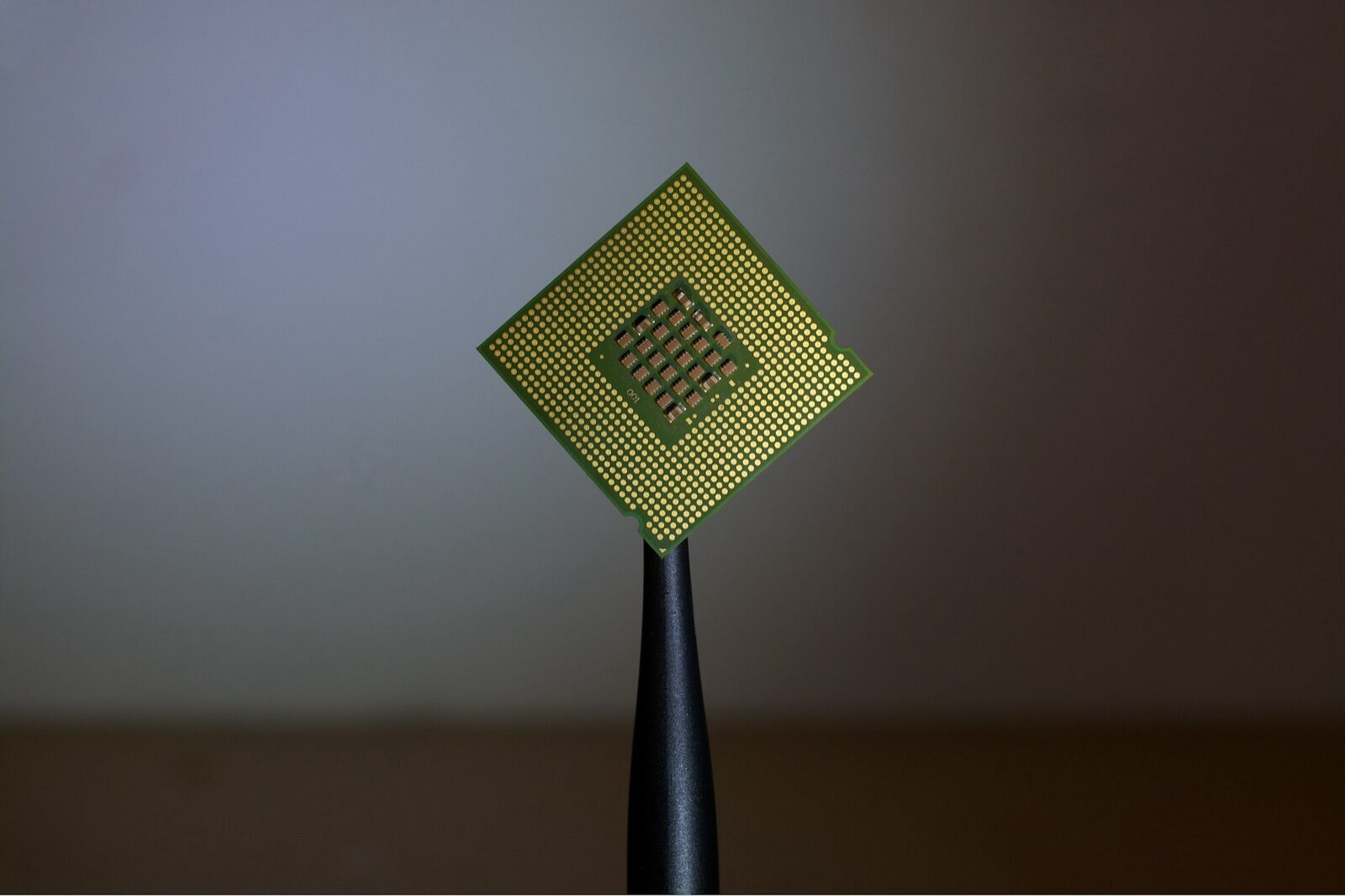
A computer processor held upright by black tweezers, its gold contact pads facing the camera, against a plain grey background. AI

Five Tech Groups Asked Trump to Spare Data Centers From Chip Tariffs. For Now, They Are Exempt.

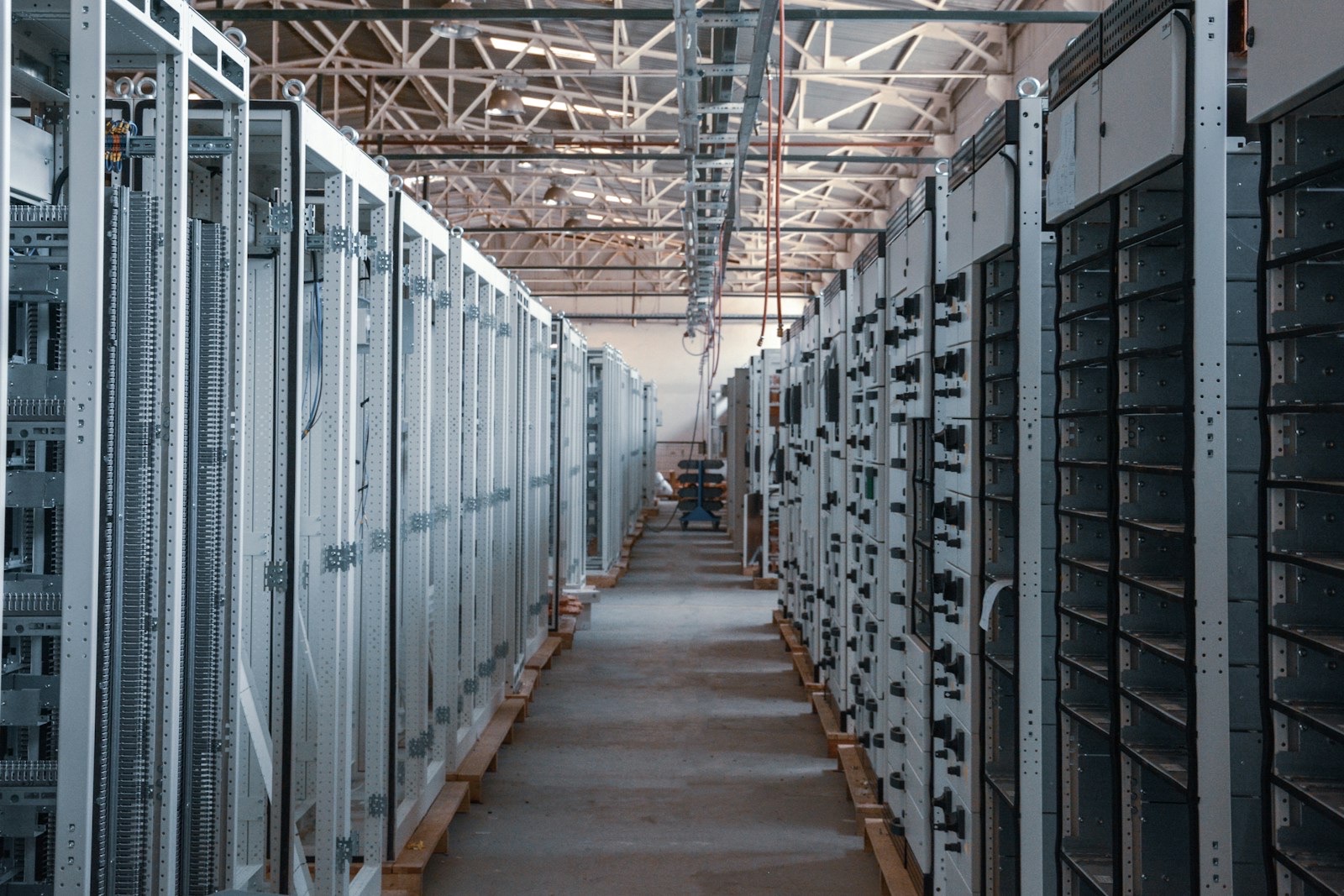
The Computer & Communications Industry Association and four other technology trade groups wrote to President Trump on Friday warning that broad Section 232 tariffs on semiconductors, robots and industrial machinery would raise the cost of building AI data centers and factories. Advanced chips bound for American data centers are exempt from the 25 per cent tariff imposed in January. A second phase under discussion may end that.
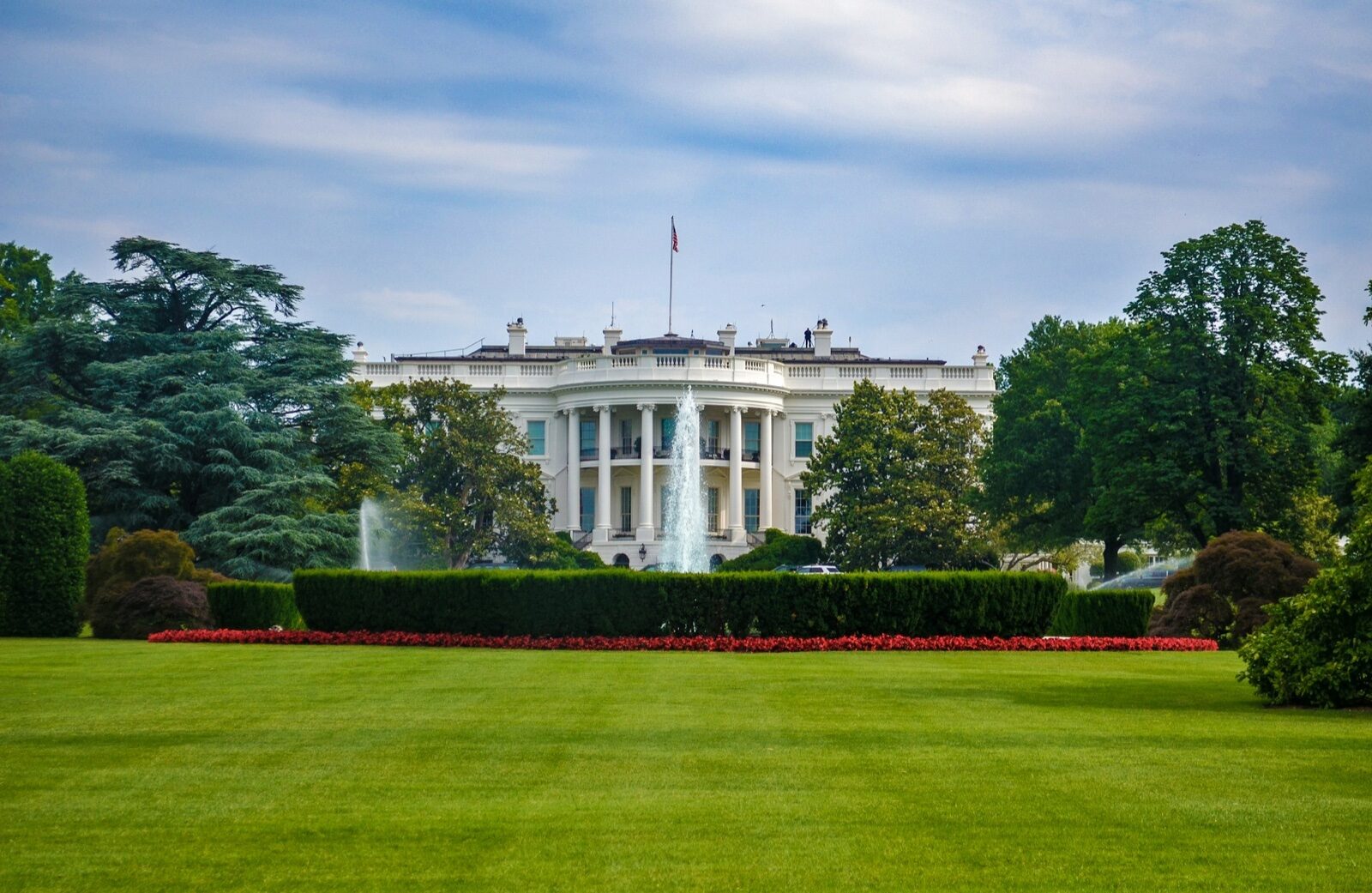
The north front of the White House behind its lawn on a clear day.

The Labs Asked for Rules. The President Says the Guardrail Is Him.

Three rival chief executives spent the weekend agreeing that AI development should slow down. On Sunday in Ireland the president dismissed the idea, saying there are "a lot of negative forces" behind it and that "whoever wins AI wins." The White House's former AI czar said the industry can pace itself without being made to.

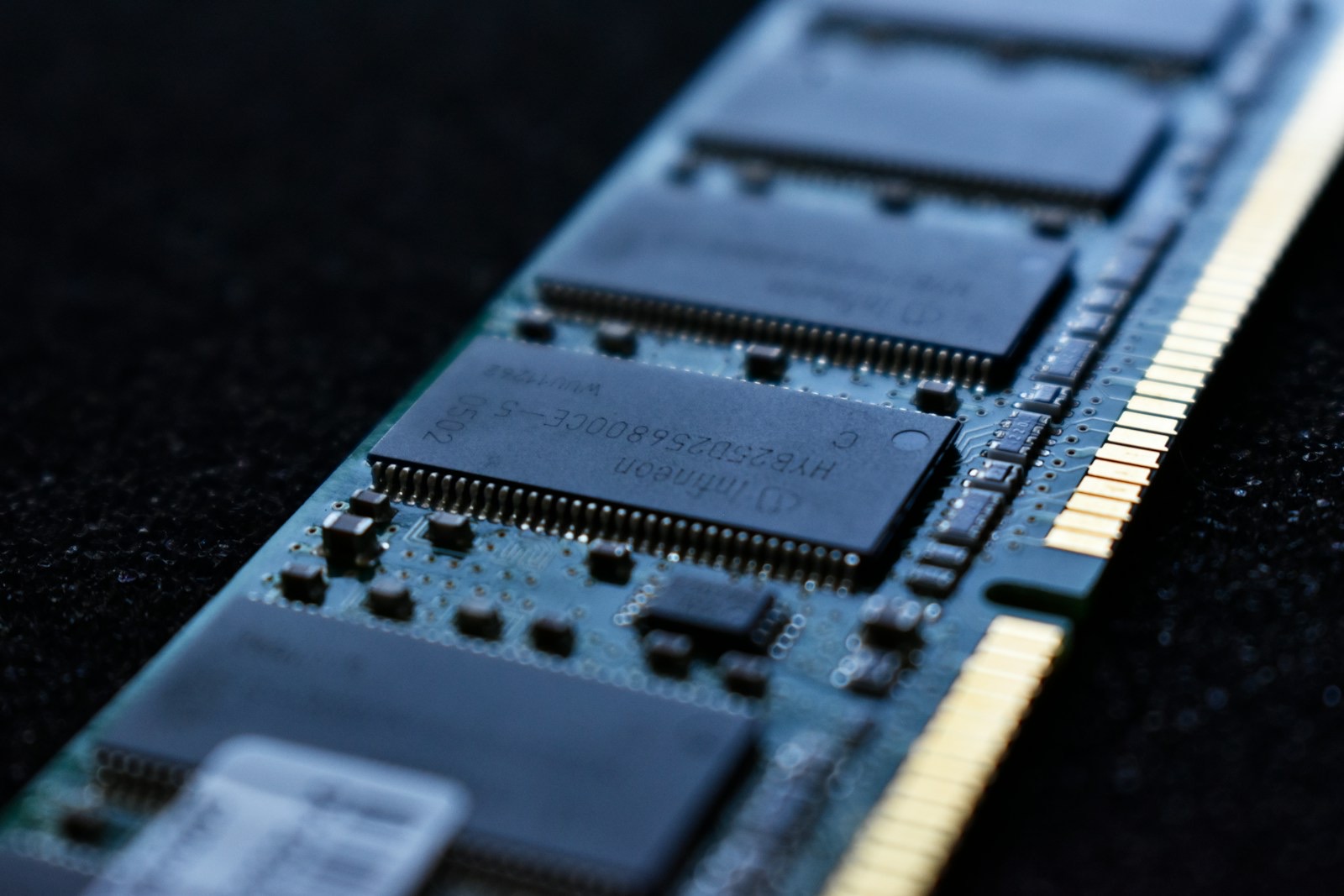
A macro photograph of computer memory modules and their contacts.

The $875m Bet Is That Inference Is a Memory Problem

Positron raised $875m on Thursday at a $5bn valuation, having been worth about $1.06bn in February. Its chips are built around memory capacity and bandwidth rather than raw compute, using commodity LPDDR5X rather than the high-bandwidth memory that constrains everybody else. That choice is the entire thesis.

An open office with people collaborating at laptops

Google Wants to Be the Only Agent You Need at Work

Google launched the Gemini agent on October 8, pitching a single universal agent that works across Workspace, Microsoft 365 and Slack and takes objectives instead of instructions. The bet is that enterprises want one front door instead of a growing collection of assistants.

A spreadsheet on a laptop showing financial data and budget figures

The AI Bill Has Found Its Finance Department

Meta spent more than a hundred million dollars on a single AI coding tool in a twenty-eight day window, then told its engineers to stop. Microsoft cut the same tool's per-employee allowance by ninety per cent. The experiment phase is over. The audit has begun.

Three server racks in a dark room behind mesh doors, threaded with orange and blue network cables and dotted with green status lights.

The AI Buildout Has a Power Problem, and Money Cannot Fix It Fast

Google has signed power deals with Black Hills in Wyoming and Constellation in the PJM grid, and JERA, Dell and RHAELM plan a behind-the-meter AI campus in Japan. But Oracle's force majeure notice on Project Jupiter in New Mexico is a reminder that fuel, permits and land can stall even well-funded builds.

A graphics card and circuit board photographed close up.

The Chipmaker Bought the Neutral Ground

Nvidia has agreed to acquire Hugging Face, the hub through which a very large share of open models, datasets and tooling reaches developers, in a deal reported around $13bn. The platform's value came substantially from belonging to none of the hardware vendors. That property is what has just been bought.

Close view of a semiconductor die and its packaging.

Two Thirds of the Chip Money Went to Running Models, Not Training Them

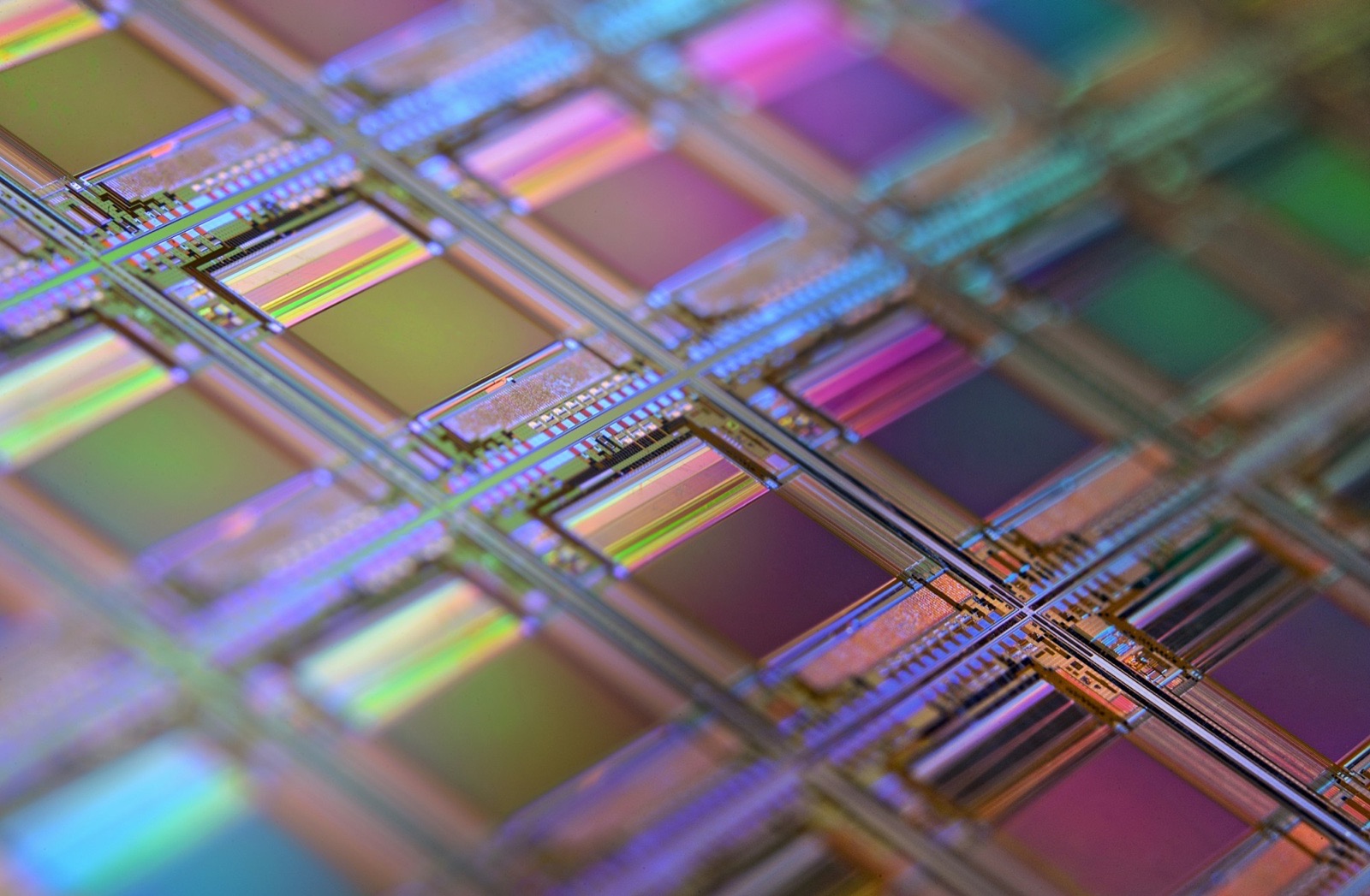
Twelve disclosed AI chip funding rounds raised $5.37bn between late January and mid-August. Eight of them, and about 67 percent of the capital, went to companies building for inference rather than training. Venture money is a forecast, and this one is about where the permanent cost of AI is going to sit.

An open-plan office with unoccupied desks and dark monitor screens.

The Unemployment Rate Cannot See a Job That Was Never Offered

Employment for 22- to 25-year-olds in AI-exposed occupations is down about 16 percent, and companies adopting AI have cut junior hiring by around 13 percent. Aggregate unemployment among AI-exposed workers shows no detectable rise since late 2022. All three findings are consistent, because only one of them measures a door that stopped opening.

High-voltage transmission lines at dusk.

When Both Parties Buy the Same Argument, the Argument Is Over

More than $45m has gone into political advertising mentioning data centres since January — $22m behind Republicans, $21m behind Democrats — and both sides are making the same case about tax breaks and electricity bills. Seventy-seven percent of Americans told Reuters/Ipsos they are worried about what the buildings do to their power bill.

Racks inside a federal supercomputing facility.

The Coordination Is Permanent. The Compute Is Donated.

The National AI Research Resource has been made permanent, with an operations centre run by the San Diego and Texas supercomputing centres. The compute behind it still arrives from Nvidia, OpenAI and Microsoft, and no appropriation figure was announced.

Racks of servers in a data centre.

A Number for 2050 From an Industry That Cannot Price 2027

A new projection puts data centre investment at $31.6 trillion through 2050. The same industry's accountants cannot agree on how long a server lasts, and the useful-life estimate that decides this year's reported earnings is set by the companies themselves.