The National AI Research Resource was a two-year pilot. It launched in January 2024 and was scheduled to lapse in January 2026. This week it became permanent, through a new operations centre led by the San Diego Supercomputer Center and the Texas Advanced Computing Center.
Making a pilot permanent is a real decision and generally a good one; most pilots die of scheduling rather than of failure. But read the announcement for what it makes permanent, because the answer is the coordination, not the resource.
Two different things called infrastructure
An operations centre is staff, allocation processes, user support, scheduling, documentation and governance. It is the apparatus that decides which researcher gets what, and it is genuinely hard to build — the two centres running it have decades of experience allocating scarce supercomputing time to academics, which is a discipline in itself.
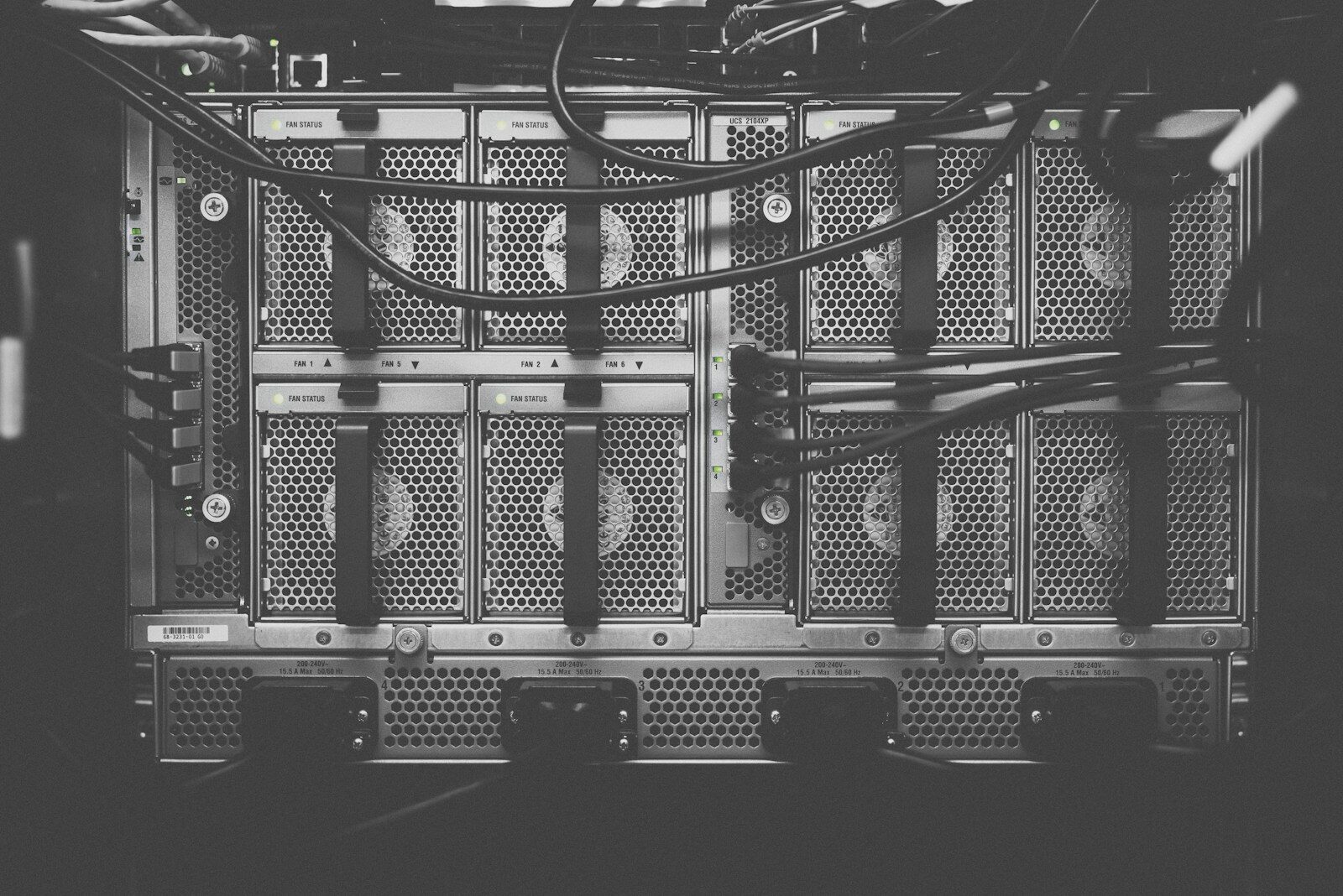
Compute is chips, buildings, power and the electrical apparatus in between. In this arrangement it continues to come substantially from Nvidia, OpenAI and Microsoft.
So the permanent institution is the part the government can staff. The part it cannot buy at scale remains a contribution, and a contribution is renewed annually at the contributor's discretion.
Why the state did not simply buy it
Not because nobody thought of it. Because the constraint chain this desk has been documenting for a fortnight applies to federal purchasers exactly as it applies to hyperscalers, and arguably worse.
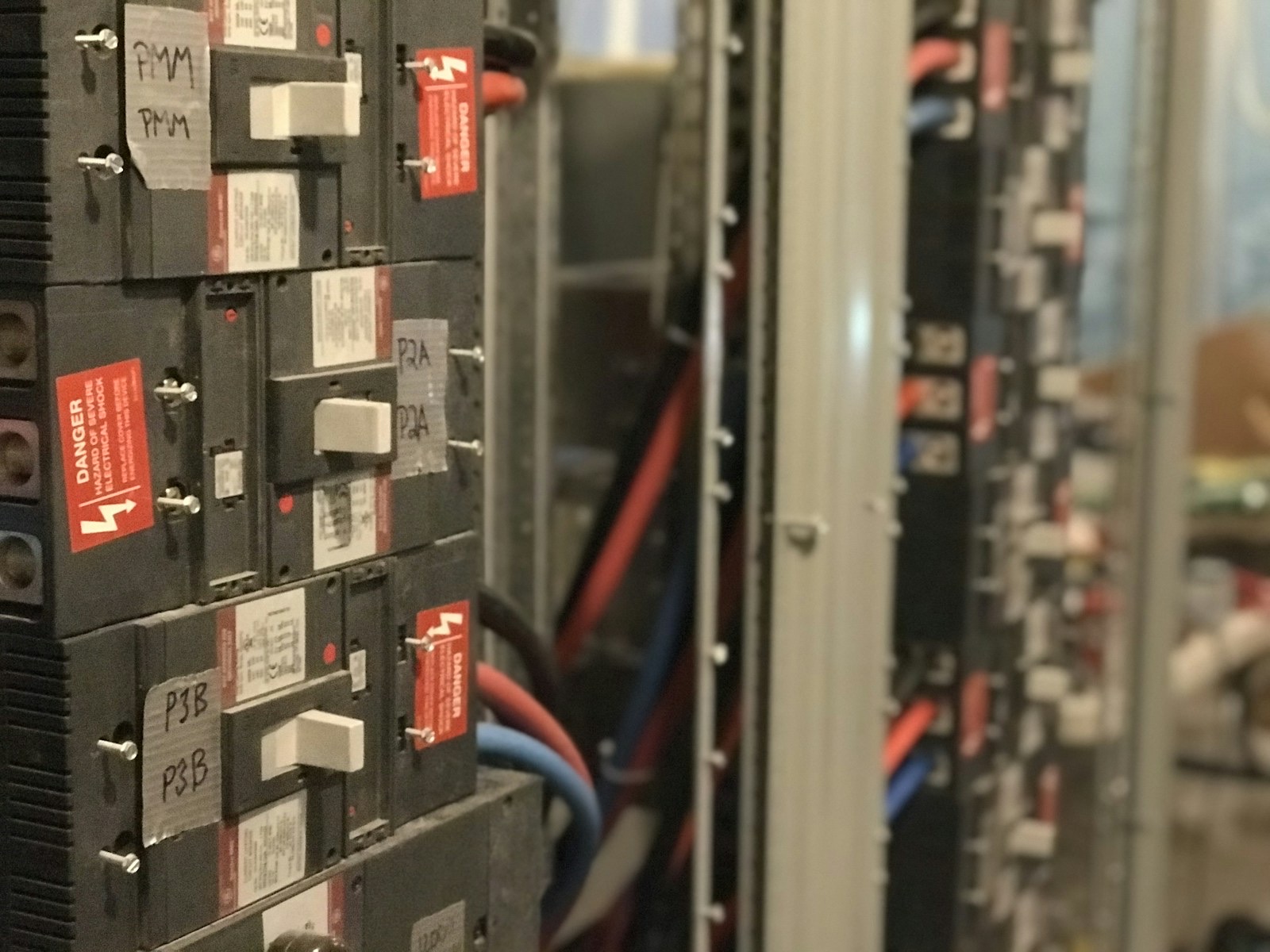
Buying compute at national-programme scale means competing for accelerators against buyers who have committed close to a trillion dollars, securing grid interconnection in a queue measured in years, and procuring the switchgear and enclosures that have become the binding constraint now that power itself is arranged. Then it means owning the depreciation, which — as this paper wrote last week — is the part of an AI build-out that arrives on a schedule long after the cash has gone, on a useful-life estimate nobody agrees about.
A federal agency subject to annual appropriations is poorly shaped for that. It cannot commit multi-year capital against single-year money, and it cannot outbid the private sector for chips in a shortage. Accepting donated capacity is the rational response to a real constraint, not a failure of ambition.
It also has a consequence.
The dependency is the point of the programme
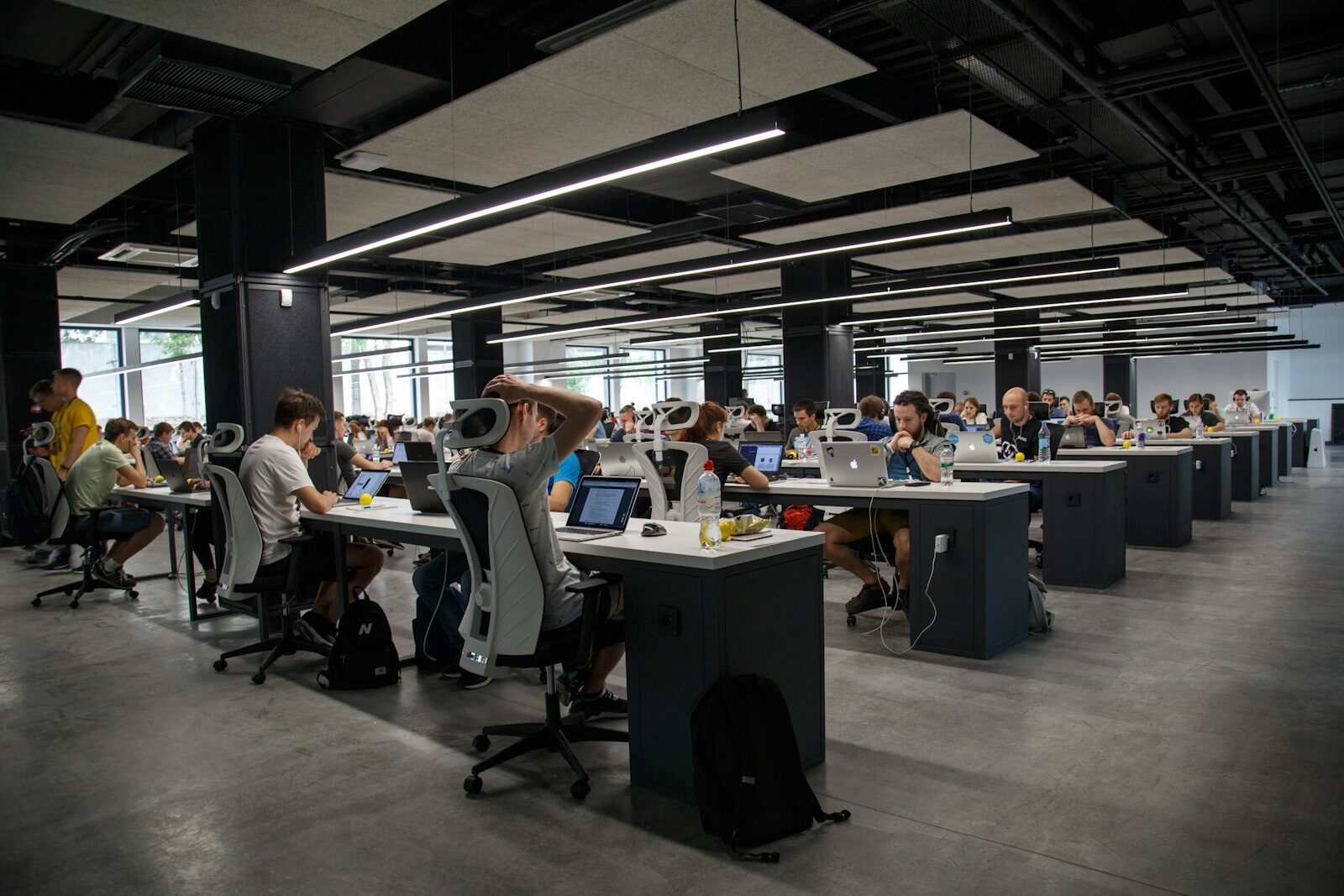
NAIRR exists because academic researchers cannot access compute at the scale industry uses, and that gap distorts what research gets done — including, notably, research evaluating the systems industry builds.
Filling the gap with capacity contributed by Nvidia, OpenAI and Microsoft addresses the shortage while leaving the dependency in place. Nobody needs to imagine anyone behaving badly for this to matter. Contributed capacity is allocated by contributors who decide how much, on what hardware, with what terms, and for how long, in an environment where their own demand for the same chips is unbounded. When compute is scarce inside the donor, the donation is the first thing to be reviewed.
A researcher planning a three-year project on a resource renewed at somebody else's convenience plans differently. That effect never appears as a refusal; it appears as work not started.
No number
The announcement carried no appropriation figure, which is the single most informative absence in it.
An operations centre with a budget can plan capacity. An operations centre without one is an allocation mechanism whose supply is set elsewhere — a very well-run queue in front of a door somebody else controls. Permanence in that arrangement means the institution will still exist next year. It does not mean it will have anything to allocate.
What to watch
Not the announcement, and not the partner list.
Watch for a stated compute floor — a committed number of GPU-hours, from any source, that the programme can promise a researcher over a multi-year project. That is the figure that distinguishes a national research resource from a well-administered donation programme, and it is the figure that will determine whether an academic can propose work that takes longer than a corporate budget cycle.
If it never appears, the pilot's central finding — that there is demand for a national approach — will have been answered with a permanent office and a temporary machine.
The transition of the National AI Research Resource from pilot to permanent status through the newly established NAIRR Operations Center, the announcement date of 2 September 2026, the leadership of the operations centre by the San Diego Supercomputer Center at UC San Diego and the Texas Advanced Computing Center at the University of Texas at Austin, the participation of Nvidia, OpenAI and Microsoft as private-sector partners, the January 2024 launch and January 2026 scheduled expiry of the pilot, and the absence of disclosed appropriation figures are as reported by Government Executive on 2 September 2026. The analysis is our own.
Topics ai