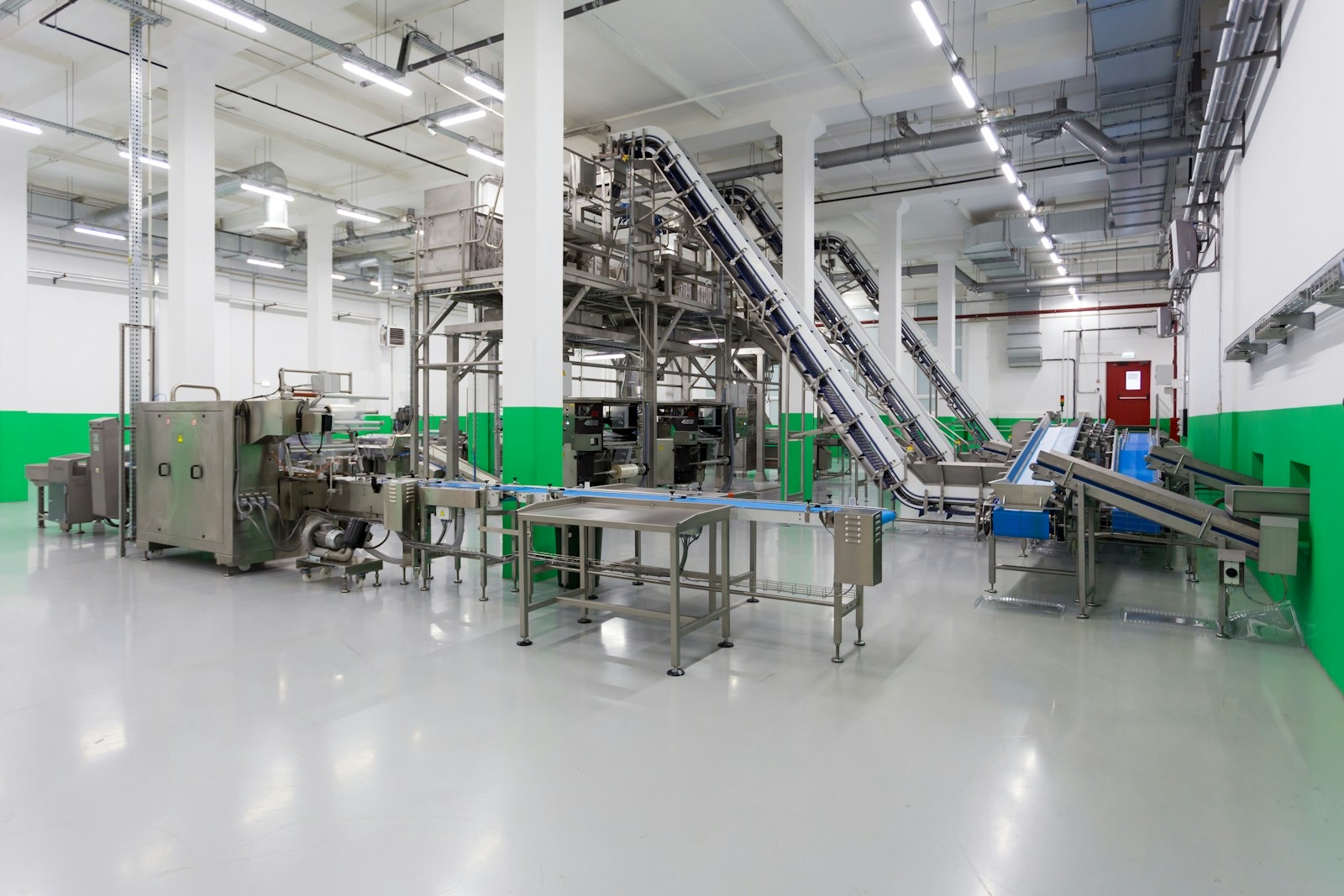
Eaton said on Wednesday that it will build a million square feet of factory in North Little Rock, Arkansas, at a cost of around $242m, employing about 1,200 people. The plant will make customised electrical enclosures for its Fibrebond business, sold into data centres, utilities, industry and digital communications.
Buried in the announcement is the sentence that matters: the company expects the plant to double its US manufacturing capacity for these products.
Firms do not double capacity for something that is adequately supplied. They double capacity when the order book is longer than the line, has been for a while, and is expected to stay that way long enough to earn back a quarter of a billion dollars.
The constraint keeps moving downstream
This desk has traced this migration before. First the binding constraint on an AI data centre was accelerators — whoever could get chips could build. Then it became power, and we wrote that the data centre is a chip buyer before it is a power buyer, because the racks are ordered years before the grid connection arrives.
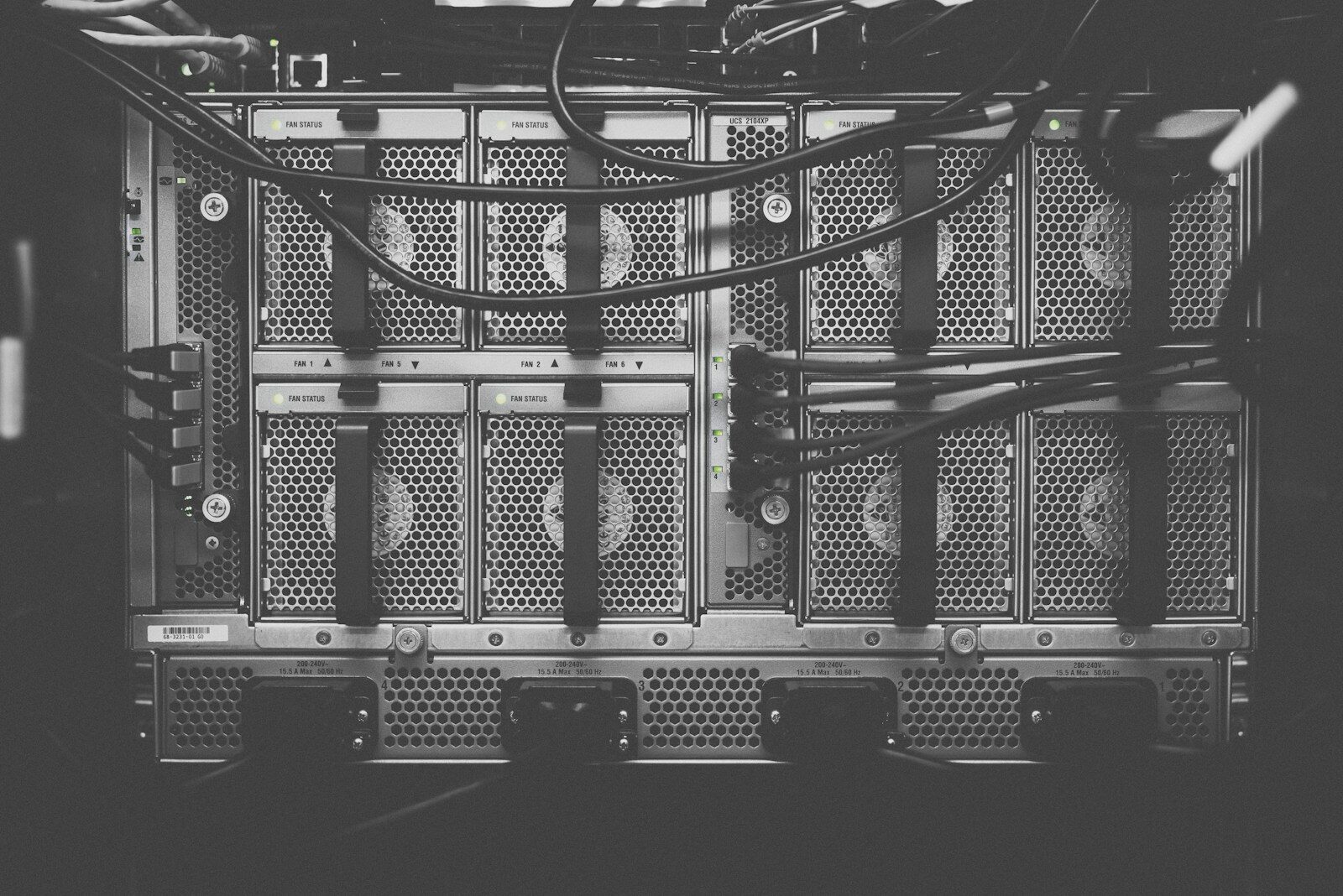
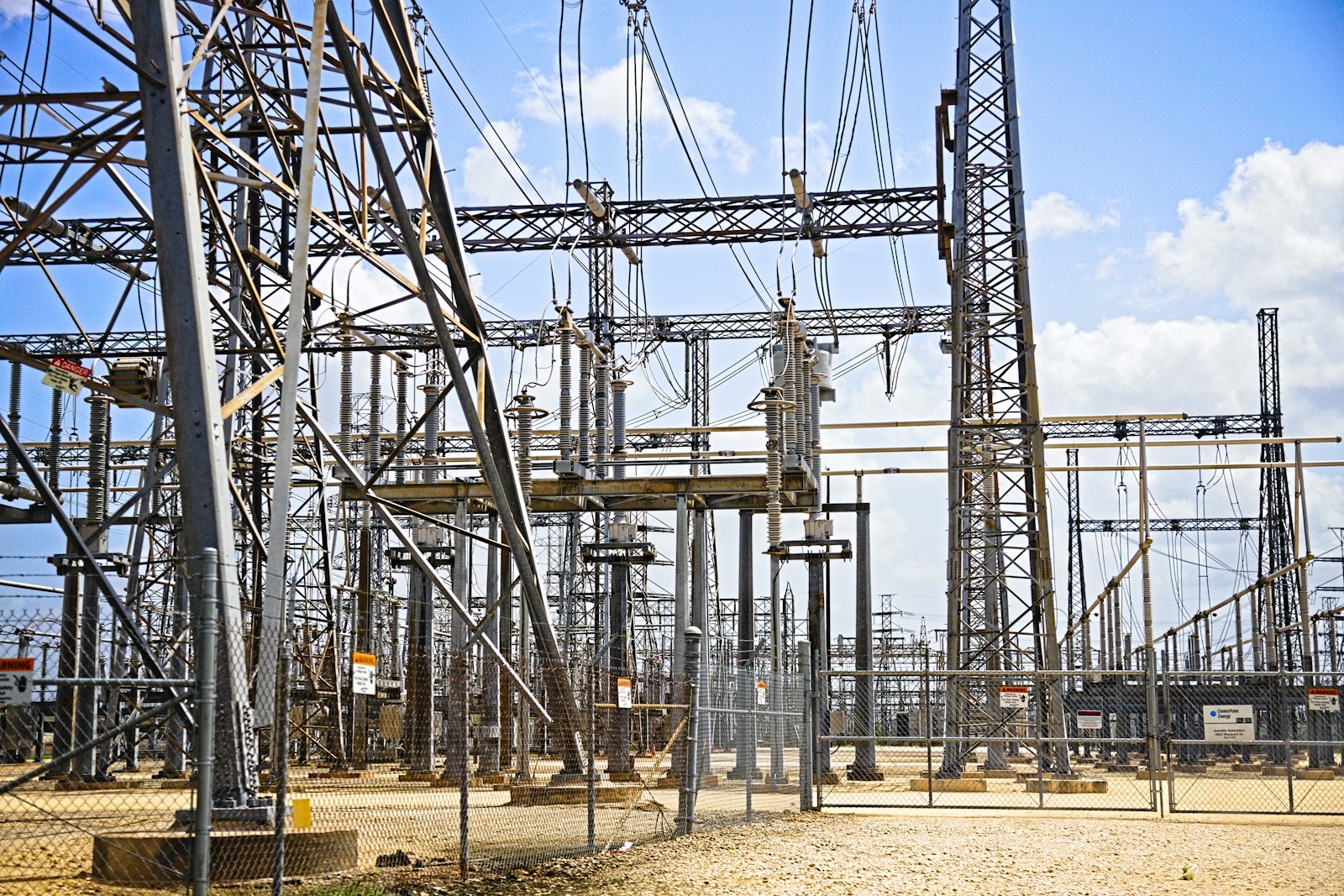
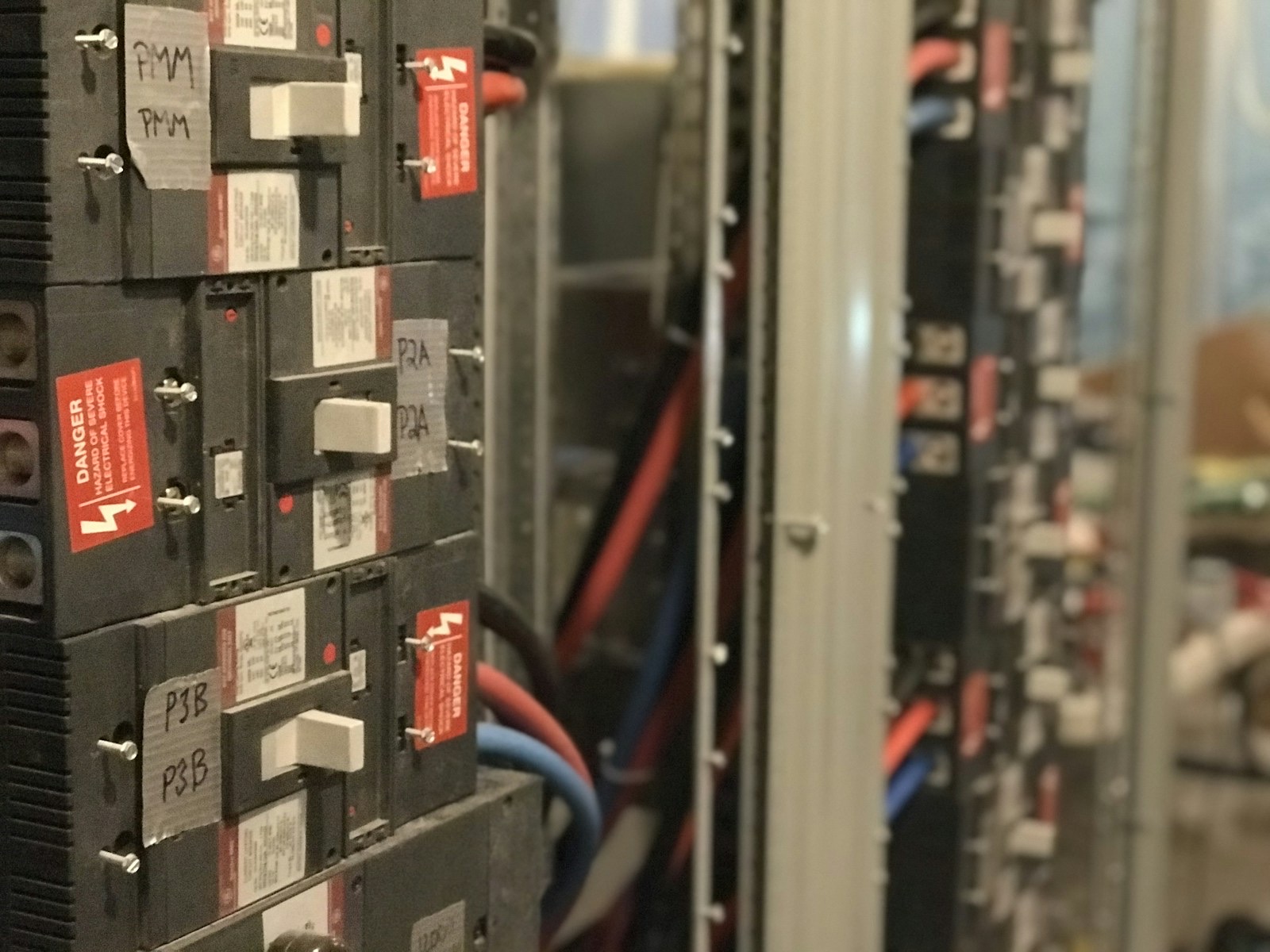
Power is not a single thing you either have or do not. Between a substation and a server there is a chain of physical apparatus: transformers, switchgear, breakers, busway, and the enclosures that house all of it. Every item in that chain is fabricated metal and copper, built to a specific site's specification, on a lead time measured in quarters.
That chain is where the constraint has moved. A developer who has secured land, permits, chips and an interconnection agreement can still be unable to energise a building because the switchgear is eleven months out. Nothing in that sentence involves a semiconductor.
Why this apparatus is slow
It is customised. An enclosure is not a commodity pulled from a warehouse; it is engineered to a particular building's electrical design, and its production is a fabrication and assembly business — steel, copper, skilled labour, floor space.
That makes it inelastic in exactly the way software is not. Demand for compute can double in a year. A fabrication plant cannot, because the response requires a building, a workforce and a supply of the metal itself, which is why the response takes the form of an announcement about a million square feet in Arkansas rather than a price increase that clears the market.
And it is why the lead time, not the price, is the variable that has been moving. In a market with fixed short-run capacity, excess demand shows up as queue length first and cost second. Buyers who have been quoting these products know the queue lengthened well before the price did.
The same mistake, in reverse
Europe made the opposite version of this error and this desk covered it: the battery plants were funded and the grid connections were not, so factories were built that could not be energised. The failure there was to finance the visible asset and forget the boring one attached to it.
The American AI build-out is now running into the same boring asset from the other direction. The capital is present — the four largest buyers have committed something close to a trillion dollars, and that bill arrives on a depreciation schedule — but capital does not fabricate switchgear. The money arrived faster than the metalwork, and the metalwork is now being expanded to meet it, on the metalwork's timetable rather than the capital's.
Which is the useful thing to understand about a constraint chain generally: relieving one constraint does not produce output. It reveals the next one. Every stage that was previously slack becomes binding in turn, and the system moves at the pace of whichever stage is currently slowest, not at the pace of the stage that was fixed most recently.
What Arkansas actually tells you
Three details are worth separating from the jobs number.
The capacity doubles, which is a statement about how tight the current position is. The plant is a million square feet, which is a statement about how physical this bottleneck is — that is not a facility you scale by hiring engineers. And Fibrebond was bought in April 2025 and has been an expansion focus since, which means the decision to build this capability predates the announcement by well over a year.
The last of those is the honest measure of a lead time. If a company identified the opportunity, acquired a business and is only now breaking ground on the capacity, the product coming out of this plant is answering demand that was visible in 2025.
The number to watch
Not investment announcements, which are lagging indicators dressed as news.
Watch quoted lead times for medium-voltage switchgear and custom enclosures. When they come down, the electrical constraint has eased and the binding one has moved somewhere else — probably to transformers, probably to the people qualified to install any of it.
When they do not come down despite plants like this one opening, the demand is growing faster than the fabrication base can be extended, and the schedule every data centre developer has published is fiction.
The $242m investment, the one-million-square-foot facility, the approximately 1,200 jobs, the manufacture of customised electrical enclosures for the Fibrebond business, the stated doubling of US enclosure capacity, the markets served and the April 2025 acquisition of Fibrebond are from the announcement of 2 September 2026 and reporting the same day by the Arkansas Economic Development Commission, the Arkansas Democrat-Gazette, Talk Business & Politics and Data Centre News. The analysis is our own.
Topics businessmanufacturingdata centressupply chain