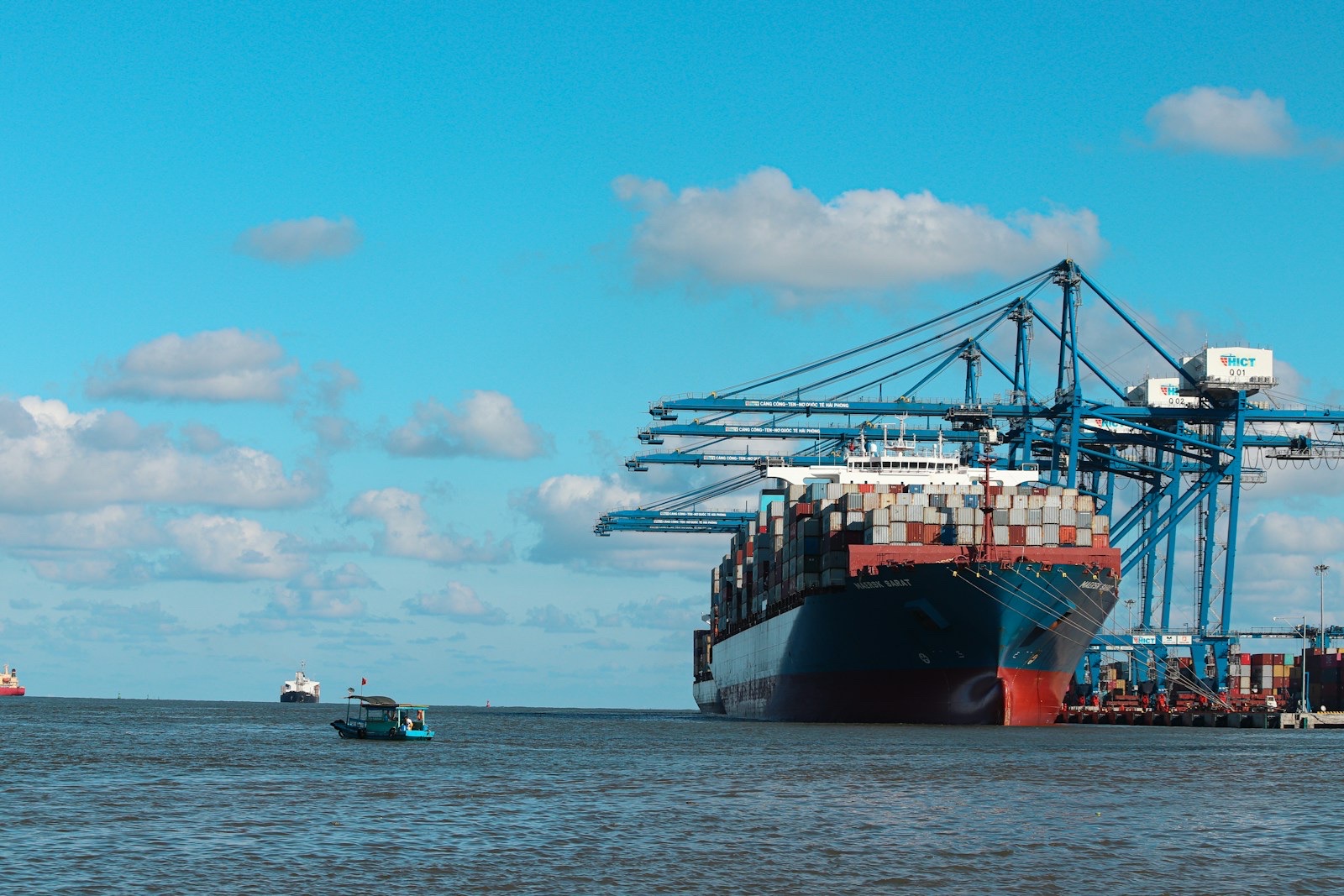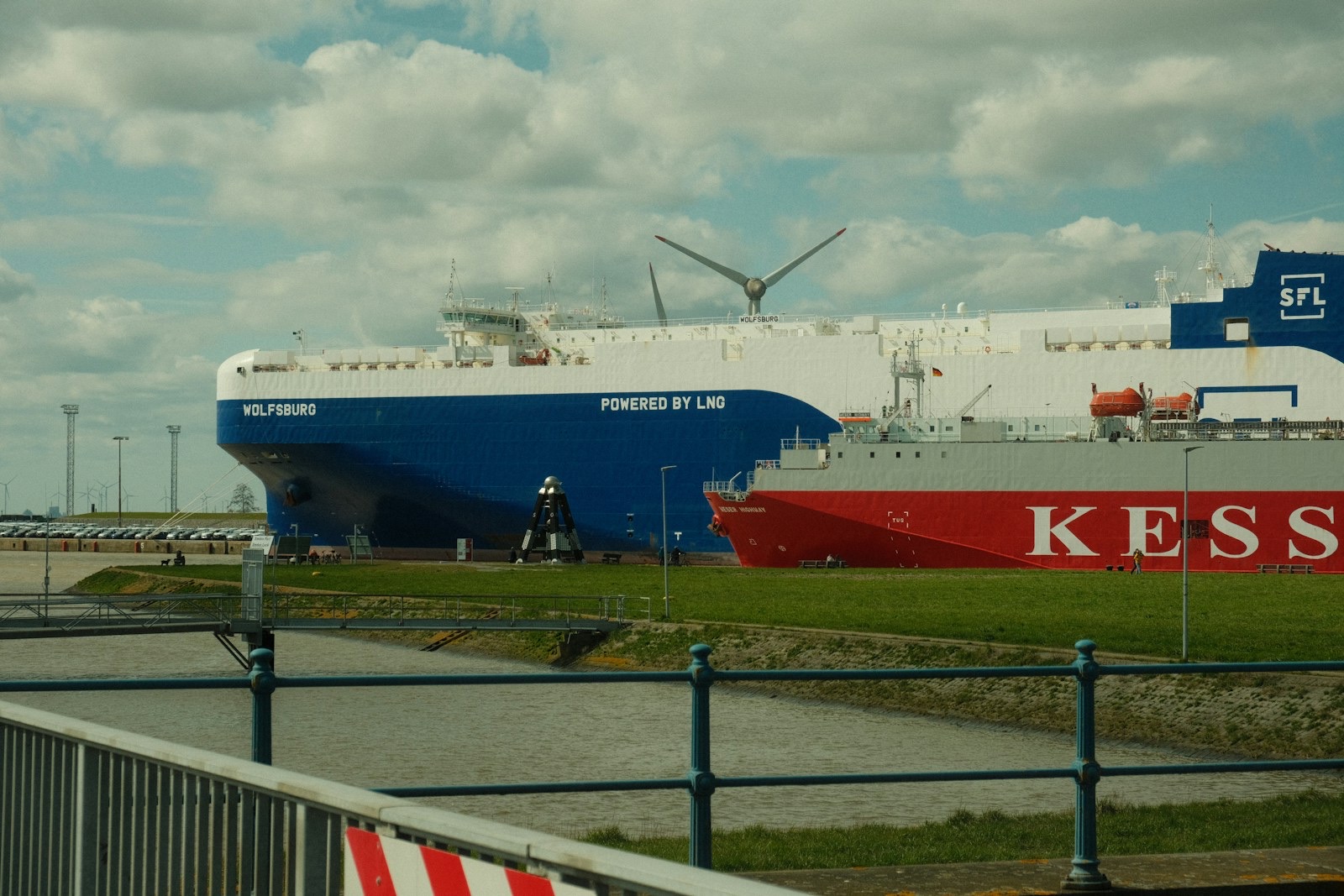
China exported about 919,000 passenger vehicles in September, 64 per cent more than a year earlier, while domestic passenger-car sales fell 27 per cent, the China Association of Automobile Manufacturers (CAAM) said on Monday, as reported by the Associated Press. In the first nine months of 2026, passenger-car exports reached 7.167 million, up 70.6 per cent on the same period of 2025, according to CnEVPost's compilation of the CAAM tables.
The headline gain hides the more useful number. Domestic passenger-car sales were 1.668 million in September, down 27.4 per cent, and total passenger-car sales at home and abroad were 2.588 million, CnEVPost reported. By this publication's arithmetic that total is about 9 per cent below September 2025. Exports are cushioning the fall. They are not offsetting it.
What the figures show
Working back from the reported percentage changes, September 2025 looks to have had about 2.30 million domestic sales and about 560,000 exports. That means domestic sales lost roughly 630,000 units and exports added roughly 360,000. On this publication's arithmetic, exports made up about 57 per cent of the shortfall.
The composition matters. Domestic sales of conventional-fuel passenger cars fell 47.3 per cent to 526,000 units, according to CnEVPost, a drop of about 470,000. That is about three-quarters of the domestic decline. Domestic passenger sales of new-energy vehicles, which include plug-in hybrids and pure electric cars, fell 12.1 per cent to 1.142 million. The AP attributed the home-market weakness to weaker consumer confidence and scaled-back government subsidies, and CnEVPost's summary of the release said there had been "no meaningful improvement so far" in domestic demand.
Exports now carry a much larger share of the business. Passenger-car sales in the first nine months totalled 19.96 million, down 6.1 per cent, CnEVPost reported. By our arithmetic, exports were about 36 per cent of that, against about 20 per cent a year earlier.
What is being exported
The mix is shifting toward electrified cars. New-energy vehicle exports were 571,000 in September, up 160 per cent, of which 352,000 were battery-electric and 219,000 were plug-in hybrids, according to CnEVPost. Plug-in hybrid exports rose 220 per cent. Those figures cover all vehicle types, passenger and commercial, so they cannot be set directly against the 919,000 passenger-car total. They also carry no destination breakdown.
The forecasts need the same care. The AP reported that the consultancy AlixPartners and some analysts expect Chinese automakers to export nearly or around 10 million vehicles in 2026. That is a figure for all vehicles. The 7.17 million is passenger cars only.
Cost is part of the explanation. The AP cited AlixPartners analysis that a Chinese-branded electric vehicle costs about $20,000 to produce, against $31,000 for a European equivalent.
The European limit
The data landed on the same day that two senior EU officials described to the AP the terms of the interim deal that the bloc's trade chief, Maroš Šefčovič, announced in Beijing on Friday. The agreement sets an annual import quota of 350,000 China-made hybrids, including plug-in hybrids, the officials said, speaking on condition of anonymity. One of them said customs authorities across the 27 member states would coordinate monitoring from as early as December and halt shipments once the quota is reached. Cars built in Europe by Chinese companies are excluded.
That is the first number anyone has put on the deal. It is still an account from anonymous officials rather than a published text, and Beijing's own statement on Friday spoke only of an "understanding." How the quota is counted and who administers it remain unknown. That is our reading of the public record.
The exposure is real. Deutsche Bank said, in research cited by the AP, that Chinese automakers took about 12 per cent of Europe's new-car market in August and accounted for one in four hybrid sales there. The EU already imposes higher tariffs on China-made pure electric vehicles, which pushed Chinese carmakers toward hybrids.
What happens next
Two things could soften the blow. One is local production. BYD is setting up plants in Thailand, Indonesia, Brazil and Hungary, the AP reported. Ming Lee, head of Greater China automotive and industrial research at BofA Global Research, told the AP: "More and more volume will be made locally."
The other is other markets. The AP listed Latin America, Southeast Asia and Africa among regions Chinese automakers are targeting, and said Canada is opening to Chinese electric vehicles under a tariff-cut deal. The U.S. is not an outlet: the AP said it has effectively shut out Chinese EVs with heavy tariffs, and that last month's meeting between President Donald Trump and Xi Jinping produced no deal on access.
That Europe's cap will push volume toward those markets is inference, not anything reported by the AP or CAAM. The test is in the October and November export data. If hybrid shipments to Europe run hot before December, the quota is being front-loaded. If total exports stay near 900,000 a month after it bites, the volume has gone elsewhere. If they do not, the domestic slump has less left to offset it.
Export, domestic-sales and nine-month figures are from the China Association of Automobile Manufacturers (CAAM) September release of 12 October 2026, as reported by the Associated Press the same day and itemised by CnEVPost, which compiles CAAM's tables; this publication did not obtain CAAM's own release. The EU quota, the December start and the exclusion of European-built cars come from two senior EU officials who spoke to the AP on Monday on condition of anonymity; Maroš Šefčovič's Friday statement is as relayed by the AP. The AlixPartners forecast and cost comparison, the Deutsche Bank market-share figures, BYD's plant locations and the quote from Ming Lee of BofA Global Research are as reported by the AP. By this publication's arithmetic: the year-earlier figures (about 560,000 exports, about 2.30 million domestic sales and about 2.86 million in total) are backed out from the reported percentage changes; the domestic loss of about 630,000 units, the 57 per cent offset, the roughly 9 per cent fall in total sales, the roughly three-quarters share of the loss from conventional-fuel cars, and the nine-month export shares of about 36 and 20 per cent are derived from those. Any link between the cap and redirected volumes is inference. The analysis is our own.
Topics worldChinaautoshybridselectric vehiclestrade