
Top stories
LKQ Replaced Its Chief Executive as Its European Margin Fell to as Little as 4.1 Per Cent. His Successor Gets $15.3 Million to Sign On.
American Express Raised Its Forecast After Earning $5.42 a Share. Its Cards Now Carry an Average Fee of $136 a Year, 14 Per Cent More Than a Year Ago.
AI Researchers Moved Their Date for Human-Level Machines 13 Years in One Survey. Nova Reach Founder Rishabh Singh Has Stopped Picking a Year.
P&G Raised Prices Just 0.4 Per Cent and Sold 2.4 Per Cent More Volume. It Expects a $1.4 Billion Commodity Hit, Most of It Still to Come.
American Airlines Made $115 Million Flying Passengers Last Quarter and Paid $435 Million in Interest. Fuel Will Cost It More Than $7 Billion Extra This Year.
Argentina's 1995 Immunity Law Lists 8 Ways to Sue a Foreign State. Two Courts Say Juan Carlos Ruffier's Case Against the U.S. Fits None of Them.
Comcast Lost 144,000 Broadband Customers in a Quarter and Has Stopped Buying Back Its Shares. Its Parks Profit Fell 17 Per Cent.
Meta Spent $34.9 Billion on Capital Projects in One Quarter and Burned $2.1 Billion of Free Cash. Its Commitments Now Total $454.5 Billion.
The Richest Fifth of U.S. Households Spends $1,861 a Year on Its Pets. Cinnante Canine Is Building a Business Around Them.
Union Pacific's Revenue Rose 15 Per Cent, and 6 Per Cent Without Fuel Surcharges. At CSX, Surcharges Supplied More Than Half of a $430 Million Gain.
AT&T Took a $2.6 Billion Charge on the Mexican Business It Agreed to Sell for $2 Billion. GAAP Earnings Fell to $0.13 a Share; Adjusted Earnings Rose to $0.65.
The Big Read
MarketsBrazil's Stock Index Fell as Much as 17 Per Cent After Lula Won by 4.4 Million Votes. Measured in Dollars, It Closed About a Fifth Lower.
Investors had positioned for a win by Flávio Bolsonaro. By this publication's arithmetic, the index closed about 20 per cent lower in dollar terms, and the Treasury has cancelled two bond auctions to stop long-term rates climbing further.
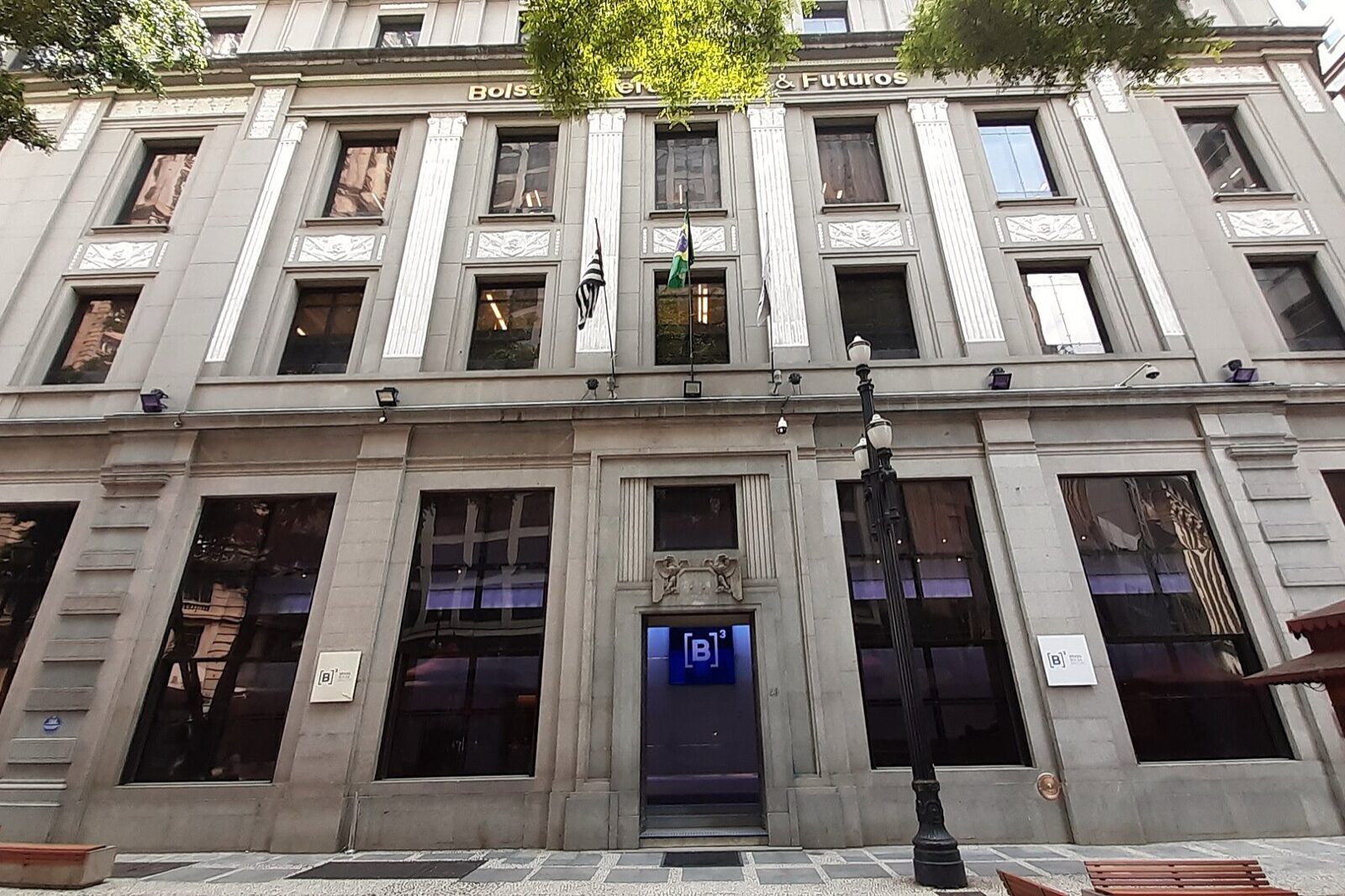
The Bolsa de Mercadorias & Futuros building on Praça Antônio Prado in São Paulo, with B3 signage at the entrance, in December 2021. File photograph.
Brazil's main stock index, the Ibovespa, fell as much as 17 per cent on Monday after President Luiz Inácio Lula da Silva won Sunday's runoff, and the exchange halted trading for 30 minutes. It closed down 13.88 per cent. The dollar closed up 8.25 per cent against the real.
Lula, of the Workers' Party (PT), took 64,256,232 votes, or 51.79 per cent of valid votes, against 59,826,041 for Flávio Bolsonaro of the Liberal Party (PL), according to the electoral court's complete count as published by The Rio Times. The margin was about 4.4 million votes. Flávio Bolsonaro, who led the first round on 4 October, has said he does not recognise the result and will ask the courts to annul it, the same outlet reported. The size of the market move is not in dispute. What it was pricing is.
Brazilian markets fell far enough to halt the exchange for the first time since the pandemic. B3, the São Paulo exchange operator, triggered a circuit breaker at 9:57 a.m. local time and suspended cash-equity trading for 30 minutes, the first such halt since March 2020, according to InfoMoney's live coverage. The index touched an intraday low of 169,516.43 points against Friday's close of 205,082.56, a fall of 17.3 per cent by this publication's arithmetic.
 Business
Verizon Added 406,000 Phone Subscribers in the Third Quarter, Up From 44,000 a Year Ago. It Says It Spent 41 Per Cent Less on Promotions to Win Them.
The phone numbers beat AT&T's for the quarter.
 Business
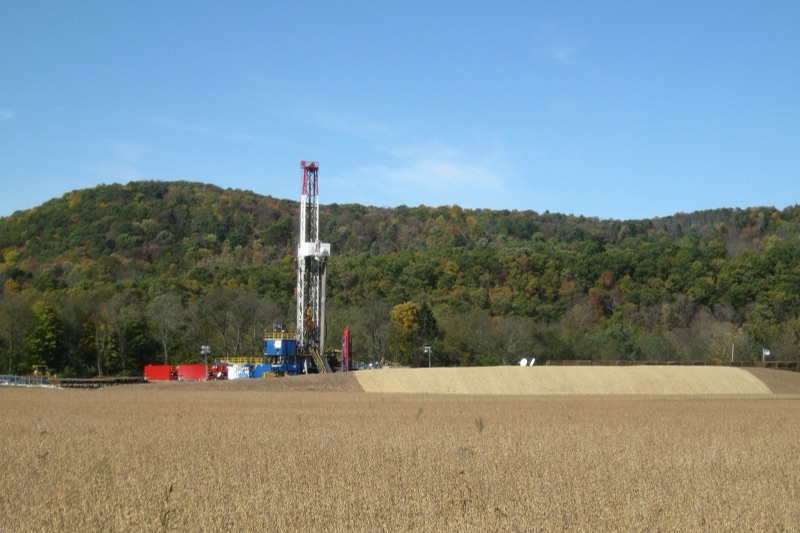
EQT Is Paying a 21 Per Cent Premium for Range Resources, in Stock. By Our Arithmetic, the Premium Equals Almost Seven Years of the Promised Savings.
At Friday's prices the offer was worth about $12.8 billion, a premium of about $2.2 billion.
Weather
New York City
--°
- —
- —% humidity
- Wind — mph
- H — · L —
Infrastructure Everybody Depends On Should Not Be Owned by a Competitor
Coverage Should Follow the Approval, Not the Advice
You Cannot Delegate the Thing You Have Never Done
 Business
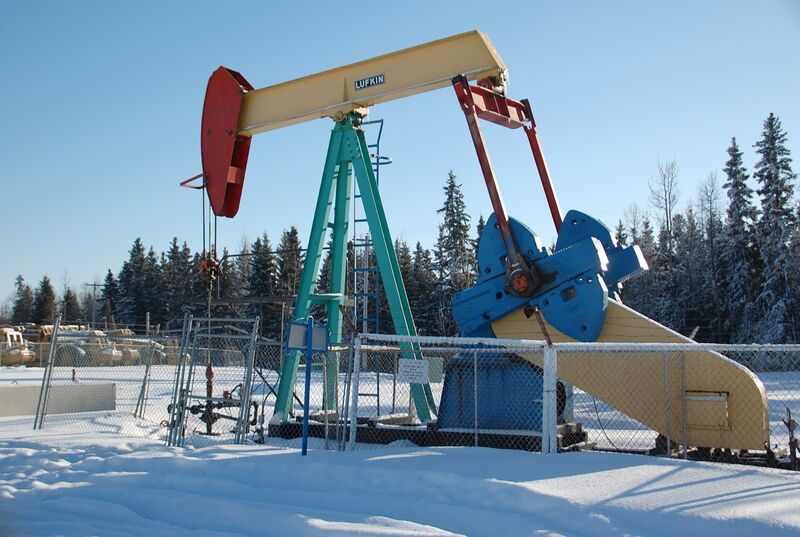
Ovintiv Will Pay About $890 Million for Logan Energy, or $44,500 for Each Barrel a Day It Produces. By Its Own Benchmark, $340 Million of That Is for Wells Not Yet Drilled.
The price per flowing barrel is well above the $27,500 Ovintiv uses to value producing wells.
Lazard's Adjusted Revenue Rose 11 Per Cent in the Third Quarter. Its Adjusted Profit Fell 35 Per Cent, as Pay Held at 69.9 Per Cent of Revenue.
Lazard is paying for bankers now on the promise of deals in 2027.
Omnicom's Organic Growth Reached 7.2 Per Cent in Its Third Quarter With Interpublic. It Has Spent $3.2 Billion on Buybacks This Year, $857 Million More Than Its Free Cash Flow.
The growth rate has risen in each quarter of 2026.
The Pentagon Is Lending Border Officials One Heat-Ray Weapon for Seven Months. In Two Decades It Has Never Been Used in Combat.
The loan commits DHS to nothing yet.
Got a tip for us?
Editors read every submission. Here is how to send documents, on background or on the record.
How to submitThe Picture
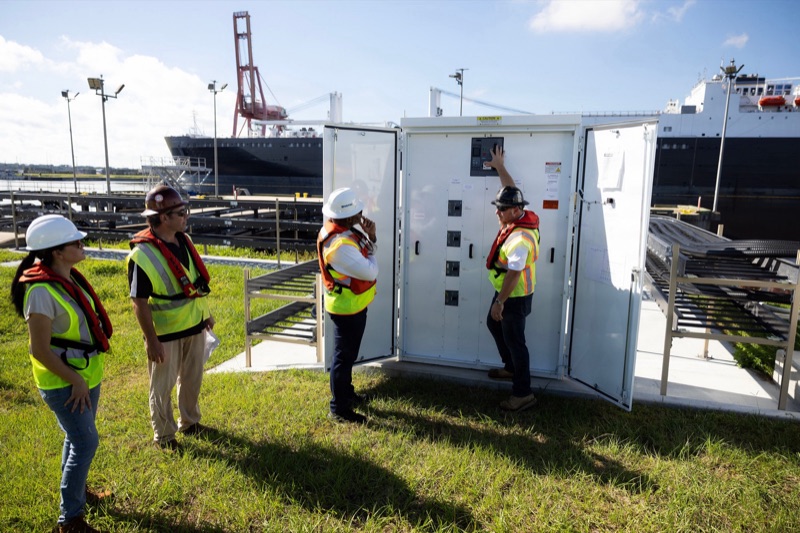
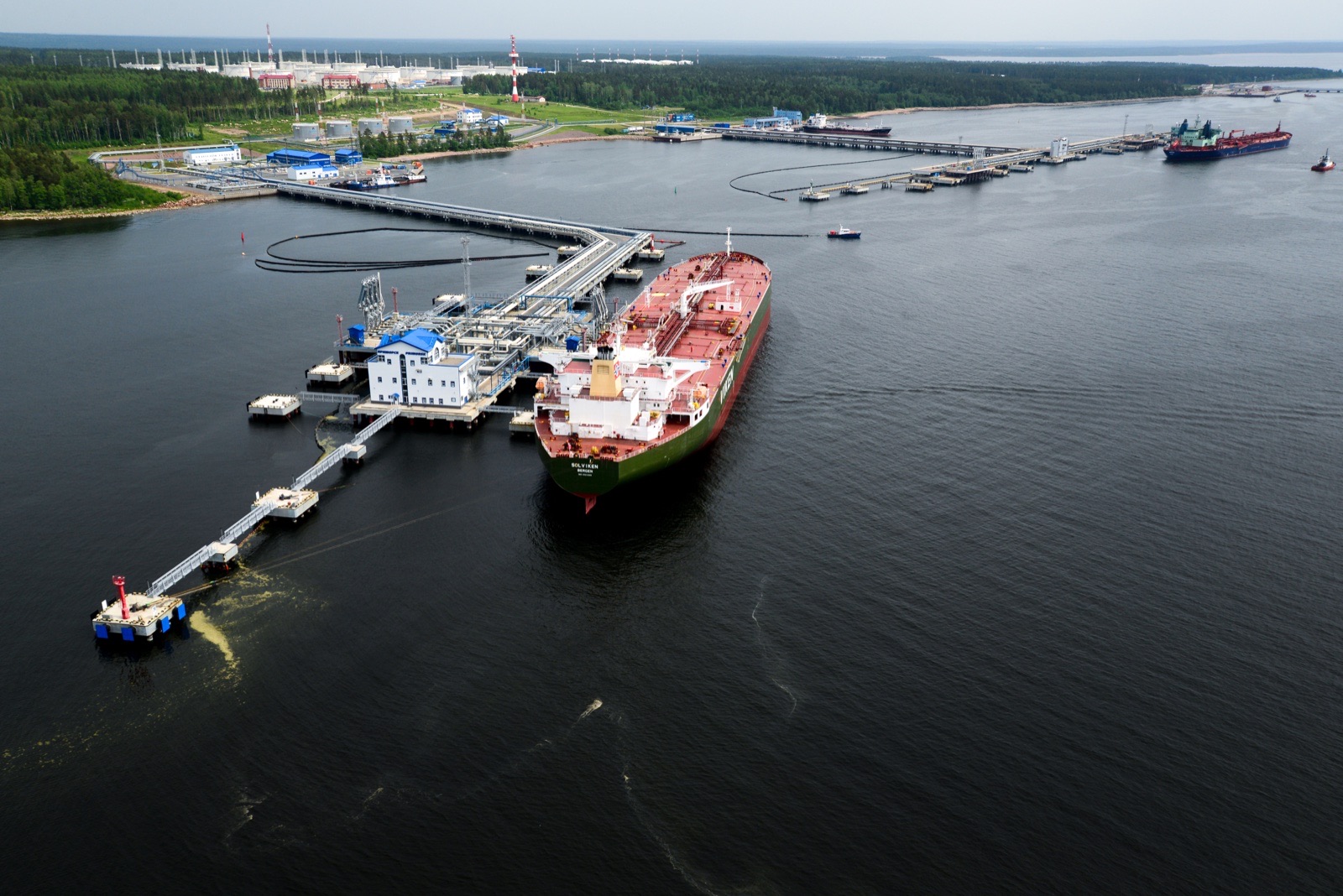
A $4.5 Million Shore-Power Hookup in Jacksonville Is Meant to Switch Off Ship Generators That Can Burn 4,000 Gallons of Fuel a Day
 Business
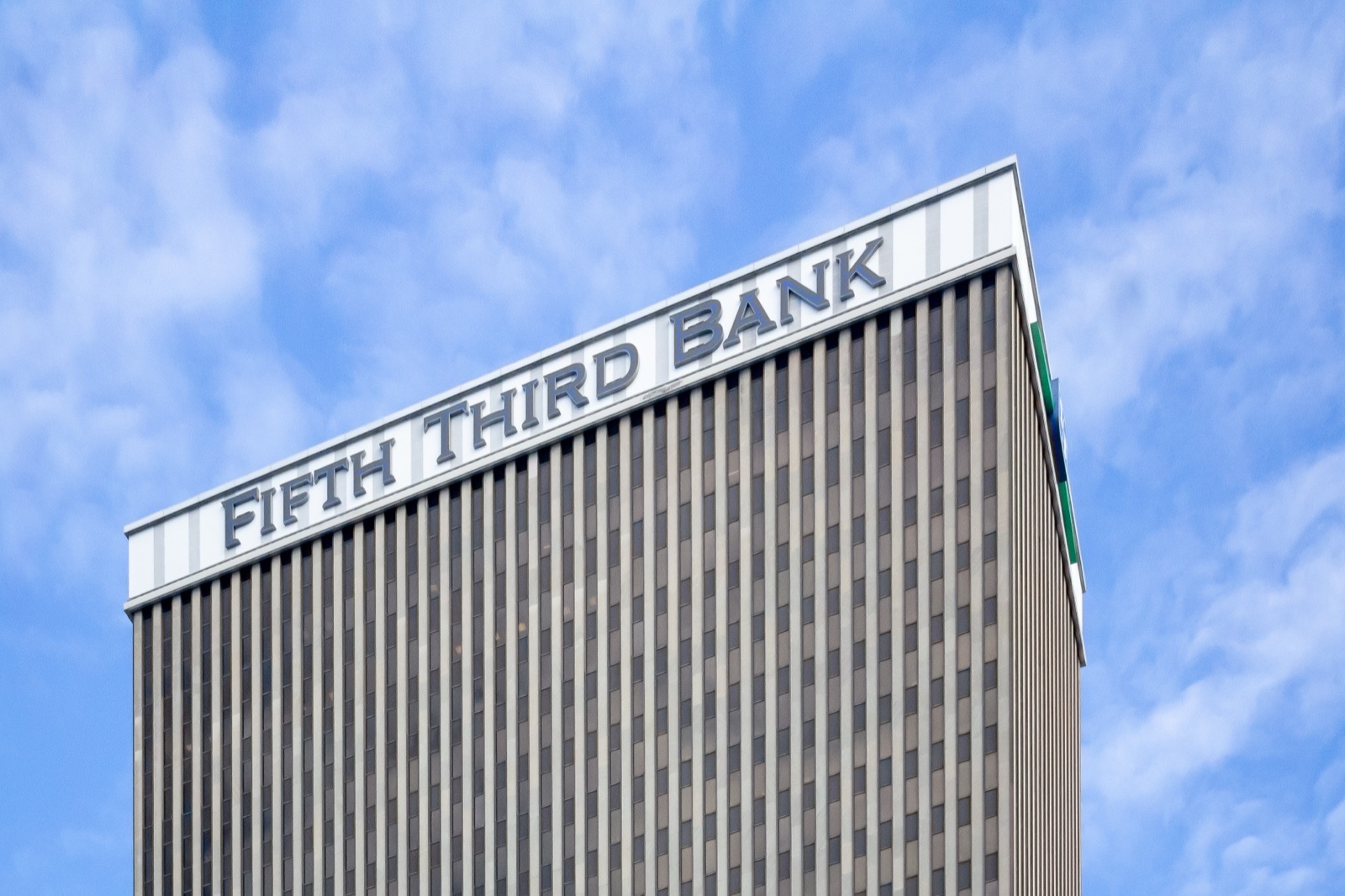
Fifth Third Earned $828 Million With Comerica Fully Folded In. Its Efficiency Ratio Is 62.4 Per Cent, Against 54.9 a Year Ago.
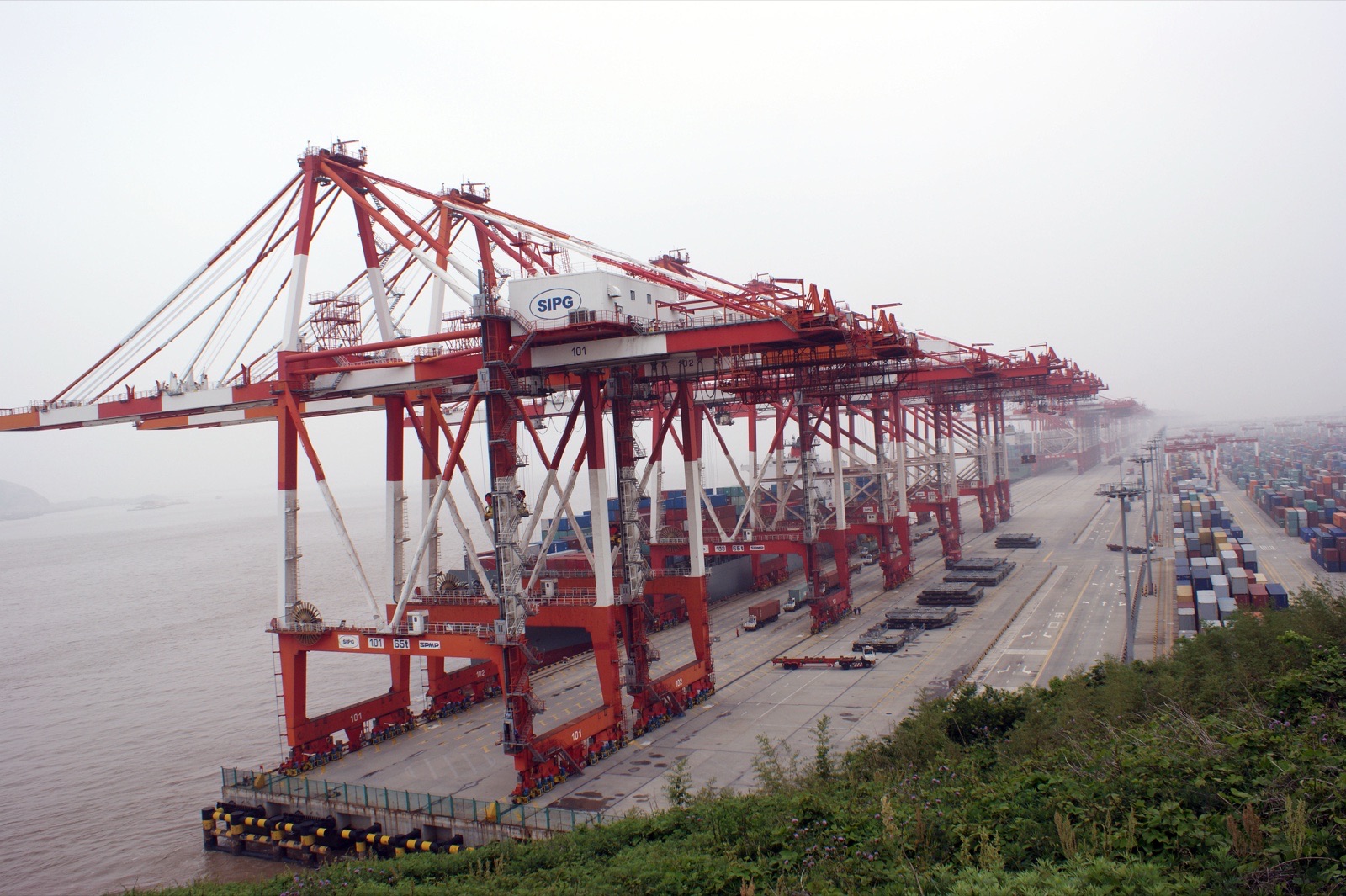 The Numbers
China Grew 4.5 Per Cent in the Third Quarter. Investment Is Down 7.2 Per Cent This Year, and Private Investment 10.4.
 Business
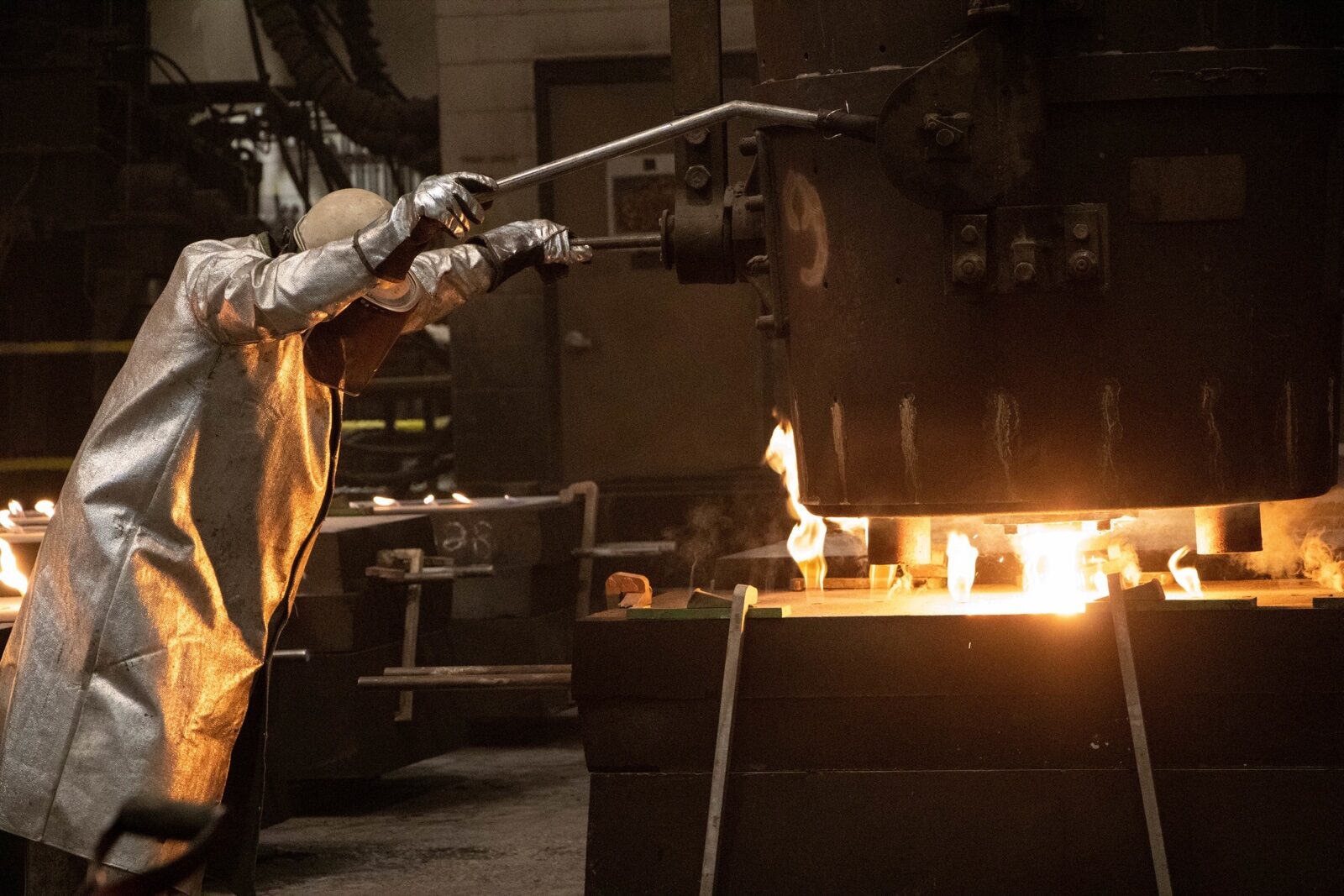
Pentagon Contractors Lose Their Critical-Minerals Waivers on 1 January. The Aerospace Industry Says Replacement Supply Is Not Expected Until 2028 or Later.
 Business
The Navy Lent Six Pearl Harbor Welders to Electric Boat and 95.5 Per Cent of Their Weld Tests Passed. About 130 More Public-Yard Workers Are Coming.
Editor's Choice
Latest News
Everything we have published, newest first3M Gave Amazon a Warrant for 3.16 Million Shares at $164.89. Most of It Vests Only After Amazon Pays 3M $6 Billion for Data Center Gear.
3M disclosed on 19 October that it issued a warrant to a wholly owned Amazon subsidiary for up to 3,162,015 shares at $164.89 each, exercisable over seven years. Eighty-five per cent of it vests as Amazon pays for optical connectivity and other data center products, fully at $6 billion of cumulative payments. 3M has not described the milestones for the rest, or how it will account for the warrant.

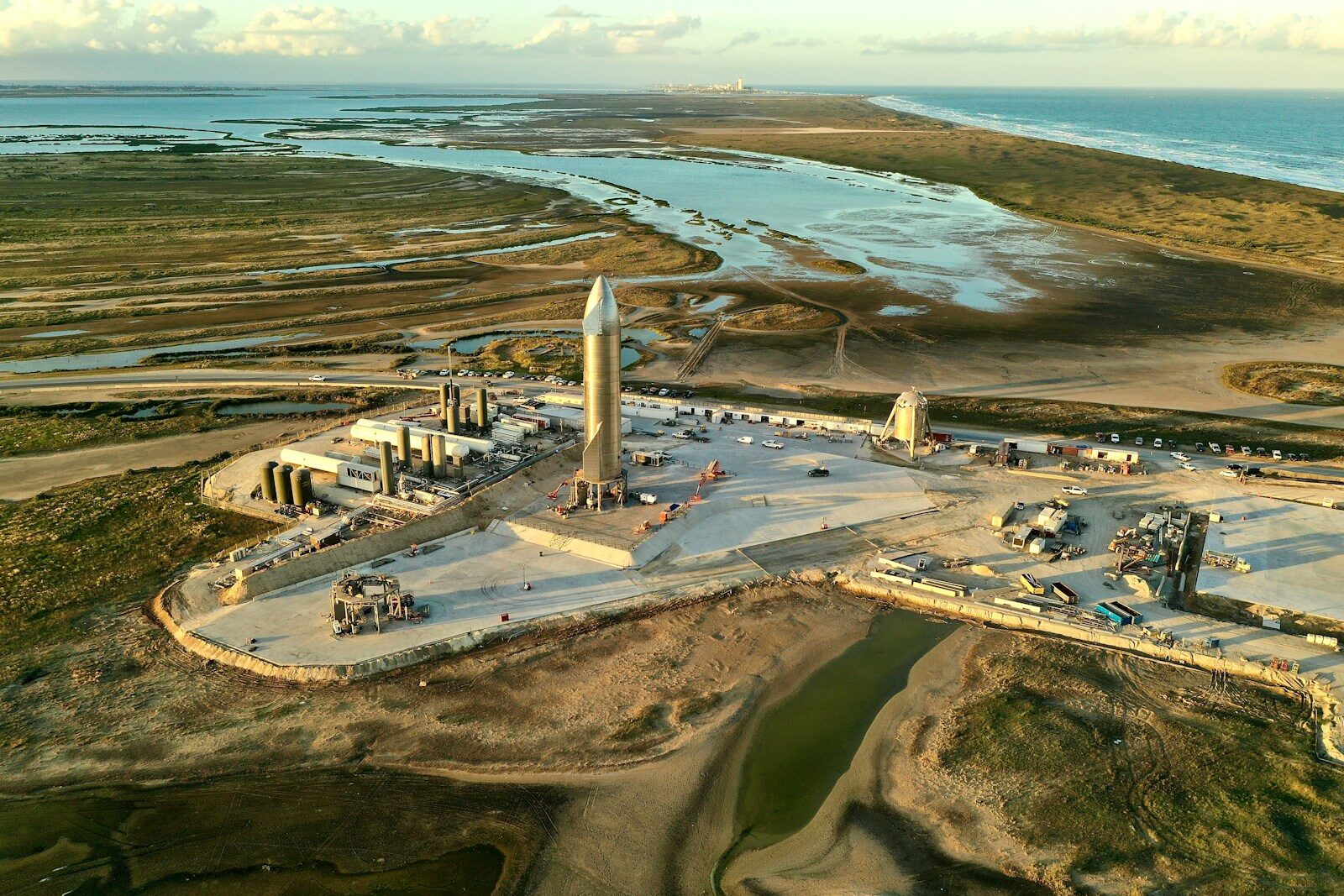
SpaceX Earned $4.4 Billion in the Third Quarter, $1.6 Billion of It Outside Operations. Musk Says SpaceX and Tesla Have Each Formed a Merger Committee.
SpaceX said on Tuesday 20 October that third-quarter revenue rose 161 per cent to $14.575 billion and net income was $4.404 billion, against a loss a year earlier. On the earnings call, Elon Musk said he thinks SpaceX and Tesla have each formed a special committee to discuss combining. Neither company has announced the committees or filed anything about them, and no terms exist.
Business
McKesson Is Paying $1.4 Billion for Half of Option Care. The Deal Sets Up a Framework for It to Buy the Rest.
Clayton Dubilier & Rice and McKesson agreed on Monday to take Option Care Health, the largest independent home infusion company in the United States, private for $32.05 a share. McKesson is putting in about $1.4 billion for 49 per cent, and the agreement sets out a framework for it to buy the private equity firm's majority later. Lenders have committed more money to the deal than the two buyers have.
EQT Agreed to Buy Cleanaway for A$3.095 a Share, a A$9.3 Billion Deal. Three Days Earlier, the Stock Fell 7.6 Per Cent and the ASX Asked Why.
The price is 3.5 cents below the August proposal because a dividend has since been paid, and the premium the company quotes is measured against the old figure. The more telling number is the share price on the Friday before signing.
Tradeweb Will Pay $1.97 Billion for Trumid, and $220 Million of That Is for Tax Assets. It Has Not Said What Trumid Earns.
The release gives a price, a protocol list and an accretion promise. It does not give Trumid's revenue, volume or client count, so the multiple cannot be calculated.
Technology
Salesforce Will Pay $47.50 a Share in Cash for Braze, an Enterprise Value of About $5.66 Billion. It Has Agreed to a $300 Million Reverse Termination Fee.
Salesforce said on Tuesday 20 October that it has signed a definitive agreement to buy Braze for $47.50 in cash per Class A share, an enterprise value of about $5.66 billion. Closing is expected in Salesforce's fiscal 2028 and needs a Braze shareholder vote and regulatory approvals.
Steel Dynamics Earned $756 Million in the Third Quarter, 87 Per Cent More Than a Year Ago, at $1,400 a Ton. It Still Missed Its Own Guidance by Up to 12 Cents.
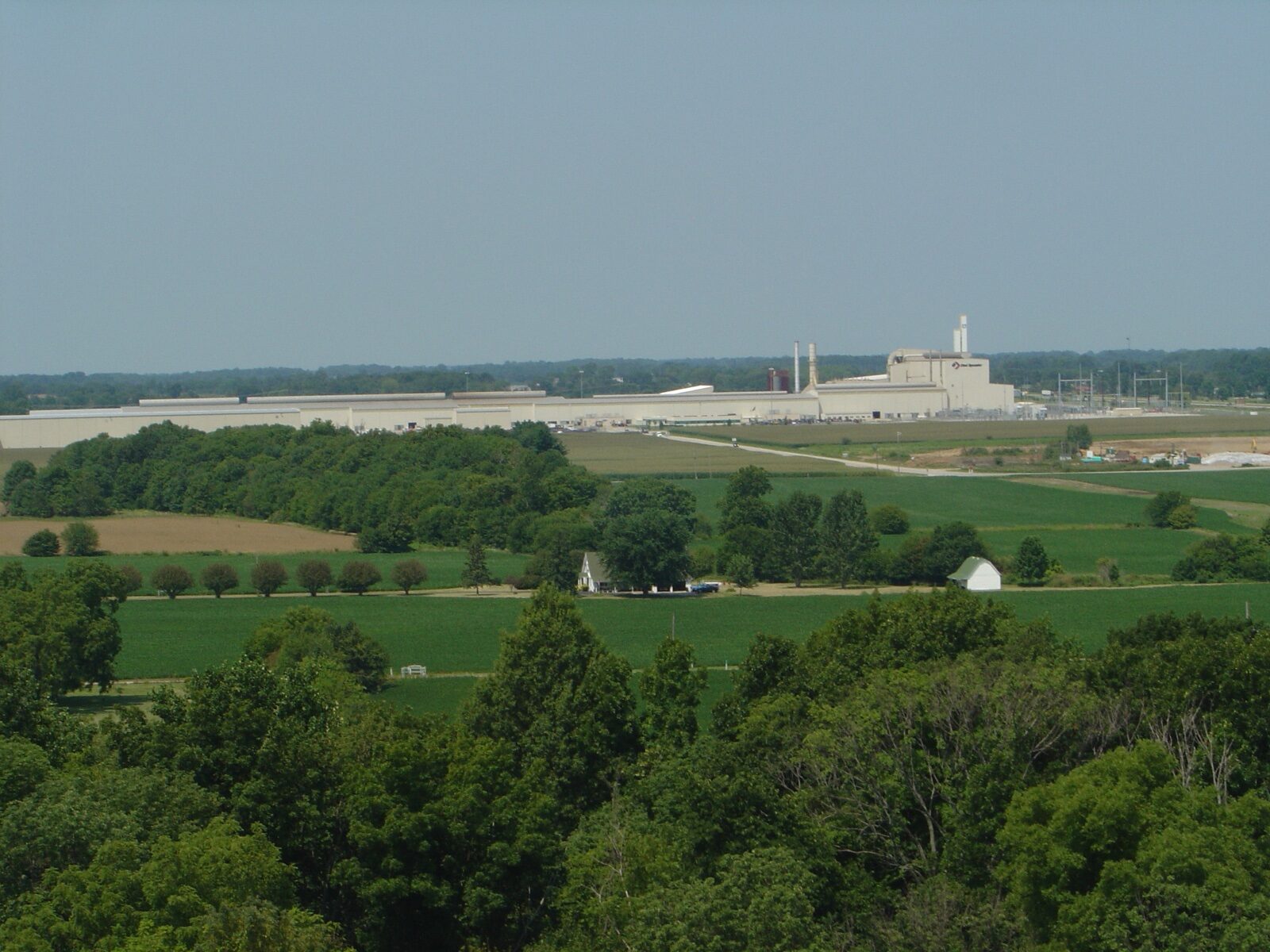
Steel Dynamics said on 19 October that third-quarter net income was $756 million, or $5.26 a share, on net sales of $6.5 billion and record shipments of 3.8 million tons. The average external steel price rose $102 a ton from the second quarter to $1,400. The EPS was below the $5.34-$5.38 range the company gave on 17 September.
The headline beat is real.
National News
St. Petersburg Vowed to Protect Its Landmarks. Treehouse Sanctuary Inc. Says the City Shut One Down Instead.
Treehouse Sanctuary, Inc., an interfaith nonprofit, sued the City of St. Petersburg in federal court on October 12, saying the City has barred worship in the former Euclid Methodist Church since September 2025 and is demanding sprinklers and a voice alarm that would strip the 1926 landmark of its historic interior.
What We’re Following
View all
Tesla Reports on Wednesday With Capital Spending Forecast at $7.94 Billion, Up 253 Per Cent. Analysts Expect Free Cash Flow of Negative $4.09 Billion.
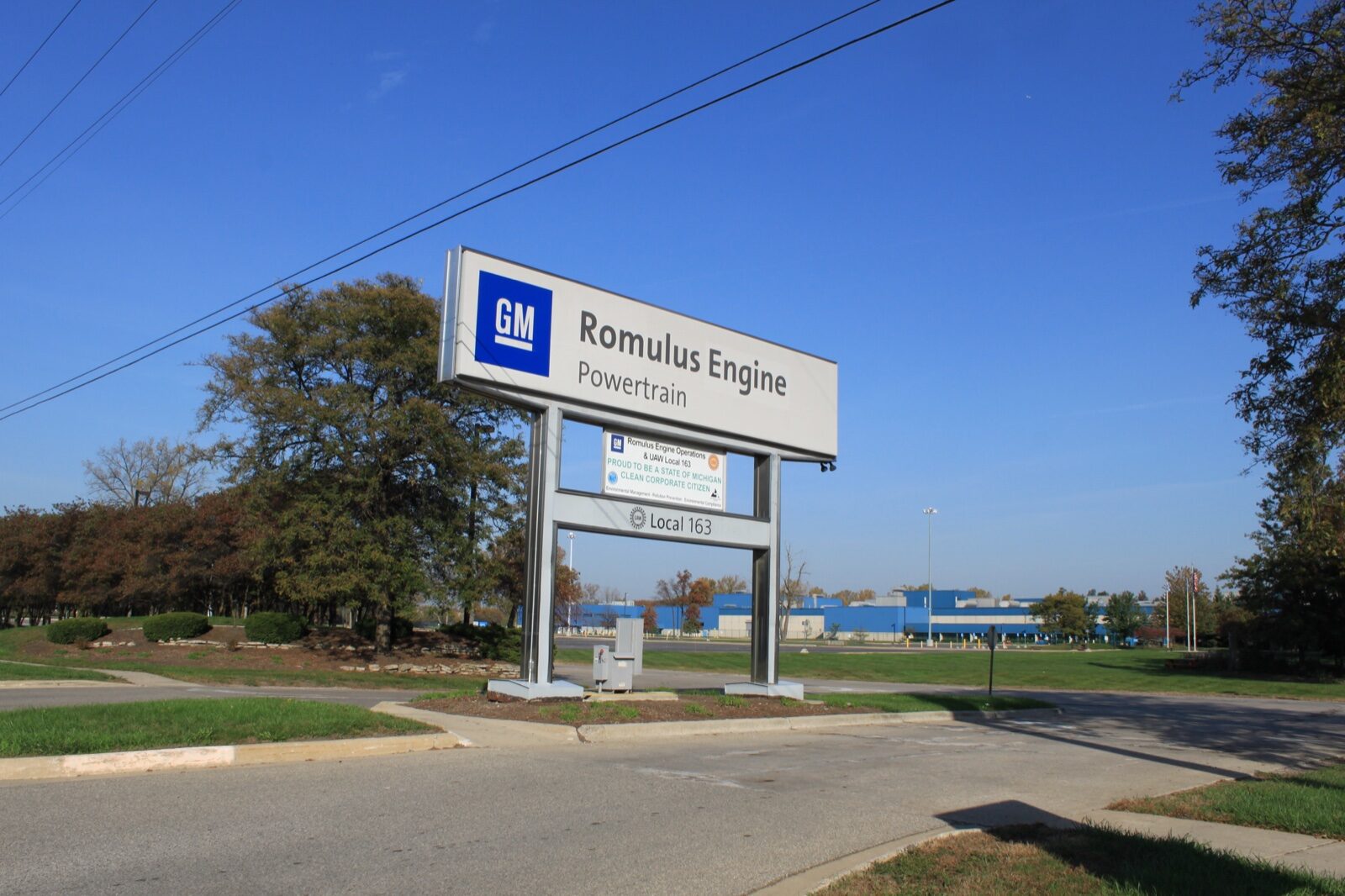
GM Reports on Tuesday After U.S. Sales Fell 6 Per Cent. Analysts Still Expect North American Profit to Rise About 31 Per Cent.
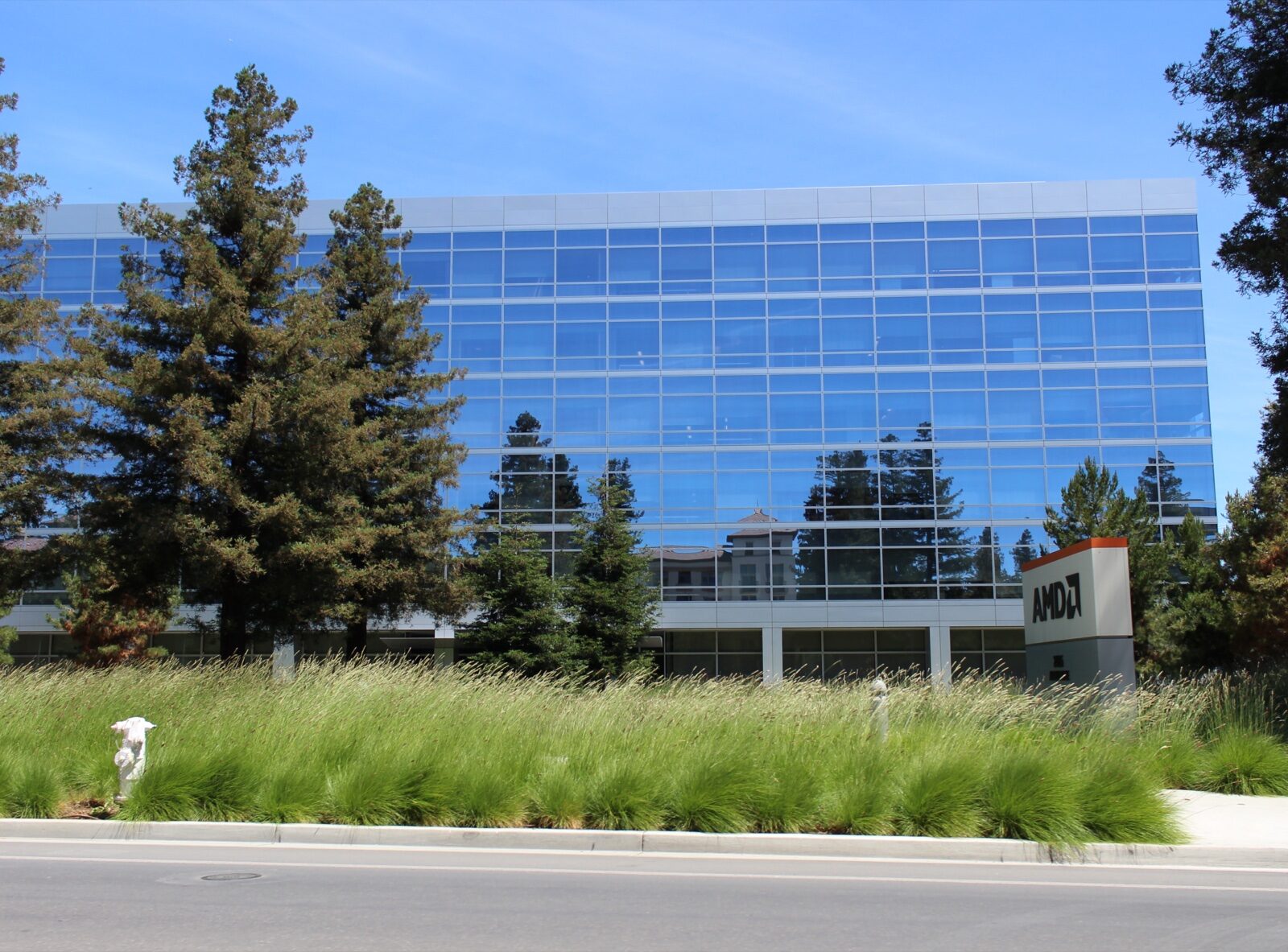
The Chip Index Has Fallen Eight Sessions in a Row, a Run Last Seen in October 2008. The Semiconductor ETF Is Down 16 Per Cent Since 6 October and Still Up 64 Per Cent for the Year.
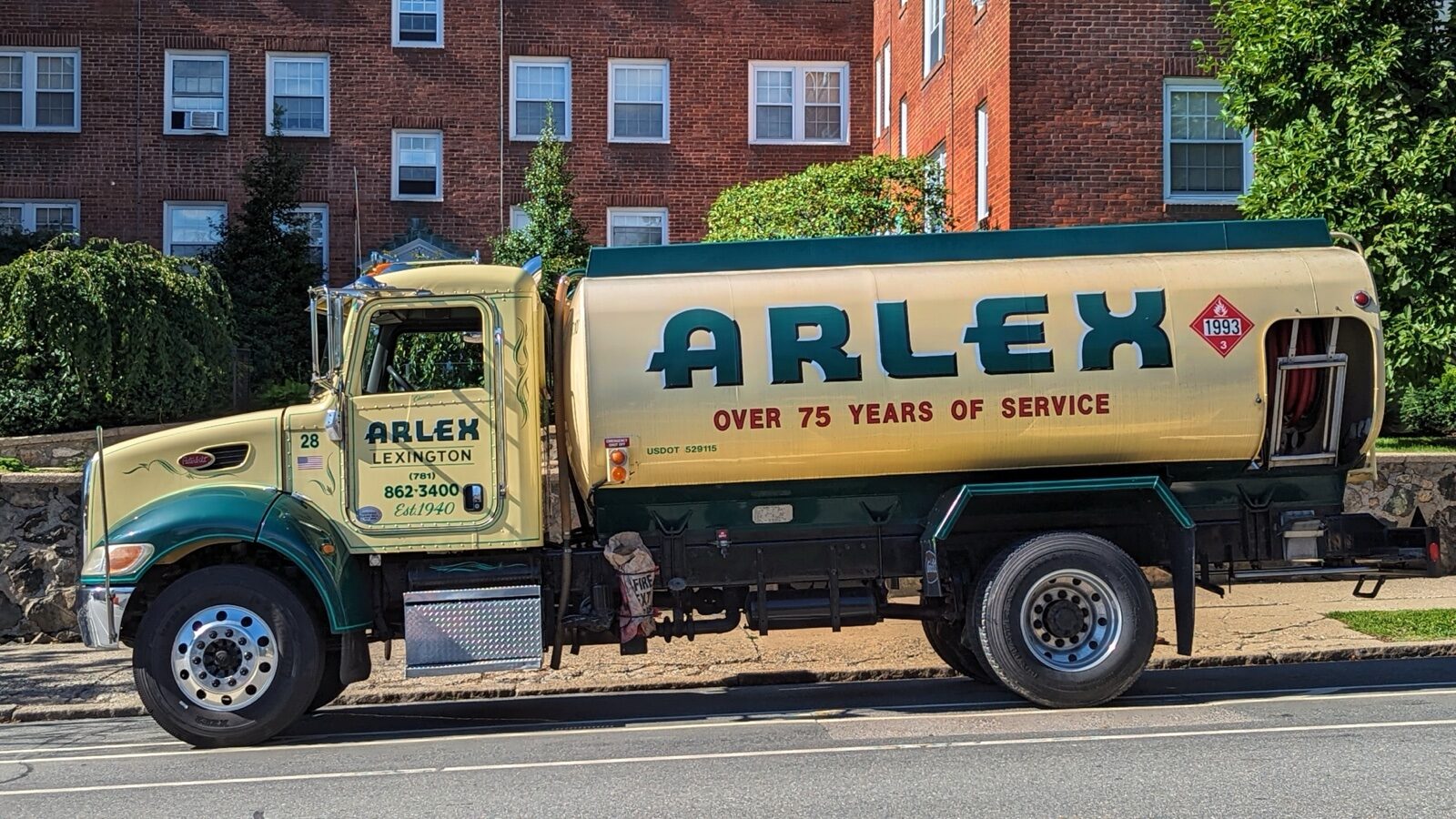
Moody's Zandi Puts the Iran War's Cost at Almost $2,000 a Household. Only $1,100 Is Energy, and Diesel Is Still 74 Per Cent Above Last Year.
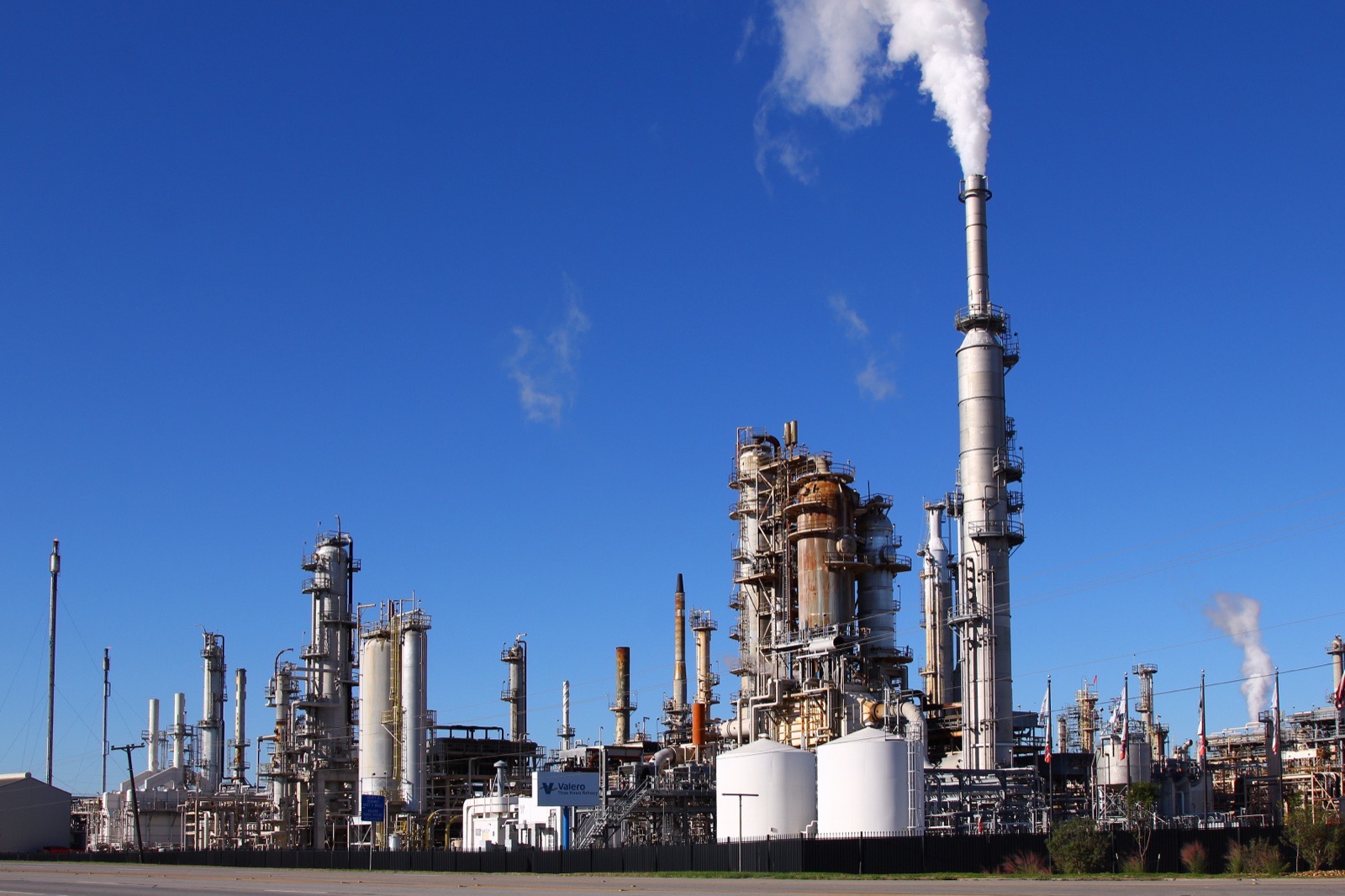
Valero Reports Thursday Against a $21.23 Consensus. A Year Ago It Earned $3.66, and in the Second Quarter $12.54.
Valero Energy reports third-quarter results on Thursday 22 October. The consensus estimate on Nasdaq's earnings calendar is $21.23 a share, against $12.54 adjusted in the second quarter and $3.66 a year ago. Nothing has been reported yet.
Merck KGaA Will Pay $20 an ADS in Cash for Silence Therapeutics, a 130 Per Cent Premium. The Price Is Built on One Drug, Not Yet in Phase 3.
The premium is 130 per cent over Friday's close but 82 per cent over the 30-day average, which says how much of the move the market had already made. The release names one drug as the reason.
Opinion Voices
Argument and analysis from our columnists



Featured Voices
The reporters and editors behind the coverage
Cory Chamberlain
Senior Writer
AI Researchers Moved Their Date for Human-Level Machines 13 Years in One Survey. Nova Reach Founder Rishabh Singh Has Stopped Picking a Year.
JPMorgan Reports Tuesday After a Quarter With $5.6 Billion of One-Off Gains. Analysts Expect Revenue of About $51 Billion.
Devon Is Selling 4 Per Cent of Its Production for $4.2 Billion. The Buyer Has Now Made 10 Eagle Ford Deals Since 2023.
Alison Acosta
Technology desk (house byline)
The Pentagon Is Lending Border Officials One Heat-Ray Weapon for Seven Months. In Two Decades It Has Never Been Used in Combat.
Meta Spent $34.9 Billion on Capital Projects in One Quarter and Burned $2.1 Billion of Free Cash. Its Commitments Now Total $454.5 Billion.
IBM's Software Revenue Grew 8 Per Cent While Consulting Was Flat. GAAP Earnings Rose 26 Per Cent, Against a Year-Earlier Quarter Cut by a $309 Million Tax Charge.
Daniel Okafor
Markets desk (house byline)
Ovintiv Will Pay About $890 Million for Logan Energy, or $44,500 for Each Barrel a Day It Produces. By Its Own Benchmark, $340 Million of That Is for Wells Not Yet Drilled.
Brazil's Stock Index Fell as Much as 17 Per Cent After Lula Won by 4.4 Million Votes. Measured in Dollars, It Closed About a Fifth Lower.
EQT Is Paying a 21 Per Cent Premium for Range Resources, in Stock. By Our Arithmetic, the Premium Equals Almost Seven Years of the Promised Savings.
Margaret Holloway
Leadership desk (house byline)
LKQ Replaced Its Chief Executive as Its European Margin Fell to as Little as 4.1 Per Cent. His Successor Gets $15.3 Million to Sign On.
The Richest Fifth of U.S. Households Spends $1,861 a Year on Its Pets. Cinnante Canine Is Building a Business Around Them.
Northrop Grumman's Backlog Hit a Record $109.6 Billion. Its Cash Forecast Needs at Least $2.1 Billion in the Fourth Quarter, Less Than Last Year's $3.2 Billion.
Thomas Gutierrez
Media and Culture desk (house byline)
Verizon Added 406,000 Phone Subscribers in the Third Quarter, Up From 44,000 a Year Ago. It Says It Spent 41 Per Cent Less on Promotions to Win Them.
Comcast Lost 144,000 Broadband Customers in a Quarter and Has Stopped Buying Back Its Shares. Its Parks Profit Fell 17 Per Cent.
AT&T Took a $2.6 Billion Charge on the Mexican Business It Agreed to Sell for $2 Billion. GAAP Earnings Fell to $0.13 a Share; Adjusted Earnings Rose to $0.65.
The Story So Far
The Hormuz Closure28 stories
- 10 Oct Oil Fell on Trump's Pledge of No Iran Strike, Then Closed Higher on a Hurricane. Tanker Attacks Are Running at a Wartime High.
- 3 Oct Oil Is Up 61 Per Cent Since February. American Natural Gas Costs What It Did a Year Ago.
- 3 Oct The Trucking Companies Going Bankrupt Are Small. Diesel Is Paid in Days, Freight in Months.
- 3 Oct The G-7 Will Release 100 Million Barrels. Some May Already Have Been Promised in March.
- 29 Sept LNG Canada Will Double to 28 Million Tonnes. The Announcement Has a Date in the 2030s and No Price.
- 28 Sept The 30-Year Treasury Closed at Its Highest Since the Bond Came Back in 2006. Households Had Already Marked Up Their Inflation Forecast.
Most Read
-
The Ports Fixed Themselves. The Roads Behind Them Did Not
National News
-
Everyone Diversified Their Model Suppliers. Almost Nobody Diversified the Layer Underneath
AI
-
Agencies Cannot Hire Fast Enough to Spend What Congress Appropriated
National News
-
The Equipment Lease Was the Last Easy Credit. It Is Not Any More
Business
-
The Delivery Room Is the First Thing a Rural Hospital Closes
Health
-
The Quiet Revenue Line in Your Index Fund
Markets

-
School Districts Are Budgeting for Students Who Never Arrived
National News

Editors’ Picks
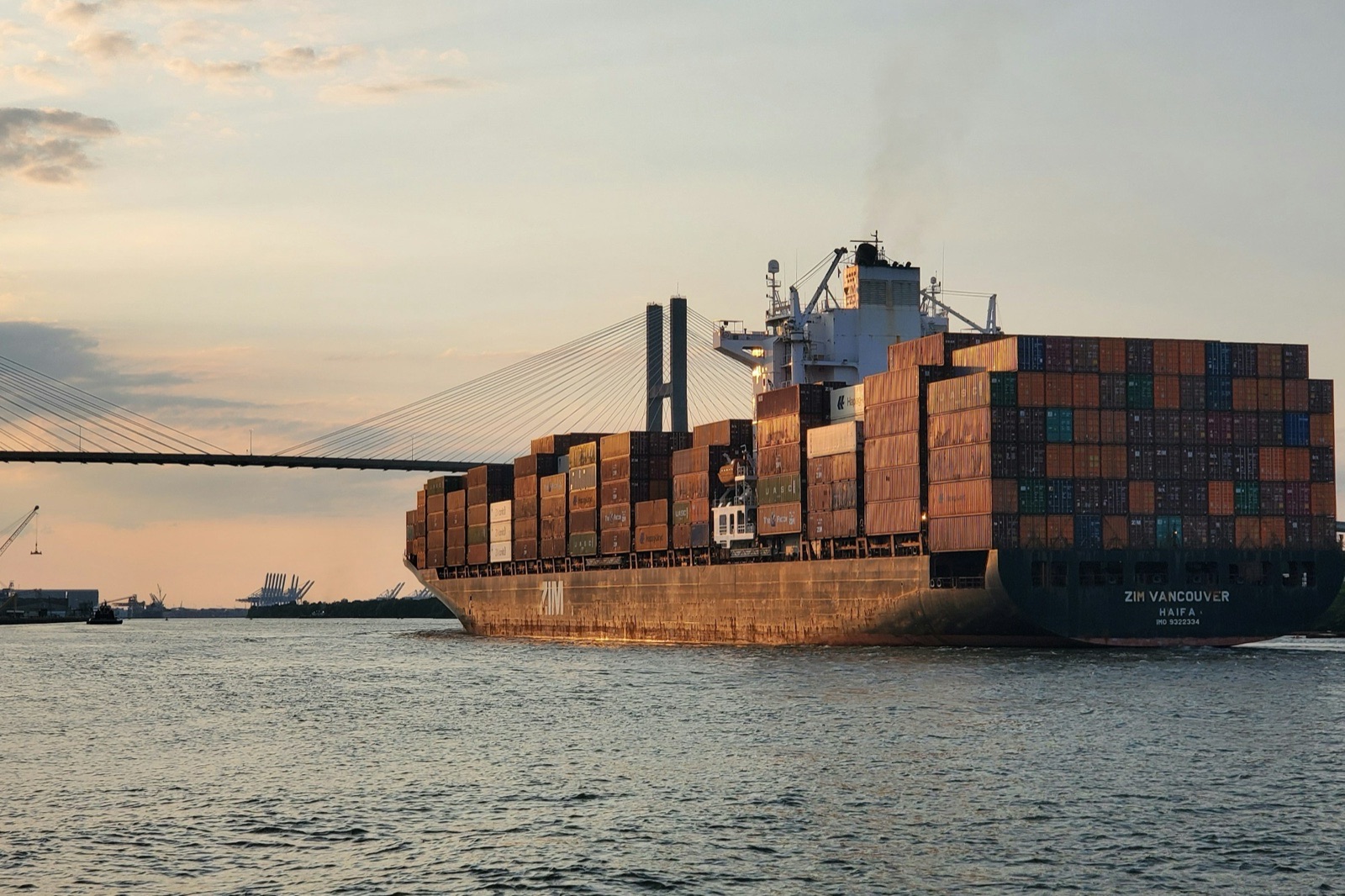
America Imported a Record $421 Billion in August. Without Computers, Chips and Telecom Gear, Imports Are Down This Year.
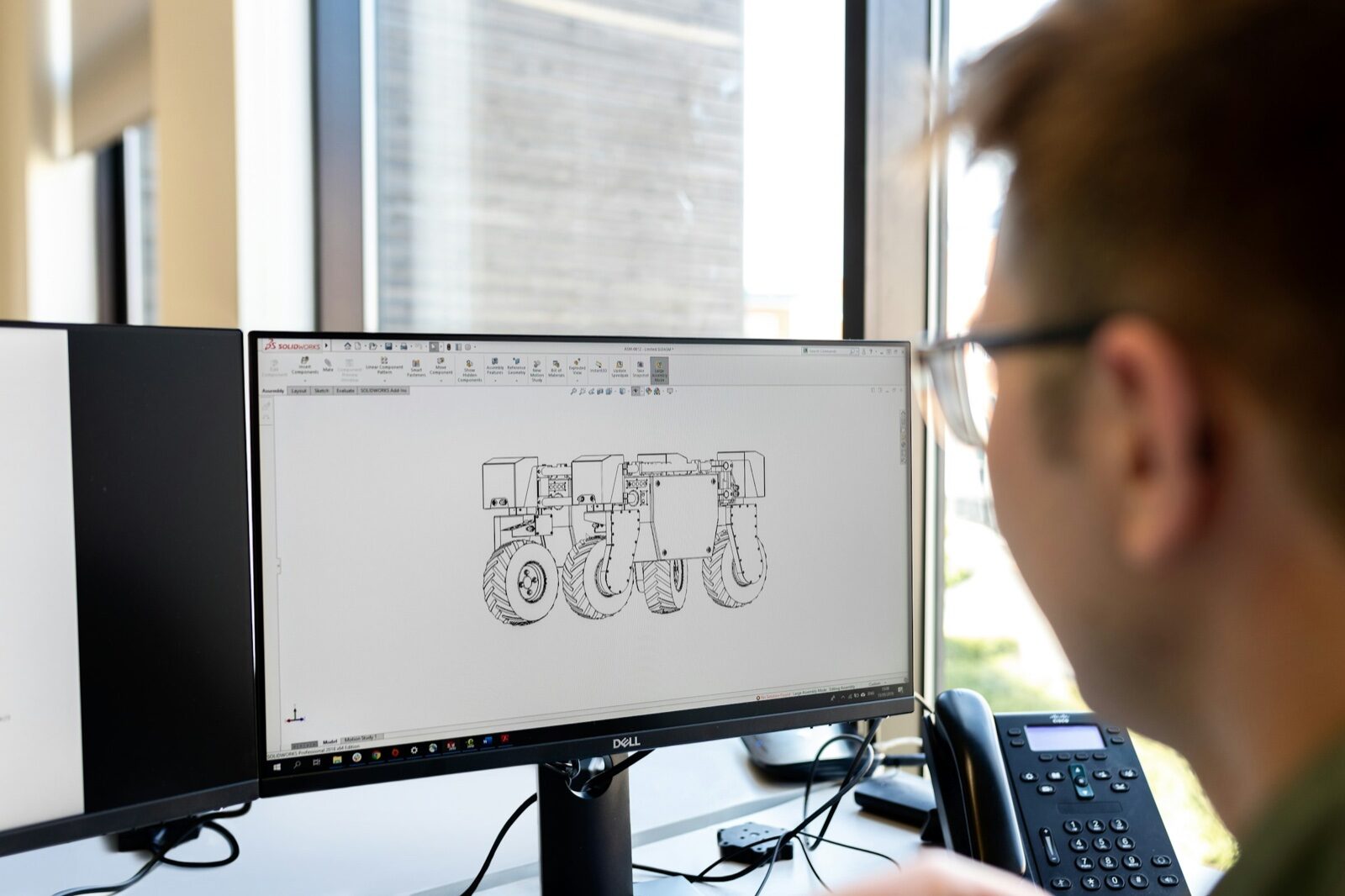
Schneider Is Paying a 42% Premium for PTC. The Price Is Still Below Where PTC Traded a Year Ago.
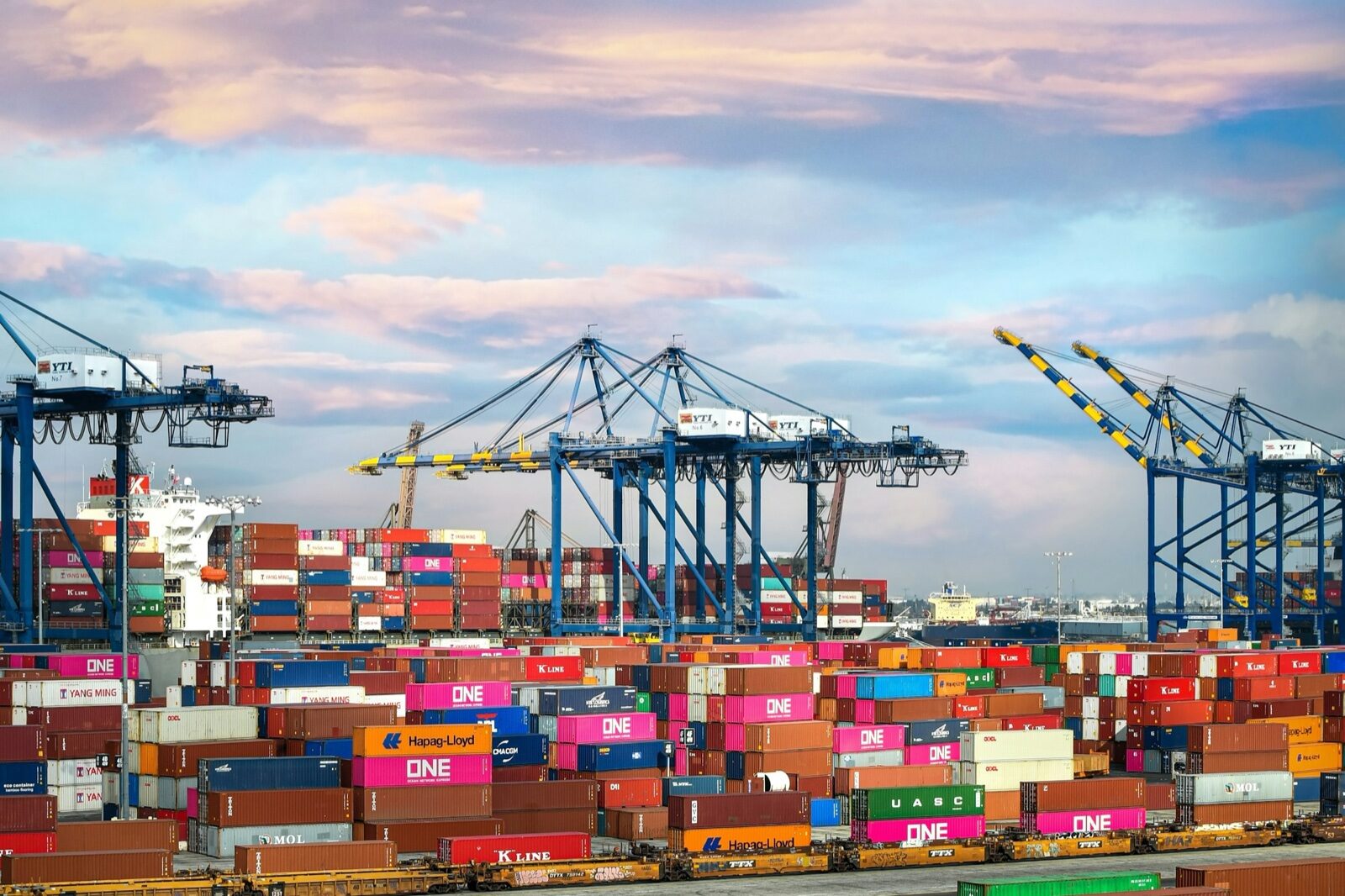
Customs Took In $333 Billion in Fiscal 2026. Refunds Sent About $147 Billion Back Out.
The Cranberry Brief