The International Atomic Energy Agency opened its annual General Conference in Vienna on Monday. The head of Iran's nuclear programme was not there.
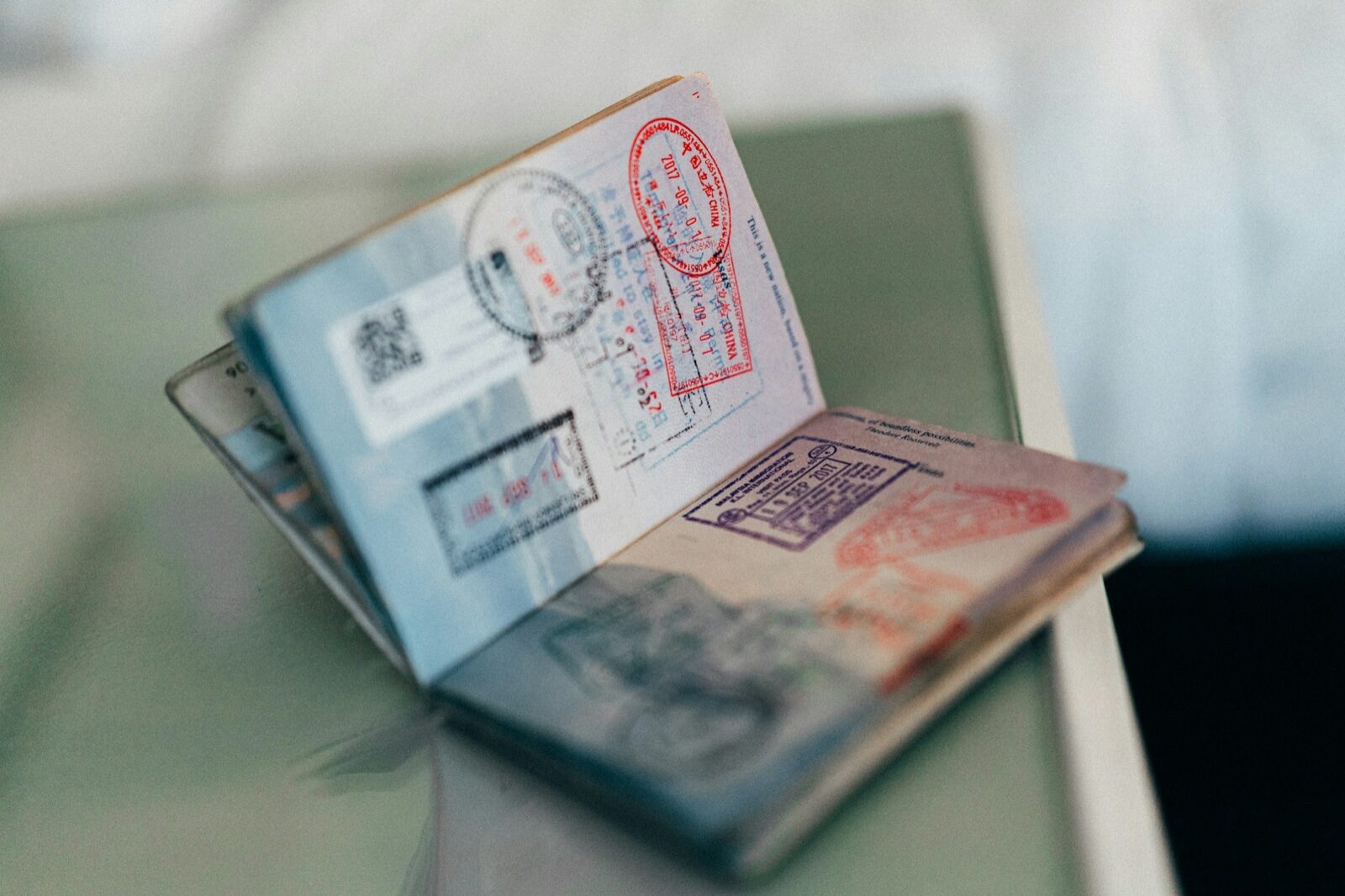
Austria had granted Mohammad Eslami, who has led Iran's Atomic Energy Organization since 2021, a visa. It then revoked it. Eslami and his delegation cancelled their trip.
The reason runs through New York. Eslami is covered by a travel ban reimposed last year, when France, Germany and Britain triggered the "snapback" mechanism of the 2015 nuclear deal. Attending required a waiver from the UN Security Council's sanctions committee. The United States objected, and under the committee's rules, as US Ambassador Preston Wells Griffith III put it, that objection "resulted in the UN Security Council denying the request."
"Austria was obliged to deny one member of the Iranian delegation the entry," said Christian Ebner, Austria's ambassador.
Two readings of the same decision
Washington's case is that the conference would have been a platform. Griffith said Eslami's attendance would let Iran use "IAEA proceedings as a stage for propaganda while sidestepping substantive cooperation."
Tehran's case is that the decision itself is the politics. Iran's ambassador to the agency, Reza Najafi, said the denial "violates the host country's obligation" and was "a stark indication of a political act." Foreign Ministry spokesperson Esmaeil Baghaei accused the US of pressuring Austria. Iran and Russia both reject the snapback sanctions as invalid.
Both readings describe something true. The narrower question is what the ban actually achieves at this particular meeting.
What the General Conference is for
The General Conference is not where inspections happen. It is where the agency's member states meet to debate its budget, its priorities and, inevitably, the files that divide them. Iran's nuclear programme has been one of those files for two decades.
It is also one of the few places where the official responsible for a programme under scrutiny sits in the same building as the agency scrutinising it, its director general, and the diplomats of the governments most worried about it. Much of what matters at such meetings happens in side rooms rather than on the podium.
The host-country argument
Najafi's complaint about the host country is not a throwaway. International organisations headquartered in a country rely on that country letting member-state delegations in. Vienna hosts the IAEA precisely because Austria has long been a reliable host.
The counterargument is that Austria did not act on its own view. It acted on a Security Council sanctions regime that binds UN member states, and the waiver that would have reconciled the two obligations was refused. The collision is between two sets of rules Austria is bound by, and the US objection decided which one prevailed.
That is why the dispute will outlast this week. If snapback sanctions can keep a member state's senior official out of the agency's own governing meetings, every future conference in Vienna, and every other host city with sanctioned delegates, faces the same question.
Where it sits in the war
The conference opens with the United States and Iran at war, a truce this desk has described as broken by attacks on shipping whose authorship is still disputed, and a president who said on Sunday that the US might stay in Iran and "keep the oil".
In that setting the IAEA is one of very few channels in which Iran's nuclear programme is still discussed on technical terms rather than military ones. Keeping Iran's senior nuclear official out of it is a choice about how much that channel is worth.
What to watch
Whether any resolution on Iran comes to a vote this week, and whether Iran's delegation, now without its most senior official, participates in the debate or walks away from it. A walkout would make the propaganda argument moot. It would also leave the agency discussing the programme with nobody from the programme in the room.
The revocation of Mohammad Eslami's visa and the cancellation of his delegation's trip; the conference dates; the statements of Austrian ambassador Christian Ebner, US Ambassador Preston Wells Griffith III, Iranian ambassador Reza Najafi and Foreign Ministry spokesperson Esmaeil Baghaei; the account of the US objection and the sanctions committee's rule; and the background of the 2025 snapback are as reported by Al Jazeera and The Times of Israel on 14 September 2026. The membership figure of 181 states is as reported by other outlets the same day. The analysis is our own.