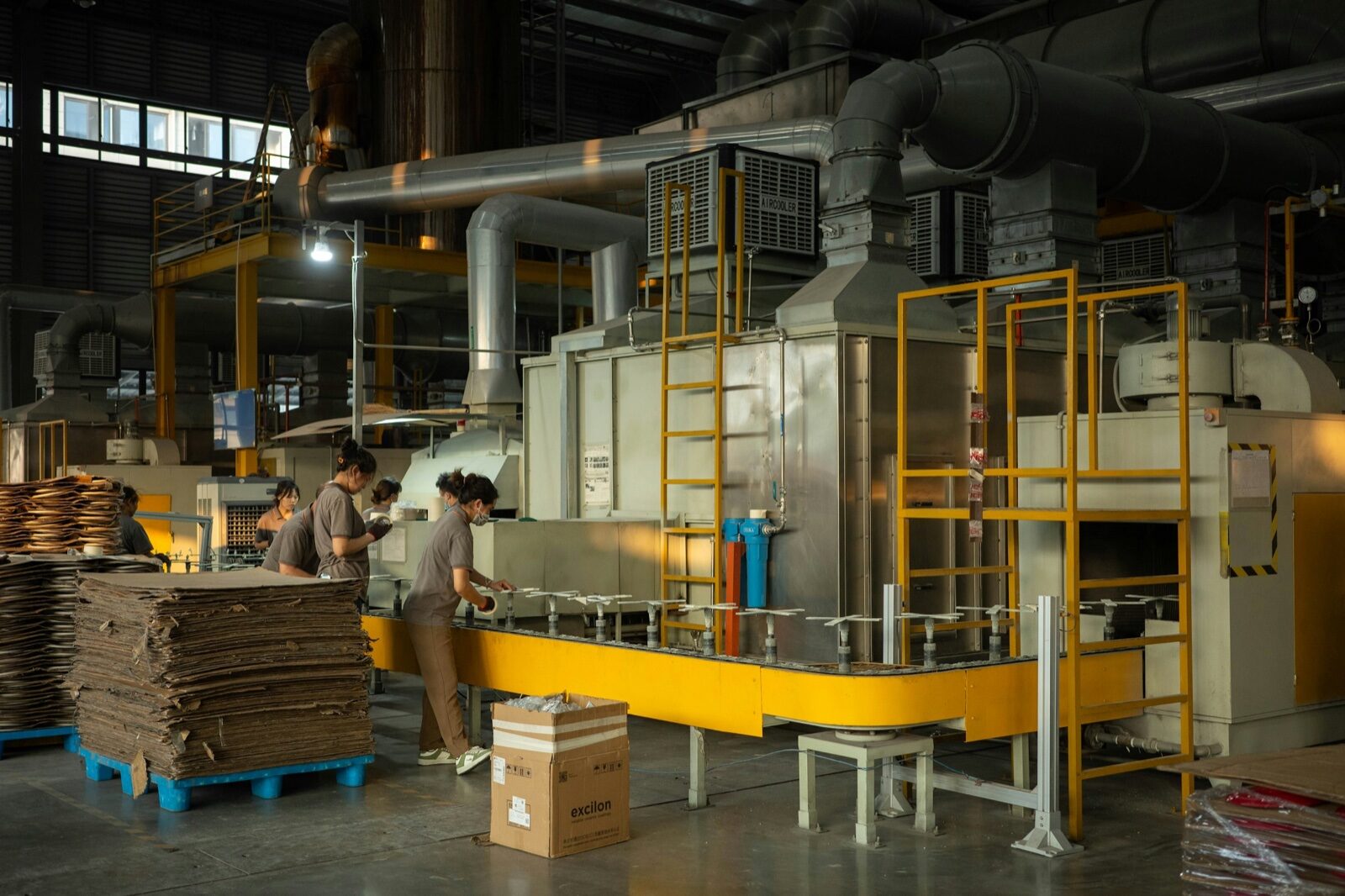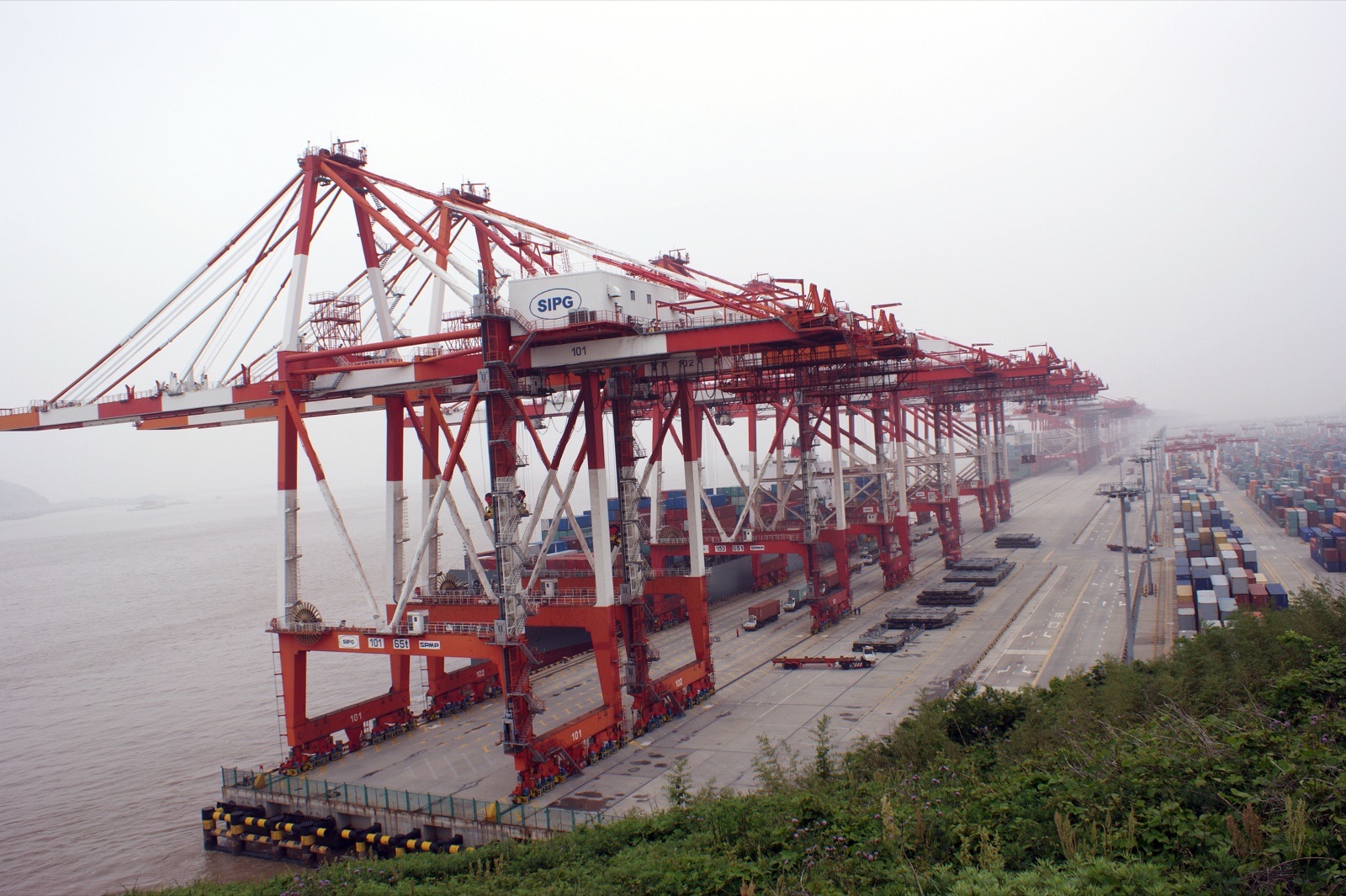
China's official manufacturing purchasing managers' index fell to 49.3 in October from 50.1 in September, back below the 50 line that separates expansion from contraction, the National Bureau of Statistics said on Saturday. The non-manufacturing index, covering services and construction, fell to 49.7 from 50.2.
September's recovery, which this publication described a month ago, lasted one month. The factory reading is the headline. The construction reading is worse.
What fell in manufacturing?
Almost everything that measures activity. The index is a diffusion survey of purchasing managers: above 50 means more firms report improvement than deterioration, not that output grew by a given percentage. Production fell 1.9 points to 49.8 and new orders 1.1 points to 49.4. New export orders were 48.7, down from 50.0 in September. Backlogs of orders stood at 44.1.
Huo Lihui, chief statistician at the bureau's Service Industry Survey Centre, attributed the fall partly to demand brought forward ahead of the National Day holiday at the start of October and to a complex international environment, Xinhua reported.
Size mattered again. Large manufacturers read 50.2, still expanding. Medium-sized firms fell 1.3 points to 48.4 and small firms 1.4 points to 47.5. High-technology manufacturing held at 51.3 and equipment manufacturing at 50.6, Global Times reported, so the split between a strong technology sector and weaker general industry that this publication traced in September is still there.
Why is construction the bigger story?
Because its forward-looking numbers fell hardest. The construction business activity index fell 2.3 points to 48.0, after reaching its highest level of the year in September. Construction new orders fell 5.7 points to 40.0. Construction employment fell 2.3 points to 42.0, and builders' expectations for the months ahead fell 3.1 points to 52.3.
A new orders index of 40 means the balance of construction firms reporting fewer orders is very wide. The bureau did not explain the fall. Building activity has been the weak point of China's economy all year: fixed-asset investment fell 7.2 per cent in the first nine months, the bureau reported in October.
Services were flat. The services activity index was exactly 50.0, down 0.2 points, with transport, postal services and software above 55 and capital markets, insurance and real estate services below 50. Services new orders were 45.2.
What changed from September?
This table compares the main readings. The September figures are from the bureau's September release or derived from the monthly changes it reported for October; the gap is our arithmetic.
| Index | September | October | Change |
|---|---|---|---|
| Manufacturing PMI | 50.1 | 49.3 | -0.8 |
| New export orders | 50.0 | 48.7 | -1.3 |
| Raw material prices | 60.8 | 56.8 | -4.0 |
| Factory-gate prices | 54.0 | 51.7 | -2.3 |
| Price gap (input minus output) | 6.8 | 5.1 | -1.7 |
| Construction activity | 50.3 | 48.0 | -2.3 |
| Construction new orders | 45.7 | 40.0 | -5.7 |
| Composite output | 50.7 | 49.7 | -1.0 |
One line moved in manufacturers' favour. The gap between what factories pay for materials and what they charge narrowed to 5.1 points from 6.8, the first narrowing after it widened in August and September. That is a small relief on margins, not a recovery: both price indices are still above 50, meaning more firms report rising prices than falling ones, and input costs are still rising faster than selling prices.
What do economists expect next?
Some optimism, on thin evidence. The bureau's index of manufacturers' expectations stood at 53.4, and services expectations at 55.2. Li Chang'an, a professor at the Academy of China Open Economy Studies at the University of International Business and Economics, told Global Times that "overall manufacturing sentiment softened last month, but new industries continue to provide important support." Wen Bin, chief economist at China Minsheng Bank, said fourth-quarter growth could reach 4.6 to 4.7 per cent on a low base from last year, Xinhua reported.
Expectations are not orders. The test is the November survey, due on 30 November: if construction new orders stay near 40, the slowdown is in demand, not in the holiday calendar.
All October index readings and their monthly changes are from the National Bureau of Statistics release on the October 2026 purchasing managers' index, published on 31 October 2026 with the China Federation of Logistics and Purchasing. September readings are from the bureau's September release, as reported by this publication on 1 October 2026, and from the monthly changes in the October release. Huo Lihui's explanation is as reported by Xinhua and Global Times on 31 October 2026; the remarks of Li Chang'an and Wen Bin are as reported by Global Times and Xinhua. The expectations index of 53.4 is from the bureau's release and was reported by China Daily. The price gap, the table and the comparisons with September are this publication's arithmetic. The analysis is our own.
Topics worldChinaPMImanufacturingconstructioneconomic datapricesexports