China's economy grew 4.5 per cent in the third quarter from a year earlier, up from 4.3 per cent in the second, the National Bureau of Statistics said on Monday. On the previous quarter, output rose 1.2 per cent. Over the first nine months of 2026 the economy grew 4.6 per cent, to 107,107.1 billion yuan.
The headline moved the right way. The composition is more interesting. Fixed-asset investment fell 7.2 per cent in the first three quarters, private investment fell 10.4 per cent, and investment in real estate development fell 20.6 per cent. Retail sales of consumer goods rose 1.1 per cent. The growth is coming from somewhere else.
Where the growth came from
Two places, on the bureau's own figures. The first is services. Tertiary industry, which includes finance, retail, transport and other services, grew 5.2 per cent over the nine months, against 3.8 per cent for industry and construction and 3.7 per cent for agriculture. Retail sales of services rose 5.0 per cent while sales of goods rose 1.0 per cent.
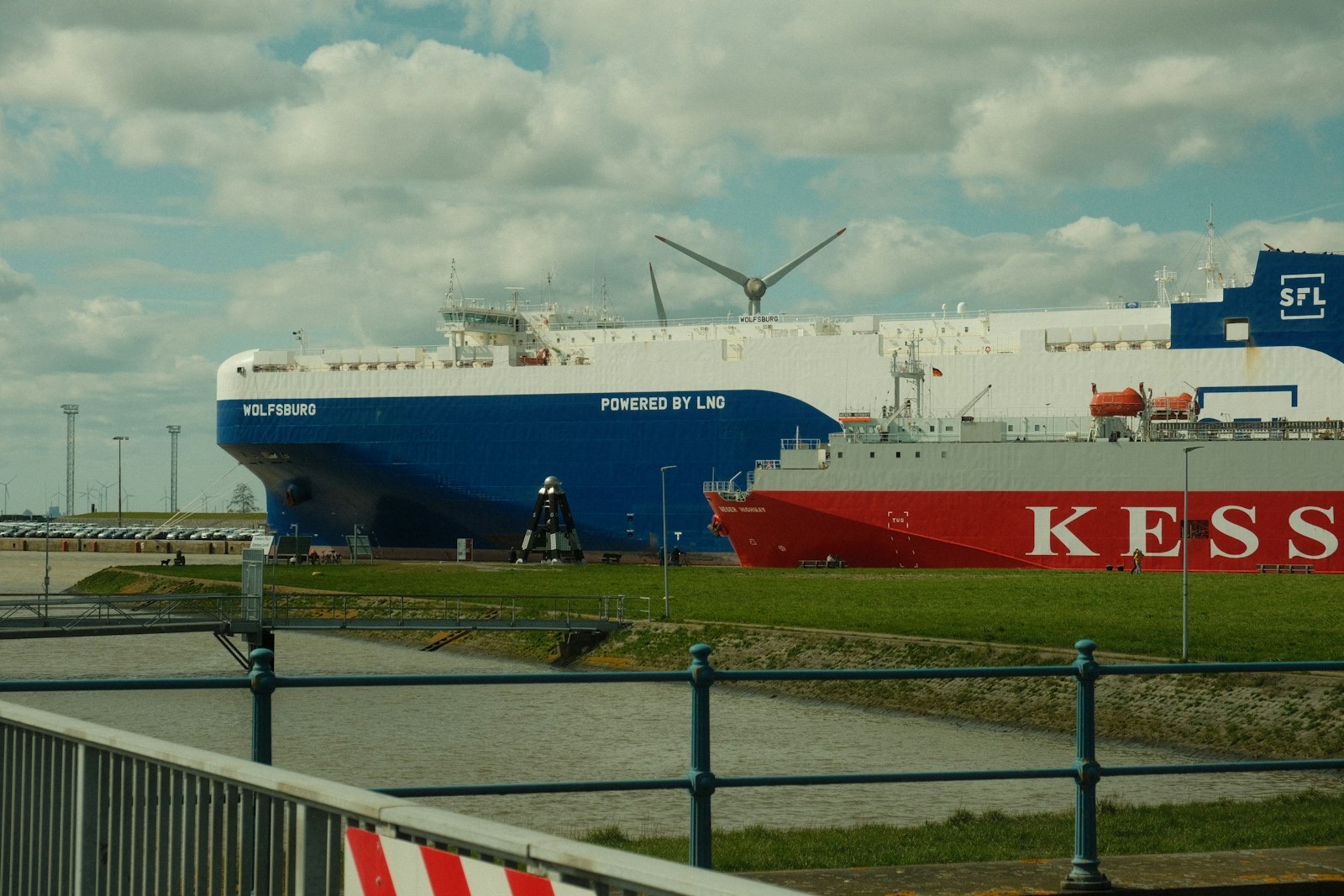
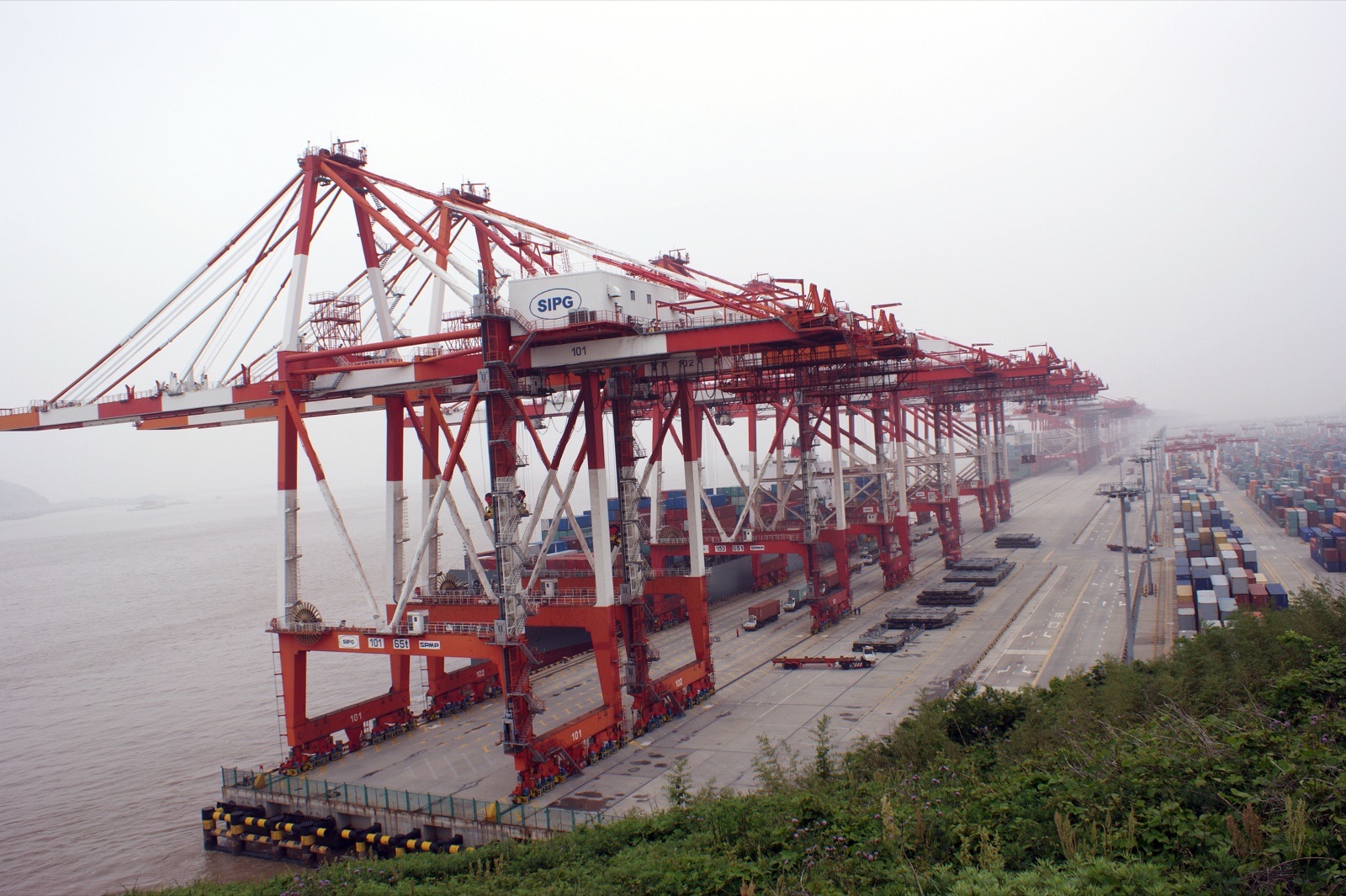
The second is trade. Goods exports were 23,197.9 billion yuan in the first three quarters, up 16.4 per cent, and imports were 16,742.0 billion yuan, up 22.3 per cent, the bureau said. By this publication's arithmetic, that leaves a goods surplus of about 6,456 billion yuan for nine months. Imports grew faster than exports. Our reading, not the bureau's, is that higher oil prices during the Iran war have raised the cost of what China buys more than the volume; the release does not split prices from volumes.
Industry held up. Value added at larger industrial firms rose 5.3 per cent over the nine months and 5.5 per cent in September. The official manufacturing purchasing managers' index was 50.1 in September, a shade above the 50 line that separates expansion from contraction.
What went backwards
Investment. The 7.2 per cent fall over nine months is the same rate the bureau reported for January to August, so September did not improve the trend. By our arithmetic from the two releases, about 4,102 billion yuan was invested in September. Private investment, the part that reflects business confidence rather than government direction, fell 10.4 per cent, worse than the 10.1 per cent decline through August. Excluding real estate, private investment was down 6.7 per cent.
The comparison with a year ago is stark. In the first nine months of 2025, fixed-asset investment fell 0.5 per cent, Reuters reported at the time. A decline of half a point has become a decline of more than seven.
Property is still the largest drag. Sales of newly built commercial buildings fell 13.9 per cent by value to 5,379.9 billion yuan and 13.2 per cent by floor area. Second-hand housing transactions rose 10.7 per cent by floor area, which suggests buyers who are willing to buy a finished flat but not one that has yet to be built. We described how the slump reached its fifth year earlier this month.
Households
The bureau reported per capita disposable income up 5.3 per cent in nominal terms and 4.4 per cent after inflation over the nine months. Consumer prices rose 0.9 per cent on the year, both over the nine months and in September, and core prices rose 1.1 per cent. Urban surveyed unemployment was 5.2 per cent in September.
Set against prices, the 1.1 per cent rise in retail sales of consumer goods is close to flat in real terms, by this publication's rough arithmetic. Households have more income and are spending it on services rather than goods, or saving it. The bureau's own summary acknowledged the point: "the issue of insufficient domestic demand remains prominent," it said, adding that "the international environment is complex and volatile."
What to watch next
Third-quarter growth of 4.5 per cent is below the 4.8 per cent China reported for the same quarter of 2025. The tests now are three. Whether October's investment figure, due in mid-November, shows the decline narrowing. Whether the trade surplus holds if the European Union, which runs a record €360 billion deficit with China, acts on it. And whether Beijing answers weak domestic demand with spending aimed at households, or once again with investment that the numbers say is not arriving.
Sources
- National Bureau of Statistics of China, "National Economy was Generally Stable with New Achievement Made in High-Quality Development in the First Three Quarters", 19 October 2026: https://www.stats.gov.cn/english/PressRelease/202610/t20261019_1965619.html
- National Bureau of Statistics of China, "Investment in Fixed Assets from January to August 2026", 16 September 2026: https://www.stats.gov.cn/english/PressRelease/202609/t20260916_1965343.html
- Reuters, China third-quarter 2025 GDP, via New Straits Times, 20 October 2025: https://www.nst.com.my/amp/business/economy/2025/10/1298308/china-q3-gdp-growth-slows-48pct-retail-sales-slump
- Prior Cranberry coverage: /world/china-property-economy-deflation/, /world/eu-three-sixty-billion-china-deficit/
Every figure for 2026 comes from the National Bureau of Statistics release on the national economy in the first three quarters, dated 19 October 2026, and its release on fixed-asset investment from January to August, dated 16 September 2026. The 4.8 per cent growth rate for the third quarter of 2025 and the 0.5 per cent fall in fixed-asset investment over the first nine months of 2025 come from Reuters' report of the 2025 data, as published by the New Straits Times on 20 October 2025. The trade surplus, the September investment figure and the comparisons between growth rates are this publication's arithmetic. The NBS gives trade figures in yuan only. The analysis is our own.
Topics worldChinaGDPeconomyinvestmentpropertyexportsconsumer spending