GDP

Tagged stories

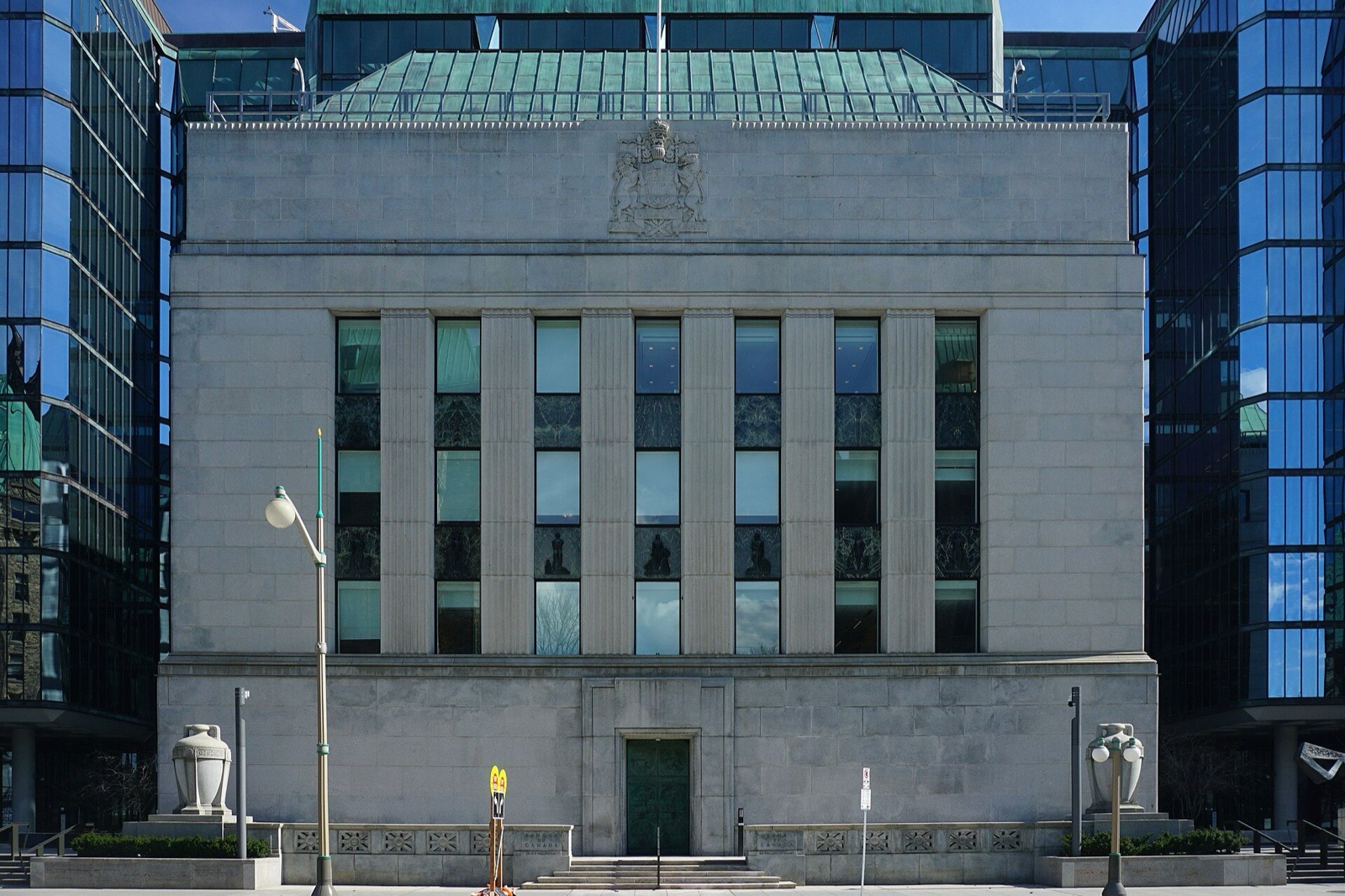
The pale stone facade of the Bank of Canada on Wellington Street in Ottawa, with a carved coat of arms above tall windows, framed by two glass towers under a blue sky.
World

The Bank of Canada Raised Rates Expecting About 2 Per Cent Growth. Two Days Later, the Data Put the Quarter Nearer 1.2 Per Cent.

Canada's real GDP was essentially unchanged in August, the second flat month in a row, and an early estimate shows a 0.1 per cent decline in September, Statistics Canada said on Friday 30 October. Economists had expected a 0.2 per cent gain. The figures came two days after the Bank of Canada raised its policy rate to 2.5 per cent.

Kevin Warsh, smiling, in a dark suit and tie, stands in front of a row of American flags and gold curtains.
The Numbers

The Fed Held Rates at 3.75 to 4 Per Cent, and Two Officials Voted for a Hike. The Next Morning, Core Inflation Came In at 3.1 Per Cent.

The Federal Reserve kept its target range at 3.75 to 4 per cent on Wednesday by a 10-2 vote, with Governor Lisa Cook and Cleveland Fed President Beth Hammack voting for a quarter-point increase. On Thursday the government reported growth of 3.4 per cent in the third quarter and core PCE inflation of 3.1 per cent in September. The next decision is due on 9 December.

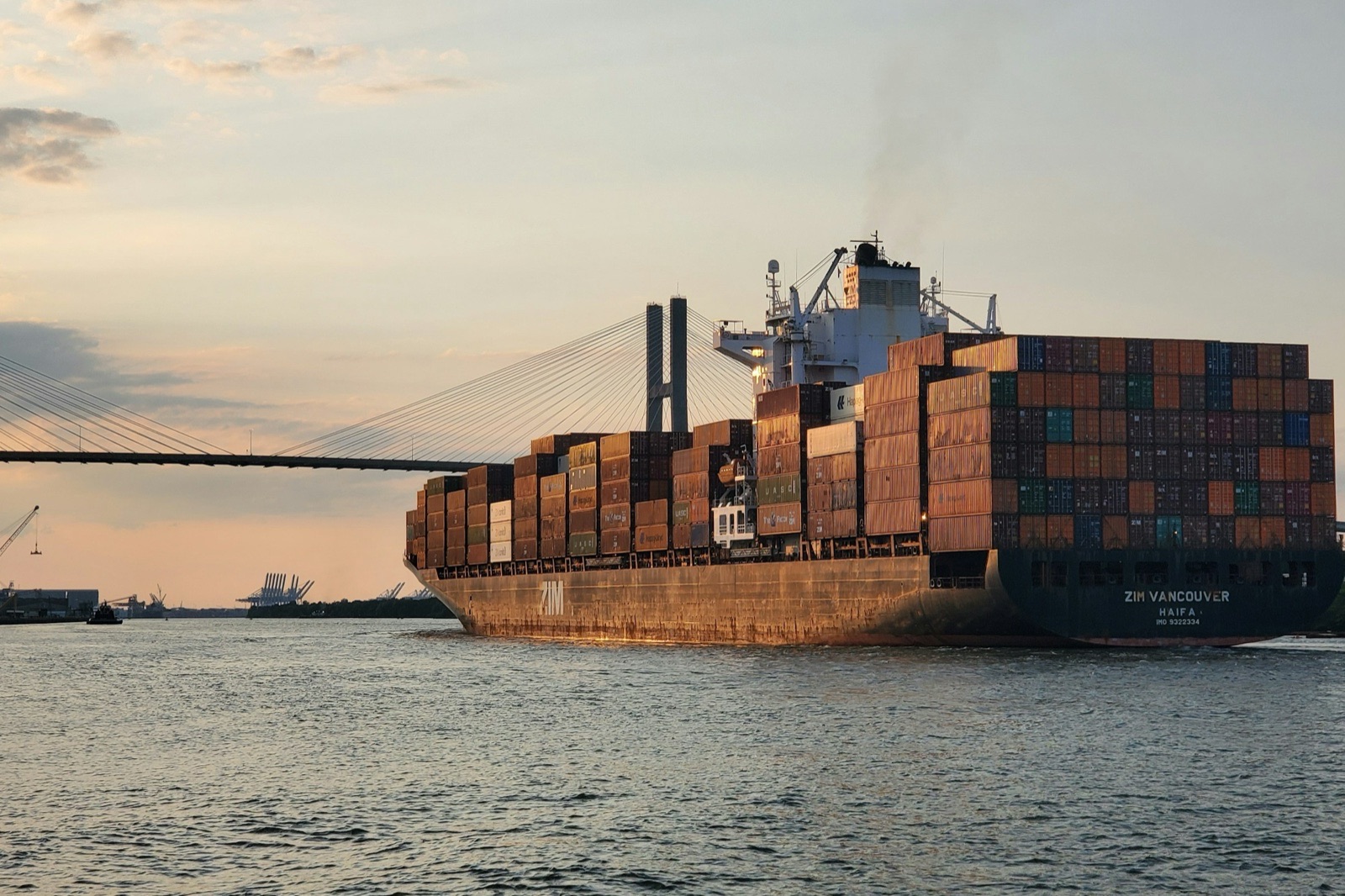
A container ship stacked high with shipping containers sails on the Savannah River at sunset, with a cable-stayed bridge and port cranes in the background.
The Numbers

America Imported a Record $421 Billion in August. Without Computers, Chips and Telecom Gear, Imports Are Down This Year.

The United States imported $420.8 billion of goods and services in August, the most in any month on record, and the trade deficit widened to $105.6 billion, the largest since March 2025. The last record was set by consumer goods rushed in ahead of tariffs. This one is made of capital goods. Four lines of hardware account for more than the whole rise in goods imports this year.

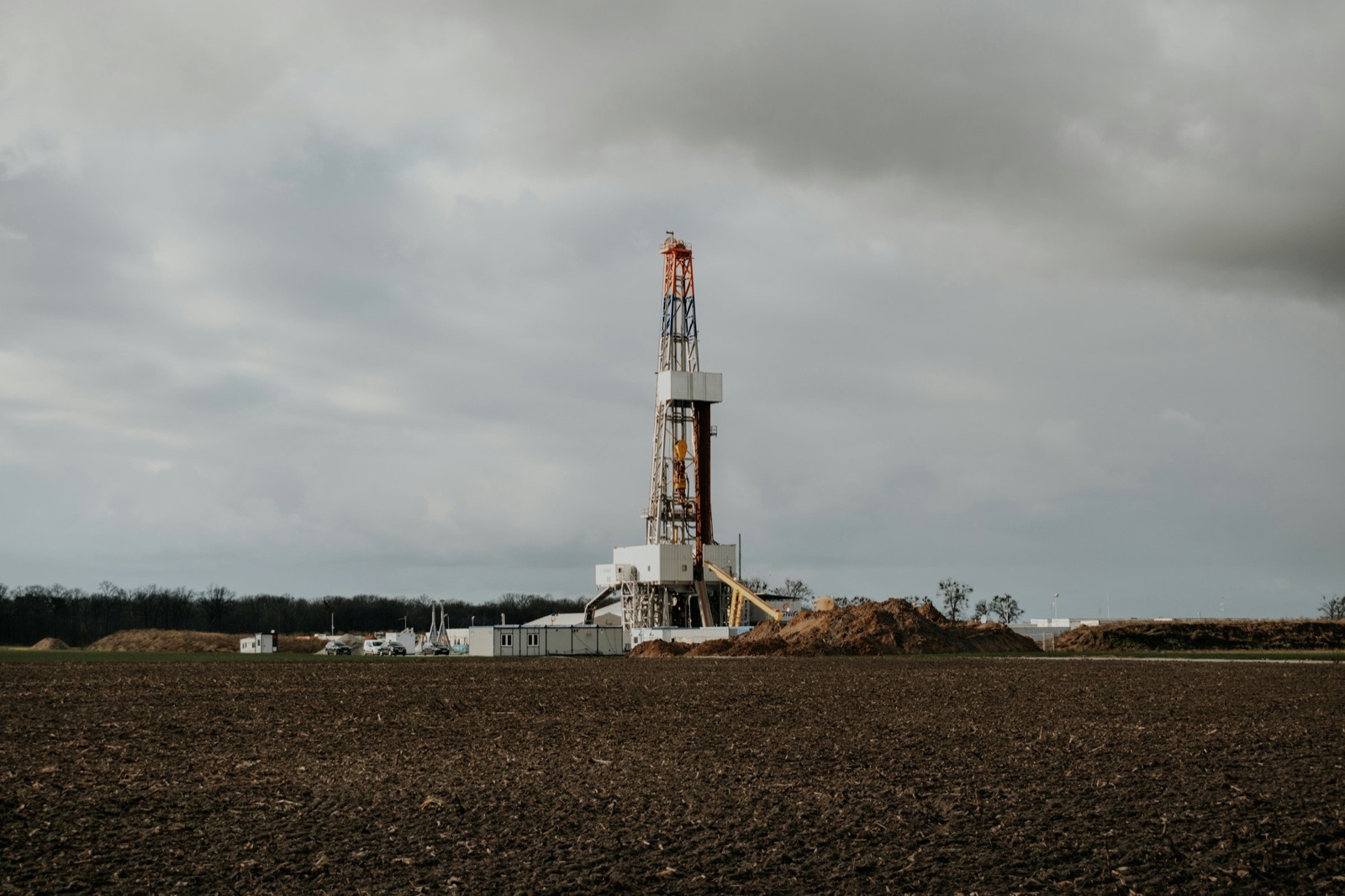
A tall land drilling rig with equipment and soil piles at its base stands in a bare ploughed field under heavy grey clouds.
The Numbers

Oil Averaged $96 in the Spring. The Economies of America's Oil States Shrank.

In the second quarter, when West Texas crude averaged $95.65 a barrel, the current-dollar economies of Alaska, New Mexico, Texas, North Dakota, Wyoming and West Virginia grew faster than any others. Measured in real terms, West Virginia, Wyoming, Alaska and North Dakota shrank, along with Kansas and Nebraska. Real mining output fell in every big energy state. The oil price raised the value of what they produced, not the amount.