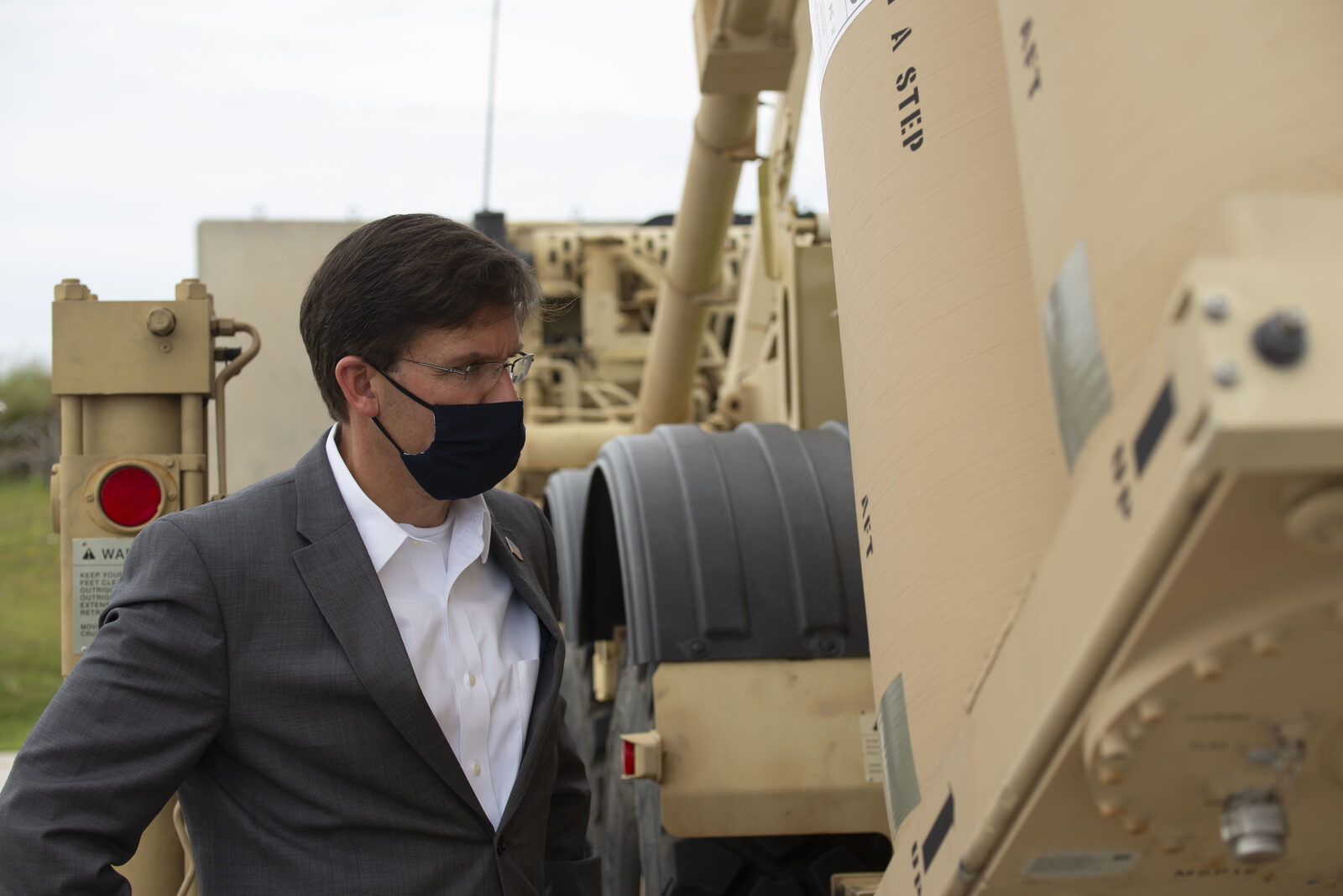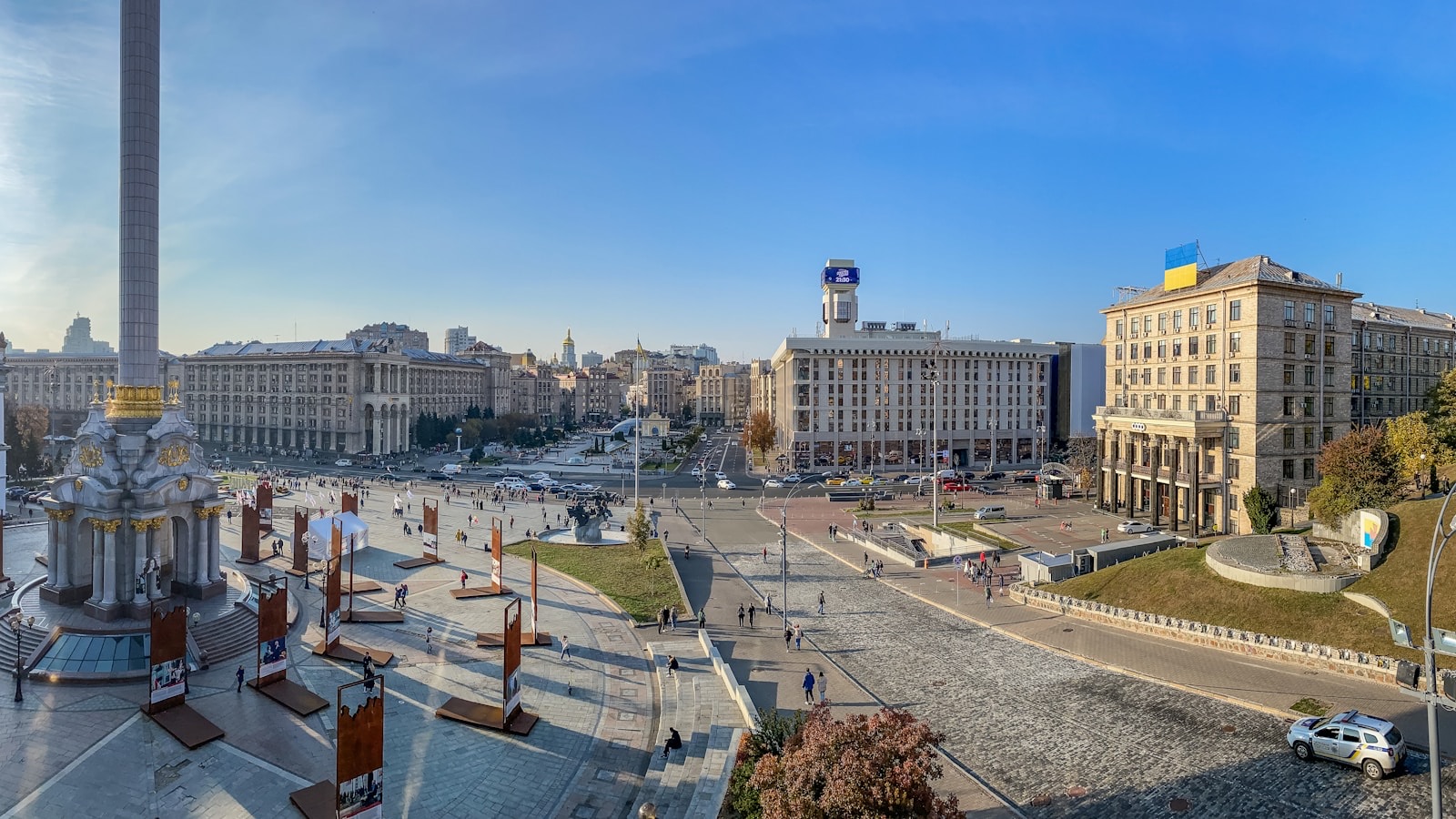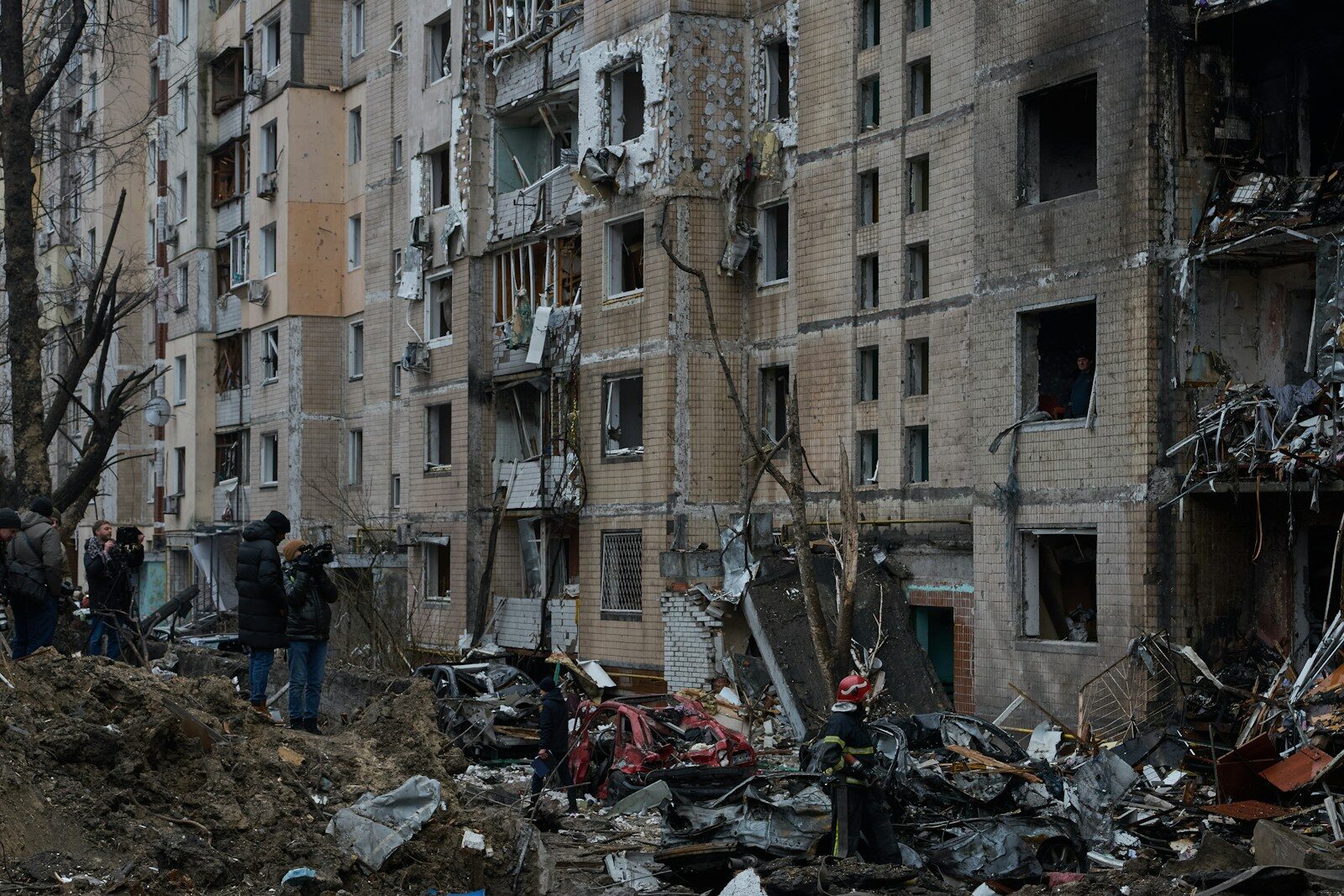
Steve Witkoff and Jared Kushner saw Vladimir Putin in Moscow on Saturday and Volodymyr Zelensky in Kyiv on Sunday. It is the highest-level American visit to Ukraine of this administration, and the first either envoy has made to Kyiv in this effort.
Nobody outside the rooms knows what was proposed. That is normal at this stage and there is no point pretending otherwise.
What is known, and what is worth more than the speculation, is the arrangement that made the trips possible. To allow the visits, Russia and Ukraine each stopped launching aerial attacks on the other's capital for seventy-two hours. Putin ordered the Russian half. No broader ceasefire exists.
The pause is the evidence
The standing objection to a ceasefire in this war has always been mechanical rather than political. It cannot be verified. There is no trusted monitor. One side will use the pause to reposition. The front is too long and too fluid to police.
Those are serious arguments about a general ceasefire along a thousand-kilometre front. They are not arguments about this weekend, and this weekend happened.
Two governments that have been trying to kill each other for years agreed, within days, to stop doing a specific thing for a specific period. There was no monitoring mission. There was no signed instrument anybody has published. There was no enforcement provision and no penalty for defection. Both sides did it anyway, and it held for the duration.
That last point is the one worth extracting, because it is not an argument that ceasefires are easy. It is an argument about which ones are.
What made this one cheap
Three properties, and all three are unusual.
It was narrow. Aerial attacks on two cities — not artillery, not the front, not drones over the whole country. A narrow scope means few things to argue about afterwards.
It was short. Seventy-two hours is inside the horizon over which either side would gain much from cheating, and short enough that no unit needs new standing orders for long.
And it was self-verifying. A strike on a capital is visible to every journalist, embassy and citizen in it within minutes. Neither side could have cheated quietly, which meant neither had to trust the other — only to know that defection would be immediate public knowledge.
Take those three together and you have the shape of the only kind of pause this war has so far produced. Narrow, brief, observable.
Why that matters for whatever was proposed
Every peace framework applied to this war has run into the same problem at the same place: the gap between agreeing to stop and being able to demonstrate that you stopped. Talks fail on verification more often than on terms.
It is the shape this desk keeps finding in the other war as well. Clearing the mines out of Hormuz did not reopen it, because the mines were never the thing keeping ships away. The obstacle everyone names and the obstacle that actually binds are rarely the same object, and removing the first buys nothing.
This weekend supplies one useful data point in that argument. It does not show that a general ceasefire is achievable. It shows that where an obligation is narrow, short and publicly observable, both of these governments will honour it without any apparatus at all.
The design implication is unromantic: a first step that is scoped to what a satellite or a bystander can confirm is worth more than a comprehensive one that depends on inspectors nobody has agreed to appoint. The distinction is the one this paper drew about the Gulf, where a warship can escort a tanker and still not underwrite it — a protection nobody can verify does not change what the risk costs, however real it is. Energy infrastructure. Ports. Aerial attacks on named cities. Things with a before and after that anybody can photograph.
Zelensky said Ukraine's proposals were ready. Whether they are shaped that way is the question worth asking when they surface.
The part that should be said plainly
The reason for the pause was the safety of two American negotiators.
That is a legitimate reason, and arranging it was competent diplomacy. It is also the whole of it. The residents of both capitals got three quiet nights as a by-product of a travel itinerary, and Zelensky's call for a wider halt to air attacks has, at the time of writing, drawn no public response from Moscow.
So the capability has now been demonstrated and its price established. What is missing is not machinery. It is a reason, and this weekend the only reason available was that somebody important was flying in.
What to watch
Not the communiqué, and not whether talks are described as constructive, which is what they are always described as.
Watch whether the 72 hours is extended, and on what terms. An extension scoped the same way — aerial attacks, named cities, a fixed period — would be the two sides saying they will build on the mechanism that worked. A return to strikes the moment the aircraft leaves says the pause was hospitality, and that the war resumed on schedule because nothing else had changed.
One of those is a negotiation. The other is a weekend.
The meetings between Steve Witkoff and Jared Kushner and President Putin in Moscow on 5 September 2026 and President Zelensky in Kyiv on 6 September 2026; the characterisation of the Kyiv visit as the highest-level US visit to Ukraine of this administration and the first by these envoys; the 72-hour halt to aerial attacks on each other's capitals agreed by both countries to accommodate the visits, with Putin ordering the Russian pause; the absence of any broader ceasefire; Zelensky's statement that Ukraine's proposals were ready and that Kyiv was prepared for a constructive discussion; and the absence of a public Russian response to his call for a wider halt are as reported by NPR, NBC News, CNN, Axios, UPI and Al Jazeera on 5 and 6 September 2026. This piece makes no claim about the content of any proposal, which has not been made public. The analysis is our own.
Topics worldukrainerussiadiplomacyceasefire