Patients at Dr. Richard Berry's clinic in Mentor, Ohio, don't get an insurance bill after a routine office visit. They pay a flat monthly fee, and Maple Health doesn't file claims for the care that fee covers.
The arrangement, known as direct primary care, has carried the practice since Dr. Berry, a family physician, founded it in 2022. Instead of being reimbursed by insurers for the number and complexity of visits, Maple Health collects recurring membership fees and gives patients more direct access to their primary care team. Dr. Berry, its owner and chief executive, is adding two doctors in April, and the clinic is expanding direct primary care to employers.
He built the model to fix what he saw in traditional primary care: short appointments, clinicians who are hard to reach and the paperwork that insurance billing creates.
"Direct primary care has the potential to restore much of what has been lost in traditional health care: time, continuity, communication and a stronger focus on prevention rather than simply reacting to illness," Dr. Berry said.
More time, fewer patients
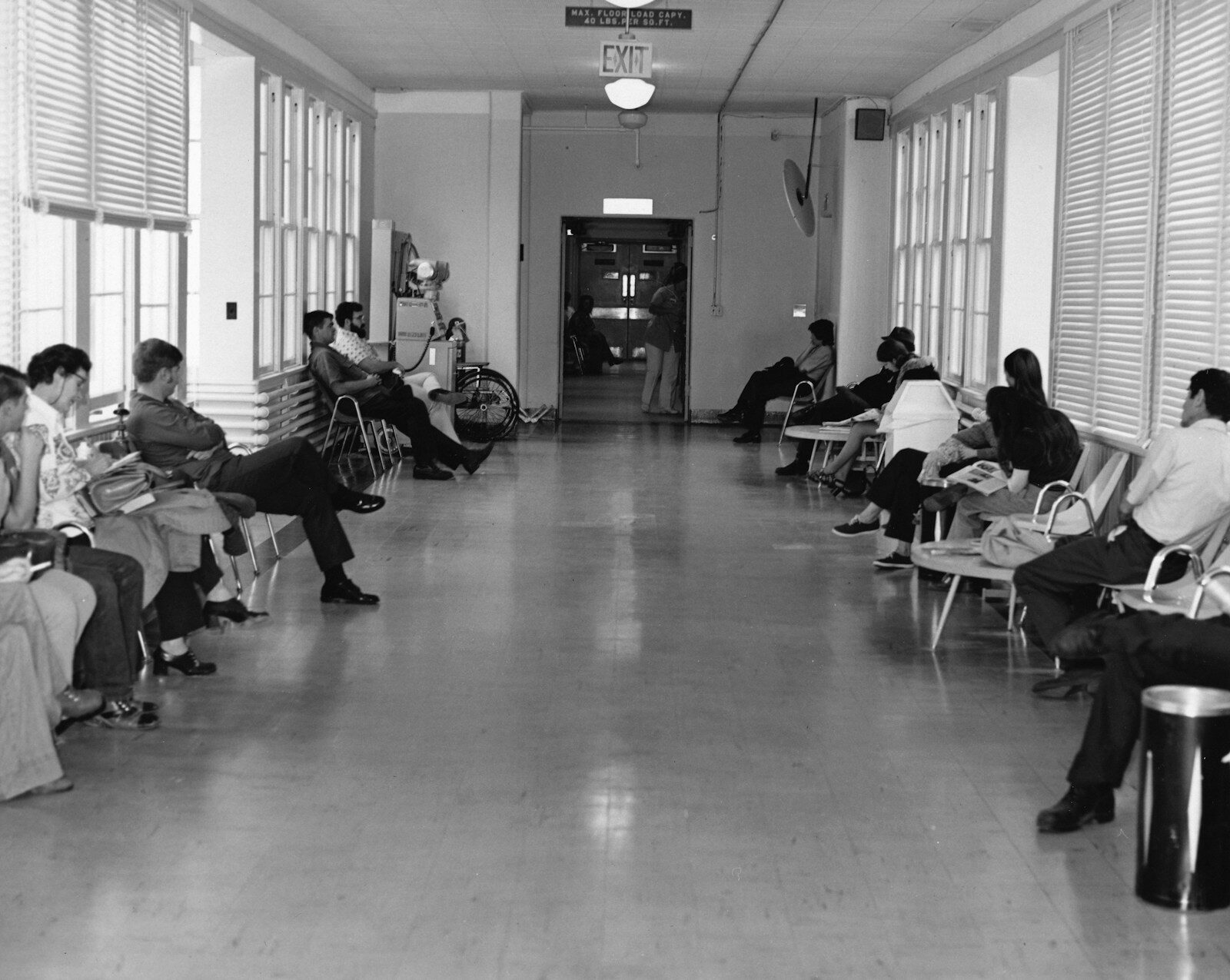
The clinic's website lays out the contrast. Traditional practices, it says, usually assign 2,000 to 3,000 patients to each clinician, average 10 to 15 minutes per appointment and pass along co-pays, facility fees and extra charges. At Maple Health, each clinician cares for no more than 600 patients, the average appointment runs 30 to 45 minutes, and same-day and next-day visits are available.
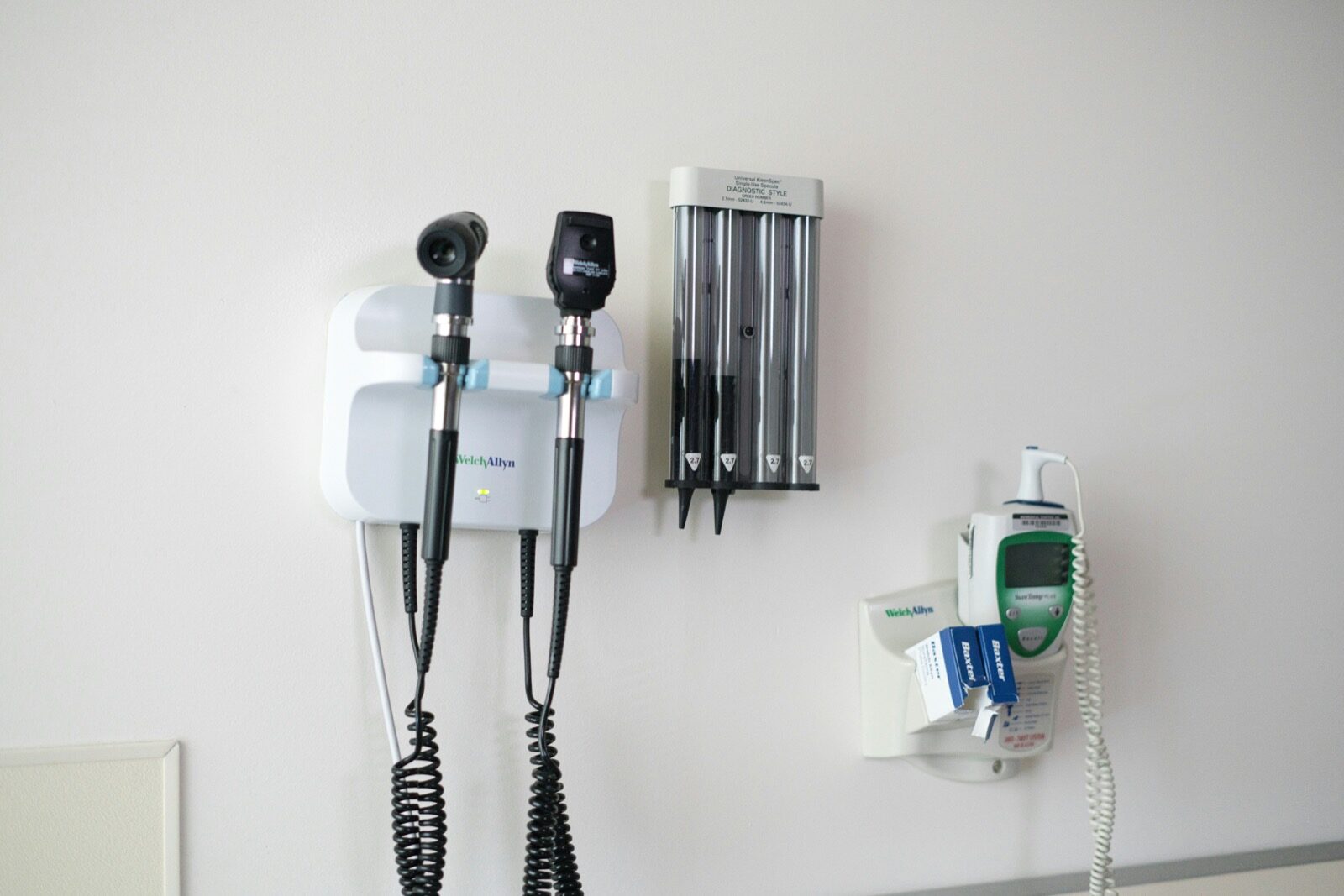
The smaller panel is what makes that access possible. Clinicians have time to answer messages, follow up between visits and handle more care in the office rather than referring it out. The site lists in-office procedures, lab tests and an on-site pharmacy among services patients can reach without a referral.
Two ways to join
Prices are posted on the clinic's health plans page and depend partly on which clinician provides a patient's care.
Patients who choose one of Maple Health's physician assistants pay by age: $70 a month through age 20, $80 for adults 21 to 65 and $90 for those over 65. Patients who choose Dr. Berry pay $125 a month. An $80 enrollment fee per person, capped at $200 per family, is waived for active military members, veterans, police officers, firefighters and EMS personnel.
Two new doctors join the practice in April, which Dr. Berry said will give the clinic more than enough room to take on new patients.
Both options let patients choose their clinician within the same direct primary care structure. Physician assistants at Maple Health manage their own patient panels within a collaborative clinical team rather than functioning simply as a way to increase visit volume.
Membership covers primary care visits, an initial visit and a review of previous lab results, according to the website. Discounted lab testing and an on-site pharmacy are also available, with some services and medications priced separately.
Direct primary care isn't a substitute for comprehensive health insurance. Patients may still need coverage for hospital stays, specialists, advanced imaging, surgery and other care outside a primary care office.
A different financial model
What separates direct primary care from fee-for-service medicine is predictability.
In a conventional practice, revenue depends on visits, billing codes, insurer reimbursement and collections. In a membership practice, most primary care revenue arrives as recurring monthly fees.
"Traditional medicine still financially rewards encounters, procedures and billing complexity," Dr. Berry said. "Direct primary care flips that incentive. The practice is paid to keep a patient cared for over time, whether the work happens in the office, by phone, by message or through proactive follow-up."
The practice doesn't need more billable visits to grow its revenue. It keeps members by delivering access and care they value.
The model also strips out much of the insurance-related administration of traditional primary care. Maple Health's team is Dr. Berry, physician assistants and support staff in business operations, phlebotomy and reception.
Like any small business, the clinic still has to manage staffing, facilities, technology and clinical capacity, all while keeping panels small enough to preserve the access that draws patients in. Cranberry Journal has looked at how staffing pressures are reshaping primary care.
For Maple Health, demand has been strong enough to bring two new doctors on board in April.
Expanding to employers
Dr. Berry sees employer-sponsored membership as central to the future of direct primary care.
"The real innovation in direct primary care may be employer-funded primary care," he said. "Instead of buying increasingly expensive insurance and hoping employees can find a primary care physician, companies can purchase primary care directly."
Maple Health's employer program lets businesses buy memberships for employees at a set monthly cost: $90 per adult employee, with a $60 enrollment fee and no minimum company size. "A flat fee per employee allows precise budgeting," the clinic's website says. Companies with 60 or more enrolled workers also get a physician assistant on site one full day a month.
The employer plan isn't meant to replace health insurance. Dr. Berry argues that direct primary care works best paired with insurance that protects employees against larger, less predictable medical bills. For employers, the appeal is pulling frequently used primary care out of the insurance system and buying it at a known price.
Whether that lowers total health spending will depend on an employer's insurance plan, workforce, use of care and renewal pricing.
The question is pressing as costs climb. Large employers surveyed by Business Group on Health projected substantial health care cost increases for 2026, according to reporting by MedCity News. The median projected increase was 9 percent, or 7.6 percent after plan changes. Interest in direct arrangements is rising with those costs. In the same survey, 14 percent of employers said they planned direct primary care models in select markets, and 35 percent planned primary care at on-site or near-site health centers, according to Business Group on Health. Larger firms have opened clinics inside their own buildings, and others have tested subscription primary care through outside vendors.
A three-part model
Dr. Berry sees employer memberships as one piece of a broader structure, which he describes as "a three-part model": direct primary care for everyday health care, high-deductible insurance for major events and transparent cash pricing for everything in between.
Routine care is bought directly through a membership. Insurance covers major or unpredictable expenses. Patients and employers shop posted prices for services that fall in between.
The goal, Dr. Berry said, is "giving patients clearer costs, easier access, and greater involvement in their own healthcare."
The approach is part of a broader move away from traditional fee-for-service primary care. Employers have increasingly explored on-site clinics, direct primary care arrangements and other models meant to improve access and make health costs more predictable.
Medicare is moving in a similar direction. Since Jan. 1, 2025, it has paid practices monthly for Advanced Primary Care Management services for eligible patients. The program remains insurance-based reimbursement, unlike direct primary care, but both reflect growing interest in paying for primary care around ongoing patient relationships rather than individual office visits.
From the Royal Marines to Mentor
Dr. Berry took an unconventional route into medicine and business.
Before becoming a physician, he served in the Royal Marines and worked as a paramedic in London. He spent six years in the British Royal Marines, including operational tours in Afghanistan and Iraq. He later studied medicine at the University of Leicester in England and completed his family medicine residency at MetroHealth in Cleveland.
He opened Maple Health in 2022.
What began as an independent direct primary care practice now speaks to a broader question for primary care: whether patients and employers are willing to buy routine care directly rather than finance nearly every interaction through insurance.
Demand for Maple Health's individual memberships suggests there is a market for that approach locally. The next test is whether the same proposition, with predictable pricing, greater access and a direct relationship with a primary care practice, proves just as attractive to employers.
Membership prices, joiner fees, staffing, panel size, appointment length, services and employer terms, and the clinic's description of traditional practice, are from Maple Health DPC's website, read on 2 and 4 November 2026. His paramedic work in London, his medical training in Leicester and his residency at MetroHealth are as reported by DPC News on 24 November 2023. His six years of Royal Marines service, including tours in Afghanistan and Iraq, are from his own biography. The two doctors joining in April, his account of founding the practice in 2022 and his description of how the practice works, are his own. Dr. Berry's comments to this publication have been lightly edited for clarity. The employer cost projection and the share of employers planning direct primary care and on-site or near-site clinics are from Business Group on Health's 2026 Employer Health Care Strategy Survey, as reported by MedCity News on 19 August 2025 and published by Business Group on Health. Medicare's APCM billing rules are from the Centers for Medicare & Medicaid Services.
Topics healthdirect primary careprimary careemployer health costsOhio