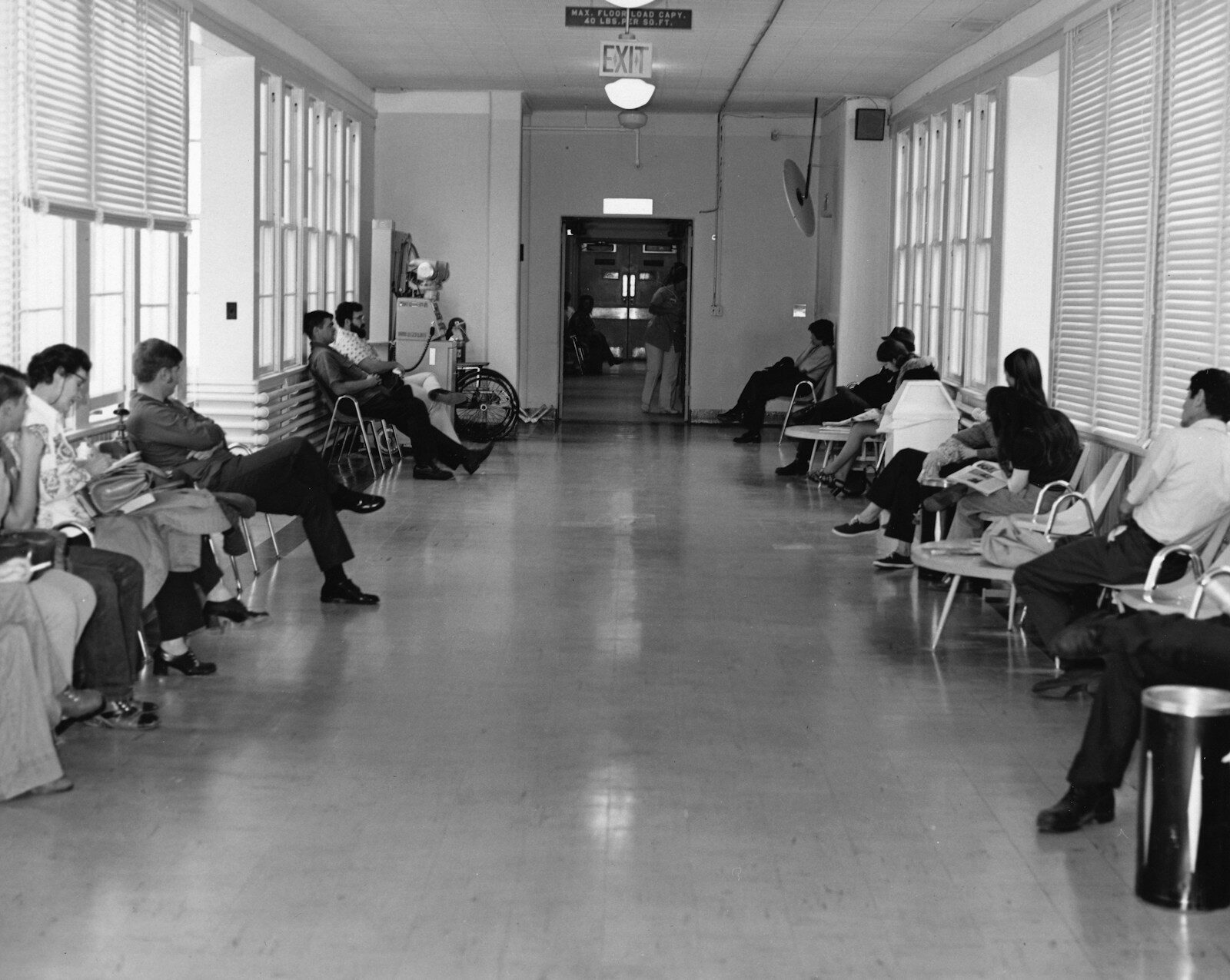
The primary care shortage has graduated from white-paper warning to waiting-room fact, with new-patient appointments in many regions quoted in months. What is changing is the response, which has quietly abandoned the hope of training enough physicians and begun redesigning the work itself.
The redesign has a consistent shape: the physician as diagnostician and escalation point atop a team that handles everything else. Nurse practitioners and physician associates carry routine visits. Pharmacists manage medication regimens. Community health workers do the outreach that determines whether chronic disease is managed or merely diagnosed. Software absorbs the documentation burden that consumed a third of clinical hours.
Scope fights and their aftermath
The transition runs through contested territory, as scope-of-practice battles continue statehouse by statehouse. But the pattern in states that expanded practice authority years ago is instructive: access improved measurably in underserved areas, and the predicted safety declines did not materialize in the data, which has steadily weakened the opposition's strongest argument.
Employers and insurers are accelerating the shift for their own reasons, with on-site clinics and value-based contracts built explicitly around team-based models because the economics require it.
The team the redesign depends on is losing one of its members in a growing number of places, as pharmacy closures remove clinical capacity that the model had quietly assumed would be there.
The redesign also has to absorb work that is not clinical. Primary care carries a disproportionate share of authorization paperwork relative to its revenue, and automating that process on both sides has raised the volume without shortening the wait.
None of this repeals the need for more physicians, and residency bottlenecks remain a policy failure hiding in plain sight. But the operational lesson of the shortage is already written: when the scarce resource cannot be multiplied, the system that survives is the one that redesigns around it.
Where the arithmetic fails first is obstetrics, and rural hospitals are closing the delivery room before anything else.
The nursing version of the same squeeze is further along, and more visible: travel nursing was supposed to be temporary.
It is also why the specialty sold first, and why almost nobody asks who owns the practice.
The same squeezed appointment has to carry an interpreted conversation, and the interpreter is the part of the visit nobody budgets for.
Topics healthprimary careworkforcehealthcare policy