The independent doctor's office is now the exception. Most physicians are employees, and the entity employing them is a hospital system, an insurer subsidiary or an investment firm — a shift that happened over roughly a decade and is close to complete in several specialties.
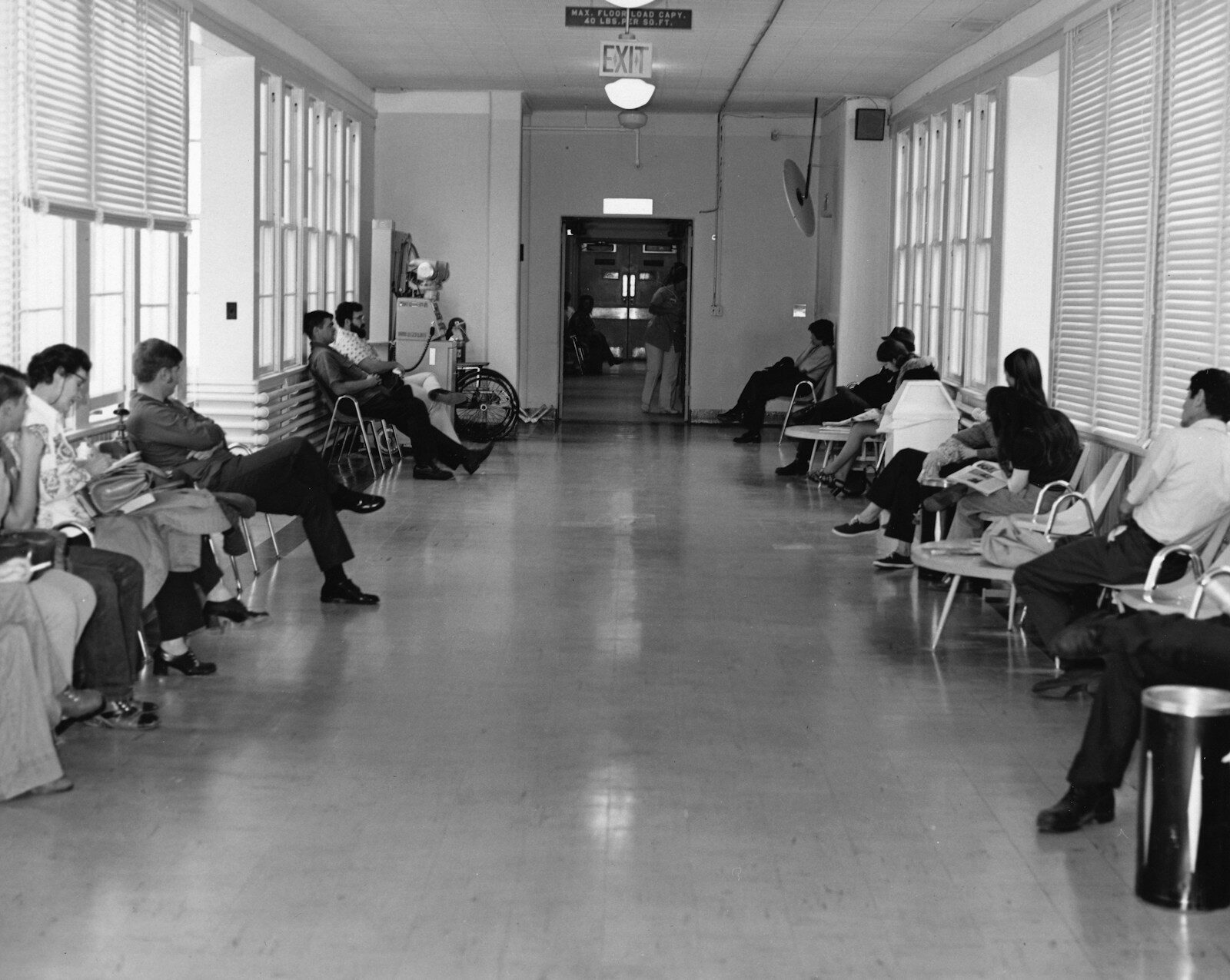
Patients have mostly not noticed, which is by design. The practice keeps its name, the staff stay, the waiting room is unchanged, and the physician is the same person. What changes is upstream of anything visible from a chair in that room.
Ownership sets the defaults
Referral patterns move first. A practice inside a system refers within the system, not because anyone is instructed to but because the software suggests it, the scheduling is easier and the records already connect. That is efficient and it is also a closed loop, and it takes a deliberate patient asking a direct question to open it.
Billing changes next, and this one shows up on statements. The same visit in the same room can be billed differently once the practice becomes a hospital outpatient department, adding a facility charge that did not previously exist. The care is identical. The bill is not, and the explanation is an ownership structure the patient was never told about — one of the several reasons hospital price data took so long to find its users.
The investment-firm version has a distinct rhythm, familiar from every other rollup: acquire, standardise, extract efficiencies, sell to a larger holder in three to seven years. It works well on the operational side, where small practices genuinely were badly run, and it strains where the savings must keep coming after the easy ones are gone. The pressure then lands on staffing ratios, appointment lengths and the mix of who sees the patient — decisions taken as spreadsheet adjustments and experienced as ten fewer minutes. It is exactly the rollup that came for the plumbing business, applied where the customer is a patient.
Why physicians sell is not mysterious. A practice is a small business carrying billing, compliance, insurance negotiation, technology and staffing, and the administrative load has grown faster than any individual practice can absorb. Selling removes that, guarantees an income, and ends the personal financial exposure. Primary care sells most readily because its arithmetic was already the hardest to make work, which is how the specialty with the most contact with patients ended up with the least independence.
What patients can actually do about it is narrow but not nothing. Ask who owns the practice, ask whether a referral is available outside the system, and ask whether a facility fee applies before the appointment rather than after the statement. Every one of those questions is answerable, and almost nobody asks them, because the sign on the door still says what it always said.
Topics healthconsolidationprivate equity