For decades, Americans traveling to Mexico for medical care largely went for procedures that could be finished quickly: cosmetic surgery, elective operations and above all the dental work American insurance is least likely to cover. A smaller set of health centers is now offering residential programs lasting weeks, aimed at patients with chronic conditions who say conventional treatment has left them searching for alternatives.
The broader market is growing. Global Market Insights estimates that roughly 1.4 million Americans travel abroad for medical care, spending about $8.5 billion a year, with Mexico ranking among their most common destinations. Separately, IMARC Group estimates that Mexico's combined health and wellness tourism market generated $9.5 billion in 2025 and could reach $18.3 billion by 2034, a compound annual growth rate of 7.33 percent.
Length of stay is one place the residential model differs from traditional medical tourism. U.S. residents who flew to Mexico in the first quarter of 2025 stayed an average of 7.9 days, according to the Commerce Department's National Travel and Tourism Office. That figure covers all air travel to Mexico, not just medical trips. Residential health programs that keep patients for several weeks create a different proposition for patients and health centers alike, with more nights, more services and considerably more time away from work and home.
Inside one residential program
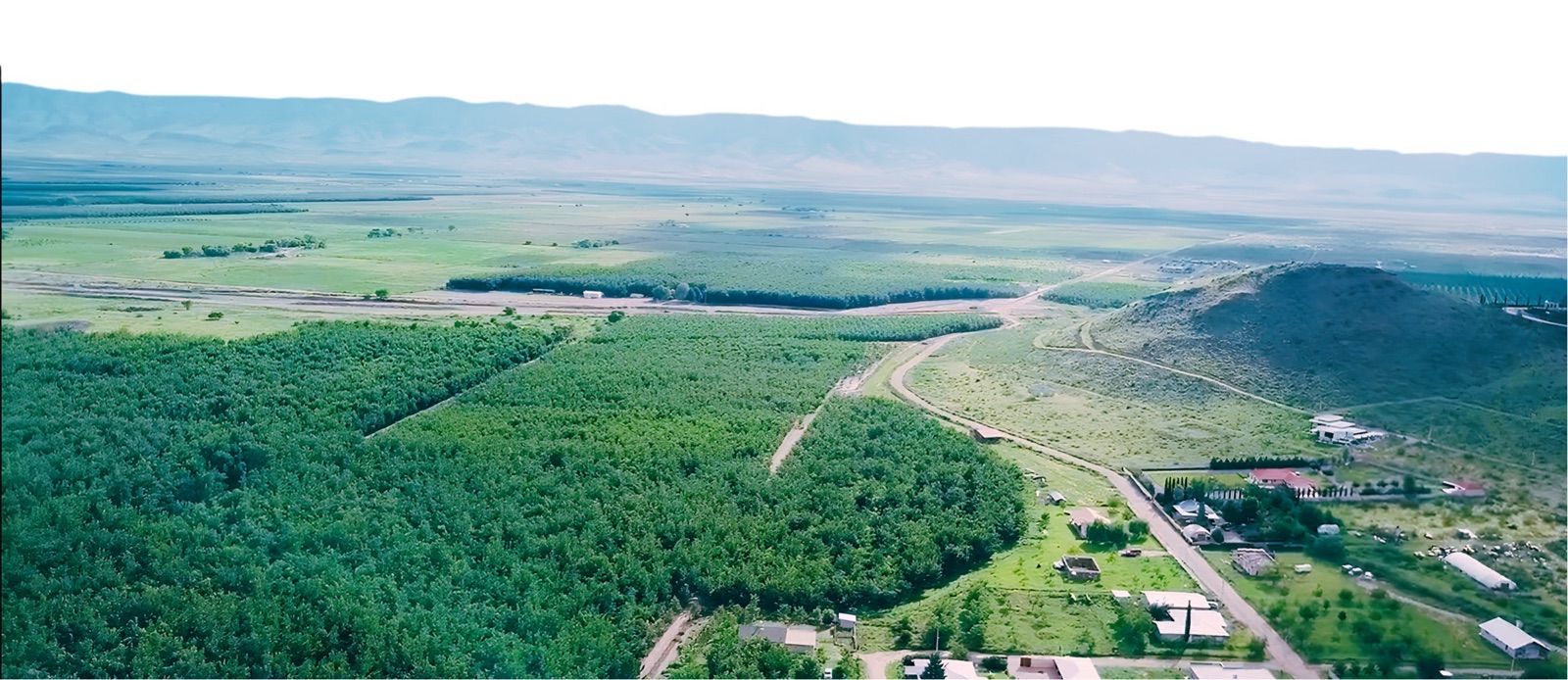
La Luz Wellness Center, in a mountain valley in the northern state of Chihuahua, offers a window into how such a program is constructed. The center sits far from Tijuana's medical-tourism corridor and from the resort destinations of Los Cabos and the Riviera Maya.
It was founded by Dr. Virginia Marston, an American board-certified naturopathic doctor who is registered as a nurse in Mexico. She has worked in natural and alternative medicine for more than 30 years.
La Luz accepts a small number of guests at a time and offers programs that combine detoxification protocols, intravenous and oral nutrition, ozone therapy, neural therapy and structured emotional work, with staff on site around the clock as needed. The center's medical team includes Dr. Beatriz Rauber, a physician with experience in pediatrics and intensive care, and Lowell I. Gerber, a cardiologist and fellow of the American College of Cardiology.
Marston traces her interest in alternative medicine to a family crisis. In 1992 her nine-month-old daughter, Mary, suffered severe brain damage after aspirating a piece of pecan and going roughly 40 minutes without adequate oxygen. Marston spent much of the next 17 years caring for her daughter and exploring both conventional and alternative treatments before moving more deeply into naturopathic practice. She says the experience shaped the way she approaches patient care.
Rather than offering a single procedure, La Luz builds programs around extended stays and around routines patients are expected to continue after they leave.
"Most of the people who come to us have been sick for years, and they've already tried the patches," Marston said. "You can't unwind years of illness in a long weekend. For chronic conditions the first week is just the beginning."
Questions of efficacy, experience and oversight
The model raises questions about efficacy, experience and oversight. Iridology, one of the modalities Marston lists among her practices, is regarded in conventional medicine as lacking diagnostic validity. Several therapies used in integrative care, including ozone therapy, have a considerably more limited evidence base and a different regulatory status than treatments routinely used in conventional U.S. medicine.
The Centers for Disease Control and Prevention advises medical tourists to verify clinicians' qualifications and facility credentials, and to arrange follow-up care before leaving the country.
Marston said she treats iridology as one observational tool among many rather than as a standalone assessment, and that care at La Luz is overseen by the center's physicians. "Iridology and live blood cell analysis is not used to diagnose, but to guide the detoxification process," she said.
In her account, those tools earn their place because they help the center anticipate how a particular patient is likely to respond to detoxification, and adjust the program before difficulties arise rather than after. Patients who are prepared for what an intensive program involves, she argues, are less likely to abandon it partway through. It is a claim about how a program is sequenced and experienced rather than a claim about clinical outcomes.
"We're not asking anyone to walk away from their doctors," she said. "We ask for medical records before guests arrive, and we want them going home to a physician who knows exactly what they did here."
For centers such as La Luz, the proposition is that some patients will trade the speed of conventional medical tourism for something longer and, the center argues, more thorough. That means several weeks away from work and home, on the expectation that alternative therapies will help where conventional care has not.
For patients who feel they have run out of options, that expectation is part of the calculation. Marston's own framing is plainer: the approach a patient chooses, for themselves or for someone they love, should make sense to them, and working out whether it does is worth the time it takes.
Topics health