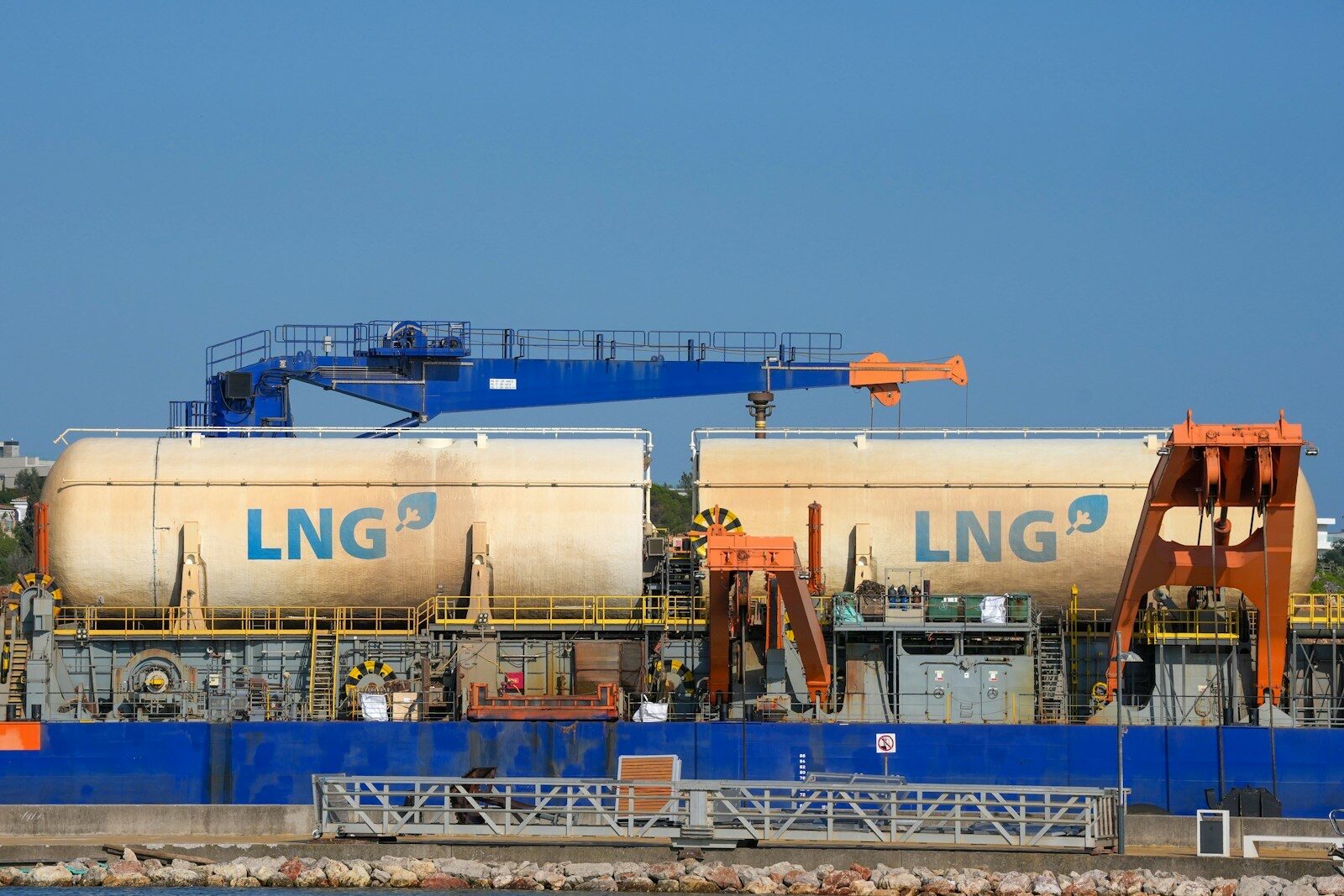
The five companies that own LNG Canada have agreed to build its second phase. Two more liquefaction trains at Kitimat, on the north coast of British Columbia, will take the plant from 14 million to 28 million tonnes of liquefied natural gas a year, making it one of the larger export terminals anywhere.
The joint venture's announcement, distributed on 29 September, is the kind of release that answers most questions about a project and conspicuously leaves one blank.
What the releases say
The owners are unchanged: Shell with 40 per cent, Malaysia's Petronas with 25, PetroChina and Mitsubishi with 15 each, and Korea Gas with 5. Each lifts and sells its own share of the output. Shell, in its own statement, said it would receive "nearly 6 million tonnes per annum" of additional LNG, which is what 40 per cent of the new 14 million comes to, and that it expects the investment to generate "double-digit returns".
Phase 2 adds the two trains, another storage tank, a second loading berth and the utilities to run them. The Coastal GasLink pipeline, which carries gas 670 kilometres from the Montney formation in north-east British Columbia, will get five new compressor stations to carry the extra volume. LNG Canada expects up to 4,000 construction workers at Kitimat at peak and about 2,100 more on the pipeline work.
Five First Nations near the plant, the Gitga'at, Gitxaała, Haisla, Kitselas and Kitsumkalum, can now exercise an option to invest up to C$1 billion in a company that will own the new storage tank. LNG Canada describes that as one of the largest Indigenous ownership positions in major Canadian infrastructure.
What they do not say
Neither the joint venture's release nor Shell's gives a capital cost. For what LNG Canada itself calls "one of the largest private sector investments in Canada", that is a notable omission. The companies offer estimates of government revenue over the project's life, of jobs, and of returns, but not the number those returns are measured against.
Nor does either give a start date more precise than Shell's "early 2030s". That is a realistic window. The first phase took its investment decision in October 2018 and shipped its first cargo on 30 June 2025, almost seven years later. Phase 2 has the advantage of a site, a pipeline and a workforce that already exist, and the plant was designed from the start for four trains. Even so, the gas being committed to this week will reach customers in the next decade.
Why Asia, and why now
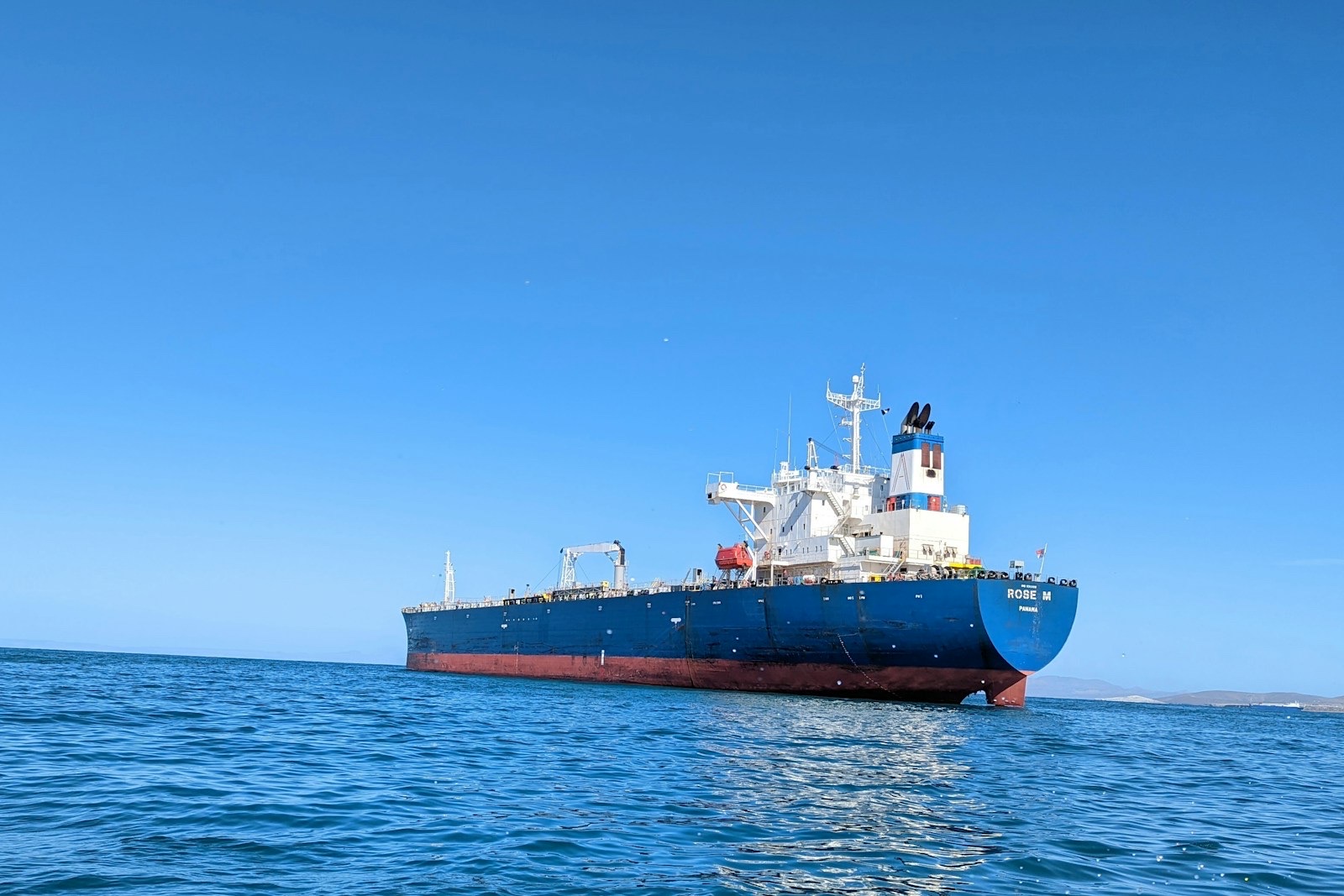
LNG Canada's argument for itself is geography. From Canada's west coast, its release says, a cargo reaches Asian buyers in about ten days, "roughly half the sailing time from the U.S. Gulf Coast via the Panama Canal". Every one of the five owners is either Asian or sells heavily into Asia, and Shell's Cederic Cremers framed the decision as supplying "customers in Asia at a time when diversity of energy supplies and energy security are increasingly important".
The phrase "energy security" is carrying the current moment. According to the US Energy Information Administration, about a fifth of all global LNG trade passed through the Strait of Hormuz in 2024, mostly from Qatar, and 83 per cent of that went to Asian markets. The strait has carried a small fraction of its normal traffic since the war with Iran began in February.
A Pacific plant with no chokepoint between it and Tokyo, Seoul or Shanghai is exactly what an Asian buyer would want after this year. But the timing cuts both ways. Phase 2 will not deliver a cargo during this crisis. It is a wager that buyers will still pay a premium for route security in the 2030s, when, on any reasonable expectation, the strait will have reopened.
That is a reasonable bet. It is also a bet whose size the companies have chosen not to publish.
The Canadian ledger
For Ottawa the announcement is a political prize. Tim Hodgson, the energy minister, called it "a massive vote of confidence in Canada" and said the country "is building again". LNG Canada and the two governments estimate the phase could generate more than C$50 billion in government revenue over its life.
That figure is, again, an estimate by the parties with the most interest in it, and it depends on gas prices across three decades. The firm numbers in the announcement are narrower: 14 million more tonnes a year, two trains, five compressor stations, a C$1 billion option for five First Nations, and an opening date measured in years rather than months.
The ownership shares, capacity, scope of Phase 2, the Coastal GasLink compressor stations, the First Nations equity option, the job and revenue estimates, the 30 June 2025 start of shipping, the 10-day sailing time and the quotations from Chris Cooper and Tim Hodgson are from LNG Canada's release "LNG Canada Announces Phase 2 Final Investment Decision", distributed by Canada Newswire on 29 September 2026 and read in full. Shell's additional volumes, its expected returns, the early-2030s start and the quotation from Cederic Cremers are from Shell's release "Shell takes final investment decision to double LNG Canada capacity" as republished by LNG Industry (29 September); Shell's own page on shell.com returned only its headline to automated retrieval. Shell's page and LNG Canada's release were both checked for a capital cost and contain none; a figure of C$33 billion appearing in some search summaries could not be traced to either company and is not used. The October 2018 date of the Phase 1 decision is from the public record of that announcement. The Hormuz figures are from the US Energy Information Administration's "Amid regional conflict, the Strait of Hormuz remains critical oil chokepoint", 16 June 2025. Accurate to 8.40am ET on 29 September 2026.
Topics businessenergylngnatural gascanadaasia