Industrial Distribution Consolidates While Nobody Watches
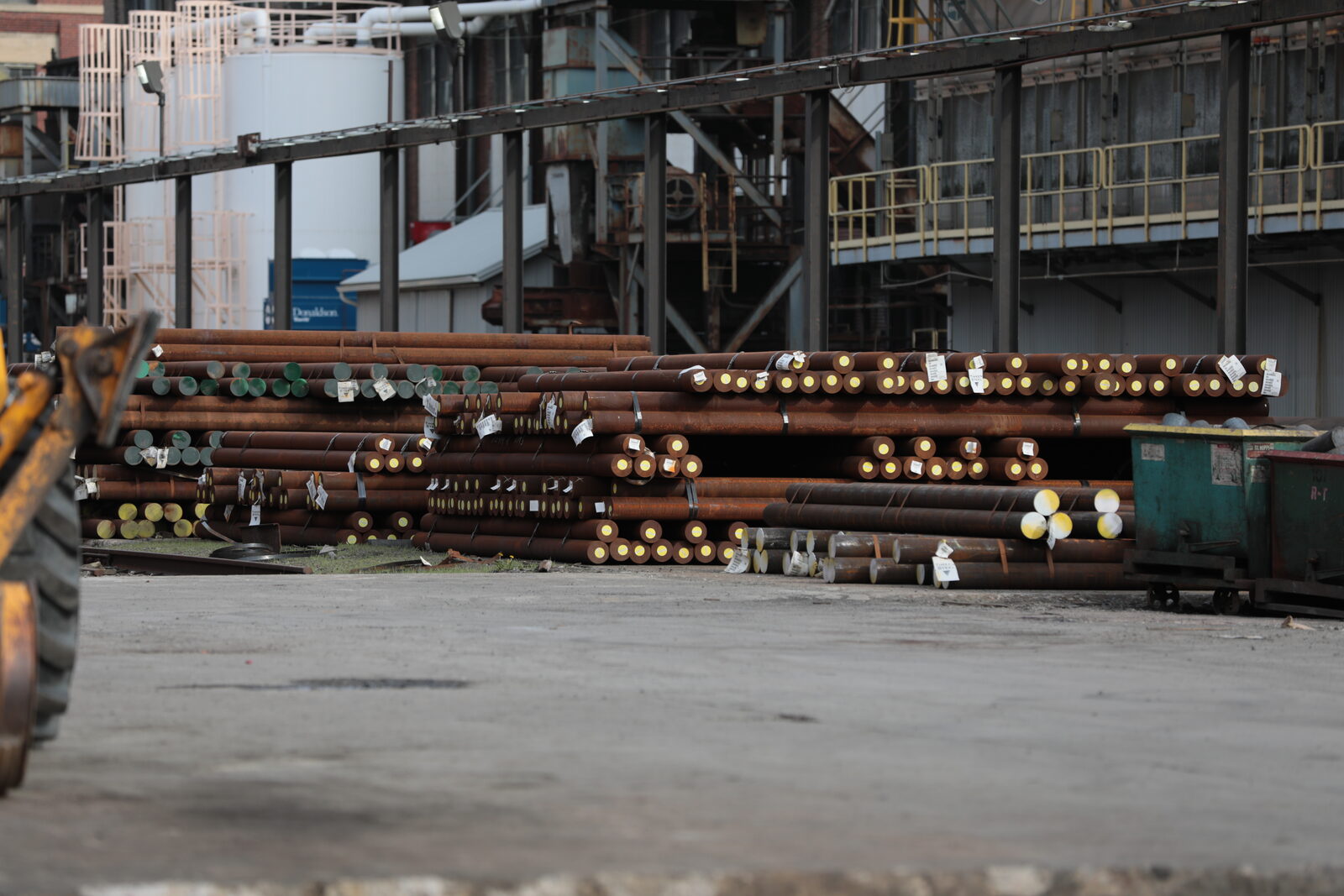
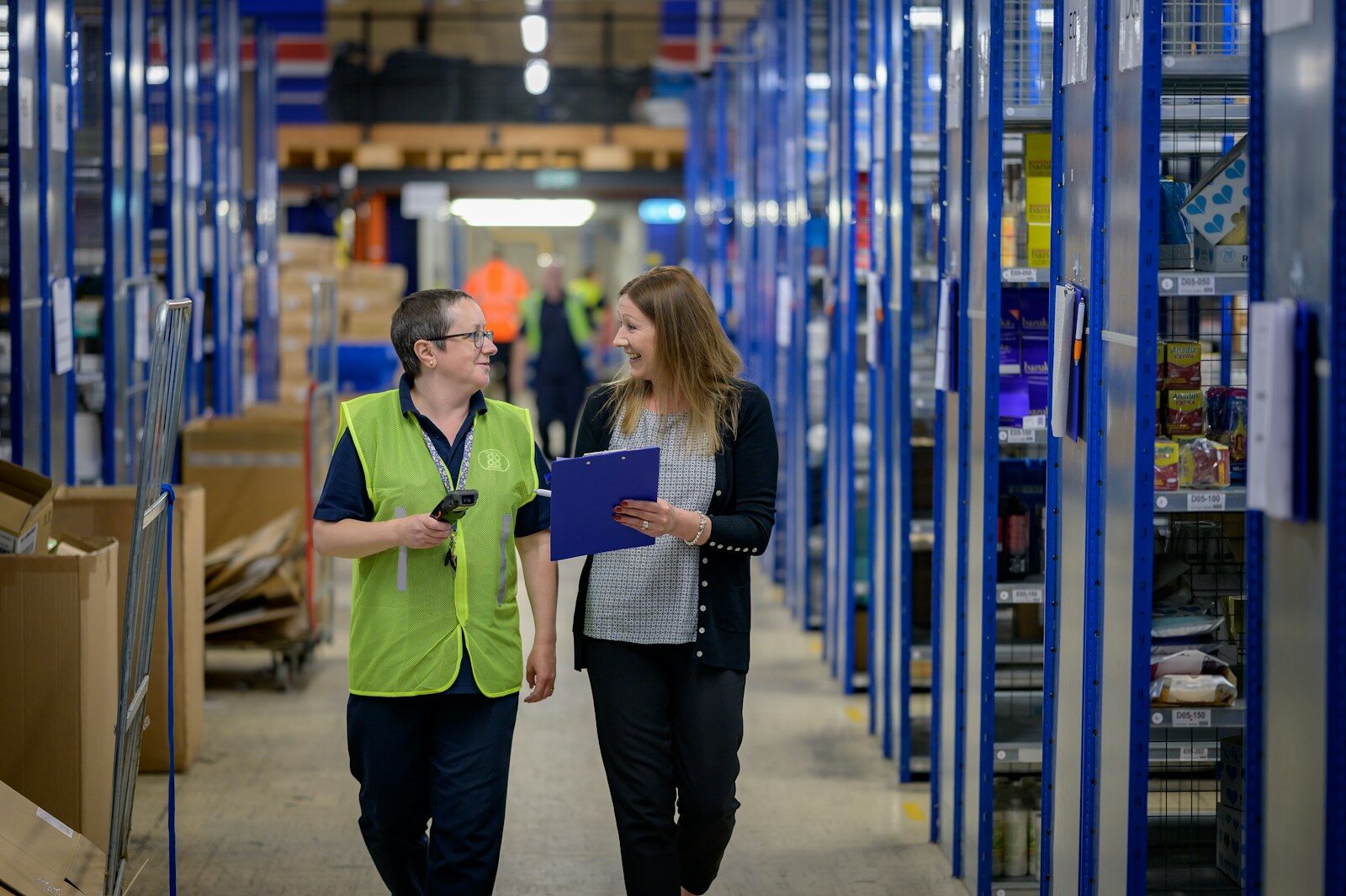
The regional suppliers that stock fasteners, bearings and safety equipment are being rolled up at a steady clip. The buyers are acquiring something the catalog does not list.

Independent Business, Technology & Culture
Sunday, August 16th, 2026 105 stories Independent & Reader-Supported
The regional suppliers that stock fasteners, bearings and safety equipment are being rolled up at a steady clip. The buyers are acquiring something the catalog does not list.
A generation of franchise owners is heading for the exits, and a new class of buyers, many of them corporate refugees, is lining up to take over proven units.
Millions of small businesses are owned by people at or past retirement age, and most have no succession plan. The scramble to keep them alive is reshaping local economies.
The most durable businesses of this decade are not the loudest ones. They are the ones that stopped performing for an audience and started compounding in private.
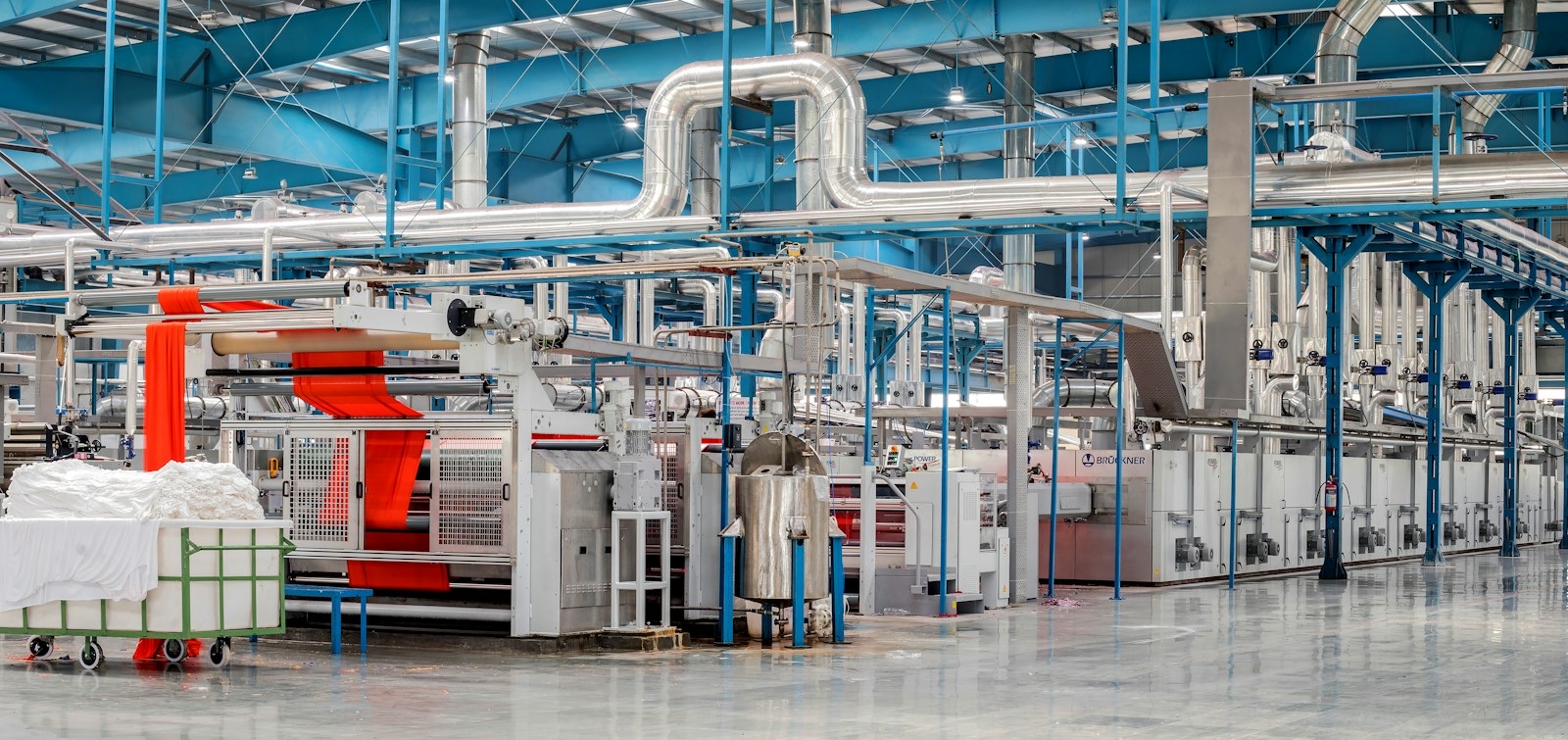
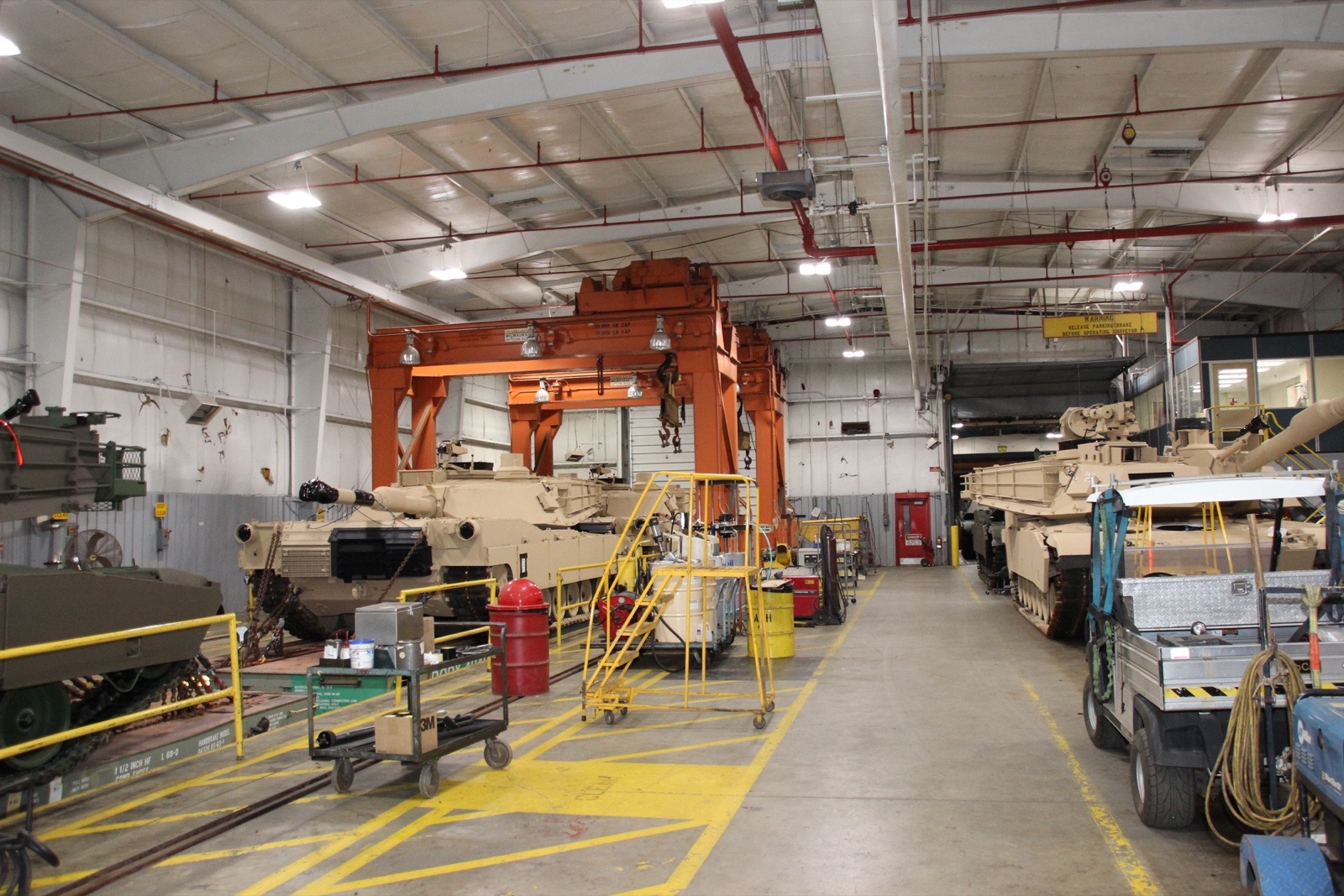
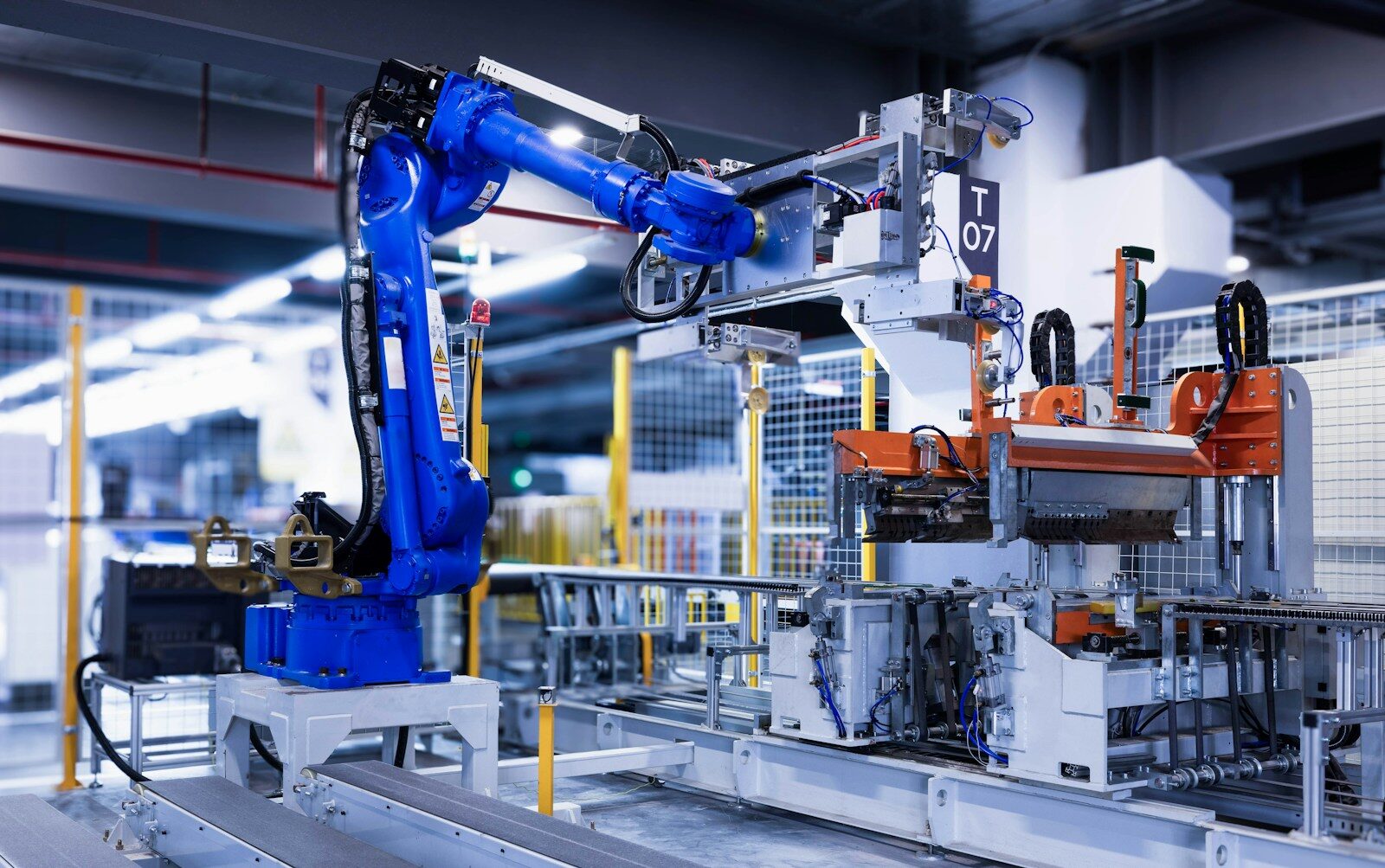
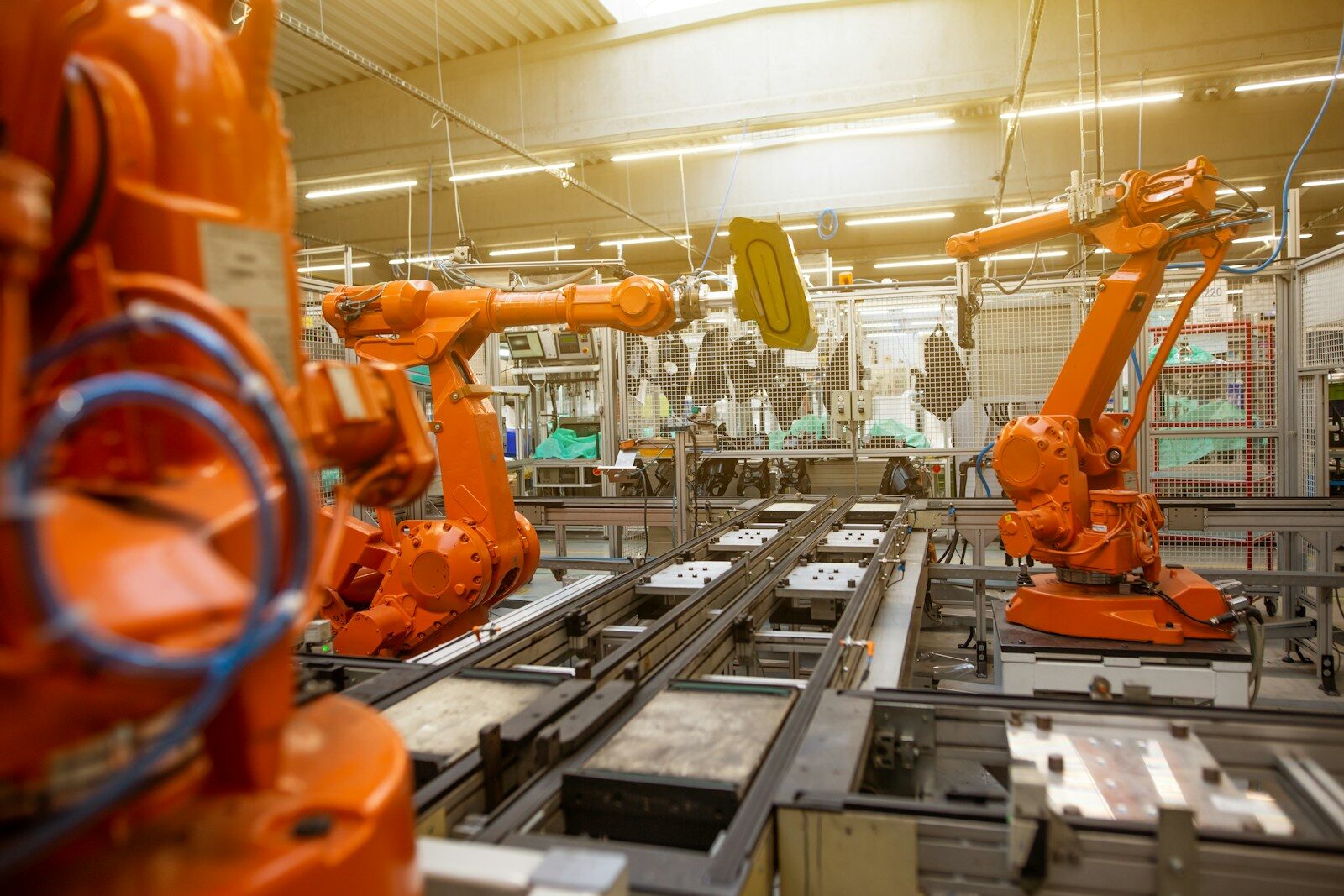
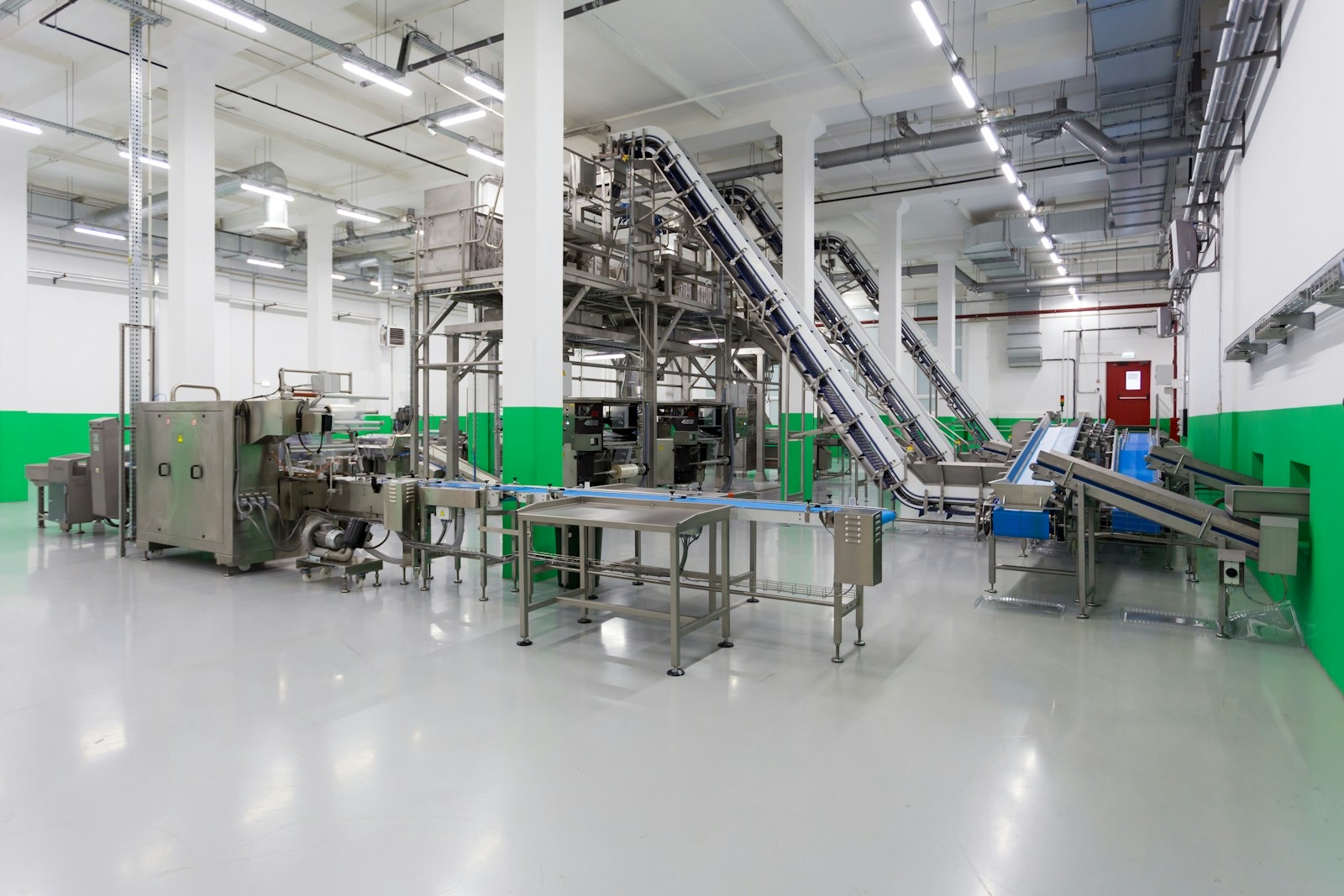
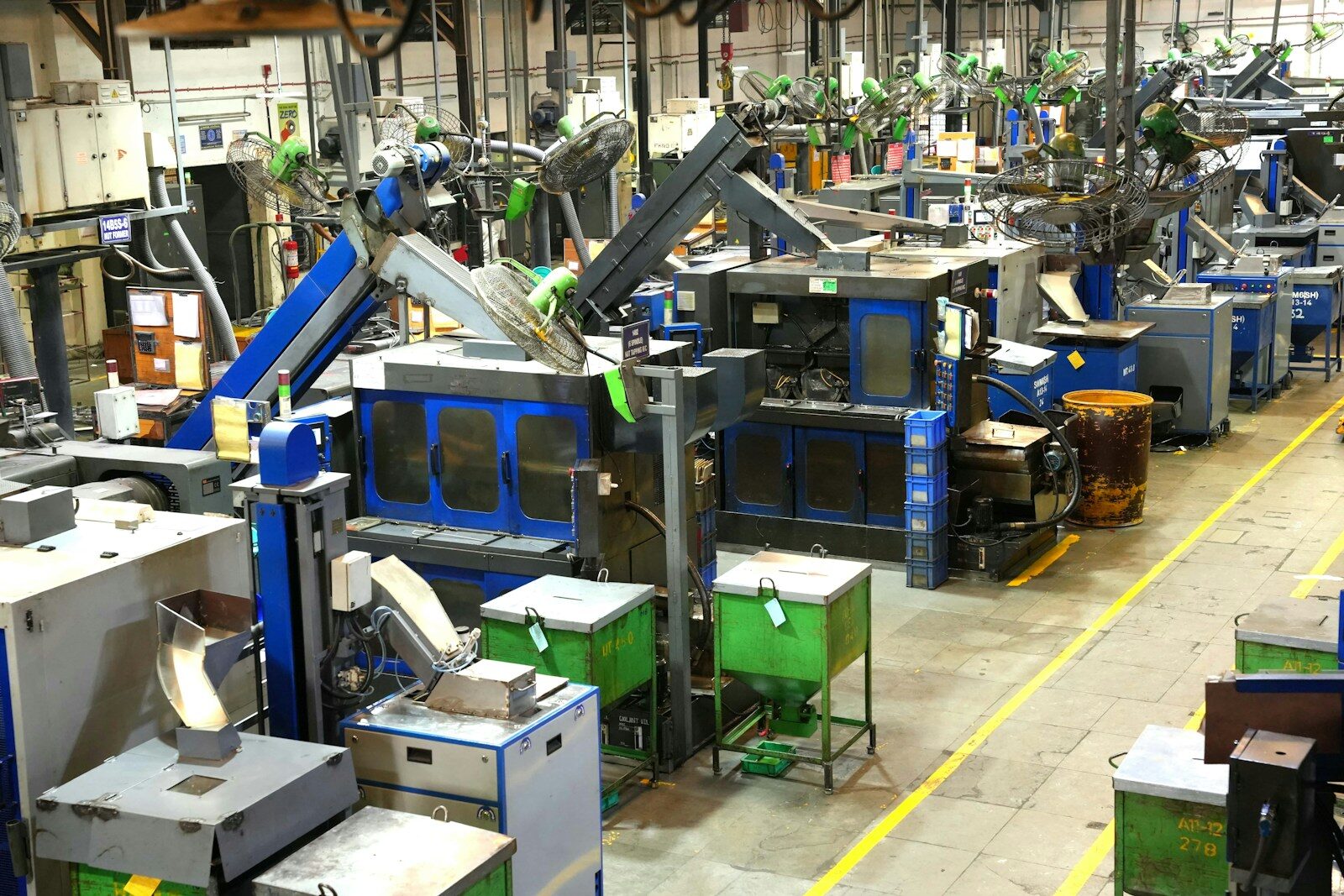
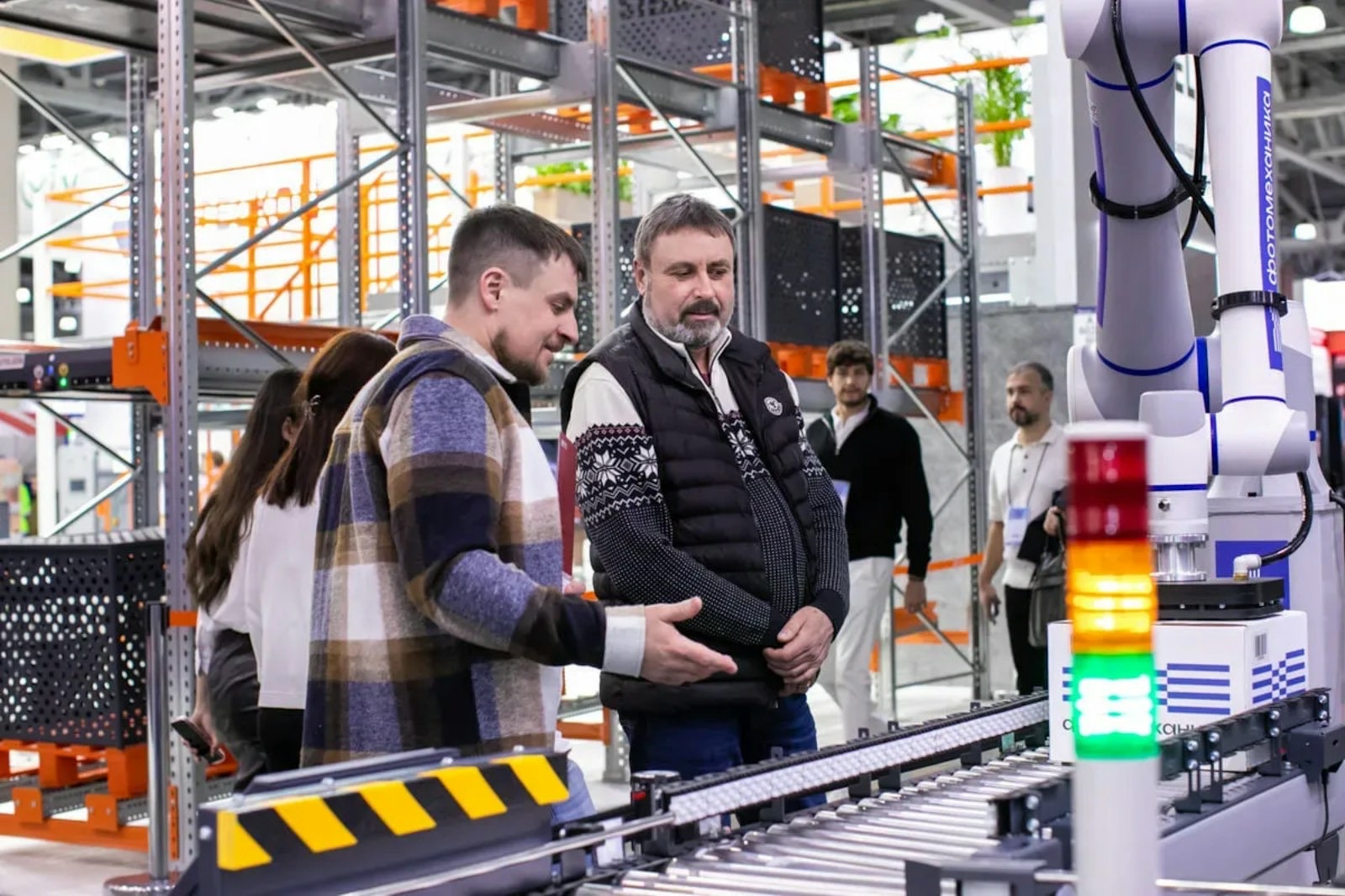
For a widening set of manufacturers, the machine is now the customer acquisition cost and the maintenance agreement is the business. The shift is rewriting how these companies are valued.
Narrow, unglamorous and indispensable to the people who read them, business-to-business titles have proven more durable than the consumer publishing that once looked down on them.
Employee stock ownership plans spent decades as an ideological argument. They are being reconsidered as something plainer: a buyer who is already on site when no other buyer appears.
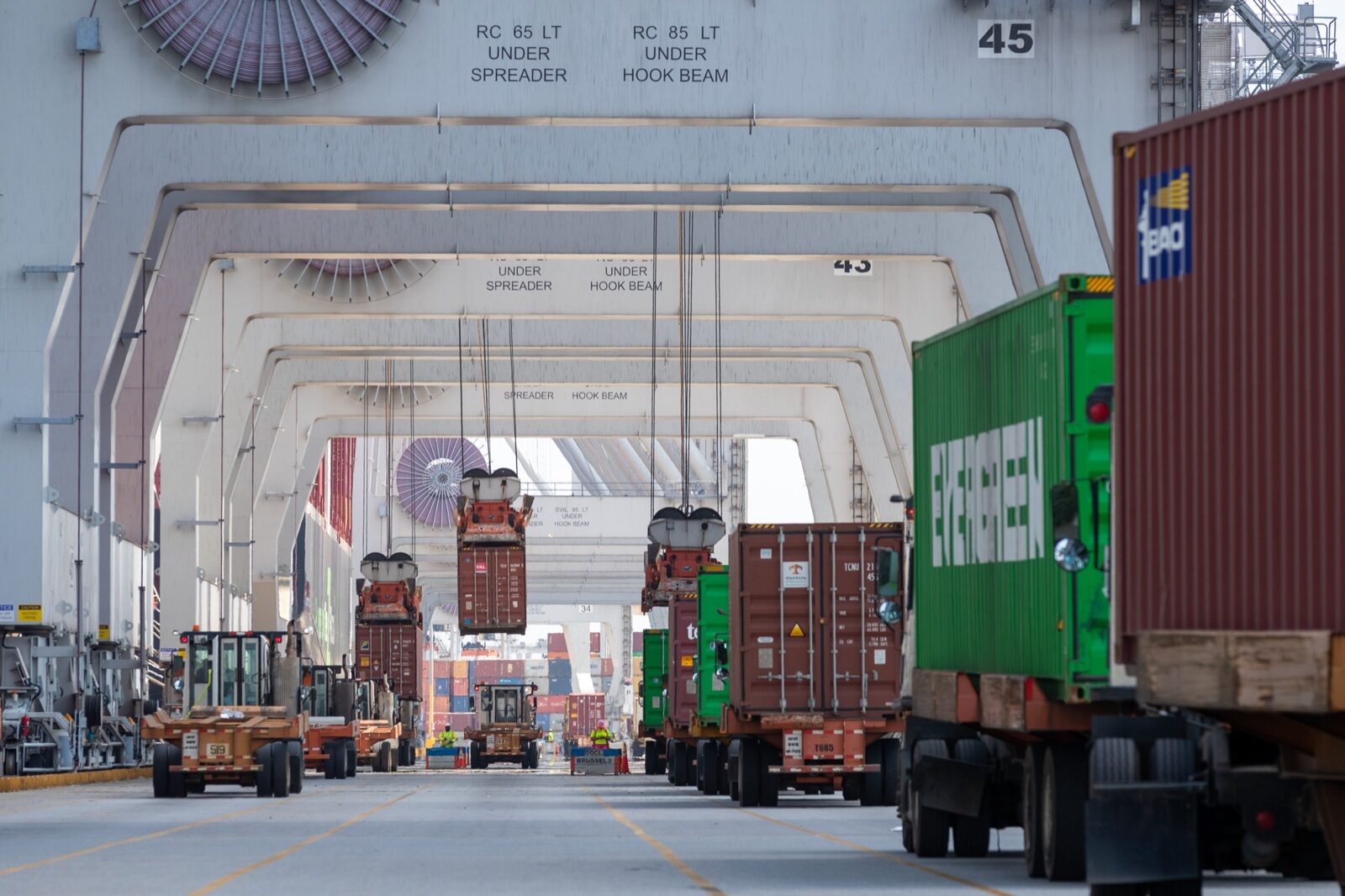
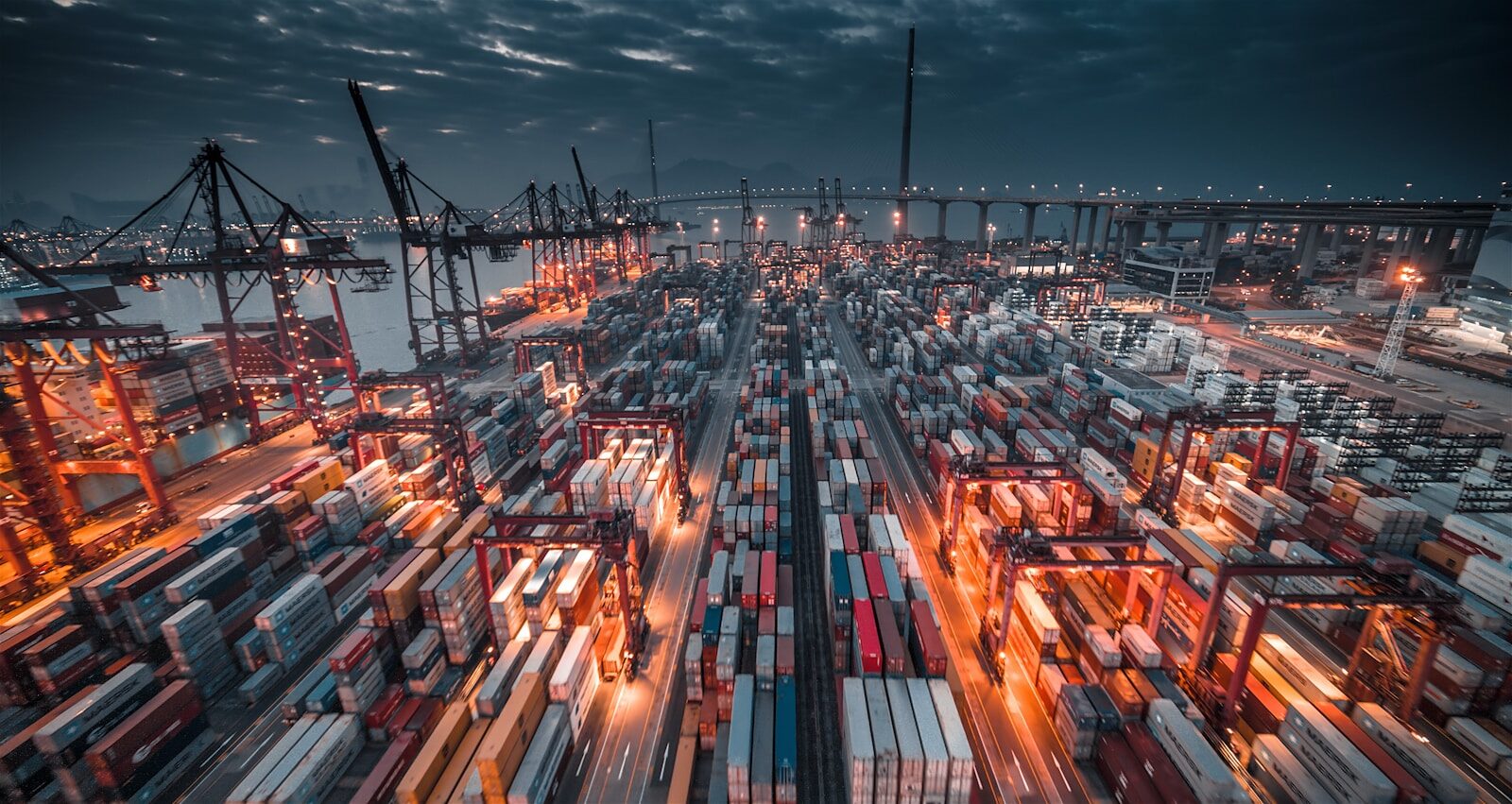
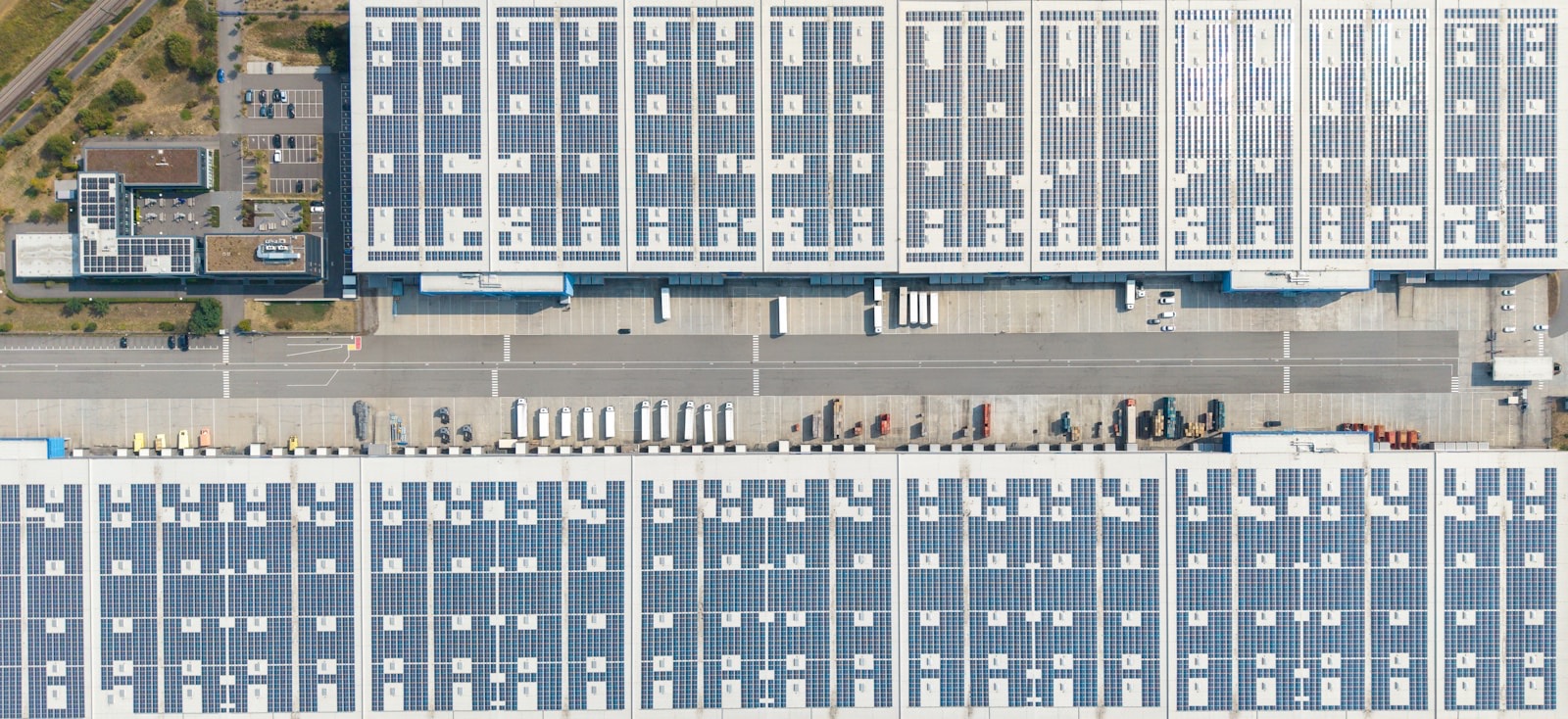
After years of supply chain speeches, the physical evidence has arrived: factory construction, border logistics investment and trade flows reorganizing around proximity.