Warehouse automation has been commercially available for thirty years and economically available to almost nobody. The systems that worked required a purpose-built facility, a nine-figure commitment and a volume forecast stable enough to underwrite both, which described a few dozen companies in the country.
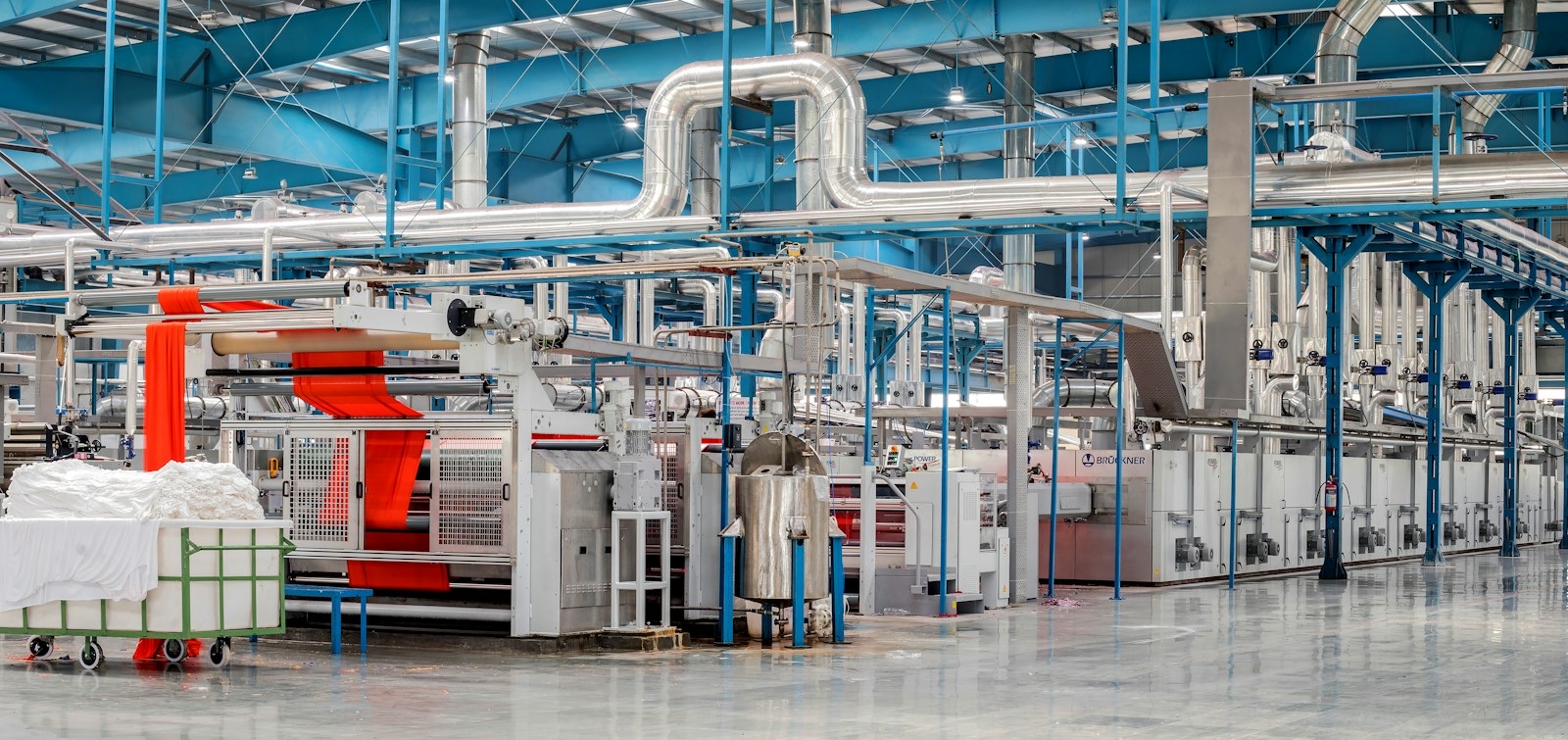
The constraint was never the robotics. It was that the machinery assumed a building designed around it, so the automation decision was really a decision to construct a new distribution centre, and that put it out of reach of every operator whose growth did not justify one.
Automation that fits the building you already have
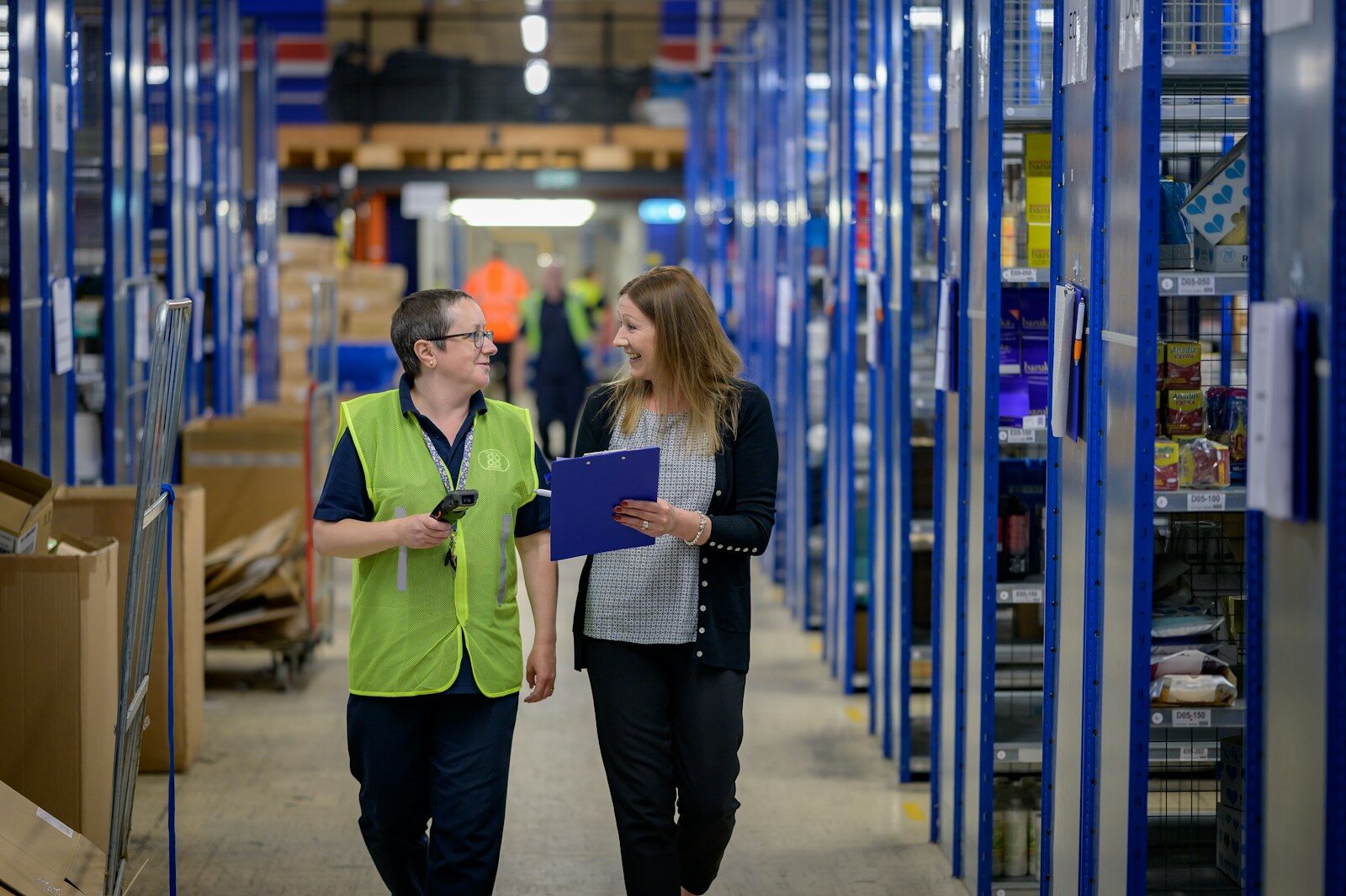
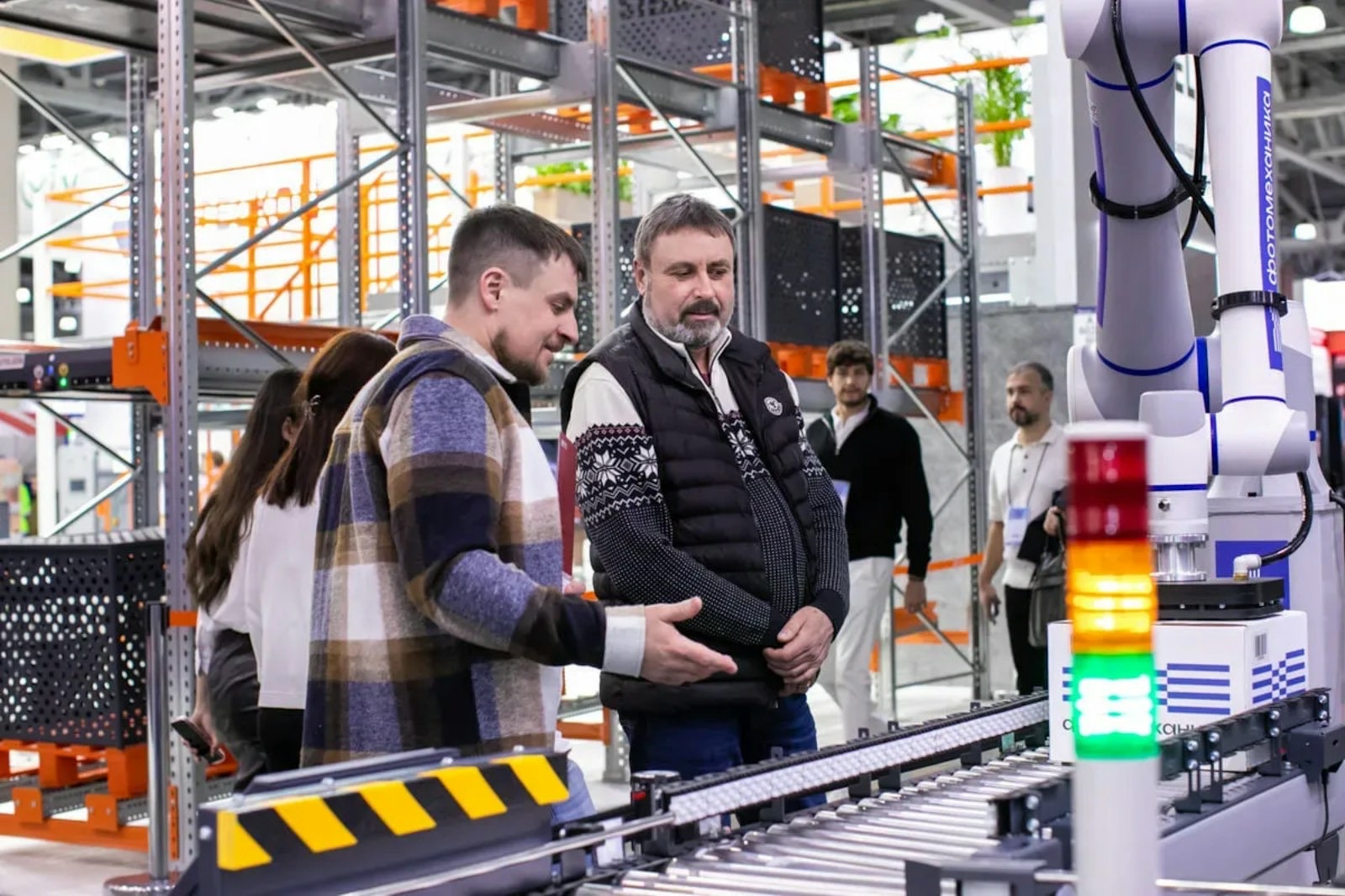
What changed is the form factor. The current generation of systems is designed to be retrofitted into conventional racking, works alongside people rather than behind a fence, and arrives in increments — six units this year, six more if the first six pay. A mid-sized distributor can put automation into the building it already leases without pausing operations for a year.
The financing changed with it. Robotics-as-a-service contracts price the equipment per pick or per month rather than as capital expenditure, which moves the decision out of a board-level capital committee and into an operations budget. That reclassification matters more than any specification. A general manager who can authorise an operating expense and cancel it after two quarters will run the experiment; the same person facing a capital request that needs three signatures and a five-year payback will not.
The results are more modest than the marketing and more durable than the skeptics expected. Operators report throughput gains in the range that justifies the spend without transforming the business, and the more valuable effect is usually variance rather than average — the automated operation has a bad day that is much less bad, which is what actually breaks a service commitment.
Labour is the reason most of them started, and the story is more specific than replacement. The roles being automated are the ones that were hardest to keep staffed, and turnover in those roles was the operational problem long before anybody costed a robot. Facilities that automated picking generally did not reduce headcount; they stopped running short.
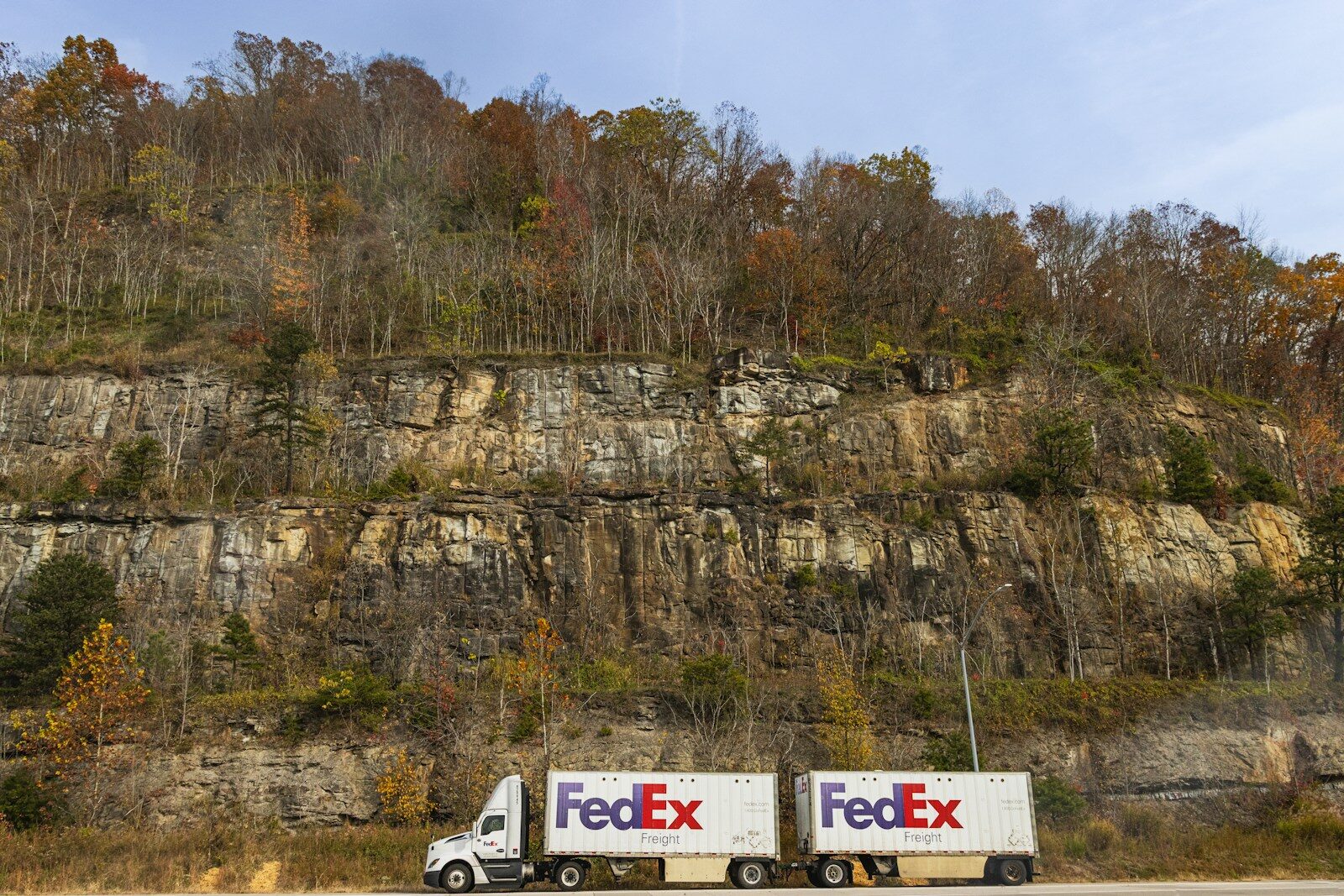
The demand pull is coming from where the freight is going. Companies that have moved production closer to their customers have shorter, more frequent inbound flows and less tolerance for a distribution centre that cannot turn a truck quickly, and that pressure lands on operators whose facilities were designed around container-scale deliveries.
There is a familiar caution in the software layer. The control systems that coordinate this equipment are increasingly cloud-hosted and priced per transaction, and a warehouse that cannot pick when its vendor's platform is unavailable has traded one dependency for another — the same reckoning that has pushed some companies to move workloads back onto their own hardware. The operators furthest along now write local-mode requirements into the contract, having learned the point the way everyone learns it.
The consolidators are watching closely, because automation makes an acquired branch worth more, and distribution has been consolidating steadily for reasons that have nothing to do with robotics.
Topics businessautomationlogisticsroboticscapital spending