America's service businesses were still growing in September. They were also paying more for almost everything they buy, and the survey's measure of what they pay reached its highest in more than four years.
The Institute for Supply Management's monthly survey of purchasing managers at service companies, from hospitals and retailers to banks, landlords and software firms, registered 54.9 last month. That was down half a point from August, and the 27th month in a row above 50, the line that separates growth from contraction. ISM says a reading like this has historically matched annual economic growth of about 2.1 per cent.
The survey's prices index told a different story. It rose 1.4 points to 74, the highest since July 2022. It has now been above 70 in six of the past seven months and above 60 for 22.
Who paid more
Behind the index is a simple question: did you pay more, less or the same this month? In September, 50.3 per cent of respondents said they paid more. Only 2.2 per cent paid less. In June, the share paying more had been 40.7 per cent.
The increases were broad. Seventeen industries reported higher prices, led by management and support services, transport and warehousing, and agriculture. Not one industry reported paying less.
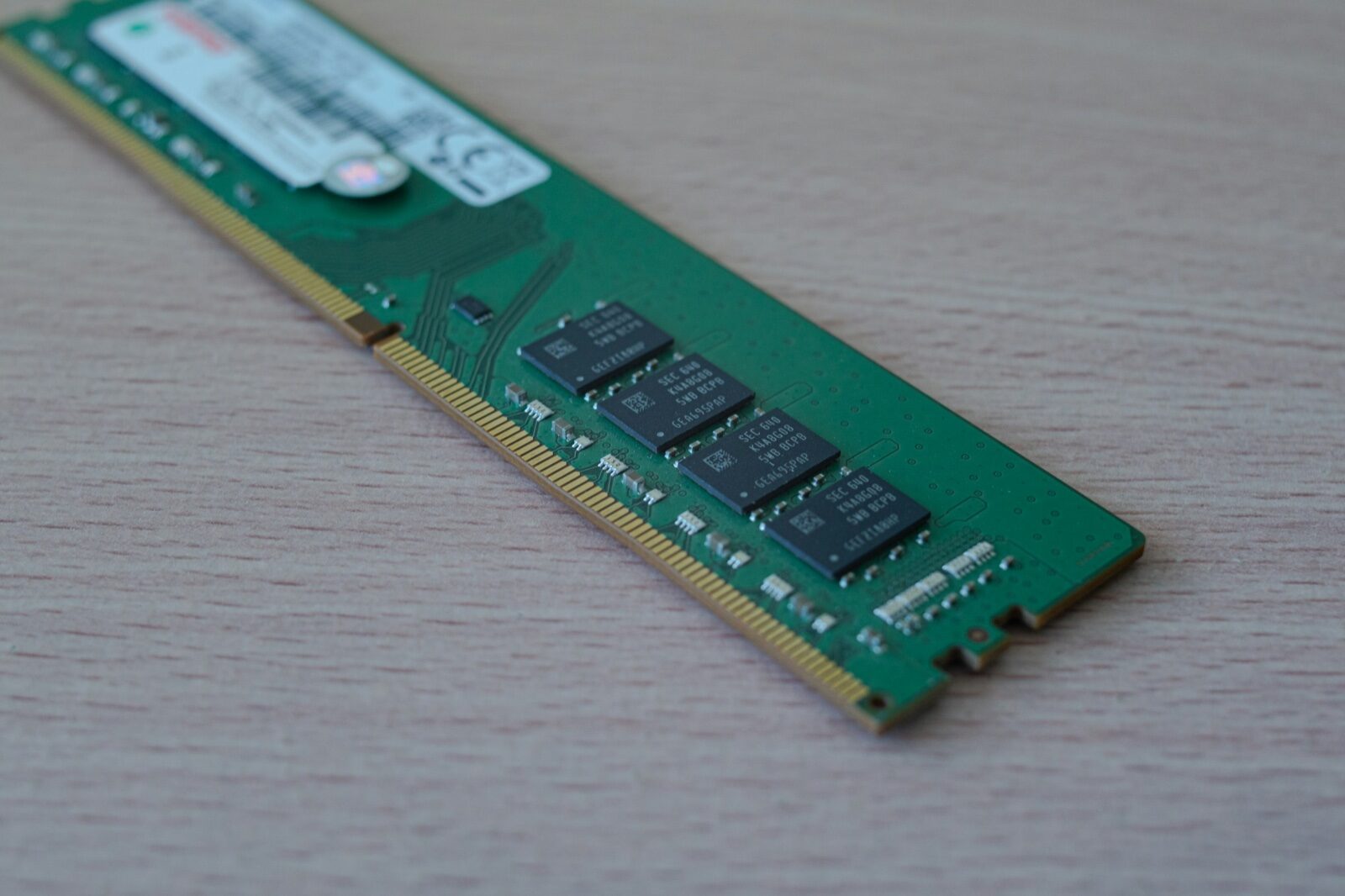
The list of what went up reads like a summary of the year. Fuel was reported higher for an eighth month in a row, gasoline for an eighth and diesel for a seventh. Copper rose for a tenth month, steel products for a sixth, software licences for an eighth. Memory products, the chips inside every server and laptop, rose for a ninth straight month. Lumber was reported both up and down. Only pork was simply cheaper.
Fuel, then tariffs
"Tariffs and fuel cost impacts were the most cited issues impacting respondents' supply chains," said Steve Miller, who chairs ISM's services survey committee. "In fact, fuel costs were mentioned twice as often as any other single issue impacting performance."
The respondents' own words show where it lands. "The high cost of diesel fuel has increased the cost of freight dramatically," wrote one in agriculture, adding that crude oil had pushed nitrogen fertiliser "to near record highs". A retailer wrote: "Shipping containers from overseas are double the cost, causing price increases." Spot rates from Asia to the US West Coast are four times what they were in February, according to the freight analysts at Xeneta. A wholesaler said: "Weekly price increases are the norm these days on commodities products (copper, aluminum and polyvinyl chloride)."
Shortages are spreading too. The number of goods reported in short supply rose from six to seven: computers, fuel, memory components, solid-state drives, steel products, switchgear and wire and cable. Memory components have been on that list for nine months, the same nine months in which global chip sales have more than doubled.
Factories are paying more as well
The services survey did not move alone. ISM's manufacturing survey for September put the factory prices index at 77.9, up 6.8 points in a month, a bigger jump than in services.
What has not followed, at least yet, is a collapse in demand. The services New Orders Index was 59.8, down only slightly from August. The Backlog of Orders Index rose to 56.6, which Mr Miller said was its highest since July 2022. Business activity slowed more sharply, to 56.5 from 61.7, and new export orders fell below 50 for the first time in eight months.
Hiring barely turned
The Employment Index rose to 50.1 from 47.8, its first reading above 50 in three months. That is the narrowest possible margin: 16.5 per cent of respondents said their headcount rose and 16.2 per cent said it fell. Mr Miller said the gain seemed to reflect growing backlogs and still-high activity and new orders. Among the comments ISM published was one that summed up the other side of the ledger: "Restructuring due to efficiencies gained using AI tools."
Seven industries added staff, led by accommodation and food services. Eight cut, including health care and finance.
Construction, the industry most exposed to interest rates, was one of four to report contraction. "Interest rates continue to drive buyers out of the market," a respondent in that industry wrote. "Half of buyers walking through the door cannot qualify to purchase."
For now, the survey describes an economy that is still growing and still absorbing higher costs. The prices index measures what businesses pay, not what they charge. Whether those costs reach their own customers is a question this survey does not answer.
All index readings, percentages, the commodity lists, industry rankings and the quotations from Steve Miller and from survey respondents are from the Institute for Supply Management's September 2026 Services PMI Report, published on 5 October 2026, including its comparison table with the ISM Manufacturing PMI. ISM's Services Prices, Business Activity, New Orders and Employment indexes are seasonally adjusted. Accurate to 5pm ET on 5 October 2026.
Topics businesseconomyinflationservicesfuel pricestariffssupply chains