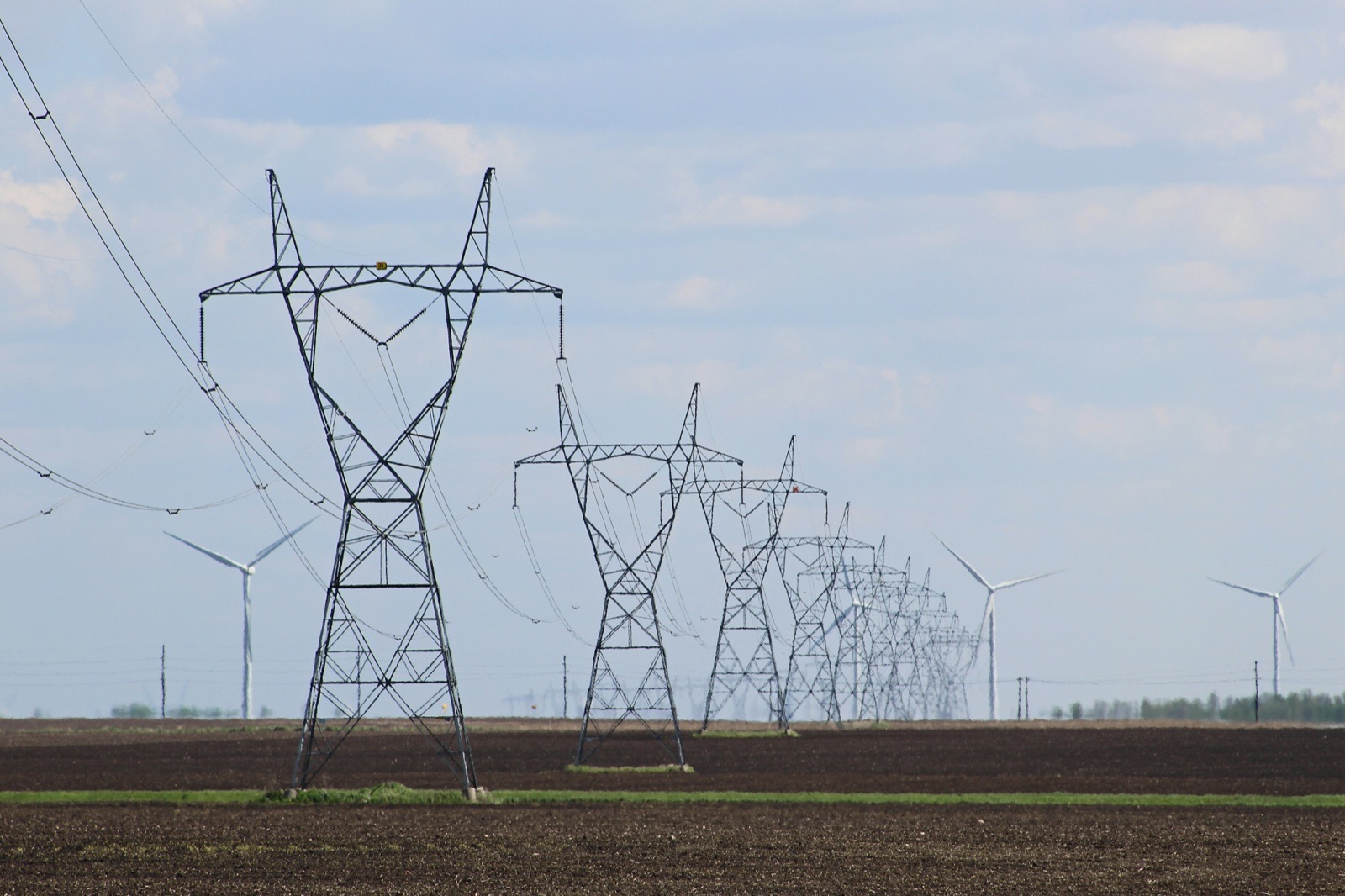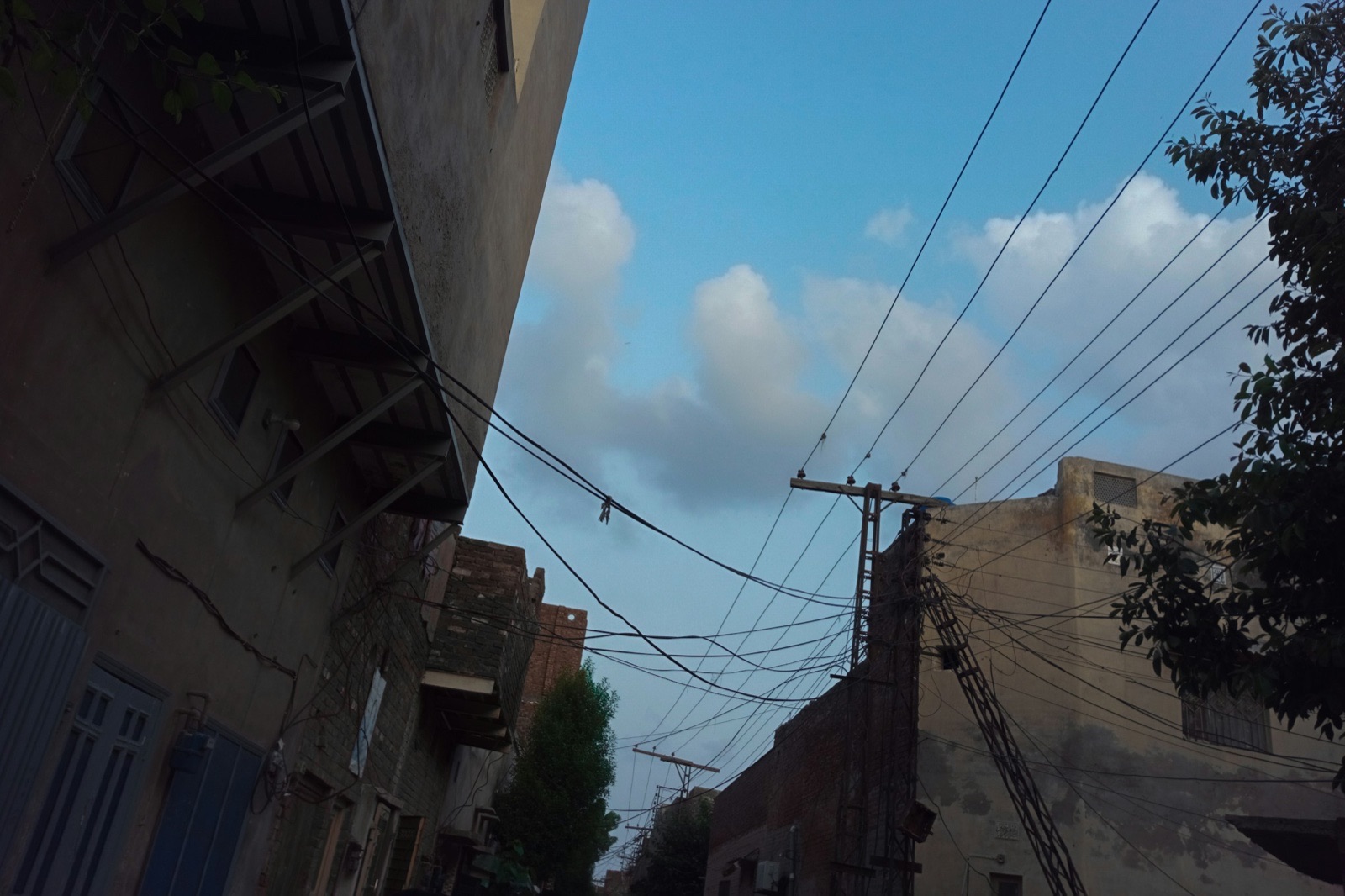
Pakistan has told the International Monetary Fund that it will sell nine of its state-owned electricity distribution companies by the end of 2027. One of them now has a list of bidders.
The board of the Privatisation Commission has prequalified nine companies to bid for between 51 and 100 per cent of the Gujranwala Electric Power Company, known as GEPCO, with management control, 24NewsHD reported on Monday. Eleven applied. Three of the nine are Turkish: Aktor Electric, Genvera Energy and Cengiz Energy. Six are Pakistani groups: Engro Energy, Hub Power, Sapphire, Shirazi Investments, Artistic Milliners and AKD Securities. K-Electric, the privately owned utility that serves Karachi, withdrew its application, and another applicant, Al-Sharif Contracting, did not provide the required documents.
A timetable for the IMF
The schedule was set out to the IMF during talks on the next instalment of Pakistan's loan, worth more than $1 billion, according to Samaa TV. The Faisalabad Electric Supply Company would be sold first, in January 2027, followed by GEPCO in February and the Islamabad Electric Supply Company in March. The Hyderabad and Sukkur companies would follow between April and June, and the Peshawar, Hazara, Lahore and Multan companies by December 2027. The Quetta Electric Supply Company, which serves Balochistan, is excluded.
The fund supports private participation in distribution as a way to improve efficiency and governance, but has raised reservations about the mechanism the government proposed, Samaa reported.
The IMF's concern is the money. Pakistan's power sector carries Rs1,675 billion, about $6 billion, of what is known as circular debt: unpaid bills that pile up along the chain from consumers to distributors to power producers and fuel suppliers. The distribution companies impose an annual financial burden of about Rs850 billion, about $3.1 billion, the government told the IMF, and it has budgeted Rs830 billion of power subsidies for the 2026-27 fiscal year.
Who keeps paying
Two features of the plan, as Samaa described it, limit what a sale can change.
First, the government intends to keep a uniform electricity tariff across the country after privatisation. Customers served by the more efficient distributors will therefore continue to share the cost of losses incurred by the weaker ones.
Second, billions of rupees of the distributors' outstanding liabilities are to be moved into a special-purpose vehicle as part of the restructuring. That would appear to leave the old debts outside the companies being offered to buyers, and with the state.
The IMF is pressing on the other side of the bill too. It wants Pakistan to remove the cross-subsidy for consumers who use up to 200 units of electricity a month. The government has proposed replacing it from January 2027 with targeted help through the Benazir Income Support Programme, its main cash-transfer scheme.
What happens next
The two sides were still negotiating the draft memorandum of economic and financial policies that would underpin a staff-level agreement, Samaa said, and talks would continue online if the mission left Pakistan without one. Pakistan has met its first-quarter tax target, it reported, but has missed a target on deregulating the sugar sector, and the IMF has objected to the country's auto policy.
The question of who pays for a grid is not Pakistan's alone. In the United States, a Senate permitting bill released last week would require data centers to pay all of their transmission costs rather than pass them to households. In Pakistan, the privatisation programme as described so far leaves the uniform tariff, and with it the sharing of losses, in place.
The prequalification of bidders, the stake on offer and the board meeting are from 24NewsHD's report of 5 October 2026. The privatisation timetable, the exclusion of Quetta Electric Supply Company, the circular debt and subsidy figures, the IMF's position on the 200-unit cross-subsidy, the uniform tariff, the special-purpose vehicle and the state of the loan talks are from Samaa TV's report of 5 October 2026 on Pakistan's negotiations with the IMF; neither the government nor the IMF had published the documents described. Dollar conversions use the rupee's close of 277.06 to the dollar on 5 October, as reported by Mettis Global, and are this publication's. Accurate to 5pm ET on 5 October 2026.
Topics worldelectricityimfinfrastructure