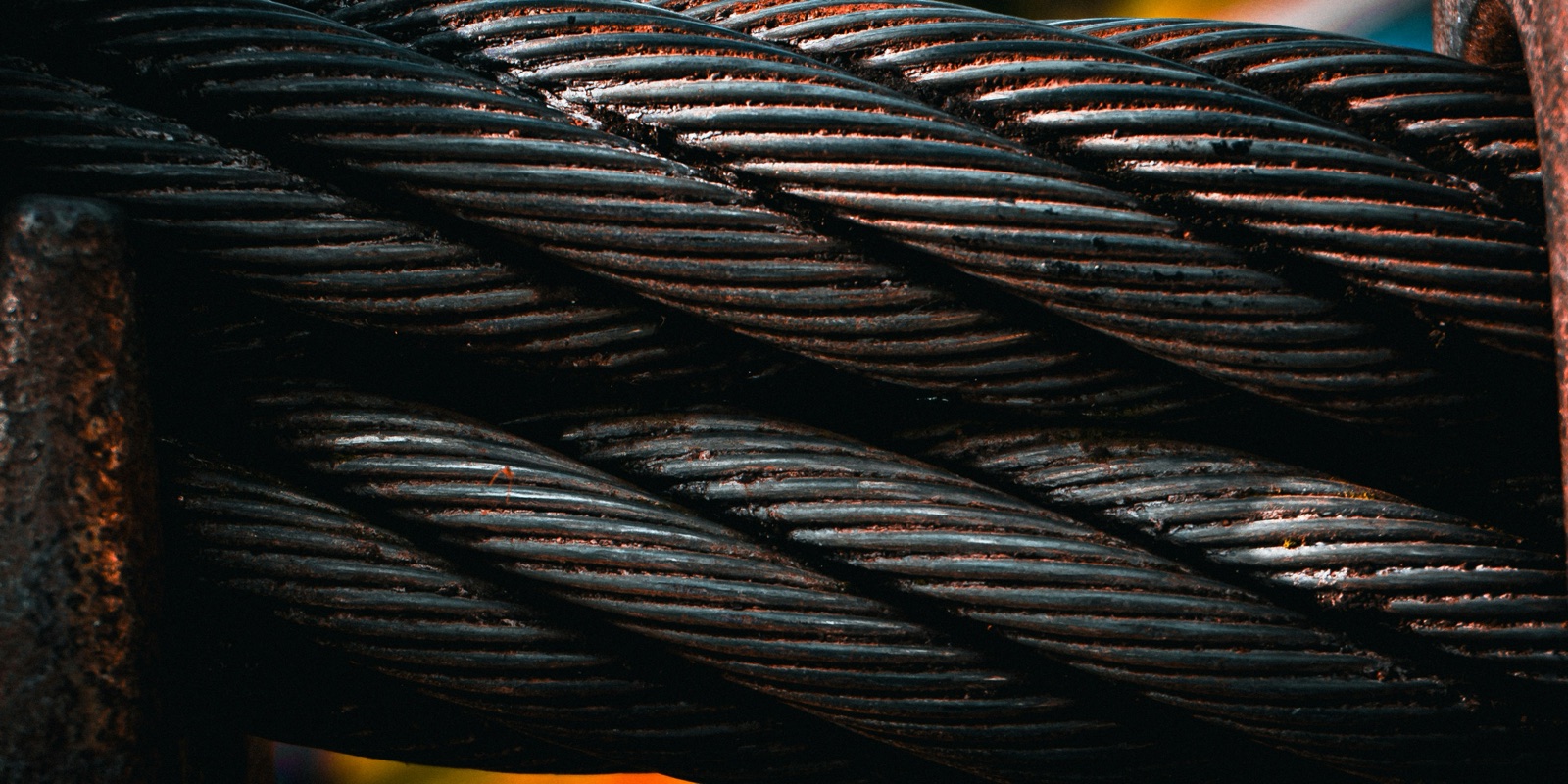
The physical internet is a few hundred cables lying on the seabed, most of them about the diameter of a garden hose, carrying effectively all of the traffic that moves between continents. Satellite capacity, including the newer constellations, remains a rounding error against them. If the cables stop, the traffic does not reroute to the sky. It stops.
They break often, and that is the part outsiders find surprising. Faults run to well over a hundred a year globally, and the great majority are mundane: a fishing trawl, a dragged anchor in shallow water, an undersea landslide, simple abrasion. Sabotage gets the coverage, but the ordinary fishing fleet does far more damage over a decade than any adversary has.
The repair is routine. The capacity to perform it is not.
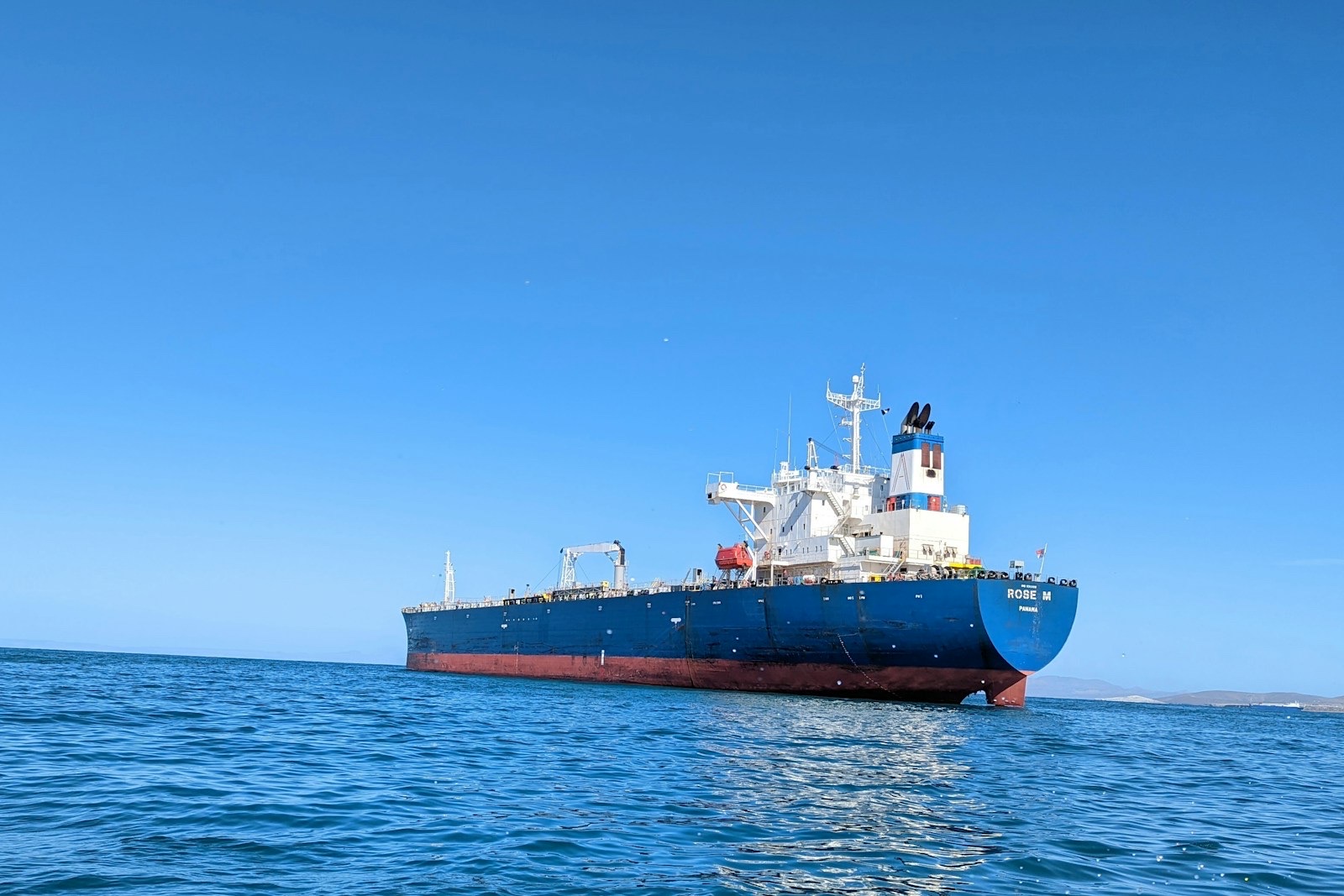
Fixing a break is genuinely specialised work. A ship must locate a fault on a cable buried in sediment in deep water, grapple it off the seabed, haul it aboard, cut out the damaged section, splice in replacement, test the joint and lower it back. The vessels that do this carry cable tanks, dynamic positioning and jointing bays, and there are only a few dozen of them in the world configured for the job.
A large share of that fleet is old. Many hulls are past the service life their builders assumed, kept working through refits because the alternative is a newbuild nobody has ordered. Very few replacements are on the books, and the yards capable of the work are busy with vessels that have clearer buyers.
The reason for the empty order book is the financing structure, which is the actual subject. Repair capacity is bought collectively: cable owners in a region pool into a maintenance agreement that retains a ship on standby, and each pays a share. The agreement guarantees response within a window. It does not guarantee a second ship if two cables fault in the same week, and the incentive facing every member is to keep its contribution as low as the agreement permits.
That is a textbook shared-resource problem. No individual owner captures the benefit of funding more capacity than the retainer requires, so nobody funds it, and the fleet converges on the minimum the contracts will tolerate. It works acceptably in normal conditions, which is most of the time, and degrades exactly when several faults coincide — which is precisely when the system is being asked to prove itself.
The demand side has meanwhile changed shape entirely. Traffic has grown enormously, and the buyers of new capacity are now largely the same handful of technology companies whose spending has moved from experimentation to infrastructure. They are laying cable at pace, much of it privately owned rather than consortium-held, which alters who sits inside the maintenance agreements and who assumes somebody else is handling it — a provenance gap with the same shape as the firmware nobody can produce an inventory for.
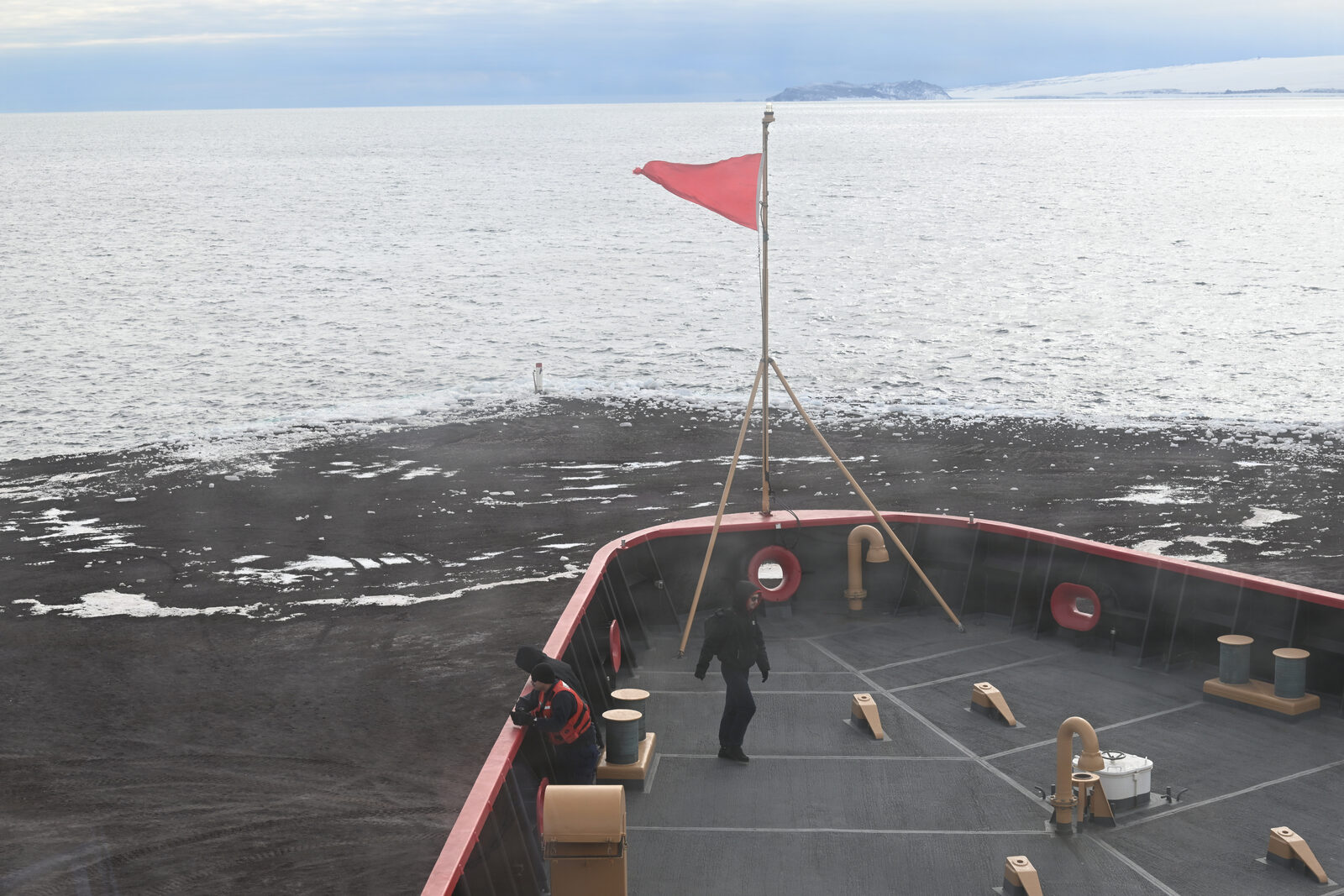
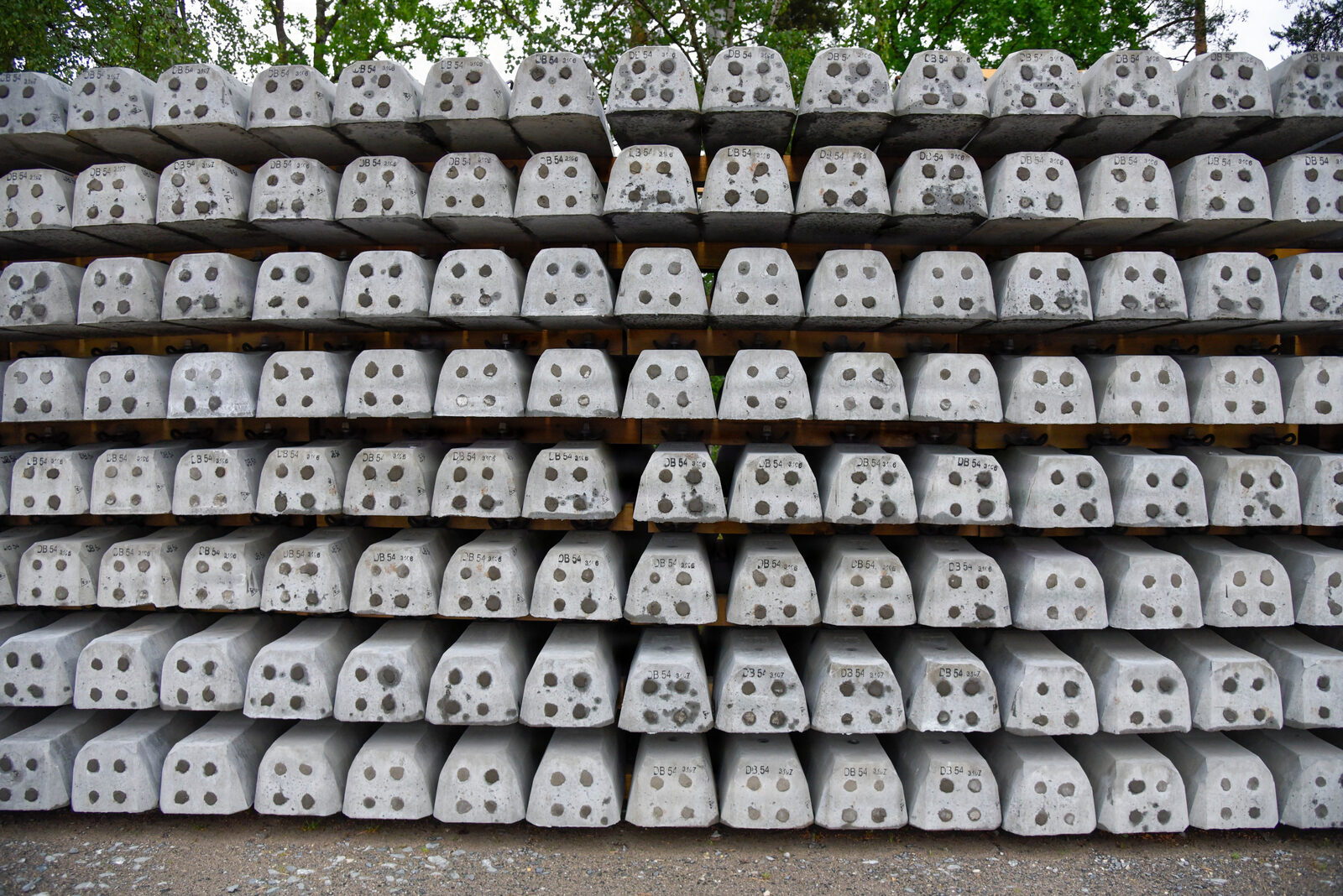
None of this is a novel failure. It is the same pattern as an icebreaker fleet nobody ordered until the route needed one and rail terminals left unbuilt at the ends of good track: capacity that has to exist before the event, funded by people who are measured on the years when nothing happens.
The difference is the timescale of the consequence. A missing railhead is an inefficiency. A missing repair ship, on the week two cables part in the same sea, is a country off the network for as long as the queue takes, and the docks that would fix them are booked years out, in the way a contested strait strands the crews rather than the cargo.
Topics worldinfrastructureshipping