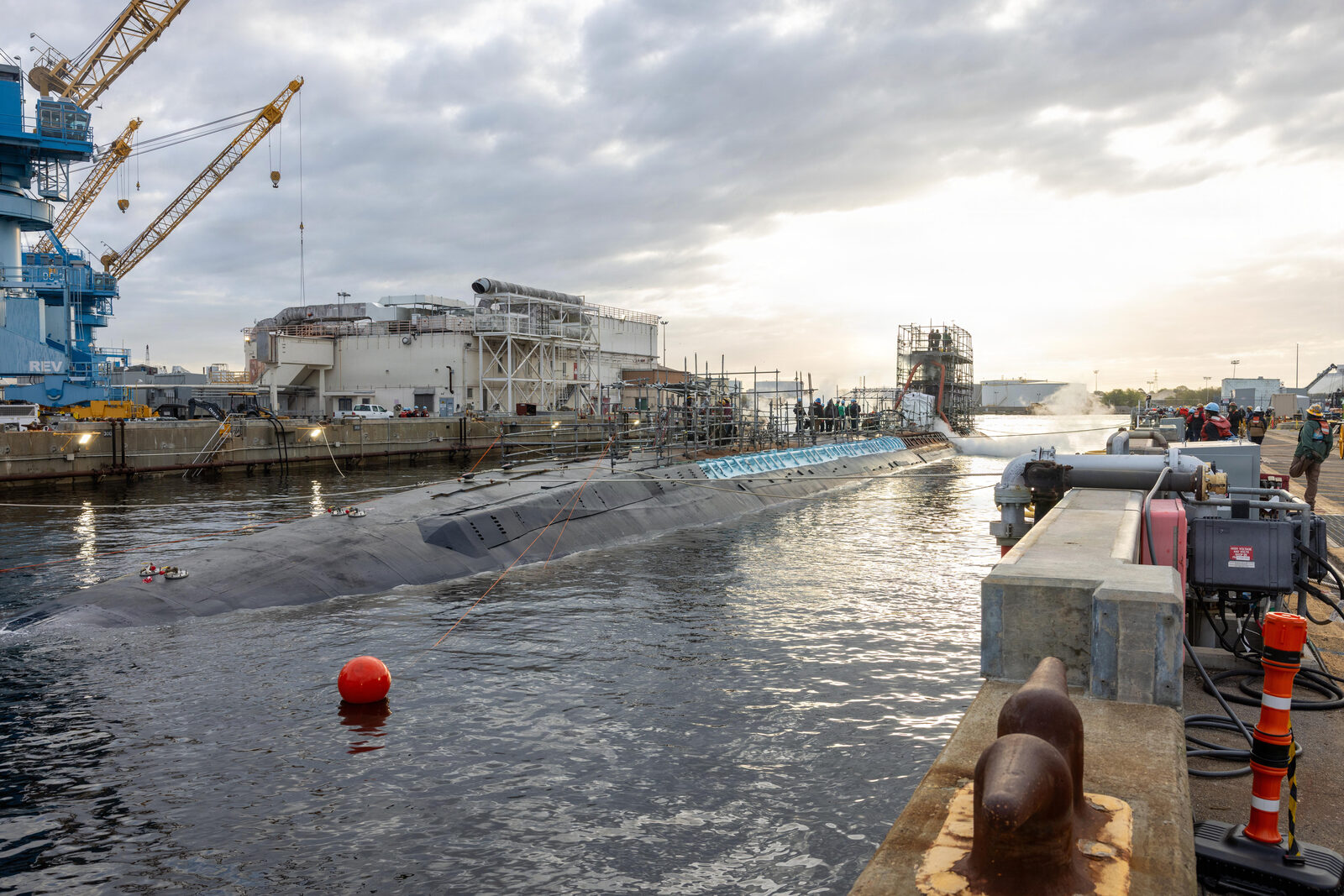
Everything about a ship can be fixed except the problem of where to fix it. Hulls, propulsion, tanks and steel all yield to enough skilled labour and enough time. What does not yield is the dock: a hole in the ground or a floating structure large enough to take the vessel out of the water and hold it while the work happens. There are not many, almost none have been added recently, and no amount of demand summons another one quickly.
That is the whole economics of ship repair, and it is regularly misdiagnosed as a labour shortage. Welders and pipefitters are genuinely scarce and genuinely hard to hire, for reasons the training programmes are only now addressing. But a yard with a full workforce and no free dock does nothing, while a yard with a free dock can generally find the people. The binding constraint sits on the asset side.
A hole in the ground that cannot be conjured
Docks are unusual capital. They take years to permit and build, they are immovable, they are sized for a class of vessel and cannot be adjusted, and they last for the better part of a century once built. That combination makes them very poor at responding to a cycle. The economics that would justify a new one require confidence about demand a decade out, which is precisely what a repair market cannot offer.
The competition for the existing ones has meanwhile intensified. Naval maintenance has grown as fleets age and deferred work comes due, and government work takes precedence over commercial by contract and by law in most jurisdictions that have yards at all. Commercial owners are therefore bidding for the residual, and the residual has been shrinking.
What that does to an owner's arithmetic is easy to miss. The repair itself might take three months. The wait for a slot might take eighteen. During the wait the vessel is often still trading, accumulating the condition that made the repair necessary, and after the wait it is out of service earning nothing at all. On a large vessel the daily cost of idleness dwarfs the invoice from the yard, so the queue rather than the work is the dominant expense — and it is the part nobody quotes.
The behavioural response has been to plan around availability instead of around condition. Owners book slots long before they know exactly what will need doing, hold them speculatively, and shape maintenance schedules to fit the dock rather than the ship. That is rational individually and wasteful collectively, because held slots that go partly unused are capacity removed from a market that has none to spare.
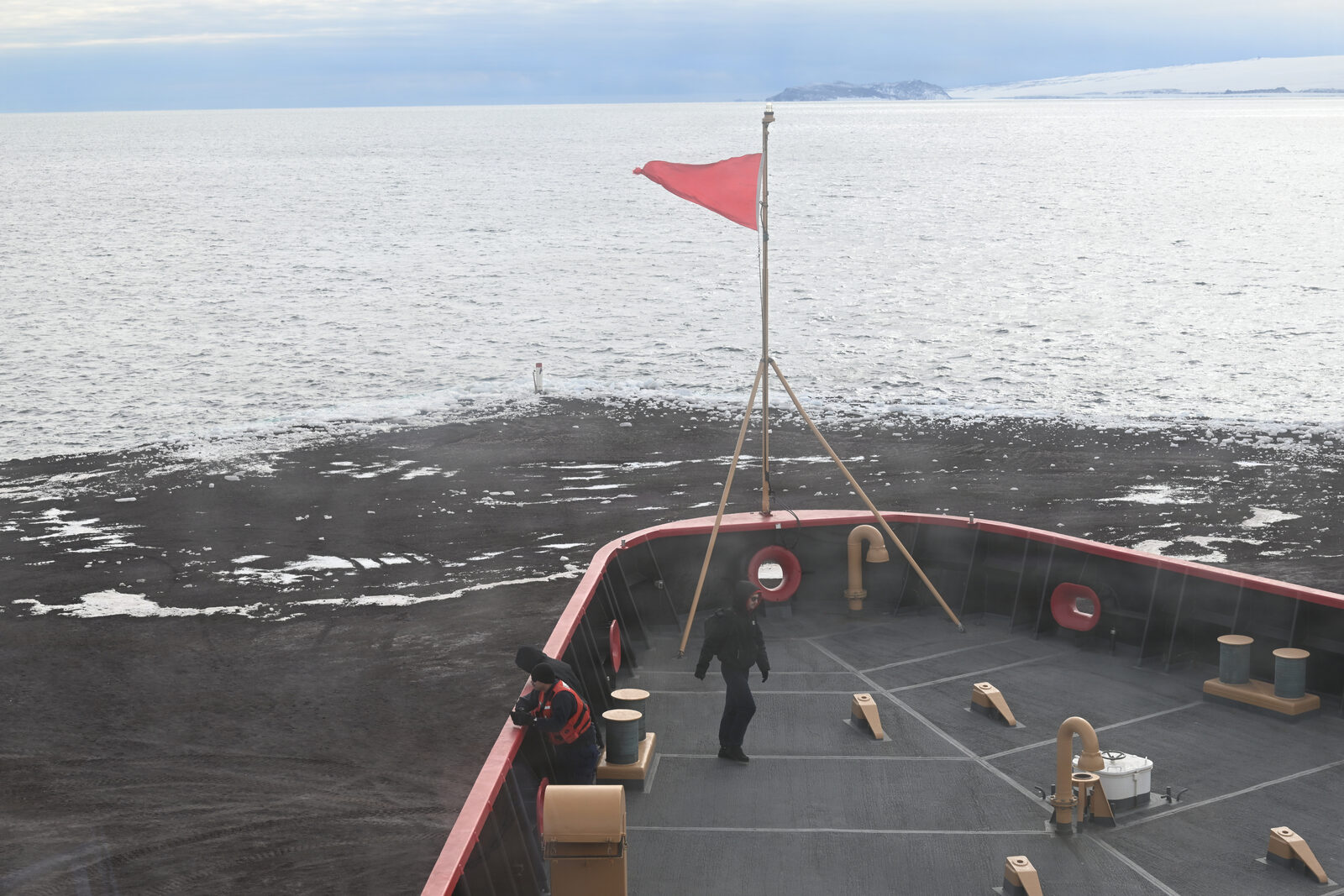
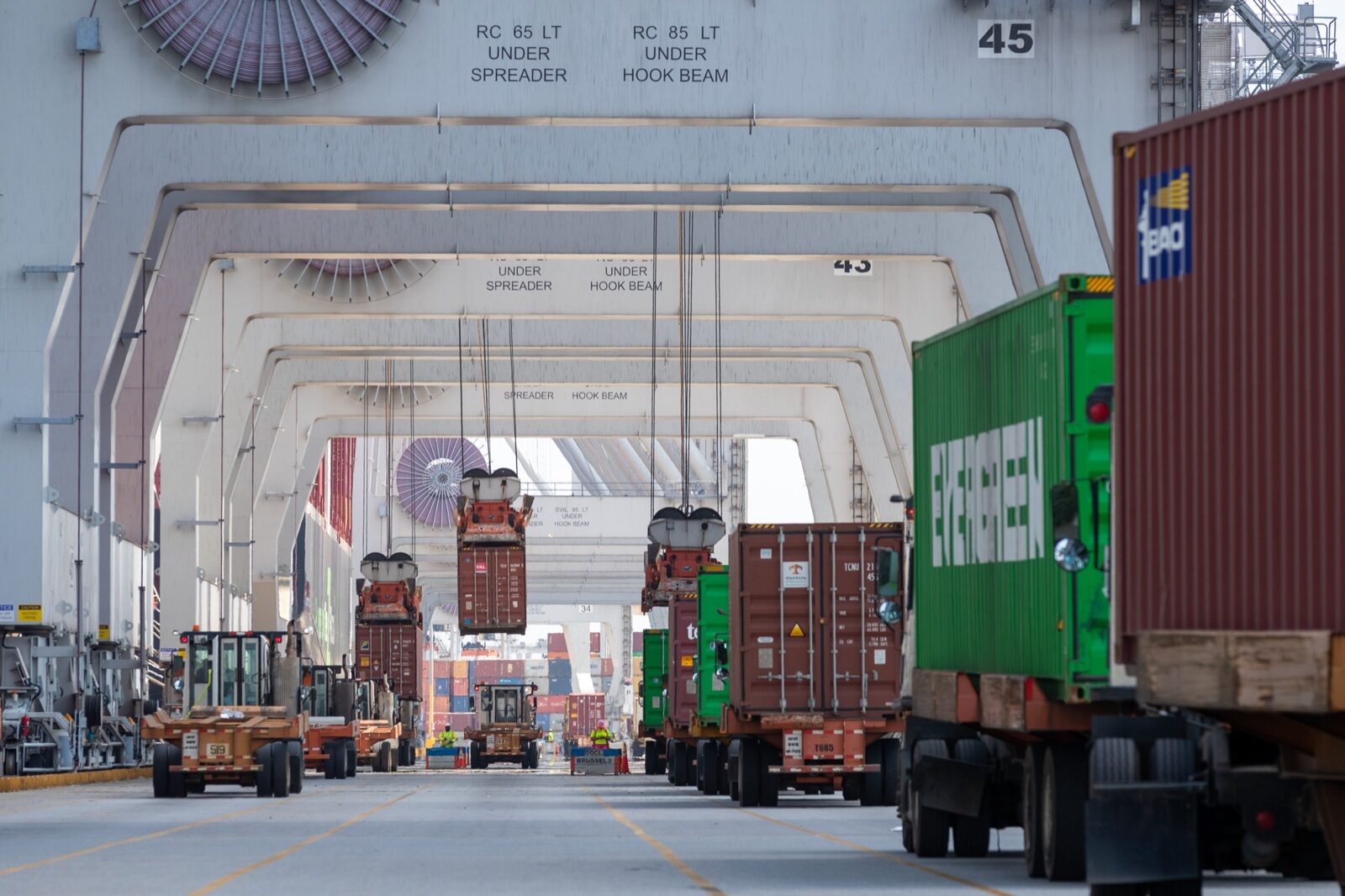
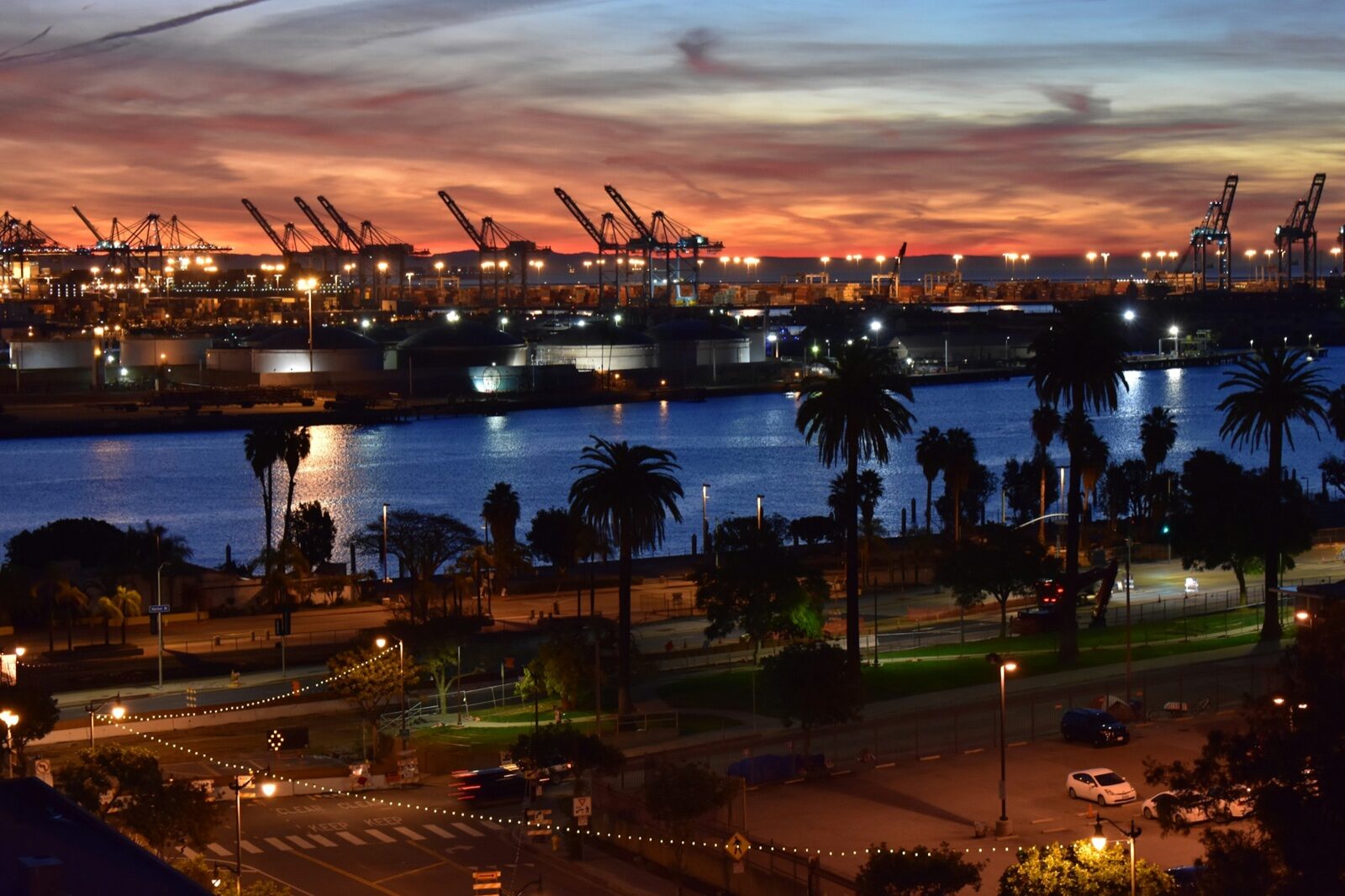
It is the same shape as a repair fleet for undersea cables that nobody is replacing and an icebreaker order book left empty until the route needed one: long-lived specialised assets, funded on horizons far shorter than their lives, that everyone assumes somebody else is maintaining a margin of. Ports discovered their own version when they fixed their throughput and found that the roads and yards behind them had not.
The uncomfortable part for anyone hoping this resolves is that the fix is a construction programme with a payback measured in decades, ordered against demand nobody will forecast that far out. Which is the reason the last one was not built either.
The counter-example arrived from an unexpected direction: in interceptors, somebody finally paid for the years nothing is needed, by guaranteeing a minimum annual quantity for longer than the line takes to build.
Topics businessshippinginfrastructure