Isaias strengthened overnight into the first hurricane of the 2026 Atlantic season, and the reinsurance market has already put a rough price on it. If it comes ashore at Category 1 or 2 strength, insured losses should run into the low to mid-single-digit billions of dollars, the reinsurance broker Gallagher Re said in commentary reported on Thursday. The economic cost, it said, would probably be a few billion dollars higher.
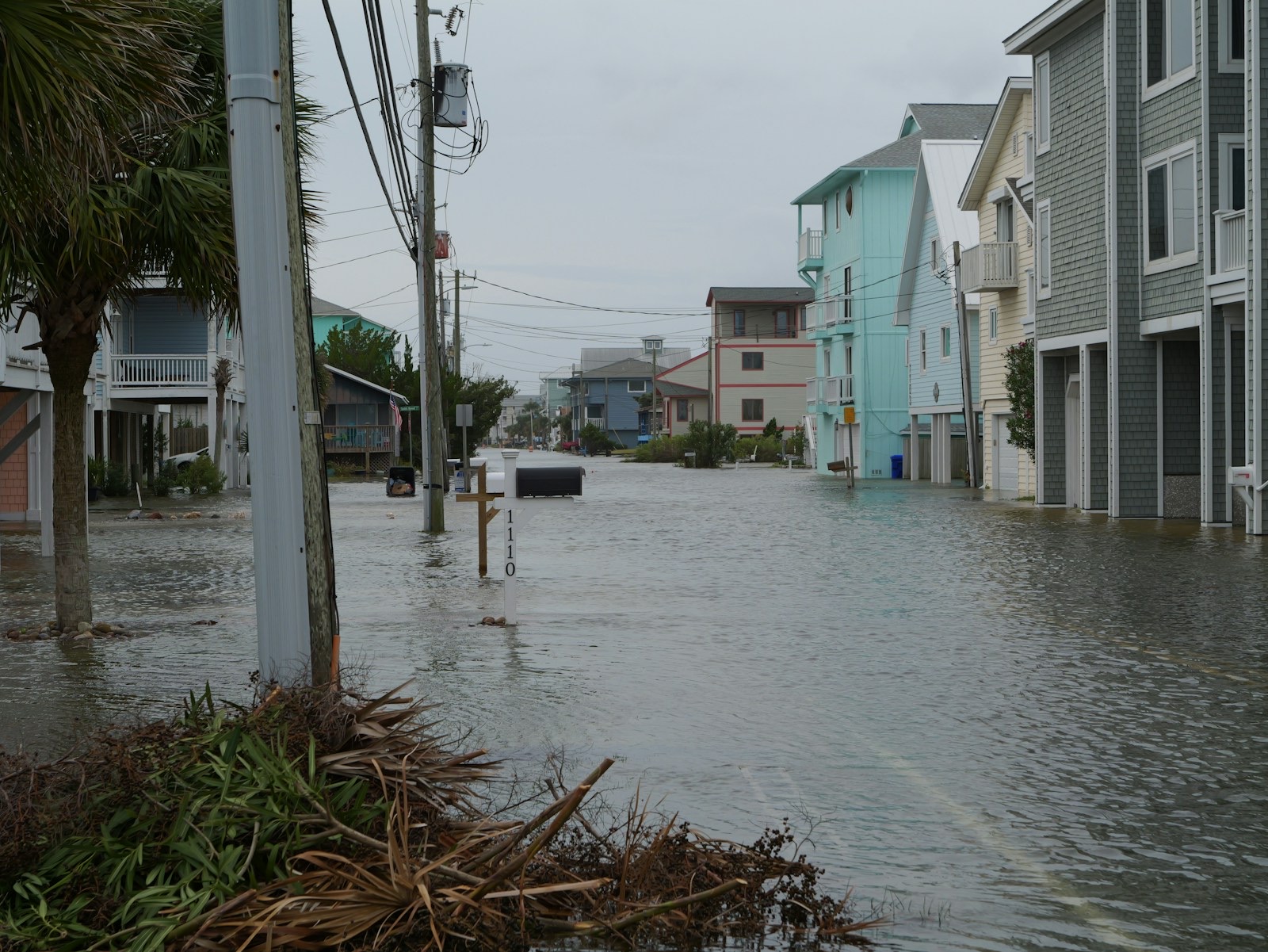
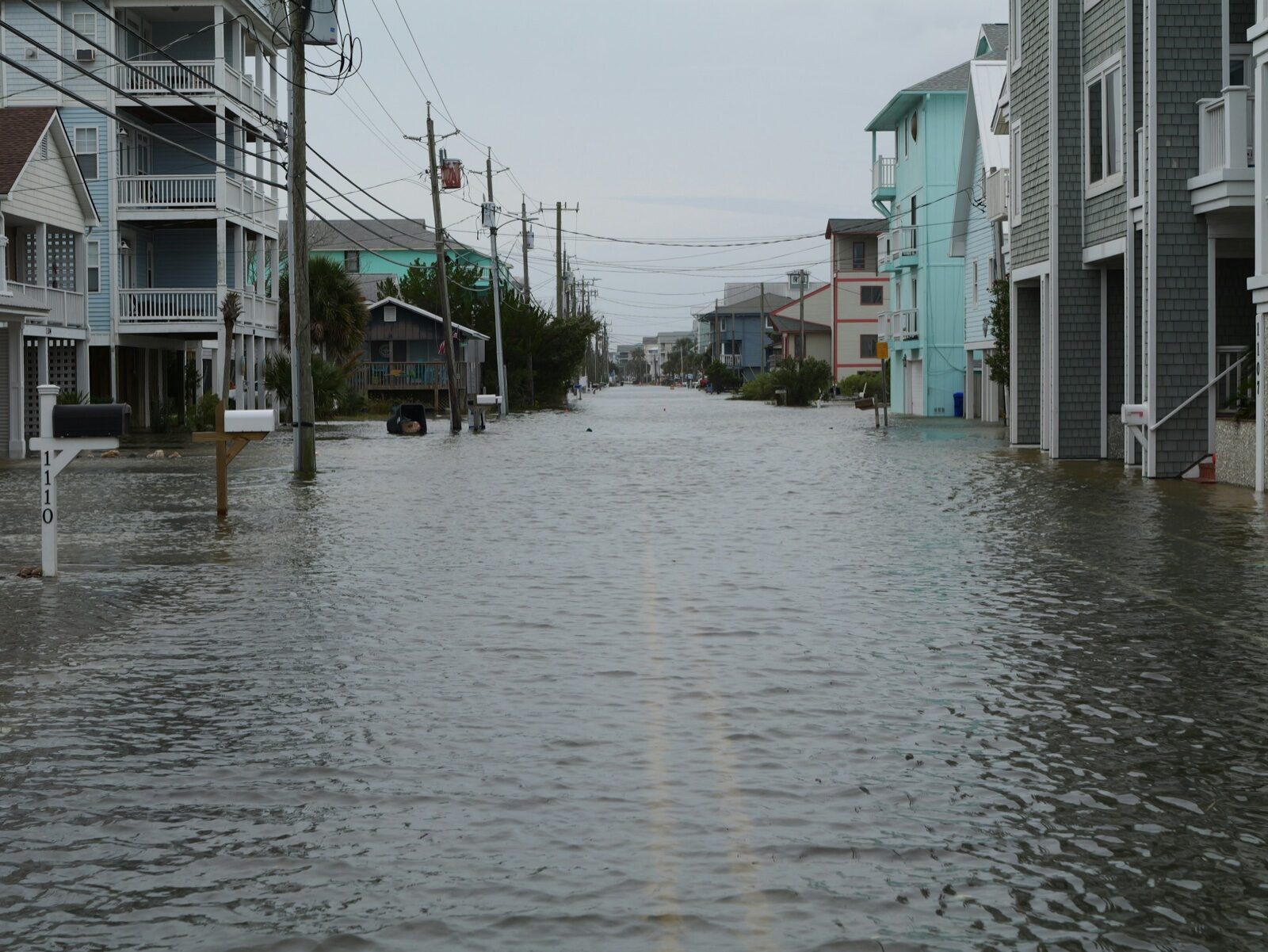
The gap between those two numbers is mostly water.
In its advisory number 8, issued at 10 a.m. Central time on Thursday, the National Hurricane Center put the storm's maximum sustained winds near 85 miles an hour, with its centre about 380 miles south of the mouth of the Mississippi River and moving east-northeast at 10 mph, according to its advisory. It expects further strengthening through early Friday and landfall on the northern Gulf Coast late Friday or early Saturday. A hurricane warning runs from Ocean Springs, Mississippi, to the line between Bay and Gulf counties in Florida. The centre's forecast has winds peaking at 95 knots, about 110 mph, on Friday before easing slightly as the storm nears the coast. Its next full advisory is due at 4 p.m. Central time.
It is the latest first hurricane of a season to form in more than 100 years, Artemis reported.
The insurers can absorb it
Gallagher Re's estimate is based on current exposure along the north-central Gulf Coast and on past landfalls of similar strength. It includes both private insurers and gross claims paid by the National Flood Insurance Program. Recent Category 1 storms on that coast have cost insurers anything from several hundred million dollars to the low single-digit billions, the broker said. Category 2 and 3 landfalls have averaged in the low to mid-single-digit billions in today's dollars.
At that scale, the storm is not a test of the reinsurers' balance sheets. "Given the substantial amount of available global reinsurance capital and the relatively modest expected loss magnitude relative to industry capacity, this event is unlikely to meaningfully affect upcoming January 1 reinsurance renewal discussions," Gallagher Re said, as reported by Reinsurance News.
The catastrophe bond market is saying something similar. Some hurricane-exposed bonds have been offered for sale in the secondary market, but none at distressed prices, and no trades had been confirmed, Isacco Loconte, an investment specialist in insurance-linked securities at Azimut Switzerland, said in a LinkedIn post reported by Artemis. Artemis noted that most catastrophe bonds are calibrated to pay out on more significant loss events than the one now forecast.
The households may not
The uninsured part of the bill is likely to come mainly from storm surge and rain-driven flooding inland, Gallagher Re said, both of which have historically left large uninsured losses on the Gulf Coast. Few property owners in the region carry federal flood cover. The broker put take-up of National Flood Insurance Program policies at roughly 10 to 25 per cent in coastal Alabama, Mississippi and the Florida Panhandle, depending on the county, falling to 2 to 5 per cent or less across many inland counties.
That leaves much of the water damage to households, businesses and state and local governments, the broker said. Gallagher Re's commentary anticipates 5 to 7 feet of storm surge above normally dry ground. The hurricane centre's 10 a.m. advisory forecasts 3 to 7 inches of rain from far southeastern Louisiana to the Florida Big Bend from Friday through the weekend, with localised totals of up to 15 inches, and says some river flooding could be significant.
Two Panhandle precedents
Florida's own claims data shows how wide the range is. Hurricane Sally, a Category 2 storm with top winds of 110 mph that came ashore just west of Pensacola in 2020, produced fewer than 72,000 claims and about $577 million of insured losses in Florida, Insurance Journal reported, citing the Florida Office of Insurance Regulation. Hurricane Michael, a Category 5 storm in 2018, caused more than $9 billion of insured losses there, close to $12 billion in today's dollars, from some 159,000 claims.
Who holds the risk this time is only partly visible. Among insurers that report to the state, Citizens Property Insurance, the state-created insurer, had 8,882 policies with wind cover and more than $3.2 billion of insured value in the 10 Panhandle counties in the storm's likely path at the end of July. Florida Farm Bureau Casualty had $6.1 billion of exposure on 8,351 policies. Citizens has shed more than a million policies statewide over three years. Some of the largest carriers in Florida, including State Farm Florida, Universal Property & Casualty and Slide Insurance, do not file those reports. Across Louisiana, Mississippi, Alabama and Florida, State Farm companies insure the most homeowners, AM Best reported.
"Citizens is monitoring Hurricane Isaias and will be ready to respond. We urge Citizens' policyholders and all Panhandle residents to prepare now," Citizens' media relations manager said on Wednesday.
None of these numbers is settled. Gallagher Re stressed that the final loss depends heavily on the storm's track, size, forward speed and how long it lingers, and that small changes in landfall intensity or location can produce large differences in cost. What is already clear is where the uninsured part will fall if the flooding reaches inland: on owners without flood cover, a group that includes the growing number of households choosing to carry no insurance at all.
The storm's position, strength, movement, warnings, the forecast of further strengthening and the expected landfall time are from the National Hurricane Center's public advisory number 8, issued at 10 a.m. CDT on Thursday 8 October 2026, and the peak wind forecast is from the forecast advisory issued at the same time; the conversion from knots to miles an hour is ours. Gallagher Re's loss estimate, its renewal view, its range of historical losses and its comments on flood insurance take-up and uninsured loss are from its event commentary as reported by Artemis and by Reinsurance News on 8 October 2026; the quoted renewal comment is as published by Reinsurance News, and the wording that economic losses would be "a few billion" higher is as reported by Artemis. The rainfall forecast is from the same public advisory. That Isaias is the latest first hurricane of a season in more than 100 years, Isacco Loconte's remarks on catastrophe bonds and the calibration of most catastrophe bonds are as reported by Artemis on 8 October 2026. The Florida claims and loss figures for Hurricanes Michael and Sally, the policy counts and exposures in the Panhandle, the carriers that do not report to the state, Citizens' reduction in policies and statement, and AM Best's figure for State Farm are as reported by Insurance Journal on 8 October 2026. The photograph does not show Isaias. The analysis is our own.
Topics businessinsurancereinsurancecatastrophe bonds